Disaster Relief
All day, every day, wherever someone needs us.
We respond to an emergency every 8 minutes
Bringing Help & Hope
Disaster relief by the numbersdisaster responses yearly
of our disaster relief workers are volunteers
we respond to are home fires
Our Statement on Impartiality
The American National Red Cross, as a member of the International Red Cross and Red Crescent Movement, adheres to the Fundamental Principles of the International Red Cross and Red Crescent Movement. Specifically, the principal of Impartiality states, “It makes no discrimination as to nationality, race, religious beliefs, class or political opinions. It endeavors to relieve the suffering of individuals, being guided solely by their needs, and to give priority to the most urgent cases of distress.”
During a crisis, human beings need help to stay safe and sustain life, no matter what their nationality, cultural background or citizenship status. When an emergency happens, the Red Cross is going to deliver help to whomever needs it and as part of its humanitarian mission, the American Red Cross will feed, shelter, and provide emotional support and other assistance without regard to race, religion, gender identity, sexual orientation or citizenship status. The Red Cross is a charity, not a government agency and individuals who have disaster caused needs do not need to be American citizens to access Red Cross services.
Red Cross workers will not question individuals about their citizenship status, nor will they request birth certificates, immigration papers, passports, social security cards or similar documents that could be interpreted as being used to identify the nationality or immigration status of persons seeking Red Cross assistance. The Red Cross will request documents to identify an individual and to verify they reside in the disaster impacted area when providing financial assistance. If federal, state or local authorities make a request to enter a shelter for the purpose of looking for undocumented shelter residents, the Red Cross will not grant them permission unless provided with a subpoena or court order. The Red Cross may disclose information about shelter residents at the request of law enforcement if the disclosure is necessary to avert a threat or protect the health or safety of shelter occupants, another person or the community.
Questions can be emailed to: ngopartners@redcross.org
Average of 91 Cents of Every Dollar Spent Invested in Humanitarian Services and Programs
Relief efforts that achieve resultsHome Fires: Meeting the Biggest Disaster Threat to American Families
Here to Help
Each disaster is different but we adapt our resources to the needs of the people we serve.
Overnight Shelter Stays
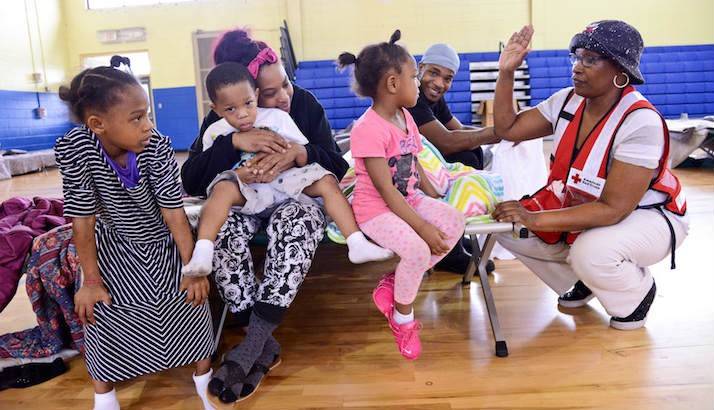
The Red Cross opens shelters to make sure people have a safe place to stay, a hot meal and access to other support from trained volunteers. Every night a person stays in a shelter counts as one overnight stay; for example, a family of four staying in a shelter for three nights would total 12 overnight stays.
Distribution of Emergency Supplies
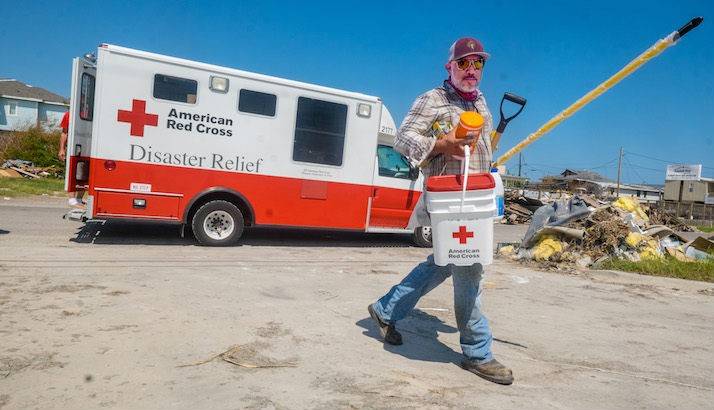
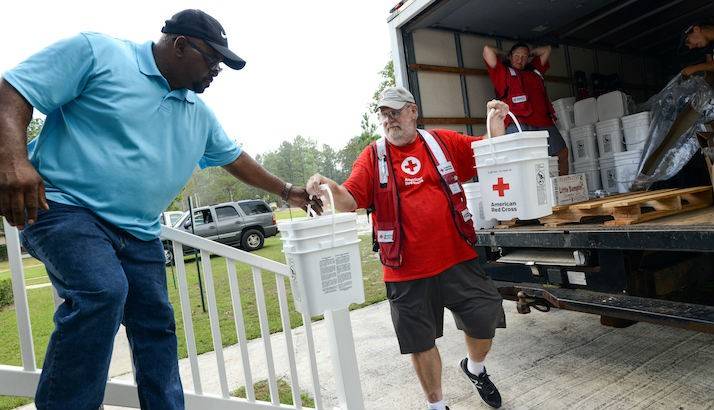
Emergency supplies help people in the immediate aftermath of a disaster and in the days and weeks that follow. Our comfort kits contain basic personal supplies needed in the aftermath of a disaster, such as a toothbrush, deodorant and shampoo. Other emergency supplies could include tarps, rakes, shovels, and trash bags to help people clean up their homes and return to normalcy. Emergency supplies can be handed out at convenient distribution centers or from an emergency response vehicle in affected areas.
Health & Mental Health Contacts
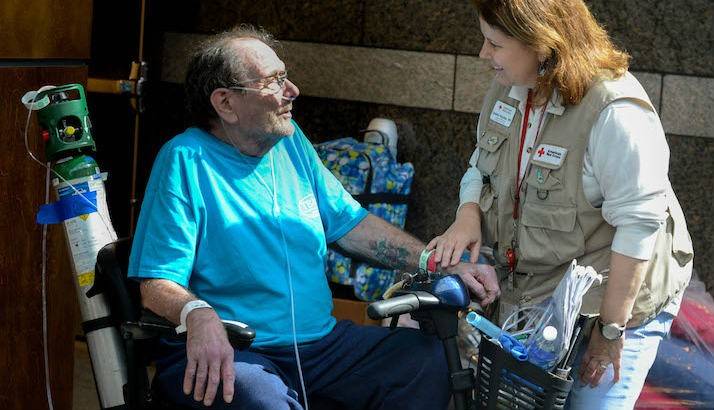
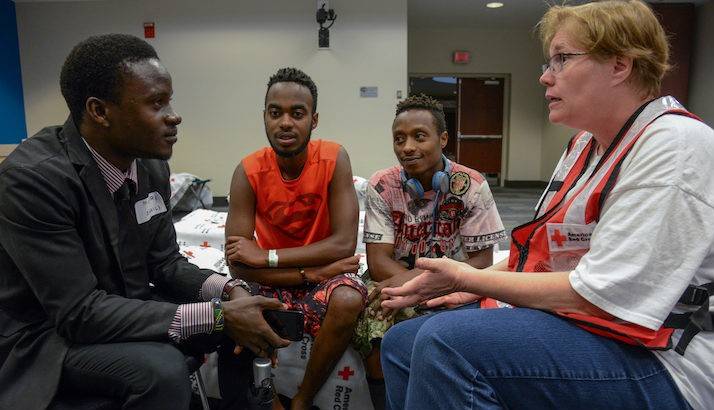
Red Cross health and mental health volunteers travel to disaster sites to help people cope. Health workers can provide first aid treatment for injuries, monitor the well-being of people staying in Red Cross shelters, and replace prescription medications or eyeglasses. Other workers specialize in providing emotional support and helping people to cope after a disaster.
Meals and Snacks
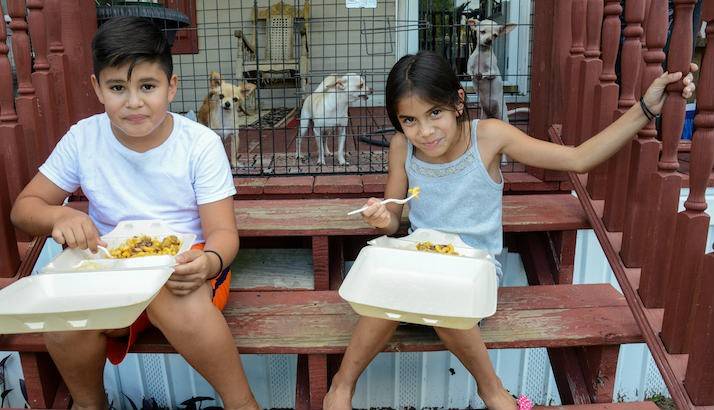
After a disaster, the Red Cross works with community partners to provide hot meals, snacks and water served as shelters or from Red Cross emergency response vehicles in affected neighborhoods.
Workers
Trained Red Cross volunteers and employees are ready to deploy within hours of a disaster to help. Ninety-five percent of our disaster workers are volunteers from across the country.
Emergency Response Vehicles (ERVs)
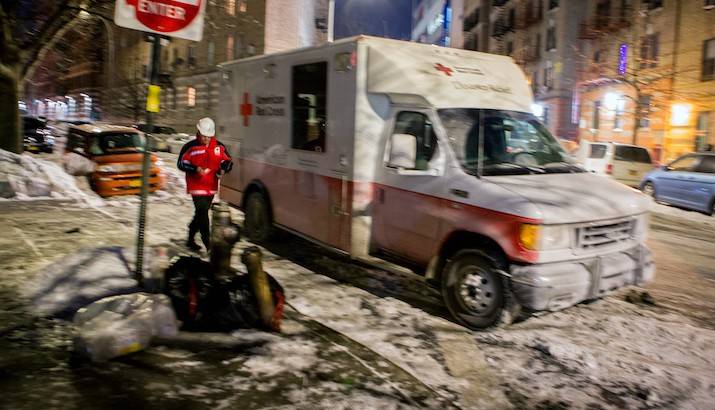
Mobile Response Vehicles, also known as ERVs, circulate throughout affected communities after disasters to hand out food, relief supplies, information, and comfort to those in need.
You are using an outdated browser. Please