Monitor media reports. Watch TV, listen to AM/FM or NOAA weather radio and check the Internet
often for official news. Evacuate when advised to do so.
Family Communications Plan Steps:
Make a plan and prepare to evacuate. Plan your evacuation route by using maps and identifying
alternative routes. Pets should not be left behind, but understand that only service animals are
permitted in shelters. Plan how you will care for your pets and bring extra food, water and supplies
for them.
Develop a family communication plan by designating an out-of-town contact that you can call.
Ask them to contact other people who care about you, to let them know your status. Write contact
information including name, home, work and cell phone numbers and e-mail address.
Contact information to provide to your out-of-town contact.
Name:
Phone:
Email:
Name:
Phone:
Email:
Name:
Phone:
Email:
Name:
Phone:
Email:
Name:
Phone:
Email:
Name:
Phone:
Email:
Assemble a Disaster Supplies Kit Including the Following Items:
Non-perishable or canned food
Special Items for:
Can opener (non-electric)
Infants
Bottled water
Elderly
Clothing
People with disabilities
Rainwear
Important Documents: (store in a waterproof container)
Bedding
Sleeping bags
Driver's license
Pillows
Social Security card
Battery-operated radio
Proof of residence
Flashlight
Insurance Policies
Extra batteries
Tax records
Prescriptions and medications
Birth and marriage certificates
First aid kit
Deeds
Car Keys
Wills
Maps
Remember to make a supplies kit for pets with water, food (with manual can opener), collars
with identification tag, carrier or harness, sturdy leash, medication, name and number of
veterinarian, cat litter pan and scooper, pet beds and toys.
Prepare Your Home:
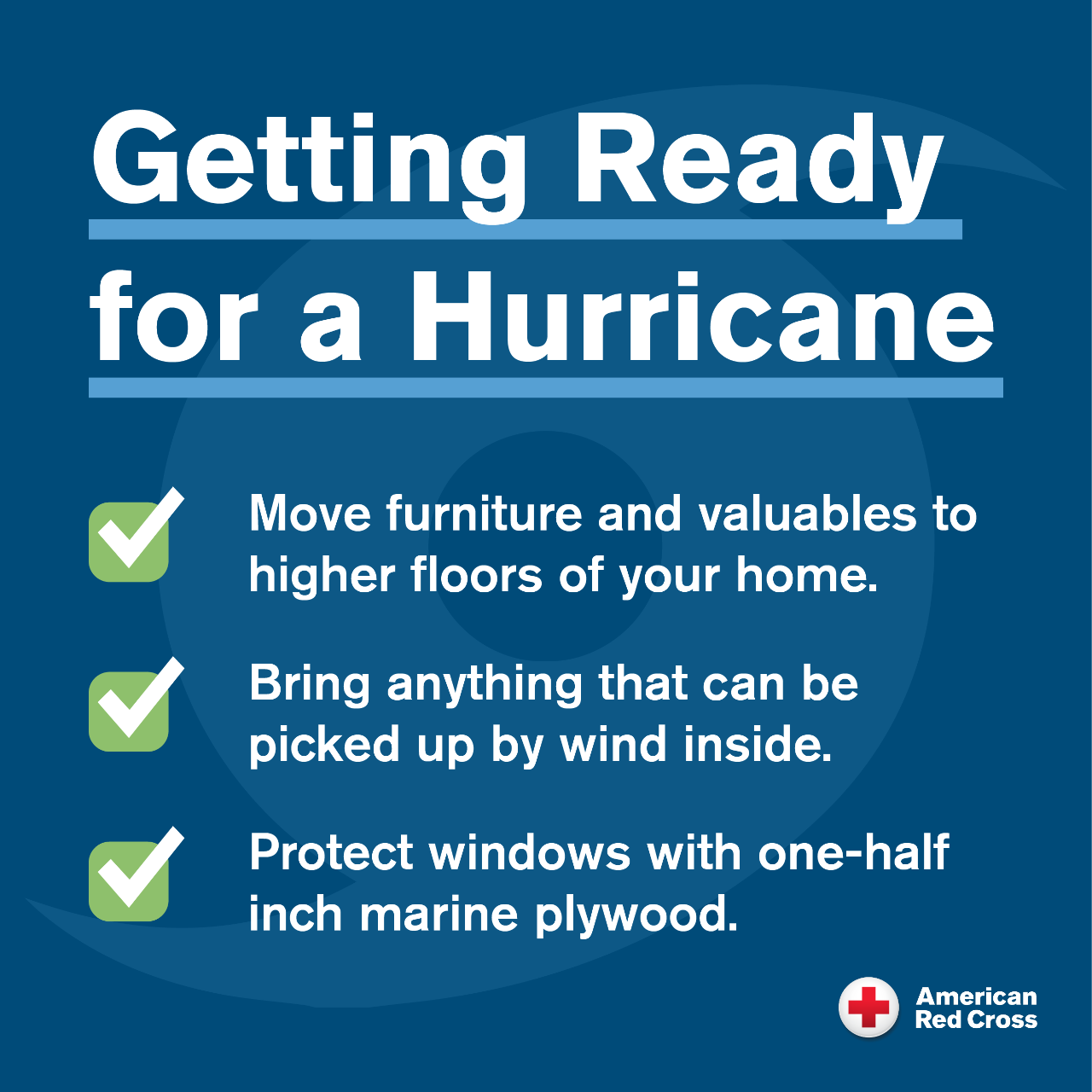
Bring inside: lawn furniture, trash cans, hanging plants, outdoor decorations or ornaments, or
anything else that can be carried by the wind.
Close windows and doors, then close hurricane shutters or install pre-cut plywood. Note: Tape
does not prevent windows from breaking, so taping windows is not recommended.
Evacuate If Necessary:
If advised to evacuate, do so immediately. Follow the advice of authorities on which routes to take, which evacuation shelters to seek, and other important directions.
Identify ahead of time where to go if told to evacuate. Learn the best evacuation routes to take. Get
the telephone numbers of places you may go, as well as a road map in case you need to take
alternative or unfamiliar routes if major roads are impassable.
If time allows, call or e-mail your out-of-town contact to let them know where you are going and when you expect to get there. Leave a note telling others when you left and where you are going. Check with neighbors who may need a ride or other assistance.
If you live in the affected area, call the toll-free Red Cross hotline: 1-866-GET-INFO (866-438-4636) for the nearest Red Cross emergency shelter. Or make arrangements to stay inland at a hotel or with friends or relatives until the storm has passed.
Take Precautions:
Listen to local TV, radio, or NOAA Weather Radio to be aware of watches and warnings.
Be aware that the calm "eye" is deceptive; the storm is not over. The worst part of the storm will happen once the eye passes over and the winds blow from the opposite direction. Trees, shrubs, buildings, and other objects broken by the first winds can be destroyed by the second winds.
Tornadoes can happen during a hurricane and after it passes over.
Be alert to weather conditions as they can change rapidly. Look for large hail and listen for the sound of an approaching tornado – many say approaching tornadoes sound like a freight train.
Pick a safe place in your home where family members and pets can gather if a tornado occurs.
Remain indoors, in the center of your home, in an interior closet, bathroom or hallway on the lowest floor, and away from all windows.
Know the community's warning system. Many use sirens.
Flooding can begin well before a hurricane nears land.
Stay away from floodwaters. If you come upon a
flooded road, turn around and go another way.
If you are caught on a flooded road and waters are rising rapidly around you, get out of the car
quickly and move to higher ground. The floodwaters may still be rising, and the car could be
swept away at any moment.
Never attempt to drive through water on a road. Water can be deeper than it appears, and
water levels can rise very quickly.
Most cars can be swept away by less than two feet of moving water. Many hurricane deaths are
caused by people attempting to drive through floodwaters.
Floodwaters can erode roadways, and a missing section of road – even a missing bridge – will
not be visible with water running over the area.
Avoid walking through floodwaters; two inches of moving water can sweep most people off their
feet.