|
When
Bad Things
Happen
The recent terrorist attacks may have caused you to question a number of things you have always believed about your own safety, and the safety of your family and friends. When we are small, we are taught that if we are good, good things will happen to us. Sometimes, we see things that make us wonder about this, and cause us to doubt what we have been taught.
This page can't answer all of your questions. The best we can do is to let you know that it is normal to ask questions about why and how such awful things happen. Other people who saw this disaster or who have seen others like it ask the same questions. What we can do is give you some information about the emotional and physical reactions you may have, and give you some tips to help put this event in its proper place in YOUR life.
Why was this event so stressful?
Disasters caused by human beings can be more frightening than natural disasters such as floods and hurricanes because
- There is no warning and no time to get ready. Unlike a hurricane or slow-rising flood, we have no way to prepare ourselves mentally for this kind of disaster.
- We don't expect this kind of disaster. Most of the disasters in this country are either weather related or accidents. We have almost no history of this kind of terrorist attacks, and have a hard time believing that it could happen.
- It's hard to understand why anybody would do something on purpose that would cause death and injuries, especially when children are involved.
- TV, radio, and newspaper coverage can make us all feel like part of the disaster and make each of us a "victim" of the disaster because we become so concerned.
- There are no guarantees that it couldn't happen anywhere. Without taking away our freedoms, experts are looking at ways to prevent such things happening.
It's sad when anyone is hurt or dies, but the saddest feeling of all is when a child is hurt. We all know babies and small children, do everything we can to love and protect them, and can find no easy answer to questions about why bad things happen to them.
Is what I'm feeling normal, and do other people feel the same way?
There are a number of common reactions and problems following disasters. The things you are feeling and the problems you are having are the same as many other people are having. These can include:
- Sadness, including crying more easily or wanting to cry.
- Anger.
- Fear.
- Guilt because you are OK and others are not.
- Trouble falling asleep, staying asleep, or having nightmares.
- Changes in appetite ¾ eating too much or not being hungry.
- Problems in school and having a hard time concentrating.
- Feelings of being helpless.
- Wanting to be alone more often than usual, or not wanting to be alone at all.
- Moodiness and irritability.
These are all normal feelings. They may even go away for a while and come back again when something makes you think of the disaster. That's to be expected. If you have ever been involved in another type of disaster such as an earthquake, tornado or flood, you may find yourself remembering that disaster and feeling the same emotions you felt then.
You may find that loud noises startle you more easily, or that smells or the sight of objects associated with the disaster can cause a reaction. Don't be surprised at these reactions. They will slow down and disappear on their own when nothing dangerous happens. You may also be having some physical problems that come from being upset. These could include:
- Stomachaches.
- Headaches.
- Increased allergies.
- Rashes.
- Colds and flu-like symptoms.
When will I feel better?
When the event is less and less in your thoughts and you are not reminded about it, the feelings and reactions will fade, especially as you get back to your usual routine and focus
your attention on other things. It doesn't mean that you care less; just that you have put your feelings about this disaster in their own special place. As this happens, you will find your physical problems will disappear.
Everyone feels stress in different ways, so don't compare yourself with your friends and family members, or judge their reactions or lack of reactions.
What can I do?
- Avoid media coverage of the event. Repeatedly seeing pictures of the disaster and hearing about how frightening it was can seriously slow down your ability to get over the stress of the disaster.
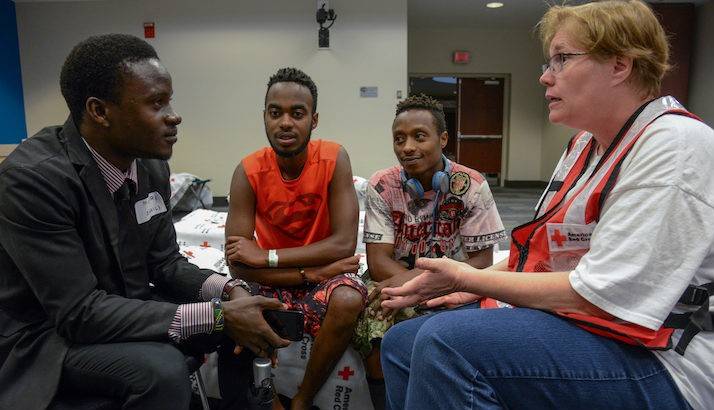
- Talk it out! Talk about feelings and thoughts with somebody you trust such as your parents or another relative, a school counselor or a spiritual leader. Talking makes it easier to work through what happened and deal with the pain and fear.
- Ask for help when you need it. If you find that your feelings are still as strong and you are still having nightmares or physical problems in four to six weeks, you should ask your parents to find someone else you can talk to who will help you sort through your feelings.
- Listen to other people.
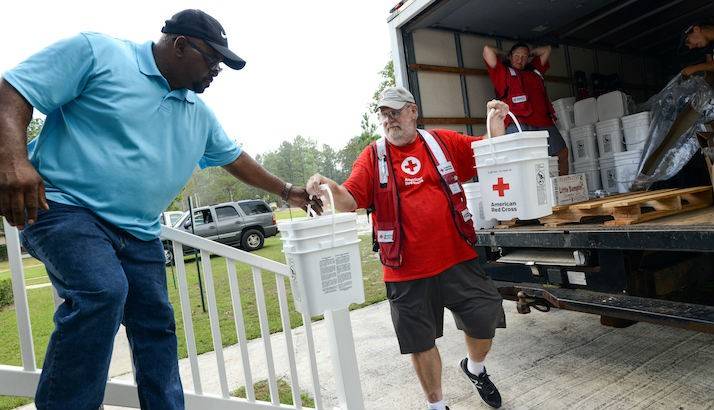
- Be especially kind to others. Reassure yourself that there is kindness and caring in the world. Offer your assistance to someone who needs help.
- Spend time with your family.
- Return to your usual routine.
- Sit under a tree, look at a brook, lake, river or ocean.
- Remind yourself of other times when you were afraid. Remember that you were able to deal with that fear and that it doesn't last forever.
- Do something that could help others ¾ take a first aid or CPR class.
|