By Khristian Vickers
When Toya Robinson was 11 years old, she raised her hand during a classroom discussion, proudly sharing that she lived with sickle cell disease. What followed left her counting the years she thought she had left.
Toya remembers the moment clearly.
A teacher stood in front of her class and told students with sickle cell disease they likely would not live past 16.
Today, nearly three decades later, Toya is proving that prediction could not have been more wrong.
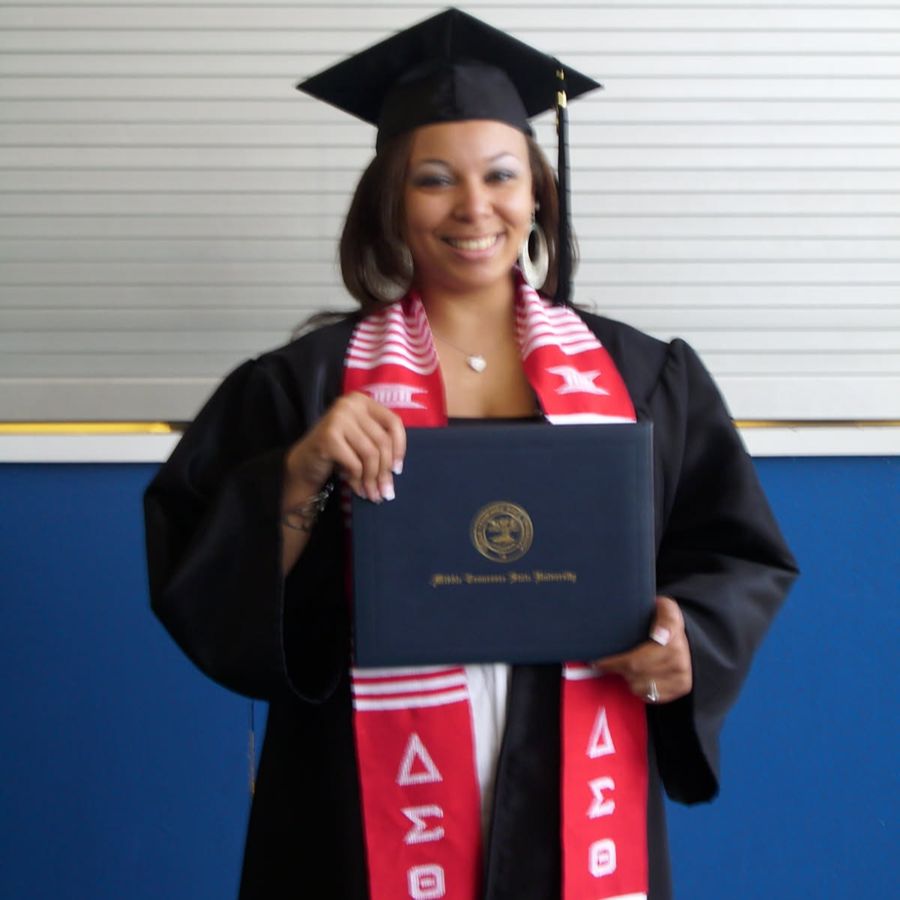
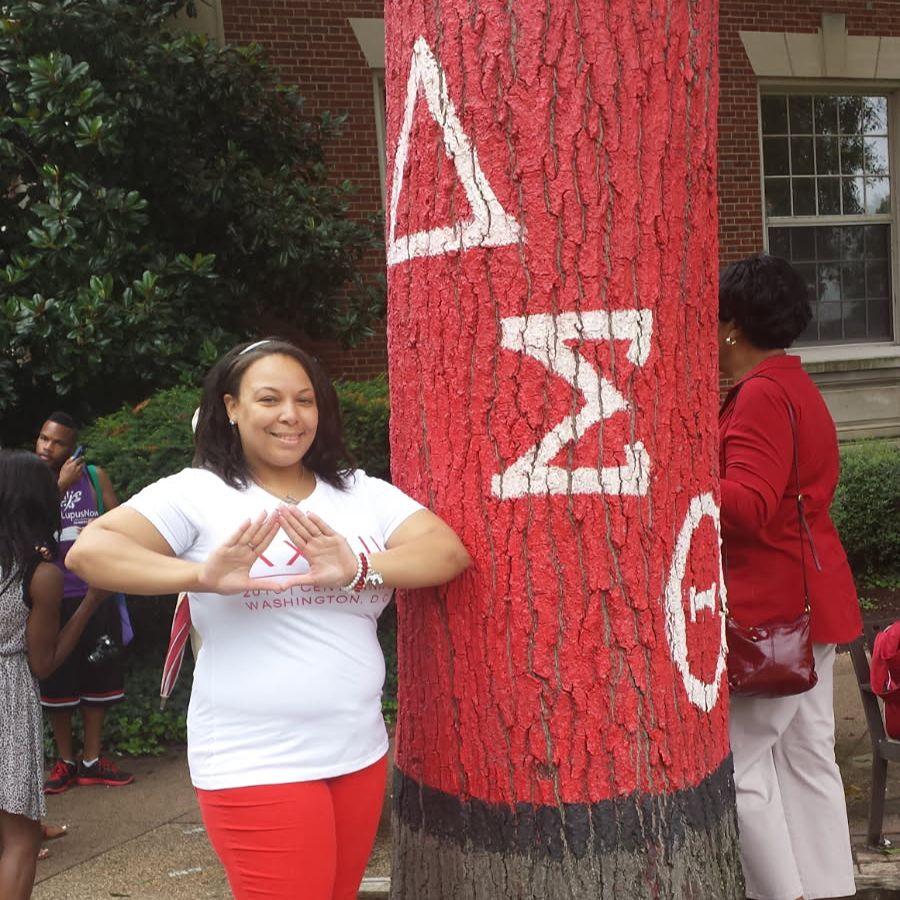
A wife, mother, public relations professional, organ and tissue donation advocate, Delta Sigma Theta Sorority Inc. member, and passionate community volunteer, Toya has spent her life refusing to let sickle cell disease define her future.
"If I had to describe myself in a few words, I'd say I'm always determined to beat the odds," she said.
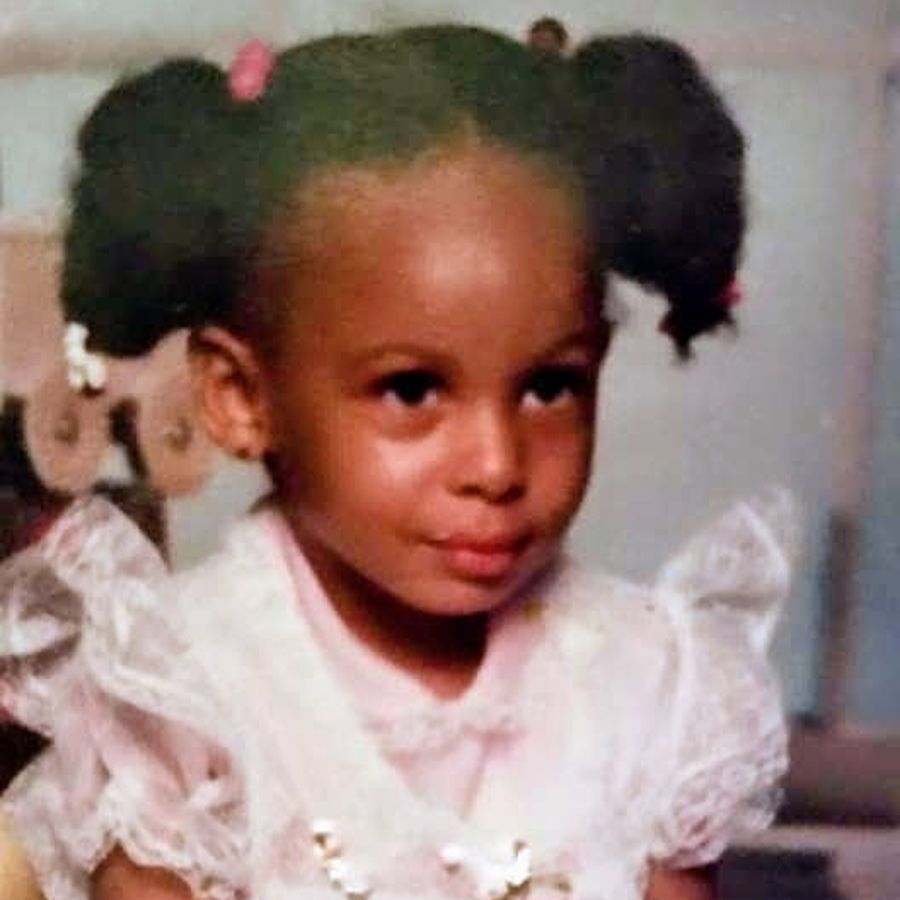
Diagnosed with sickle cell disease at age 6, Toya spent much of her childhood hearing about limitations rather than possibilities. Early conversations often focused on shortened life expectancy and the challenges that could lie ahead.
Everything changed when she became a patient at St. Jude Children's Research Hospital.
There, Toya received not only medical care, but also the education and support that helped reshape how she viewed her future.
"I learned that sickle cell isn't a death sentence," Toya said. "I learned that I had to manage it and not let it manage me."
Through education, research and support, she learned to understand her condition, recognize triggers and advocate for herself. More importantly, she learned that sickle cell disease would be part of her life, but it would not define it.
That lesson would shape every chapter that followed.
Long before beginning her career, Toya was already finding ways to serve others. Her passion for service eventually led her to Delta Sigma Theta Sorority, Inc.'s Iota Tau Chapter at Middle Tennessee State University, where she helped organize community service initiatives, including American Red Cross blood drives.
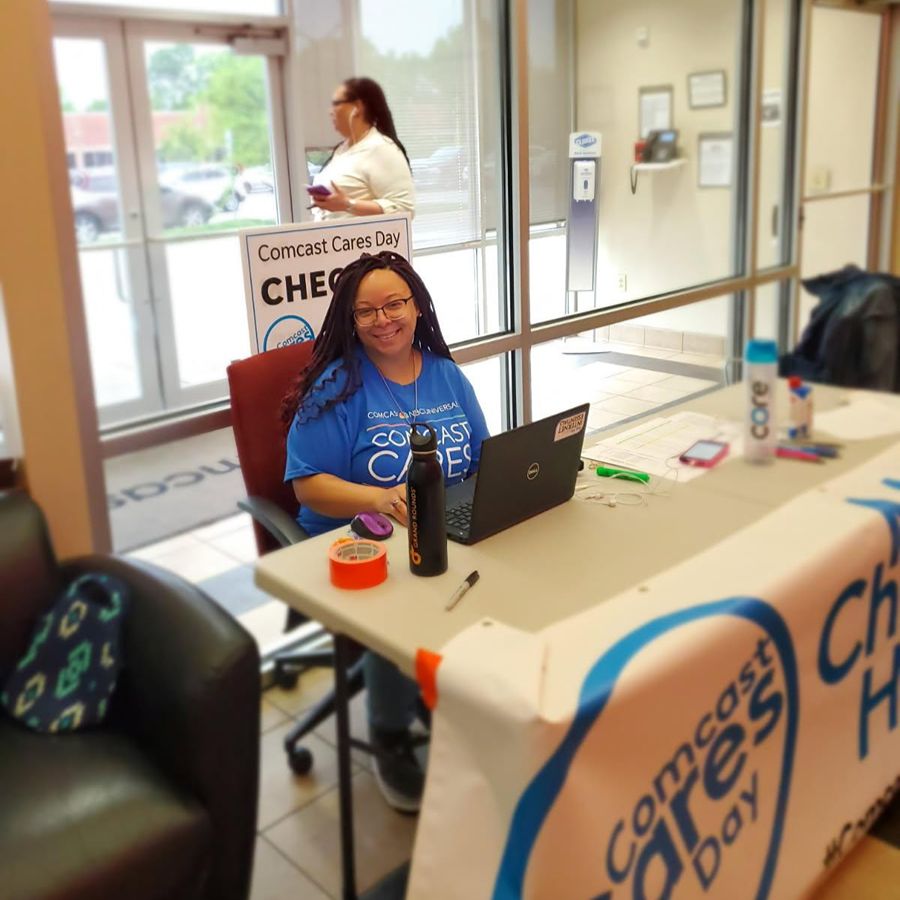
Her commitment to service continued throughout her professional career, from leading volunteer efforts to creating opportunities for community engagement wherever she worked.
Today, she works for DCI Donor Services, helping families navigate organ and tissue donation decisions during some of the most difficult moments of their lives.
"I advocate for anything that can save or enhance a life," Toya said. "People don't think they have a need until they have a need. You don't think you need a blood transfusion until you need a blood transfusion. You don't think you need a bone graft until you need a bone graft. Most people assume those things happen to someone else. Then one day it's their family member, their friend or themselves sitting in a hospital room, and they realize just how important blood, organ and tissue donations really are."
That perspective comes from personal experience.
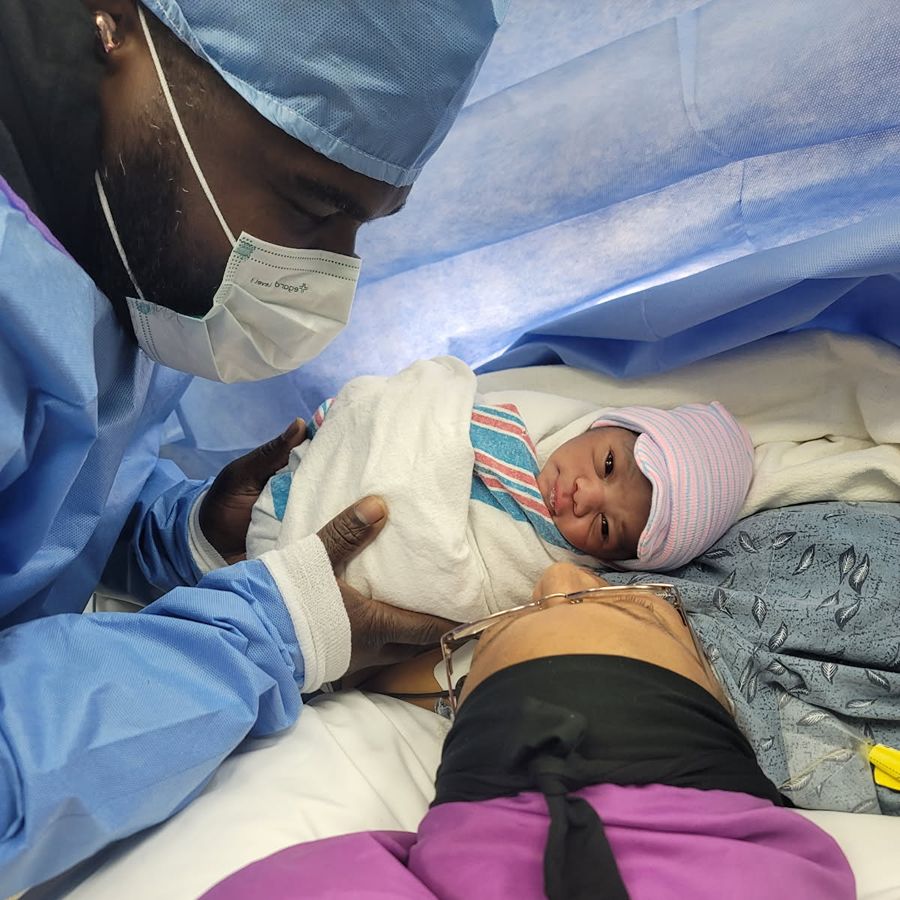
For years, Toya had been told that having children might not be possible because of her sickle cell disease. After marrying her husband, she learned that the future she once questioned was possible after all.
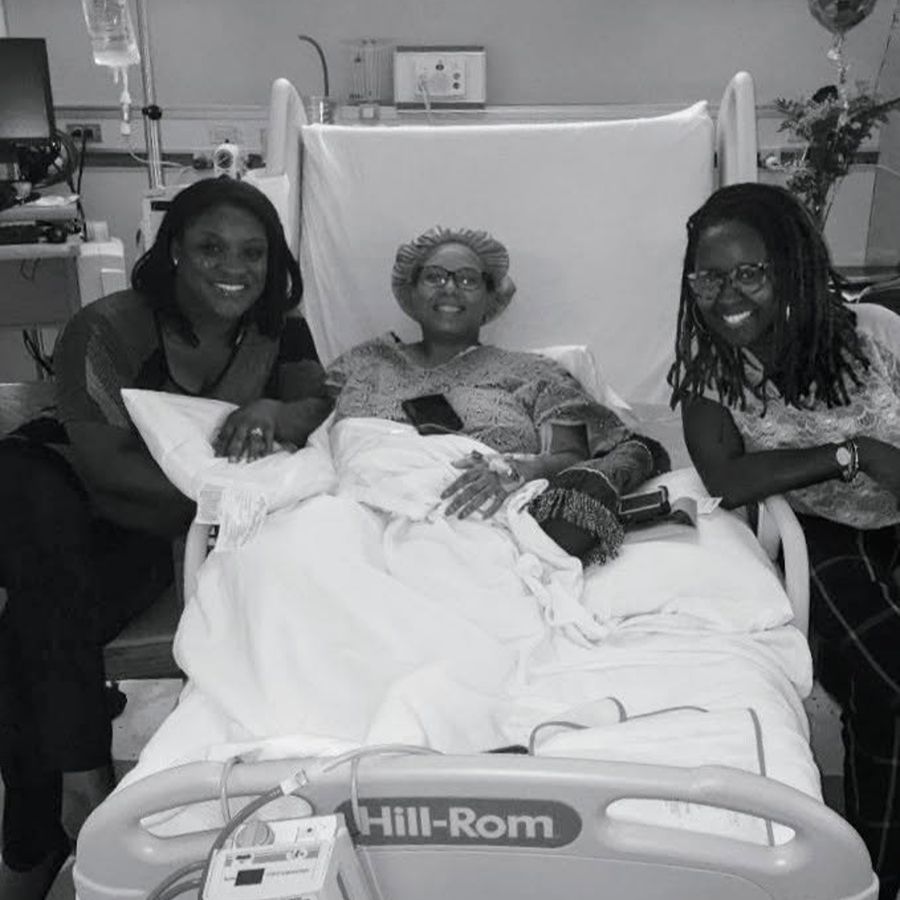
Near the end of her pregnancy, a routine appointment revealed her blood levels had dropped dangerously low, requiring an unexpected hospital stay and blood transfusions.
The blood she received stabilized her condition and helped ensure the safe delivery of her child.
"If they didn't have the blood to give me, I wouldn't have been able to survive it," Toya said. "My child wouldn't be here today."
For her, the impact of volunteer blood donors is not theoretical. It is deeply personal.
"To me, it literally means saving my life," she said. "Someone was willing to give their blood to save my life."
As someone who has relied on blood products, Toya understands that every donation represents far more than a unit of blood on a hospital shelf. It represents hope for patients facing surgeries, medical emergencies and chronic conditions such as sickle cell disease.
"People don't realize that they're creating something lifesaving," she said. "It costs you nothing, but it could mean everything to someone else."
She is especially passionate about encouraging people to become regular blood donors.
A single donation can help patients in a moment of crisis, but consistent donors help ensure blood is available every day for people who depend on it.
"If you're not a donor, become a donor," Toya said. "If you're considering it and you're not sure about it, take a moment to do the research and educate yourself. Education has broken so many barriers."
Today, advances in treatment have significantly improved Toya's quality of life, and she continues supporting research efforts that may create even greater opportunities for future generations living with sickle cell disease. Whenever possible, she shares her story in hopes of raising awareness, breaking stereotypes and encouraging others to help.
For someone who was once told she might never reach adulthood, Toya's life stands as a testament to resilience, medical progress, and the generosity of volunteer blood donors.
Because of those donors, she continues doing what she has always done: Beating the odds.
To learn more about the lifesaving role of black blood donors in the fight against sickle cell disease, visit redcrossblood.org.
Support all the urgent humanitarian needs of the American Red Cross.
Find a drive and schedule a blood donation appointment today.
Your time and talent can make a real difference in people’s lives. Discover the role that's right for you and join us today!