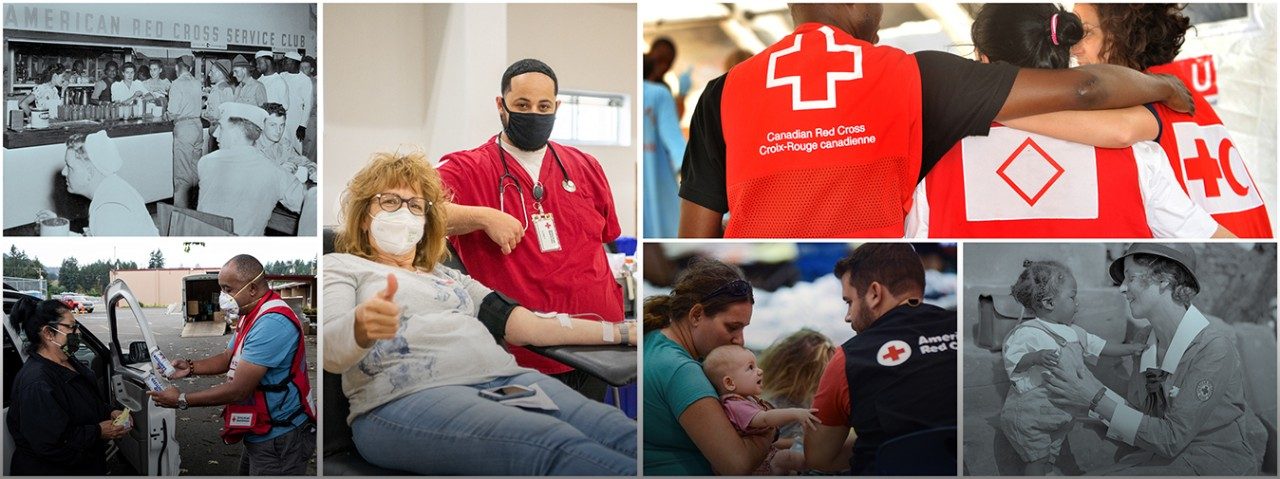
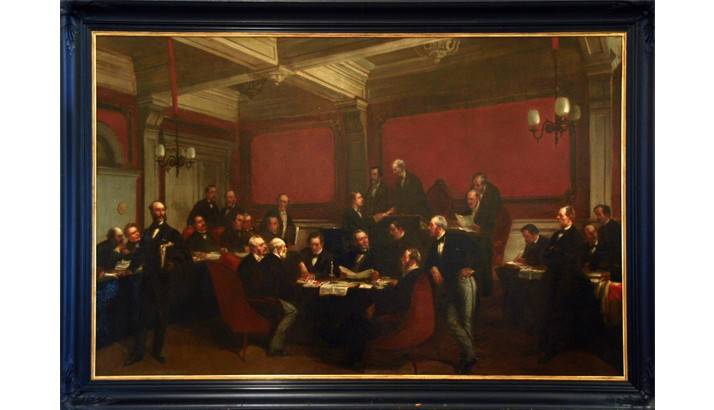
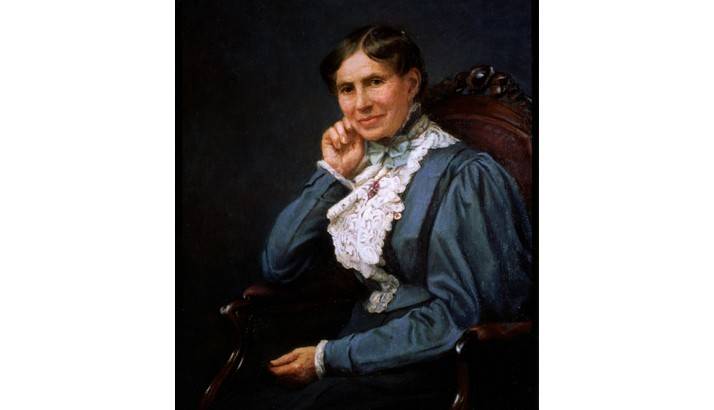
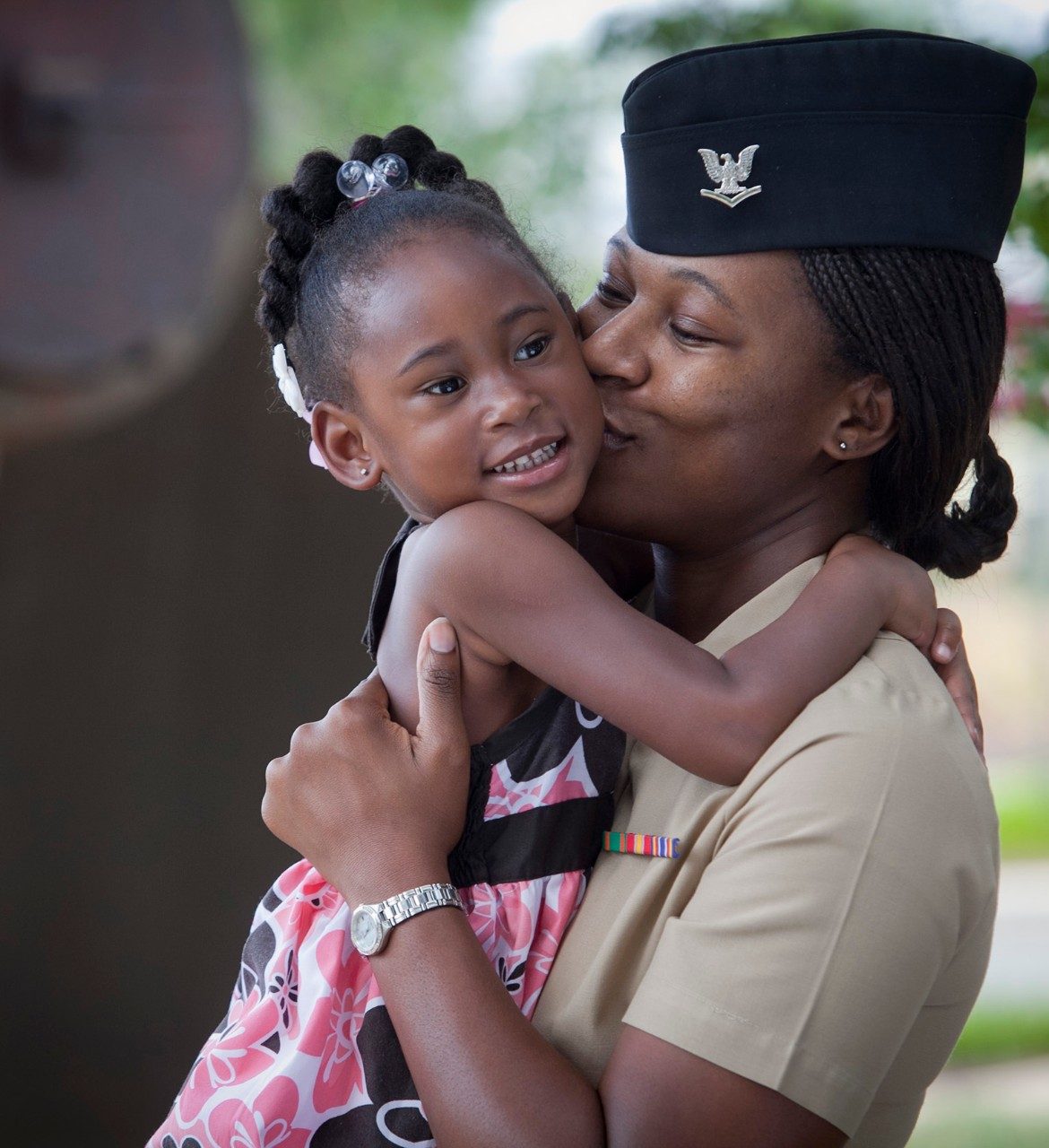
Since our founding by Clara Barton on May 21, 1881, the American Red Cross has been dedicated to serving people in need. We received our first congressional charter in 1900 and to this day we are tasked by the federal government with providing services to members of the American armed forces and their families as well as providing disaster relief in the United States and around the world.
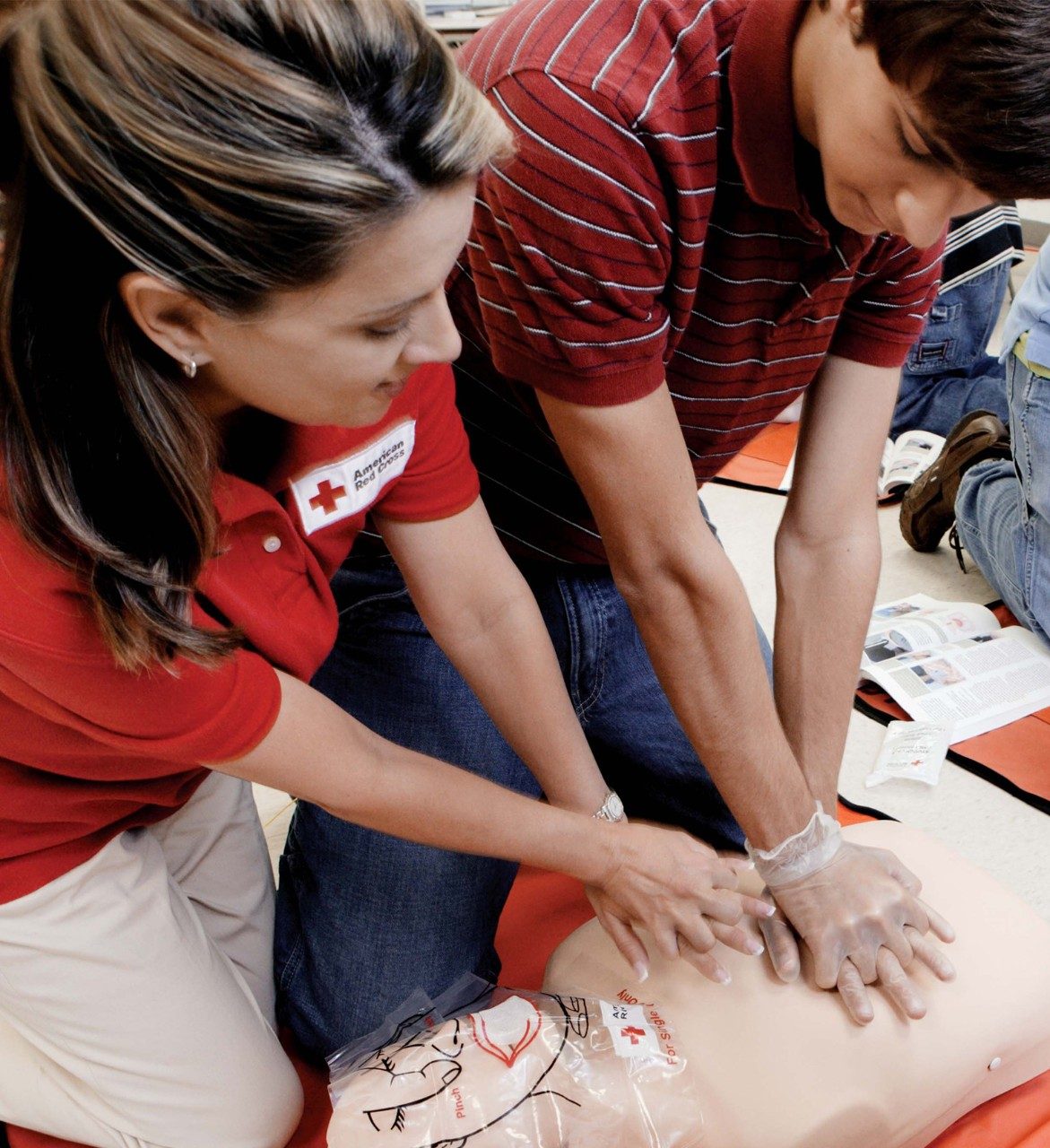
Even while the Red Cross adapts to meet the changing needs of the people we serve, we always stay true to those roots. Are you familiar with the classic images of Red Cross nurses helping American soldiers and civilian war victims during World War I? In fact, as you read this Red Cross staff and volunteers are still deploying alongside America’s military. Maybe you’ve taken a class through the Red Cross, such as first aid certification or how to swim. Did you know we’ve been offering similar training since the early 1900s? Have you ever given blood or received donated blood? The Red Cross developed the first nationwide civilian blood program in the 1940s and we still provide more than 40% of the blood products in this country.
Today, as throughout our long history, the Red Cross depends on generous contributions of time, blood, and money from the American public to support our lifesaving services and programs. We invite you to learn about our history and hope you will feel inspired to become more involved with the Red Cross.
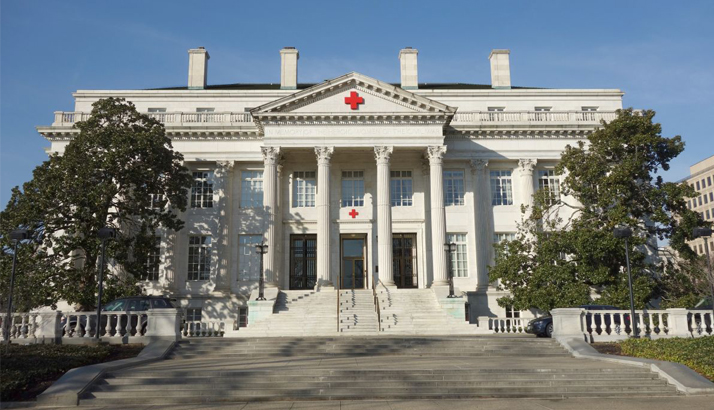
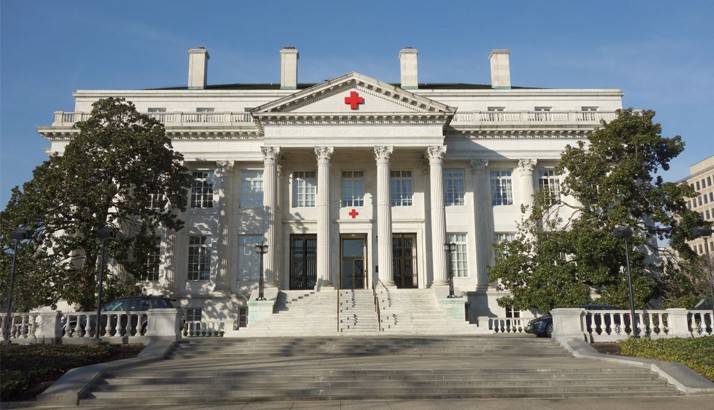
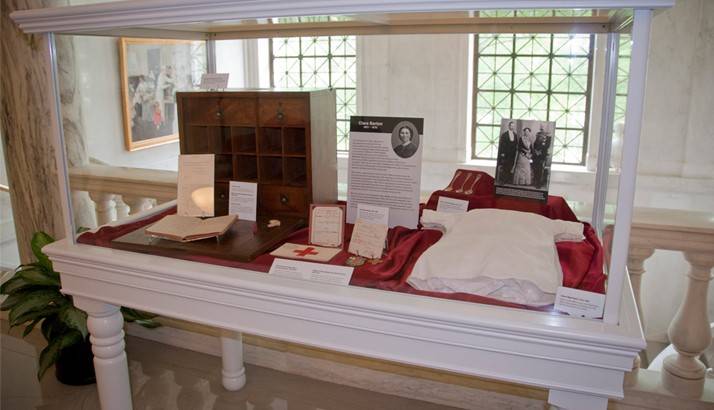
Free, guided tours of our National Headquarters at 430 17th Street, NW, Washington, DC are offered Wednesdays and Fridays at 11:00 a.m. and 2:00 p.m. by reservation only.
Tour Tips
Did you already take a tour? Please give us your feedback.


Public Health Nursing
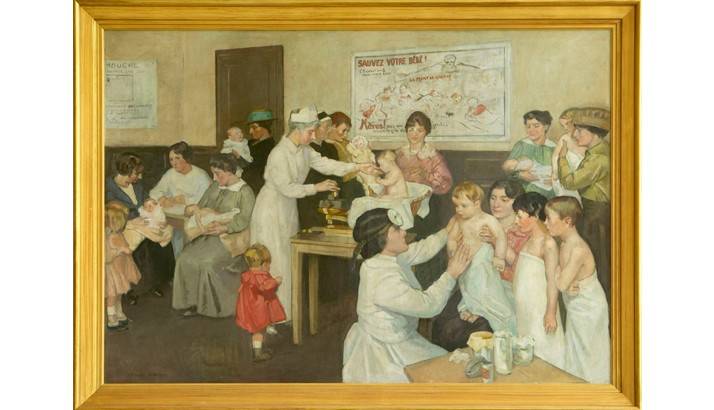
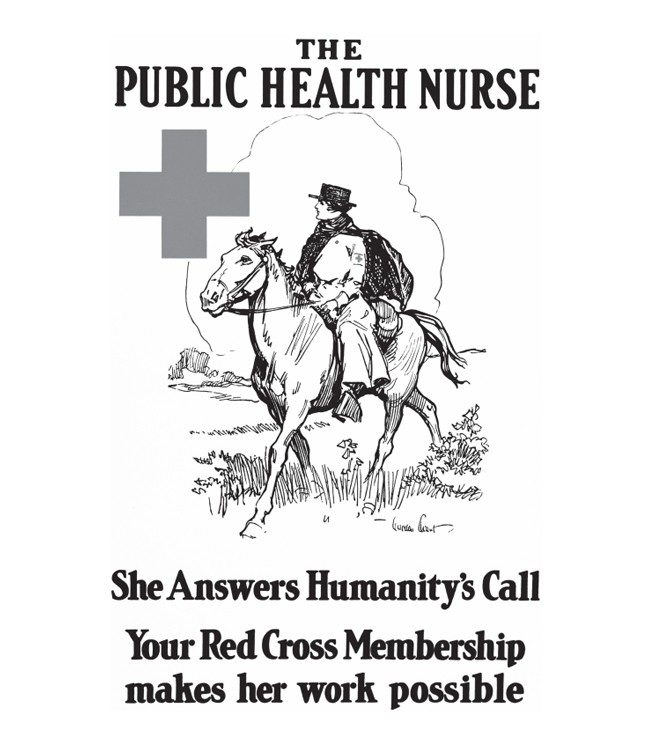
Established in 1912, public health nursing provided first aid education and nursing care to underserved communities. In some rural communities, nurses traveled by horseback to reach remote locations.
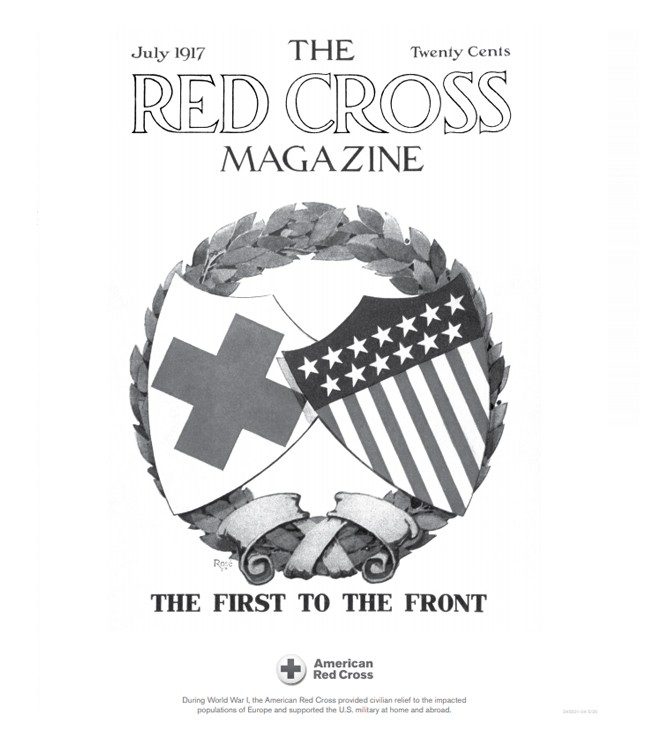
Red Cross Magazine Cover 1917
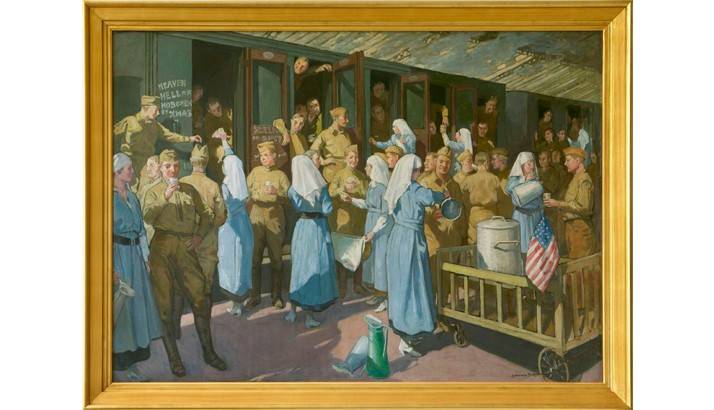
During World War I, the American Red Cross provided civilian relief to the impacted populations of Europe and supported the U.S. military at home and abroad.

Red Cross Poster 1918
This 1918 American Red Cross poster, by Harrison Fisher, with the slogan I Summon You to Comradeship in the Red Cross is an iconic example of World War I era poster art.
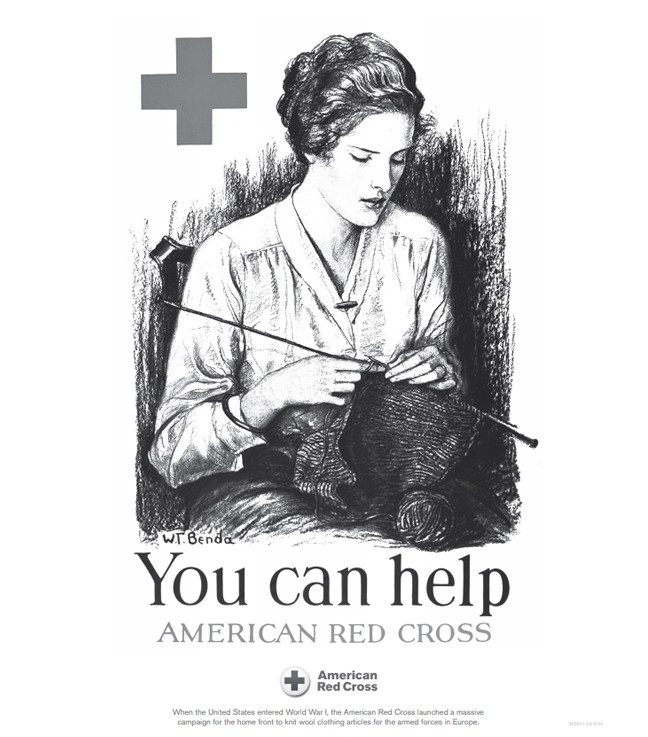
You Can Help Poster WW1
When the United States entered World War I, the American Red Cross launched a massive campaign for the home front to knit wool clothing articles for the armed forces in Europe.
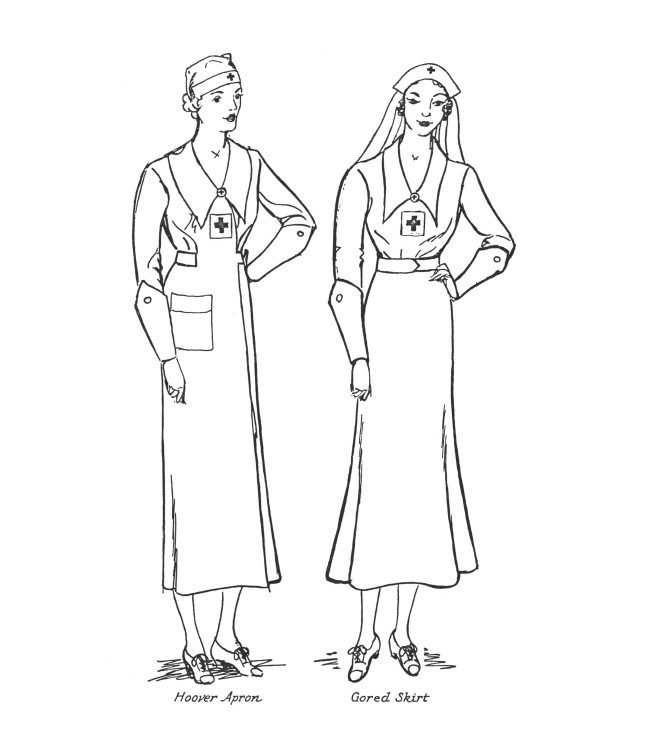
Volunteer Service 1936
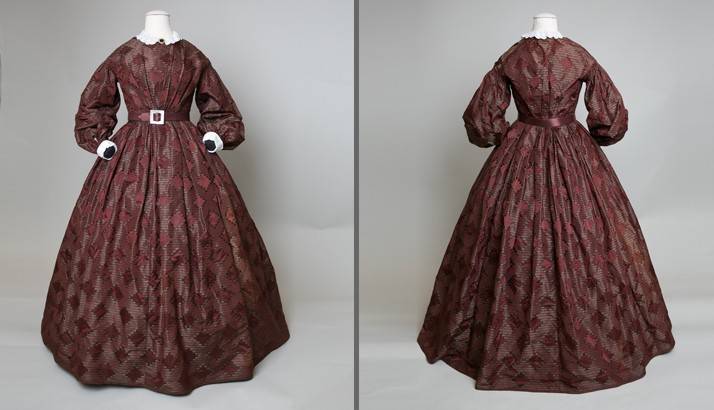
Volunteer Services uniforms with the hoover apron or paneled skirt mirrored the fashions of the period. Each volunteer service was assigned a color which was reflected in the detachable collar and cuffs.
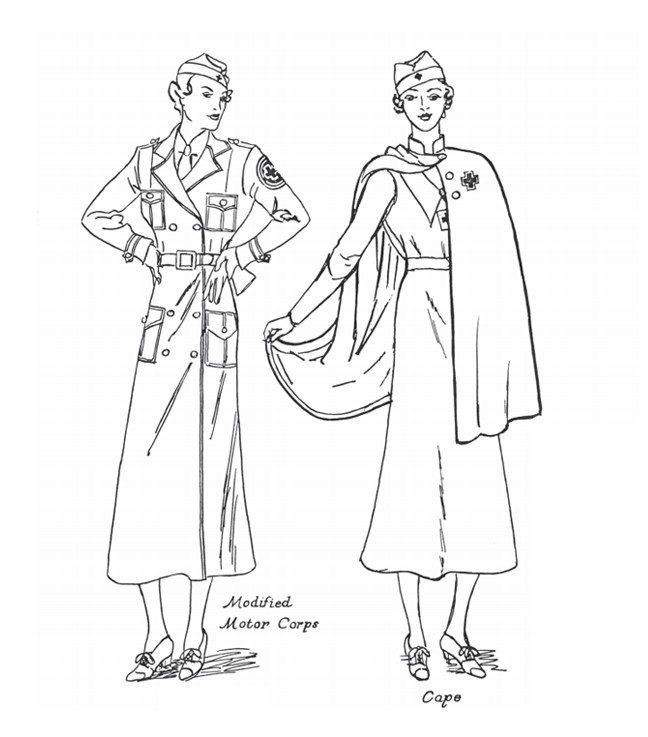
Motor Corps 1936
Red Cross uniforms followed the styles of the period with a military-inspired topcoat, gored or paneled skirt for the dress and a cape for the Red Cross motor corps uniform.
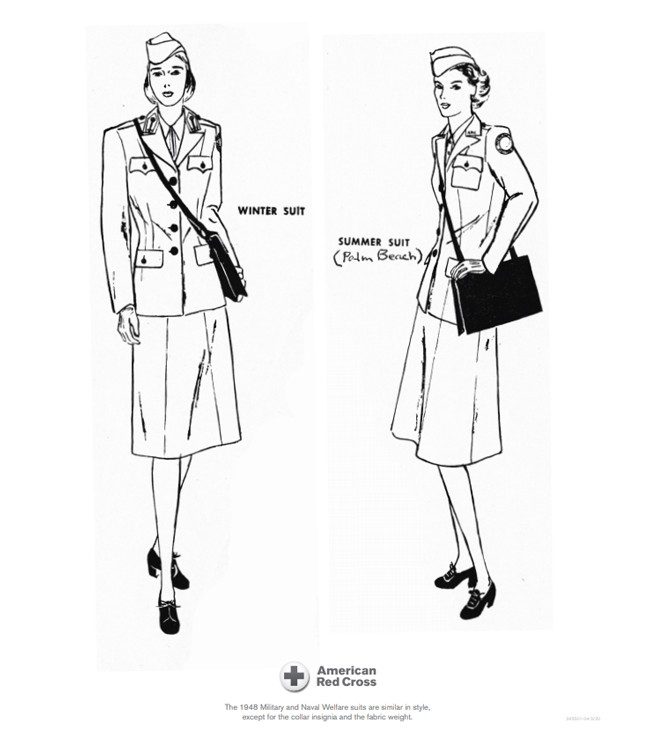
Military Suits 1948
The 1948 Military and Naval Welfare suits are similar in style, except for the collar insignia and the fabric weight.
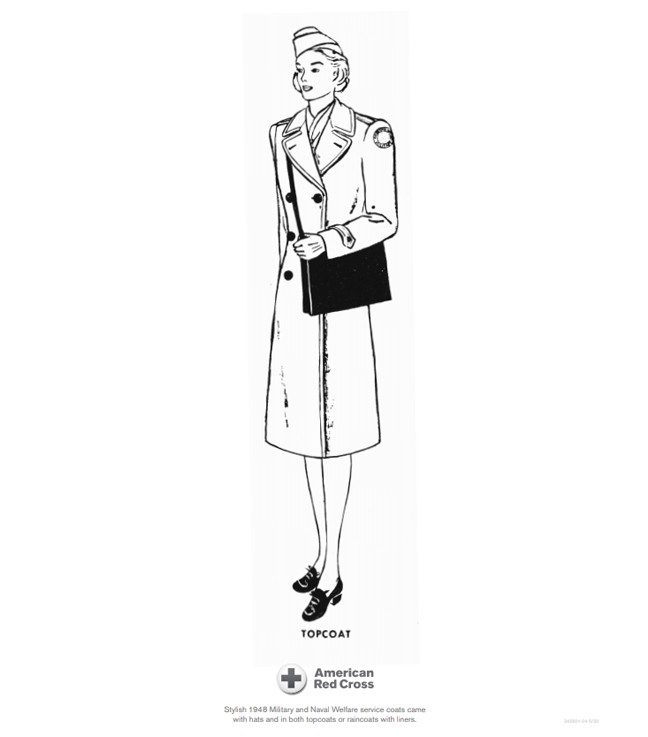
Top Coat 1948
Stylish 1948 Military and Naval Welfare service coats came with hats and in both topcoats or raincoats with liners.
For more information about our history, contact American Red Cross Historical Programs »

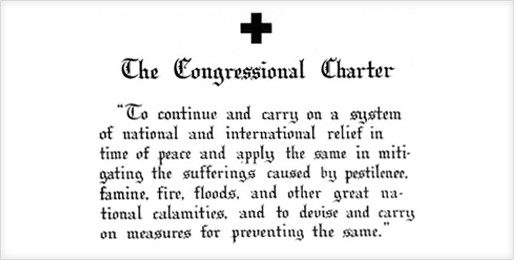
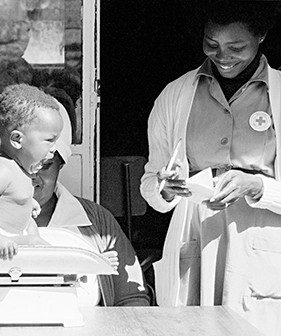
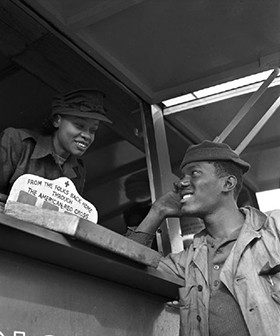
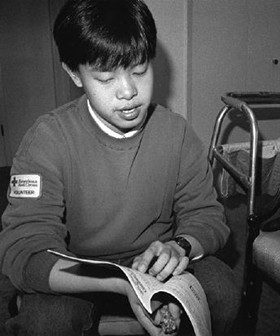
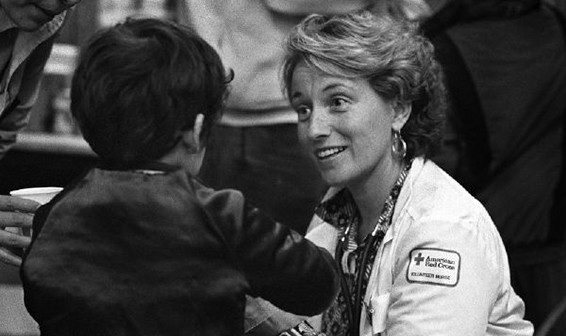
Explore our timeline to learn how our 5 service areas developed over more than a century.


"The Red Cross…has often seemed to be the friendly hand of this nation, reaching across the sea to sustain its fighting men. "
- Gen. Dwight D. Eisenhower, Address to Congress, June 18, 1945
When the United States declared war on Germany, the American Red Cross was tasked with aiding American servicemen in Europe. In addition to mobilizing more than 20,000 nurses and building 54 hospitals overseas, the Red Cross provided a way for patriotic men, women and children back home to contribute to war relief. By the end of the war, nearly one-third of all Americans had donated in support of the Red Cross effort or were serving as volunteers.
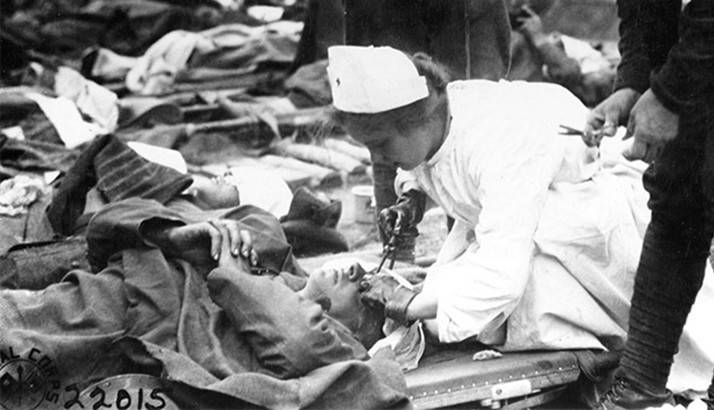
A Red Cross nurse in a field hospital in France ensures her patient has clean bandages.
The Red Cross mobilized in support of the U.S. military, our Allies and civilian victims of World War II. We enrolled more than 104,000 nurses for military service, prepared 27 million packages for prisoners of war, shipped more than 300,000 tons of supplies, and collected 13.3 million pints of blood for the armed forces. In nearly every American family, someone was a Red Cross volunteer, donor or blood donor, or received Red Cross services.
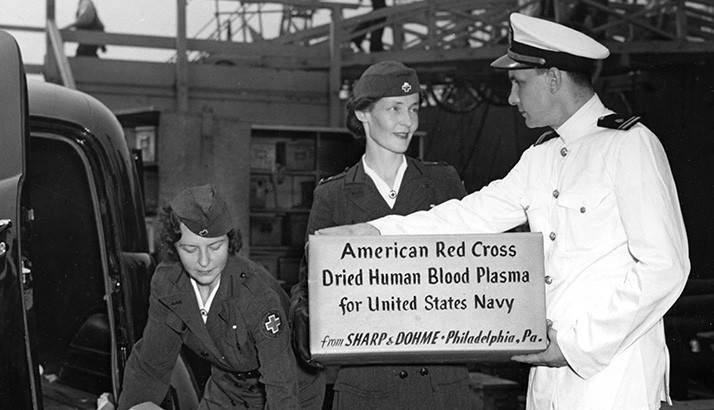
The Red Cross collected millions of pints of blood for the armed forces.
During the Korean Conflict, Red Cross services grew. The blood program for the military was expanded. The emergency mobile recreation service served all United Nations forces. Red Cross provided emergency communications from family members and facilitated calls and letters home from wounded service members. Following the 1953 armistice, the American and Korean Red Cross societies ensured the transfer of nearly 90,000 prisoners of war.
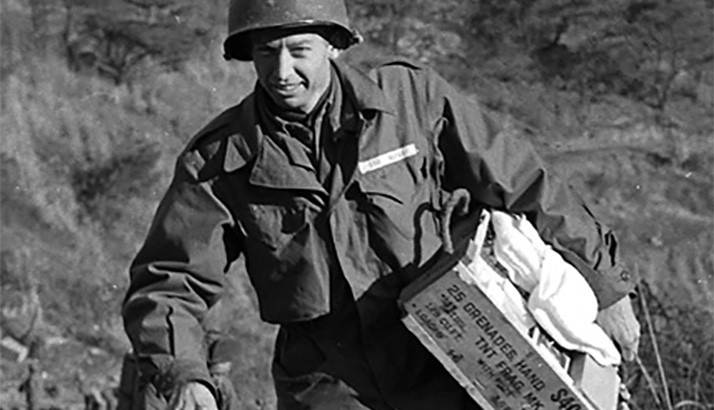
Assistant Field Director “Pete” Murray carries comfort supplies in a hand grenade box.
Between 1965 and 1972, American Red Cross field directors, hospital personnel and recreation workers (“Donut Dollies”) served on military bases and in military hospitals and hospital ships throughout Southeast Asia. The Red Cross provided recreation activities for service members while facilitating more than 2 million emergency communications between service members and their families.
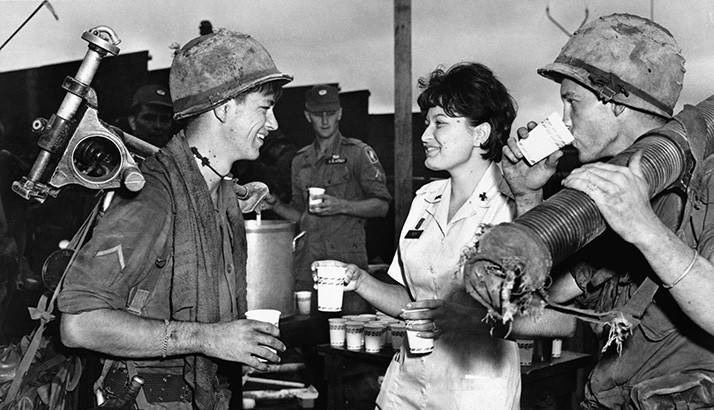
A “Donut Dollie” offers coffee to soldiers taking a break from the fighting.
When the United States declared war on Germany, the American Red Cross was tasked with aiding American servicemen in Europe. In addition to mobilizing more than 20,000 nurses and building 54 hospitals overseas, the Red Cross provided a way for patriotic men, women and children back home to contribute to war relief. By the end of the war, nearly one-third of all Americans had donated in support of the Red Cross effort or were serving as volunteers.
A Red Cross nurse in a field hospital in France ensures her patient has clean bandages.
The Red Cross mobilized in support of the U.S. military, our Allies and civilian victims of World War II. We enrolled more than 104,000 nurses for military service, prepared 27 million packages for prisoners of war, shipped more than 300,000 tons of supplies, and collected 13.3 million pints of blood for the armed forces. In nearly every American family, someone was a Red Cross volunteer, donor or blood donor, or received Red Cross services.
The Red Cross collected millions of pints of blood for the armed forces.
During the Korean Conflict, Red Cross services grew. The blood program for the military was expanded. The emergency mobile recreation service served all United Nations forces. Red Cross provided emergency communications from family members and facilitated calls and letters home from wounded service members. Following the 1953 armistice, the American and Korean Red Cross societies ensured the transfer of nearly 90,000 prisoners of war.
Assistant Field Director “Pete” Murray carries comfort supplies in a hand grenade box.
Between 1965 and 1972, American Red Cross field directors, hospital personnel and recreation workers (“Donut Dollies”) served on military bases and in military hospitals and hospital ships throughout Southeast Asia. The Red Cross provided recreation activities for service members while facilitating more than 2 million emergency communications between service members and their families.
A “Donut Dollie” offers coffee to soldiers taking a break from the fighting.
Support all the urgent humanitarian needs of the American Red Cross.
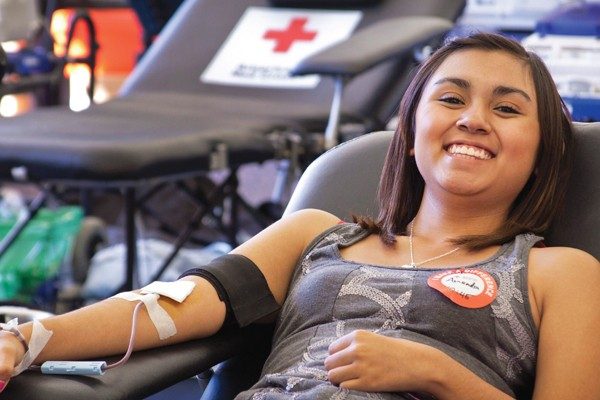
Find a drive and schedule a blood donation appointment today.
Take a class and be ready to respond if an emergency strikes.