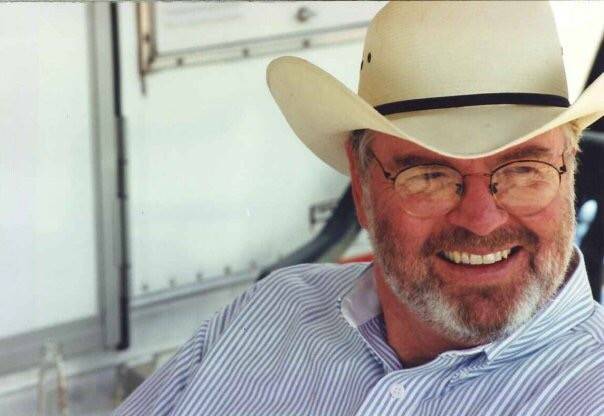
For much of his life, John Conely has understood the importance of giving blood.
John grew up in Louisville, Kentucky, and began donating at an early age while working summers at a factory. The habit stayed with him through a career that took him across the country and around the world—from Maryland and Florida to Texas, California and Utah, as well as Japan and Hong Kong.
When John retired in 2014 at age 70, he found a new way to serve. A friend invited him to join the board of the American Red Cross chapter serving the Chattanooga area. A few years later, as the Red Cross expanded blood collection efforts in the community, John volunteered to lead the chapter’s blood services committee.
It was a natural fit for someone who had already spent decades rolling up his sleeve. John continued donating about every eight weeks and estimates that, over his lifetime, he gave hundreds of pints of blood.
Then, in January 2024, something changed. John went to donate as usual but learned his iron was too low. He had also begun feeling poorly. After several months of testing, doctors diagnosed him with myelodysplastic syndrome (MDS), a disorder affecting the bone marrow and production of healthy blood cells.
John began treatment, but his condition eventually progressed to acute myeloid leukemia. By then, he had lost 65 pounds and his blood counts had fallen to dangerously low levels.
After receiving discouraging opinions about his prognosis and treatment options, John and his youngest daughter, Katie, sought another opinion closer to home in Chattanooga. There, John began a new course of treatment—and blood transfusions became an essential part of keeping him alive.
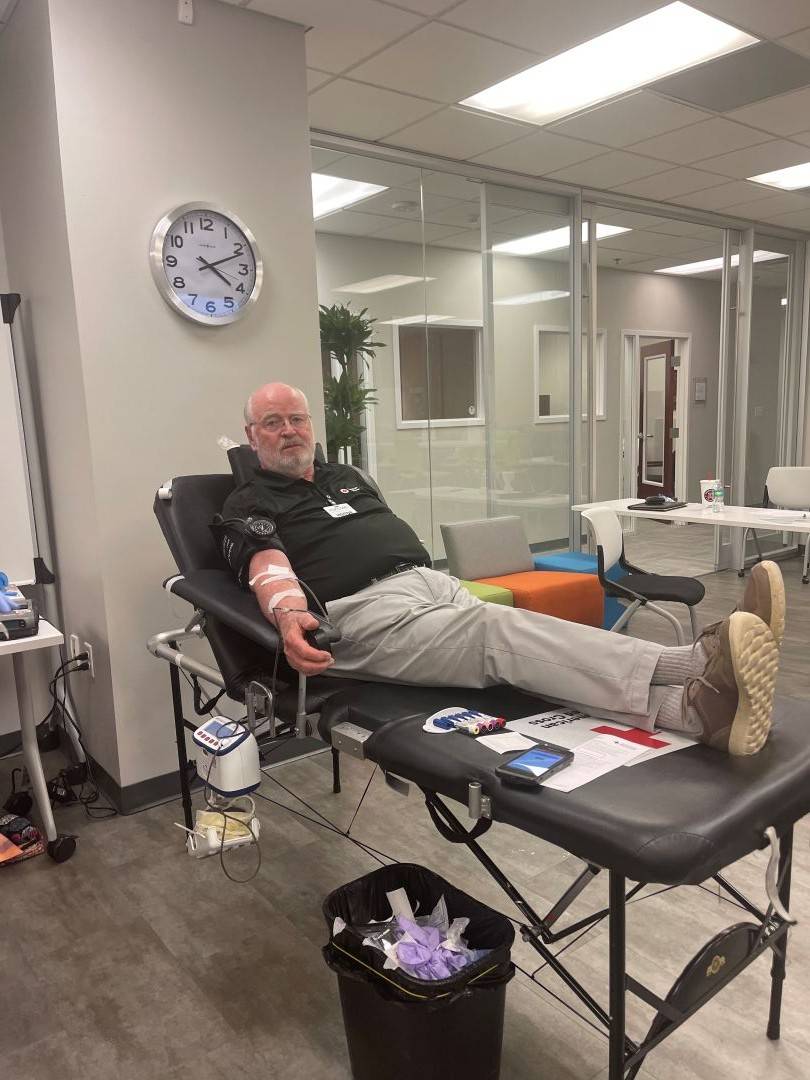
At age 80, the man who had donated hundreds of pints of blood was now receiving two or three transfusions each week. Those donations from people he would likely never meet sustained him while treatment took effect and his bone marrow began producing healthy cells again.
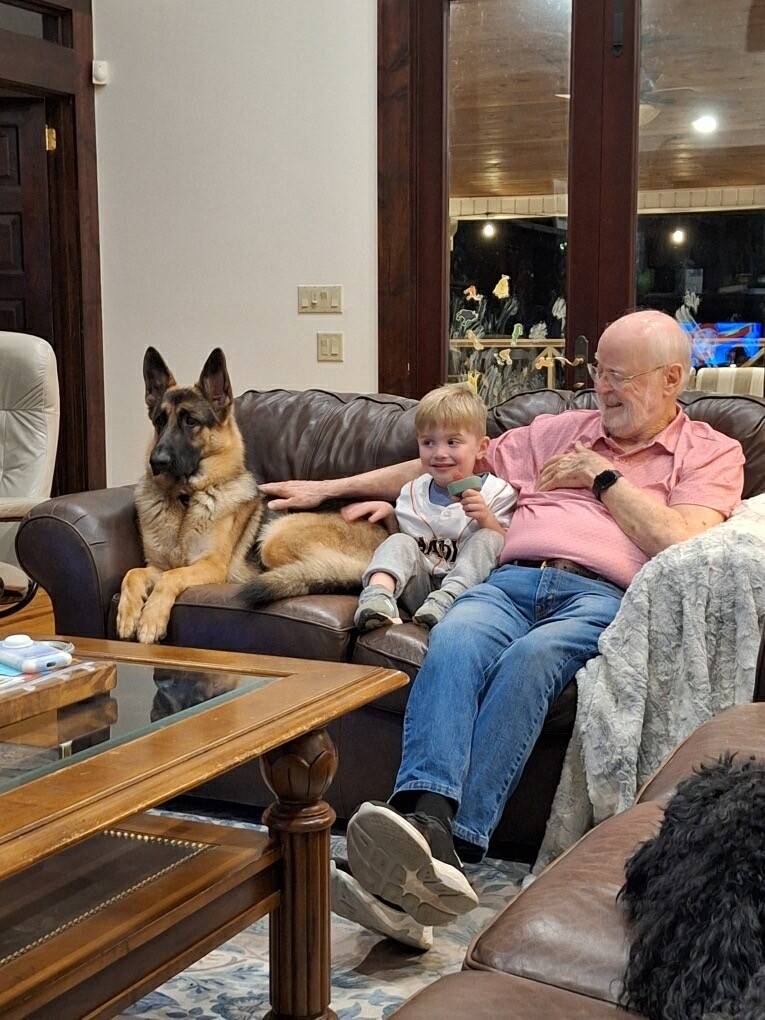
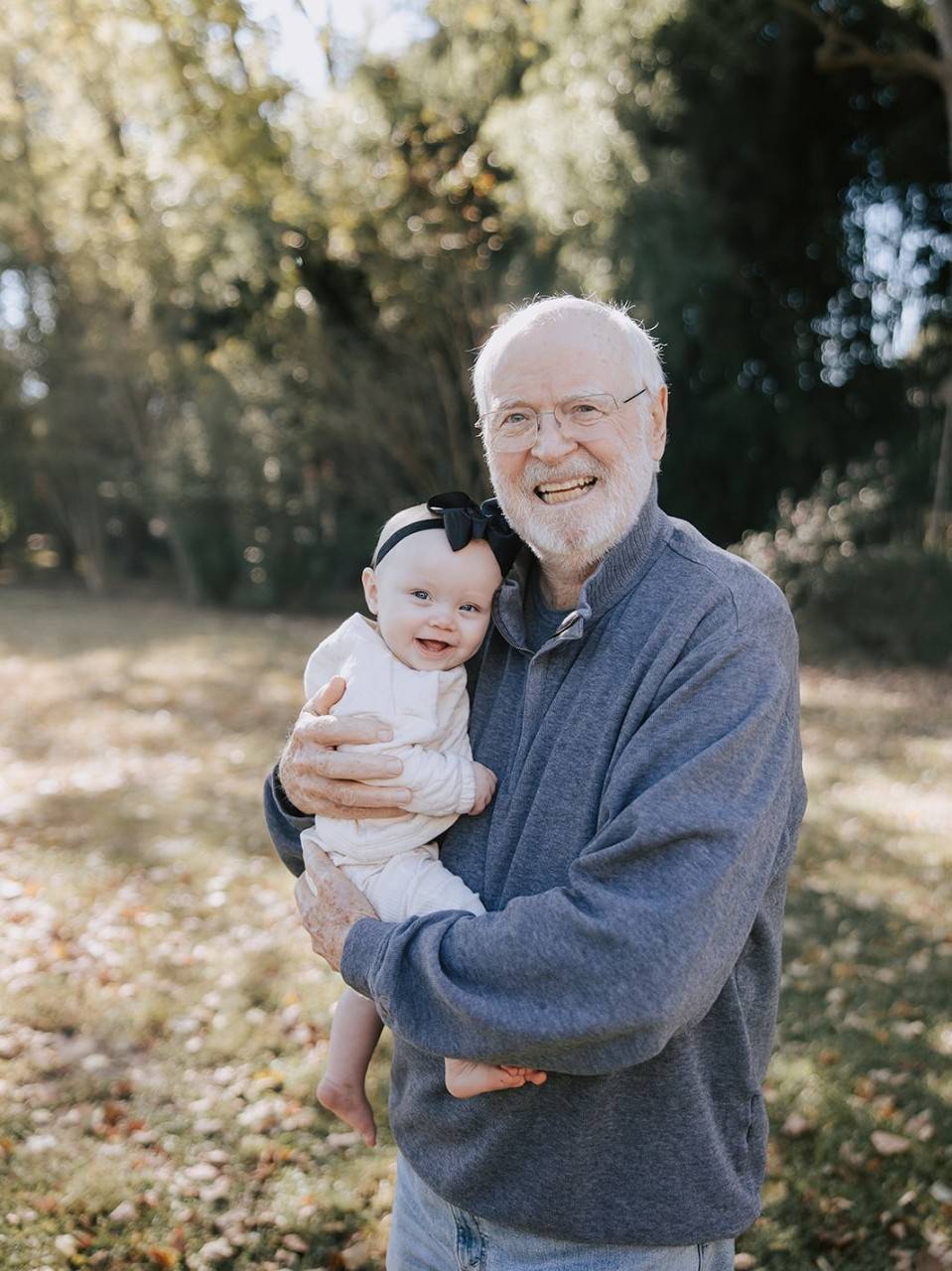
Today, John is feeling well. Recent tests have brought encouraging news, his oncology appointments have decreased from weekly to monthly, and he is back outside doing yard work and even occasionally riding his horses.
For decades, John gave blood never knowing whose life his donation might touch. When he needed that same gift himself, other donors were there for him.
His story is a powerful reminder of what happens every time someone rolls up a sleeve: we give for people we may never know, trusting that when someone needs it most, blood will be there.
If you are interested in making a lifesaving blood donation visit redcrossblood.org, call 1-800-RED-CROSS or download the free Red Cross Blood Donor App.
Support all the urgent humanitarian needs of the American Red Cross.
Find a drive and schedule a blood donation appointment today.
Your time and talent can make a real difference in people’s lives. Discover the role that's right for you and join us today!