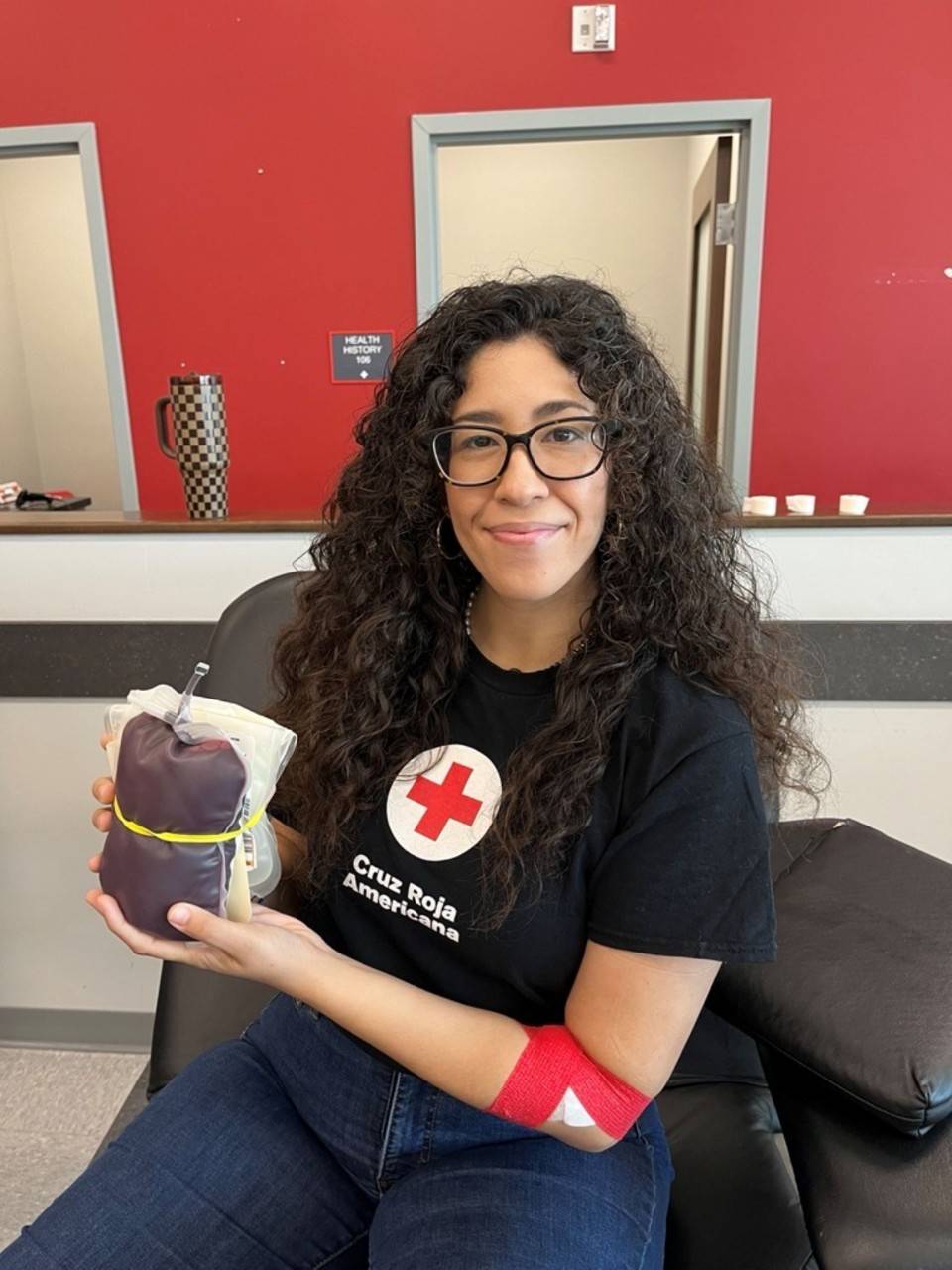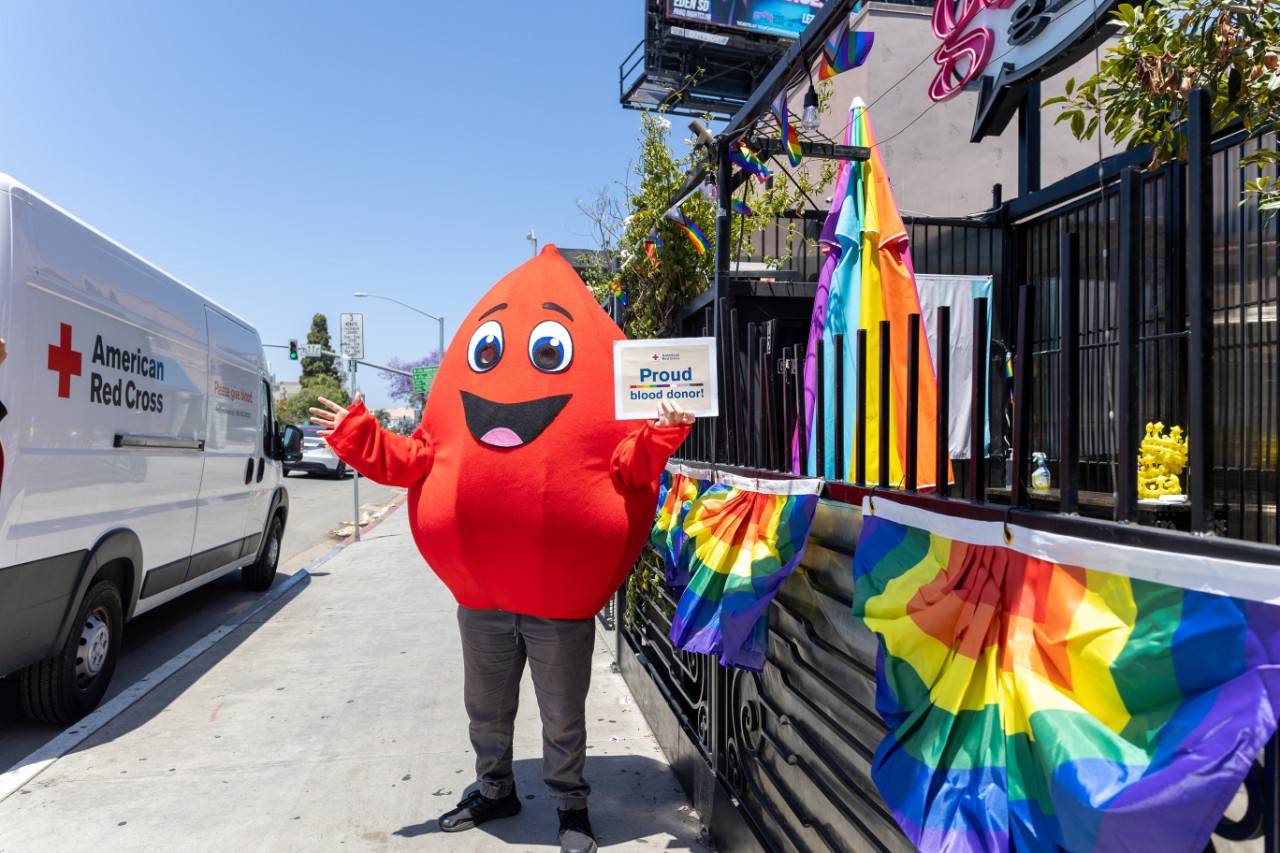
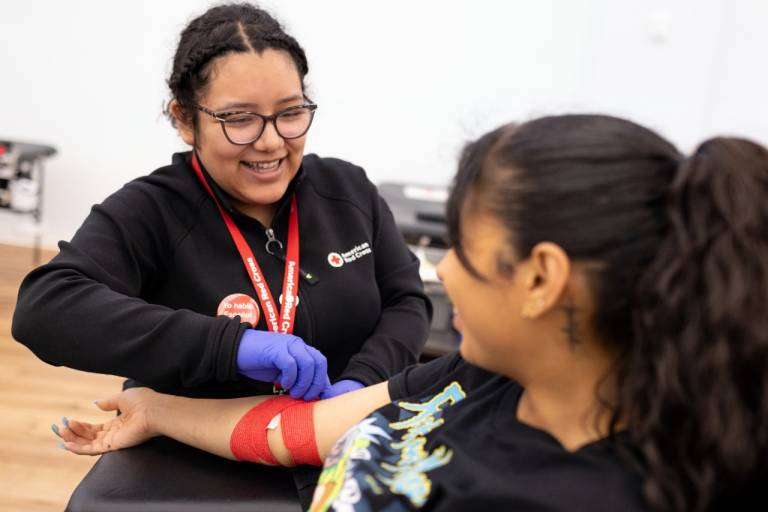
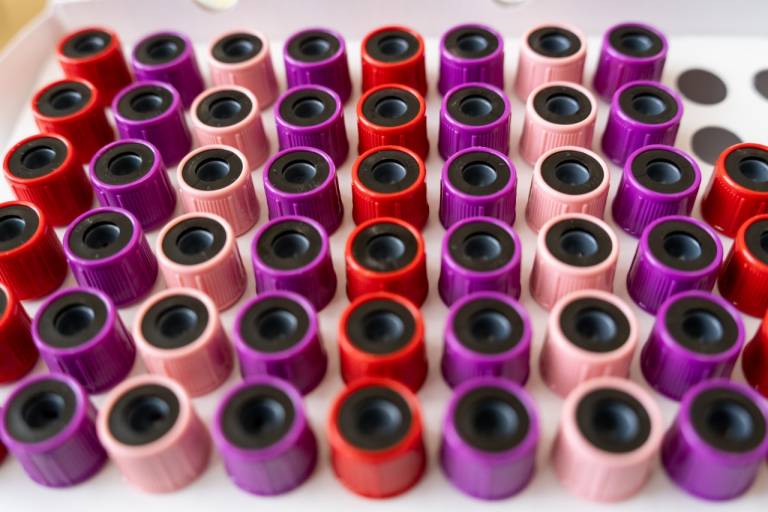
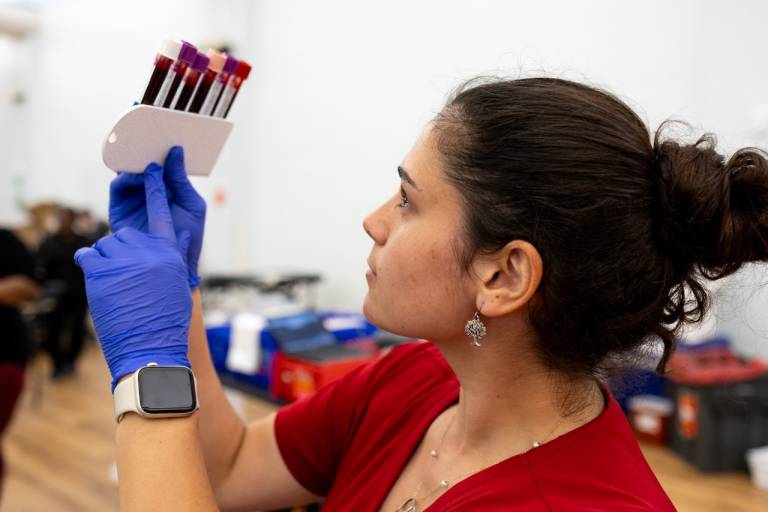
The American Red Cross is offering free A1C testing to blood and platelet donors throughout November, helping individuals learn more about their health while they help save lives.
In honor of National Diabetes Awareness Month, those who donate blood or platelets with the Red Cross during November will receive a a free A1C test. The A1C test is commonly used to diagnose and monitor diabetes, and measures a person's average blood sugar levels over three months.
Data from the Red Cross shows that one in five donors have elevated A1C levels, a finding that suggests the presence of prediabetes or diabetes among adults who generally consider themselves healthy. Since launching the initiative, the Red Cross has provided A1C results to more than 1.3 million donors, with over 250,000 receiving notifications of elevated levels.
To help explain why this test matters and what the results can mean, Dr. Maribel García Colón, a medical director with the American Red Cross, shares some key information.
1. What is diabetes?
Diabetes is a condition that affects how the body regulates blood sugar.
2. Can I prevent it? What are the symptoms?
One important lesson from our testing is that many people are living with prediabetes or diabetes without knowing it.
3. How do I know if I'm at risk for diabetes?
While anyone can develop type 2 diabetes, some people face a higher risk.
Factors that deserve special attention include:
If any of these risk factors apply to you, talk with your health care provider.
4. What should I do if I receive a high A1C result?
An elevated A1C result does not necessarily mean you have diabetes. However, it is an indication that you should follow up with a health care professional for a more comprehensive evaluation.
5. What should I do during a diabetes-related emergency?
Diabetic emergencies can happen when blood sugar levels become too high or too low. If you or someone in your household has diabetes, make sure those around you know how to recognize the warning signs and respond quickly.
Symptoms may include confusion, dizziness, difficulty speaking or walking, or appearing intoxicated. If someone has trouble breathing, experiences a seizure or becomes unresponsive, call 911 immediately. Keep emergency supplies and a quick source of sugar, such as juice or glucose tablets, readily available.
More Than a Blood Donation
Blood drives and donation centers allow the Red Cross to connect with people in their communities and provide valuable health information, including blood pressure readings, hemoglobin levels and A1C results.
For many individuals, this may be one of the few health screenings they receive all year, providing information they can discuss with their health care providers and helping identify health concerns earlier.
Schedule your blood, platelet or AB Elite plasma donation today. As a special thank you, donors can get up to $20 in Gift Cards! That’s a $10 Amazon Gift Card by email PLUS 500 bonus points, redeemable for a $10 e-gift card through Donor Rewards for all who come to give Oct. 19-Nov. 22. See RedCrossBlood.org/Maze for details.
About the American Red Cross:
The American Red Cross shelters, feeds and provides comfort to victims of disasters; supplies about 40% of the nation’s blood; teaches skills that save lives; distributes international humanitarian aid; and supports veterans, military members and their families. The Red Cross is a nonprofit organization that depends on volunteers and the generosity of the American public to deliver its mission. For more information, please visit redcross.org or CruzRojaAmericana.org, or follow us on social media.
Support all the urgent humanitarian needs of the American Red Cross.
Find a drive and schedule a blood donation appointment today.
Take a class and be ready to respond if an emergency strikes.