“Sickle cell does not take a season off, and neither does the need for blood."
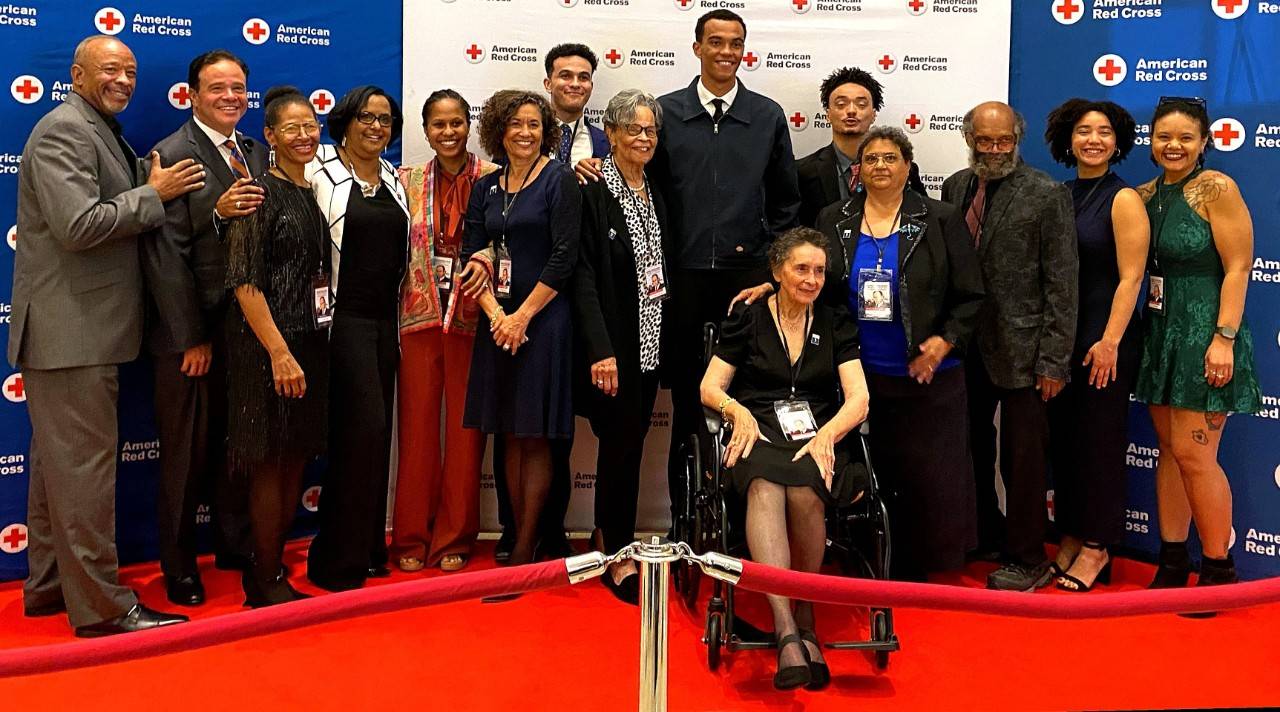
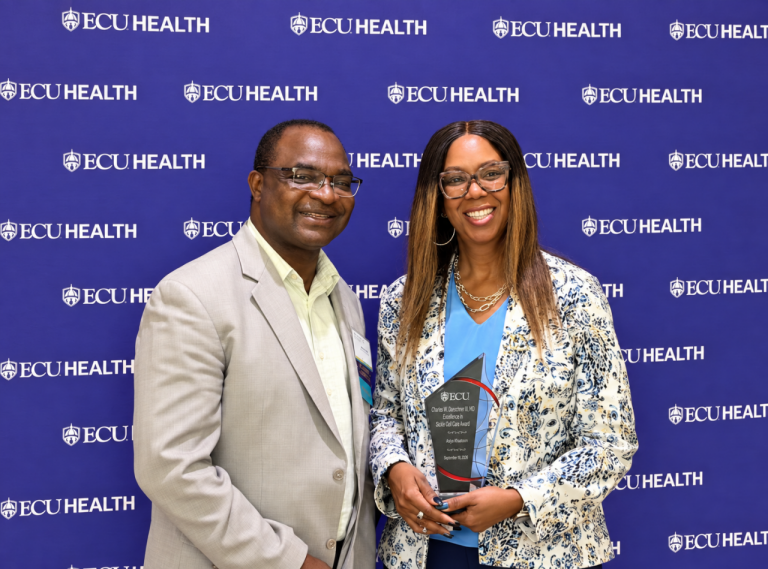
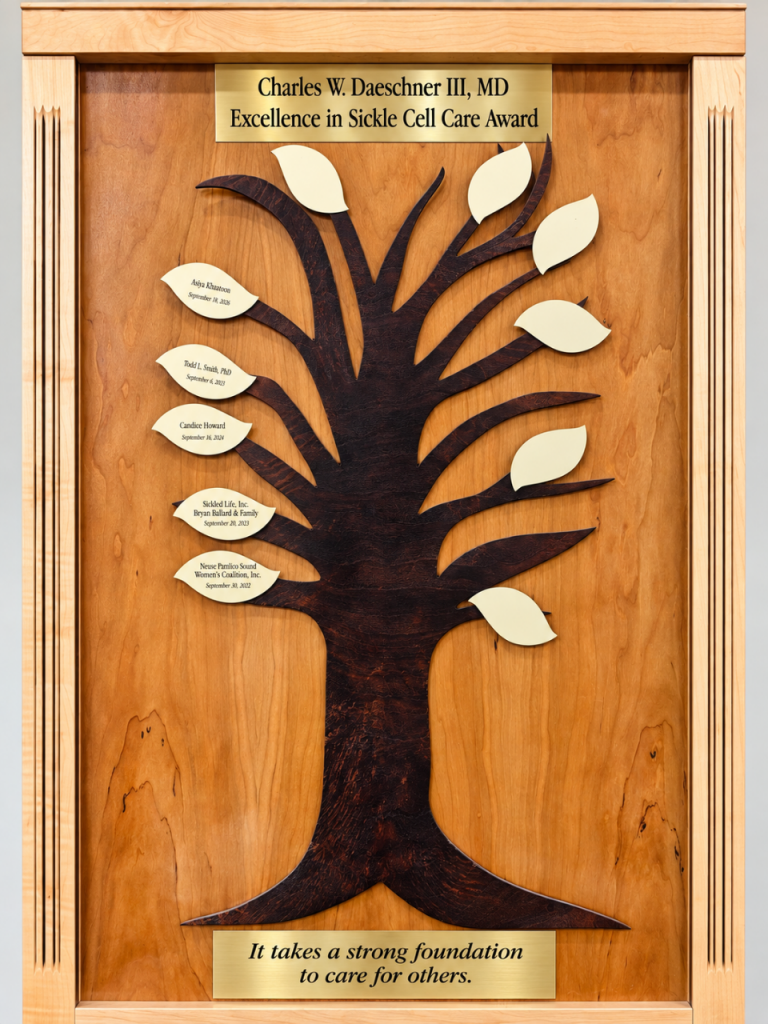
Seventeen years ago, Asiya Khaatoon walked into a pediatric hematology office in eastern North Carolina as a mother trying to learn everything she could about sickle cell disease. In September, she returned to that same medical community to accept the Dr. Charles W. Daeschner, III Excellence in Sickle Cell Care Award. Inside the East Carolina University (ECU) Pediatric Hematology and Oncology offices, where families bring children for sickle cell care, a tree is displayed. Each year, the award recipient’s name is etched on a new leaf and added to it, so every leaf bears the name of someone honored for serving that community. This year, the tree grew by one leaf, and it holds Asiya’s name.
“That is a place where families come carrying fear, questions, hope and sometimes exhaustion,” said Asiya. “I know that feeling because I have been that parent.”
Asiya is a division diversity senior program manager for the American Red Cross Southeast and Caribbean Division, where she supports the Red Cross Sickle Cell Initiative. The award, presented by the ECU Comprehensive Sickle Cell Program, honors individuals in eastern North Carolina who make significant contributions to the sickle cell community through advocacy, education and outreach.
A Mission That Is Personal
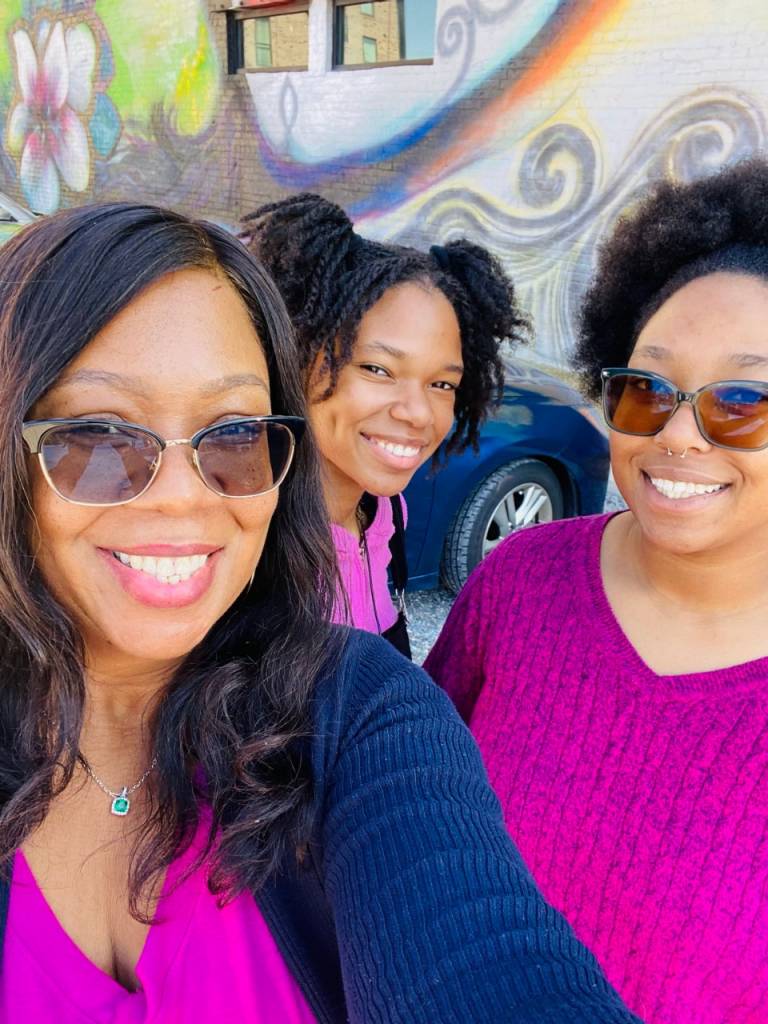
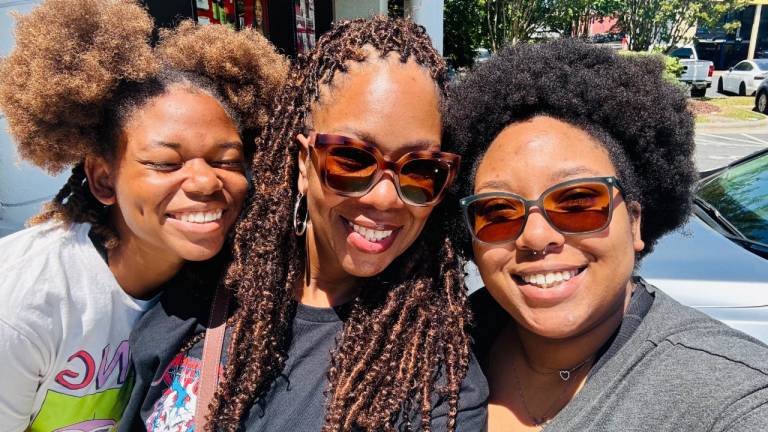
Asiya is the mother of three, including 19-year-old twins, and two of her daughters live with sickle cell disease. In the early years, she was learning about the disease, its complications and how to manage pain crises while raising her children and building a career as an associate director for a nonprofit, where she led community development programs. Then a posting for a Red Cross sickle cell account manager crossed her path.
“As a mother of children living with sickle cell disease, the mission was already deeply personal to me,” said Asiya. “The idea of being able to make a career out of work I was genuinely passionate about felt both purposeful and meant to be.”
She applied, and this December she will mark four years with the Red Cross.
“I understand that behind every request for blood is a person and a family who may be navigating pain, uncertainty and the ongoing realities of living with a condition that can require frequent transfusions,” said Asiya. “For me, every unit represents someone’s loved one, and that perspective shapes how I show up every day.”
More Than a Diagnosis
Asiya describes her daughters by who they are rather than what they manage. Her oldest, Sana, missed many days of school and had to stop dancing in high school. She went to work with her mother often, developed a love for business and is now building a career in it. Her youngest, Jade, is an artist who once said she hated when people learned about her diagnosis because they looked at her with pity. She has since played soccer, started her freshman year of college and taught herself to play guitar.
“What I am most proud of is that both of my daughters have chosen to keep living fully, dreaming, growing and moving forward despite the challenges they have faced,” said Asiya.
Caring for them has also shaped what she understands about families like hers.
“Families living with sickle cell disease need understanding, compassion, access to knowledgeable care and a strong support system,” said Asiya. “The disease can be unpredictable, and families are often managing pain crises, hospital visits, missed school or work and the emotional weight that comes with all of it. Families also need to feel heard and respected. They should not have to constantly explain or defend the seriousness of the disease.”
Why the Blood Supply Matters Now
Some people living with sickle cell disease depend on regular transfusions to treat severe anemia, prevent complications or manage serious episodes of illness.
“Sickle cell does not take a season off, and neither does the need for blood,” said Asiya.
That is especially true as the weather turns colder, when some patients experience more pain and complications. Every two and a half minutes, someone with sickle cell disease arrives at a U.S. emergency room, and nearly two out of three times, they are in severe pain. Behind every transfusion is a donor. Blood donors who are Black are three times more likely to be a match for these patients, and a single patient may need up to 100 pints of blood a year.
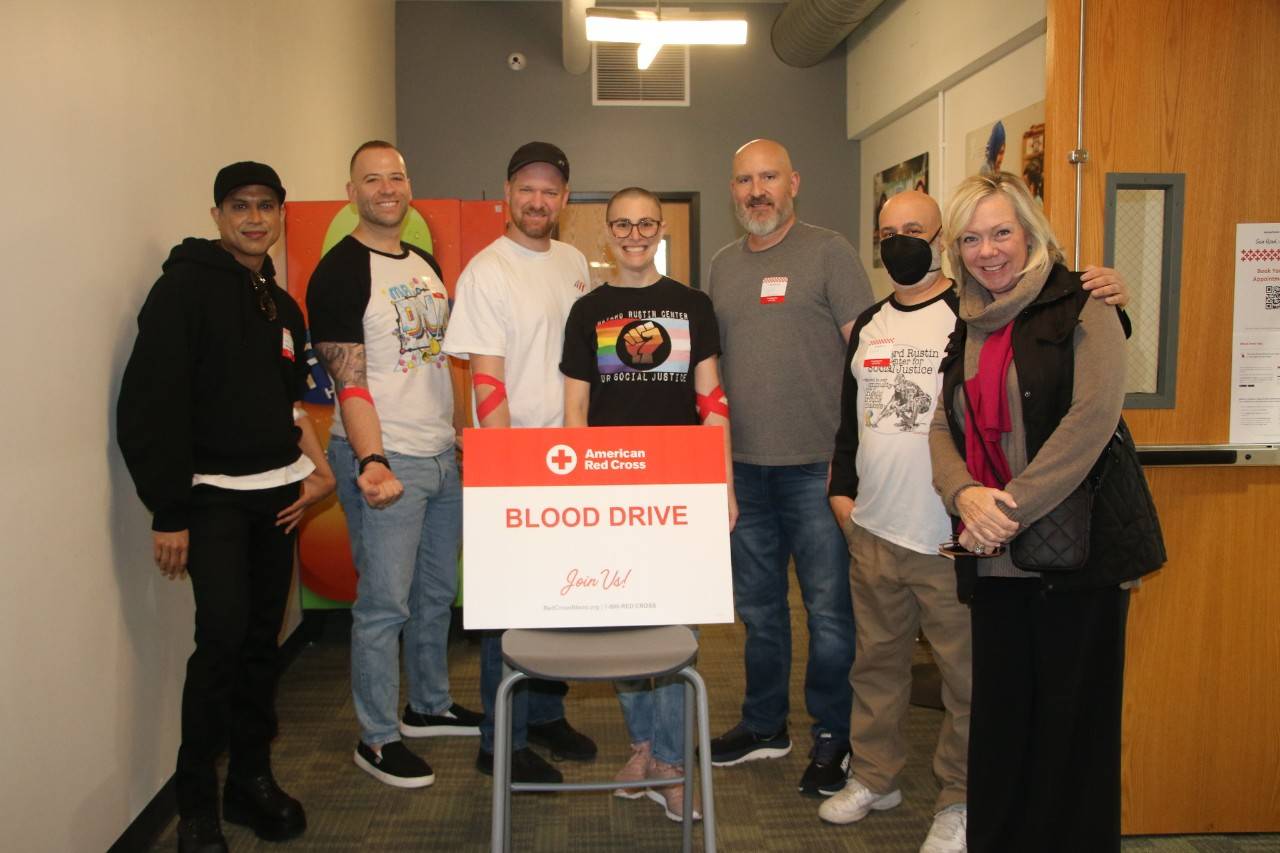
This fall, through Joined by Blood, the Red Cross is teaming up with community organizations to host blood drives in support of these patients. The activation represents the lifesaving connection donors and patients share through the gift of blood, a tradition communities have carried forward for generations.
Advances in treatment have not changed that need. Gene therapies for sickle cell disease, which the U.S. Food and Drug Administration recently expanded to patients as young as 2, require patients to receive blood transfusions before and during treatment. As more patients become eligible, the demand for closely matched blood grows with it.
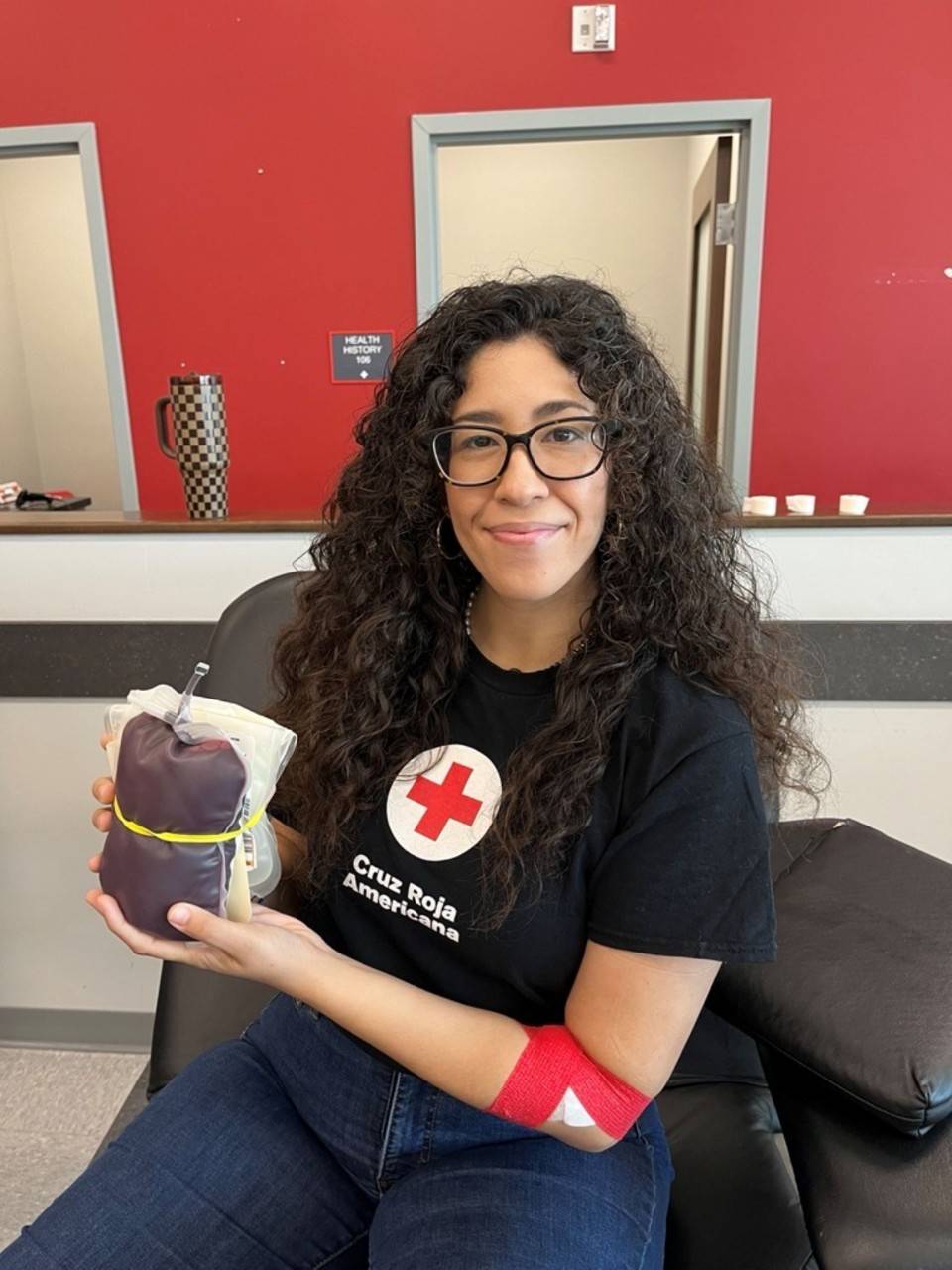
More donors are stepping forward. Working alongside community partners, the Red Cross has nearly doubled the number of annual blood donors who are Black or African American since the Sickle Cell Initiative launched in 2021, and more than 188,000 first-time donors have rolled up a sleeve to give.
“When someone donates blood, they may never meet the person who receives it, but they are becoming part of that person’s story,” said Asiya.
Carrying the Legacy Forward
Asiya has a message for anyone who has never donated and is unsure where to start.
“Every regular blood donor was a first-time donor once,” said Asiya. “You may walk in feeling a little nervous, but you can walk out knowing you did something incredibly meaningful for someone else.”
Schedule a blood donation appointment today by visiting RedCrossBlood.org/OurBlood, using the Blood Donor App or calling 1-800-RED CROSS (800-733-2767). As a thank-you, all who come to give Oct. 19-Nov. 22, 2026, will get up to $20 in Gift Cards ─ that’s a $10 Amazon Gift Card by email and 500 bonus points, which can be redeemed for a $10 e-gift card through Blood Donor Rewards! Visit RedCrossBlood.org/Maze for details.
About the American Red Cross:
The American Red Cross shelters, feeds and provides comfort to victims of disasters; supplies about 40% of the nation’s blood; teaches skills that save lives; distributes international humanitarian aid; and supports veterans, military members and their families. The Red Cross is a nonprofit organization that depends on volunteers and the generosity of the American public to deliver its mission. For more information, please visit redcross.org or CruzRojaAmericana.org, or follow us on social media.
Support all the urgent humanitarian needs of the American Red Cross.
Find a drive and schedule a blood donation appointment today.
Take a class and be ready to respond if an emergency strikes.