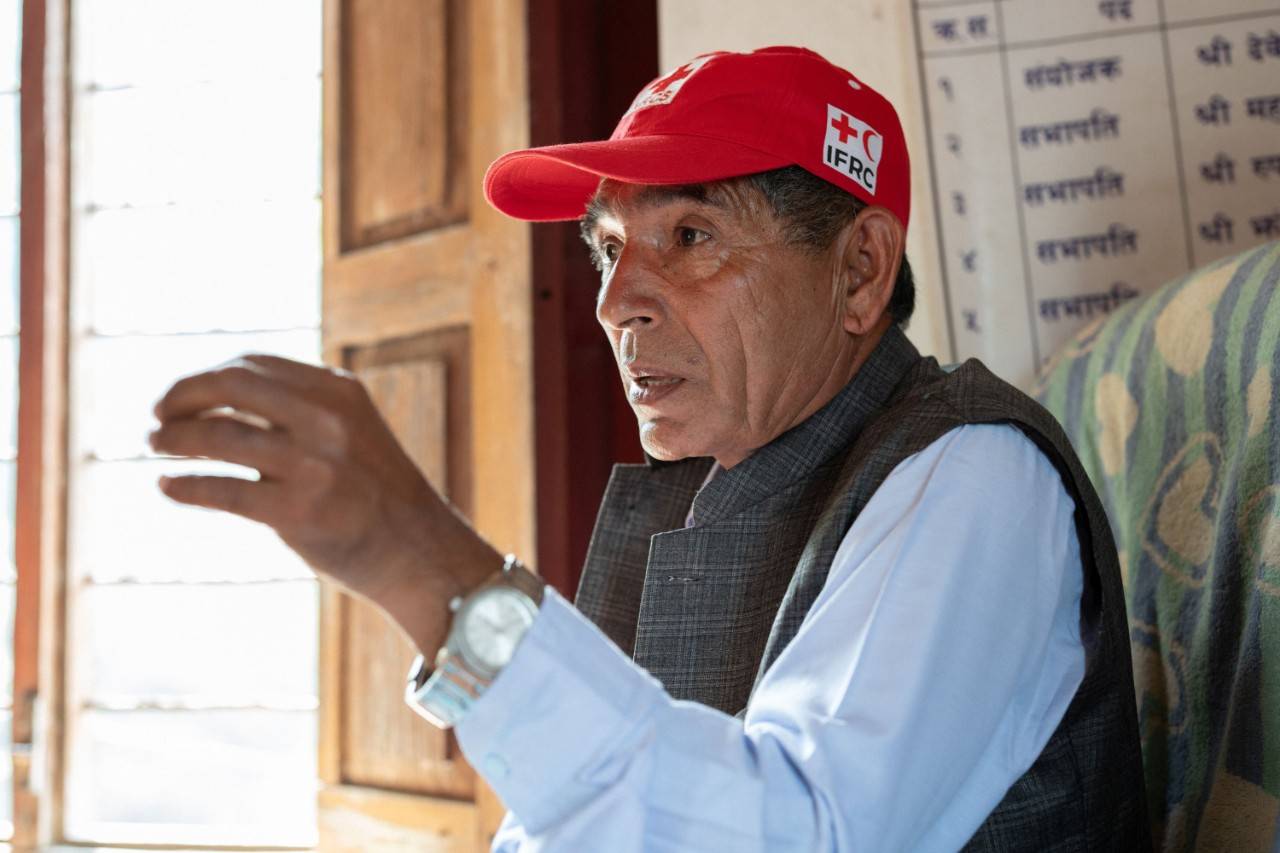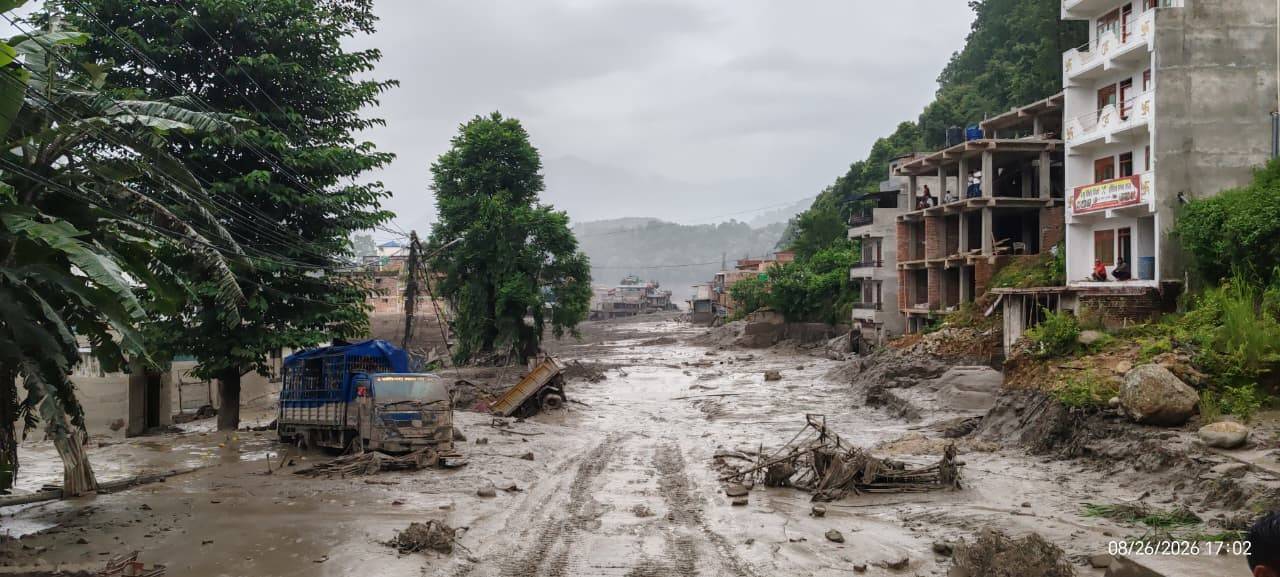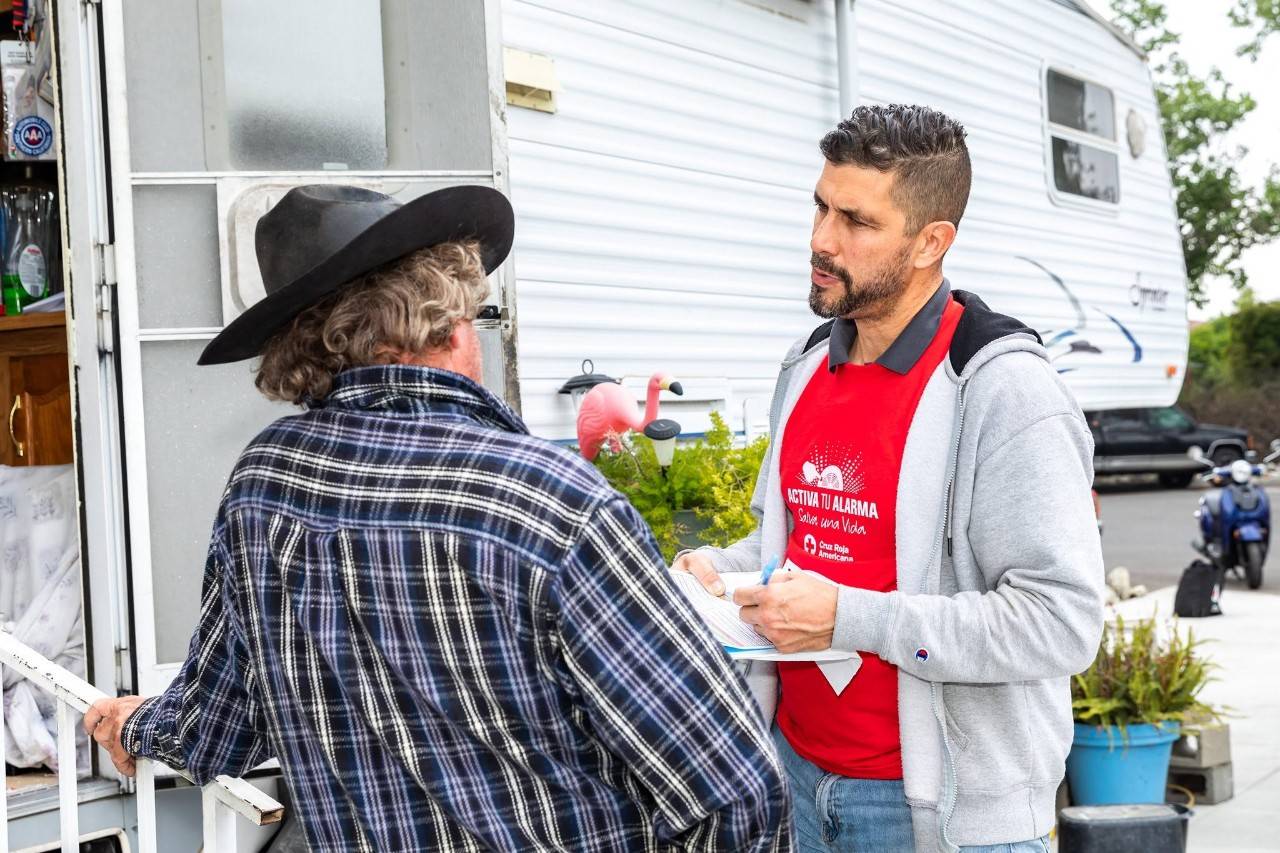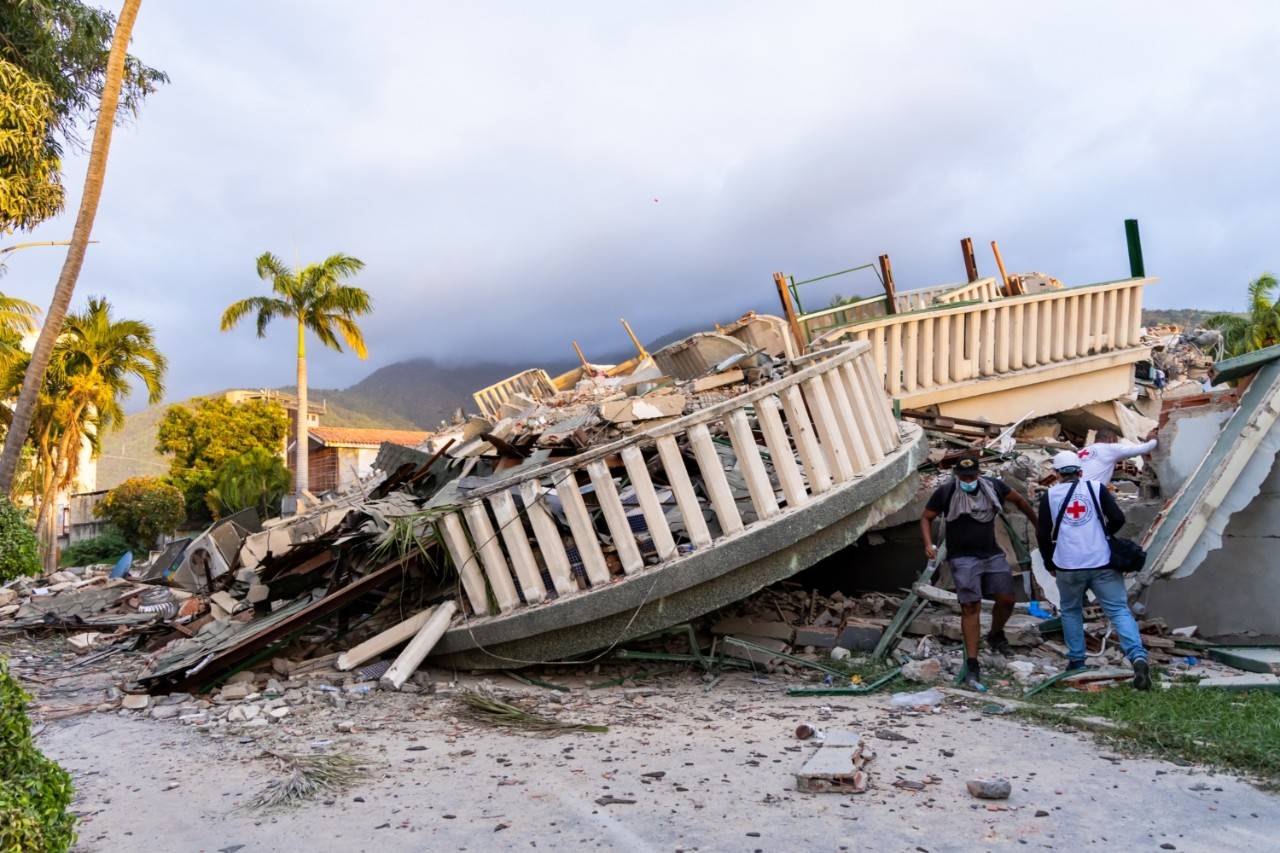

Global Red Cross and Red Crescent Movement teams are working to bring help and hope in the aftermath of the flooding in Nepal and the earthquakes in Venezuela and Colombia.
View our recent news stories to understand the impact of this vital work.
Global Red Cross and Red Crescent Movement teams are working to bring help and hope in the aftermath of the flooding in Nepal and the earthquakes in Venezuela and Colombia.
View our recent news stories to understand the impact of this vital work.
Each year, disasters, crises and disease devastate millions of people. As part of the world’s largest humanitarian network, Red Cross and Red Crescent teams provide relief and hope in nearly every corner of the globe. Volunteers often come from the communities they serve, making us powerful change-makers. Together, Red Cross and Red Crescent teams not only respond to emergencies—such as earthquakes, droughts, and health epidemics—but also help neighborhoods prepare for future disasters, reconnect families separated by conflict, migration and other crises, and ensure that children receive the vaccines they need to stay healthy. The American Red Cross strives to be a trusted partner within the global Red Cross and Red Crescent network, collectively transforming locally led management of humanitarian crises around the world.
Learn more about the reach of the Global Red Cross Red Crescent network.

Help the victims of countless crises around the world each year by making a financial gift to American Red Cross International Services, which will provide immediate and long-term support through supplies, technical assistance, and other support to those in need.
“Every day, people across the country and around the world turn to the Red Cross for help in the face of emergencies. We at the Red Cross are driven every day by our mission to alleviate suffering in those situations."
– Jarrett Barrios, senior vice president, International Services and Service to the Armed Forces for the American Red Cross.

volunteers worldwide

with a Red Cross or Red Crescent society
around the world helped by the Red Cross or Red Crescent each year
of aid to the most vulnerable
children vaccinated through measles and rubella campaigns since 2001

people benefiting from American Red Cross international assistance
families reconnected internationally with support of the American Red Cross

We work collectively with the global Red Cross and Red Crescent Movement to improve the efficiency, effectiveness, scalability and accountability of global operations and systems.
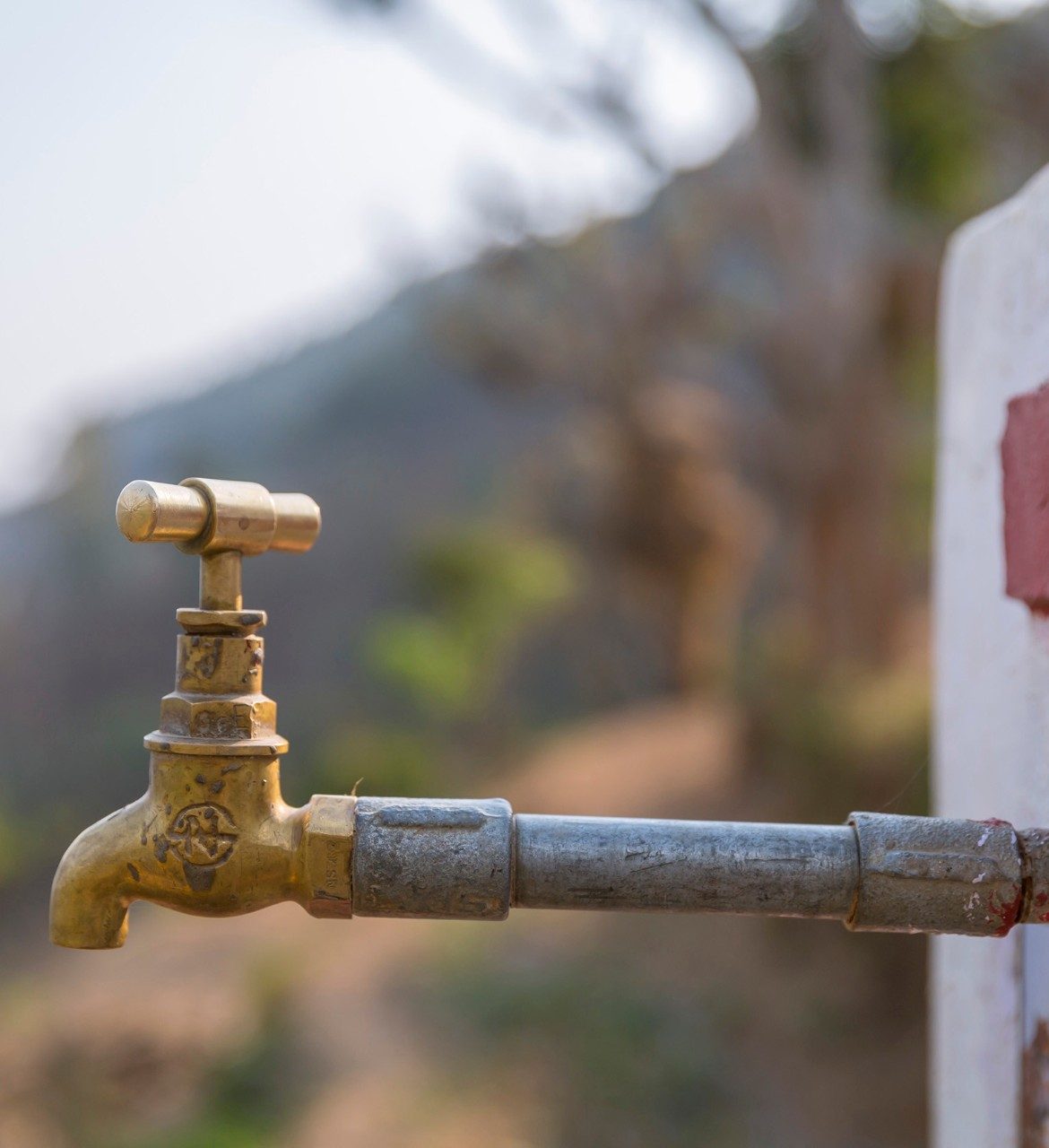
We work alongside National Societies to foster a culture of preparedness that reduces vulnerability to climate related and other natural disasters.
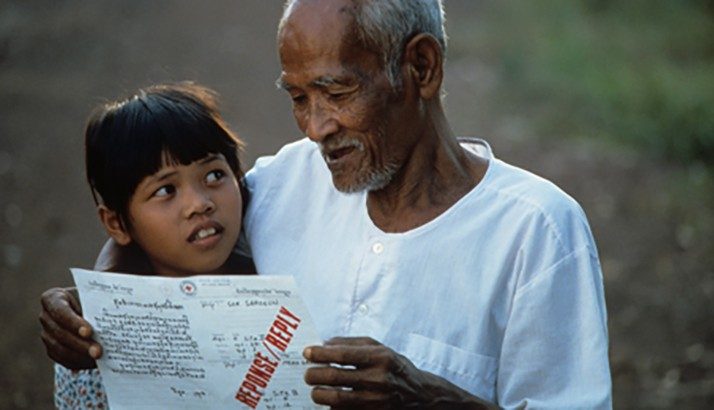
We partner with local Red Cross and Red Crescent societies around the world to locate missing loved ones separated by international conflict, disaster, migration or other humanitarian emergencies or crises.

We contribute to international disaster responses through financial contributions and the deployment of disaster specialists to support other national Red Cross societies leading local relief efforts on the ground.

Since 2001, the American Red Cross and our partners in the Measles & Rubella Partnership have played a pivotal role in the effort to eliminate measles and rubella worldwide.
"What I envision in the future is to have children with social awareness … with a lot of knowledge and the ability to act in an emergency, because we know well that we are in a vulnerable area."
– Leandra Estela Garcia, lead teacher in La Barranca, Guatemala


Financial support: $1,630,000

Financial support: $600,000

Staff supported
Staff supported
Financial support: $260,000

Measles & Rubella Partnership
Financial support: $387,000

Financial support: $300,000

Financial support: $300,000

Financial support: $415,000
Financial support: $300,000
Financial support: $440,000

Financial support: $446,000
Financial support: $325,000
Also staff supported
Financial support: $360,000
Staff supported
Measles & Rubella Partnership
Measles & Rubella Partnership

Financial support: $500,000
Measles & Rubella Partnership
Financial support: $210,000
Also staff supported
Financial support: $615,000
Measles & Rubella Partnership
Financial support: $420,000
Financial support: $600,000
Measles & Rubella Partnership
Financial support: $825,000
Financial support: $640,000
Financial support: $225,000
Financial support: $487,500
Measles & Rubella Partnership

Staff supported
Financial support: $45,000
Also staff supported
Financial support: $7,000,000
Also staff supported
Staff supported
Financial support: $50,000
Staff supported

National Society Partnership
Financial support: $50,000
National Society Partnership
Financial support: $6,000

Financial support: $2,500,000
Also staff supported
Financial support: $50,000
Financial support: $1,600,000
Financial support: $129,000
Staff supported
Financial support: $200,000
Also staff supported
Financial support: $200,000
Also staff supported
National Society Partnership
Financial support: $50,000
Financial support: $33,000
Financial support: $250,000
Financial support: $50,000
Financial support: $150,000
Financial support: $50,000
Financial support: $650
National Society Partnership
Financial support: $300,000
Staff supported
Staff supported
Financial support: $108,000
Financial support: $750,000
Also staff supported
Financial support: $50,000
Financial support: $25,000

Financial support: $49,000

Financial support: $25,000
Financial support: $343,000
National Society Partnership
Financial support: $11,000
Financial support: $37,000
Financial support: $50,000
Financial support: $9,000
Financial support: $11,500
Financial support: $8,000
Financial support: $46,000
National Society Partnership
Staff supported
Financial support: $500,000
Financial support: $885,500
National Society Partnership
Financial support: $100,000
Financial support: $4,500
Financial support: $98,000
National Society Partnership
Financial support: $45,000
Financial support: $580,000
Financial support: $54,000
Financial support: $68,000
Also staff supported
Financial support: $41,000
Financial support: $1,791,000
Financial support: $300,000
National Society Partnership
National Society Partnership
Financial support: $18,000
Also staff supported
Financial support: $112,500
Also staff supported
Financial support: $48,500
National Society Partnership

Financial support: $20,000
Financial support: $20,000
Financial support: $550,000
Financial support: $18,500
National Society Partnership
Financial support: $40,000
Financial support: $31,000
Financial support: $16,000
Financial support: $13,000
Financial support: $9,000
Financial support: $11,000
Financial support: $50,000
Staff supported
Financial support: $200,000
Also staff supported
Financial support: $65,000
Financial support: $300,000
Financial support: $45,000
Financial support: $5,750
Financial support: $121,000
Financial support: $350,000
Financial support: $966,000
Also staff supported
National Society Partnership
Financial support: $300,000
Also staff supported
Financial support: $50,000
Financial support: $40,000
Financial support: $40,000
Financial support: $5,000
Financial support: $38,000
Measles & Rubella Partnership

Financial support: $155,000
National Society Partnership
Financial support: $500,000
Financial support: $200,000
Financial support: $425,000
Financial support: $150,000
Staff supported
Financial support: $840,000
Financial support: $84,459,000
Also staff supported
Financial support: $22,500
Financial support: $1,300,000
Staff supported
Financial support: $762,000
Financial support: $130,000

Financial support: $205,000
Financial support: $18,940,000
Financial support: $336,000
Financial support: $990,000
Financial support: $2,600,000
Also staff supported
Financial support: $18,137,000
Also staff supported

From your home computer, you can help ensure that disaster responders get relief to the people who need it – even in the world’s most remote areas.

Support our international work from your community: support our measles campaigns or help reconnect families after international crises.

Become a digital advocate on social media to support the Red Cross mission. Host an online fundraiser to help people in need.

Help the victims of countless crises around the world each year by making a financial gift to American Red Cross International Services.