By Kristi Latham, American Red Cross Volunteer
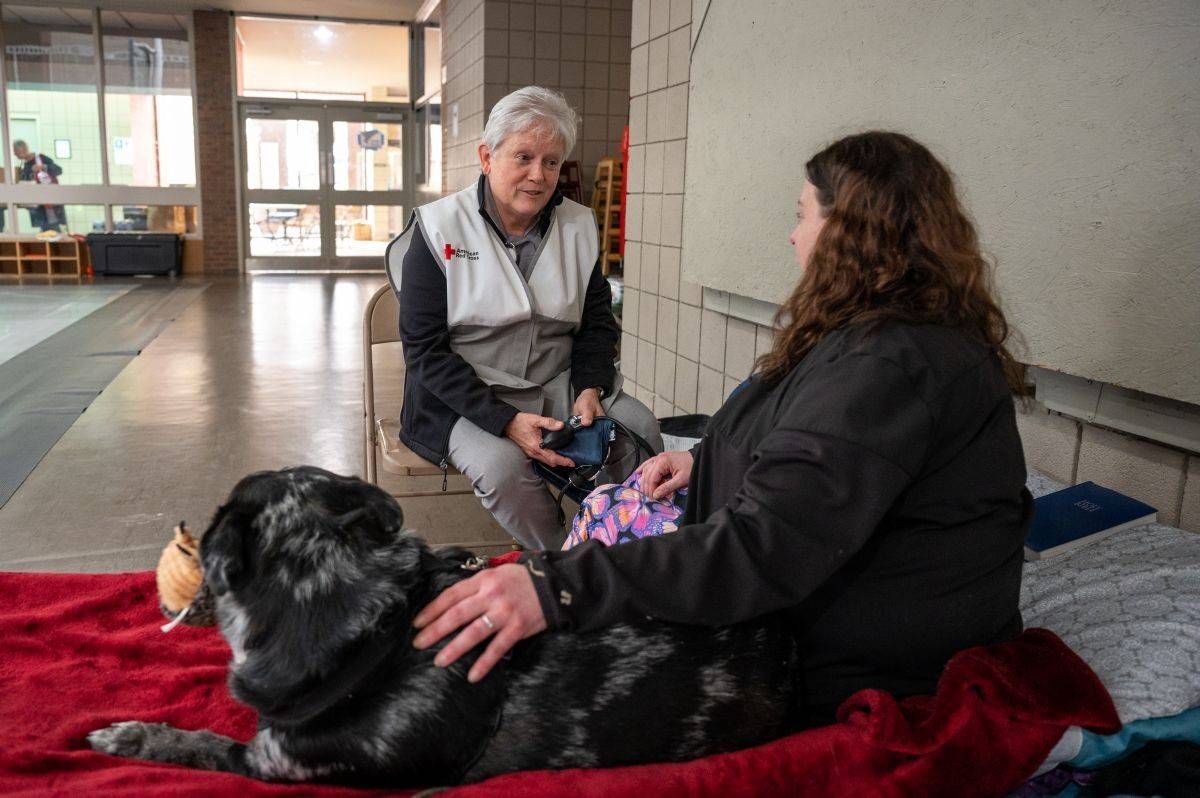
When disaster strikes, shelter and food are not the only resources the American Red Cross supplies. A dedicated team of Disaster Mental Health (DMH) volunteers offers critical emotional and psychosocial support to clients in need.
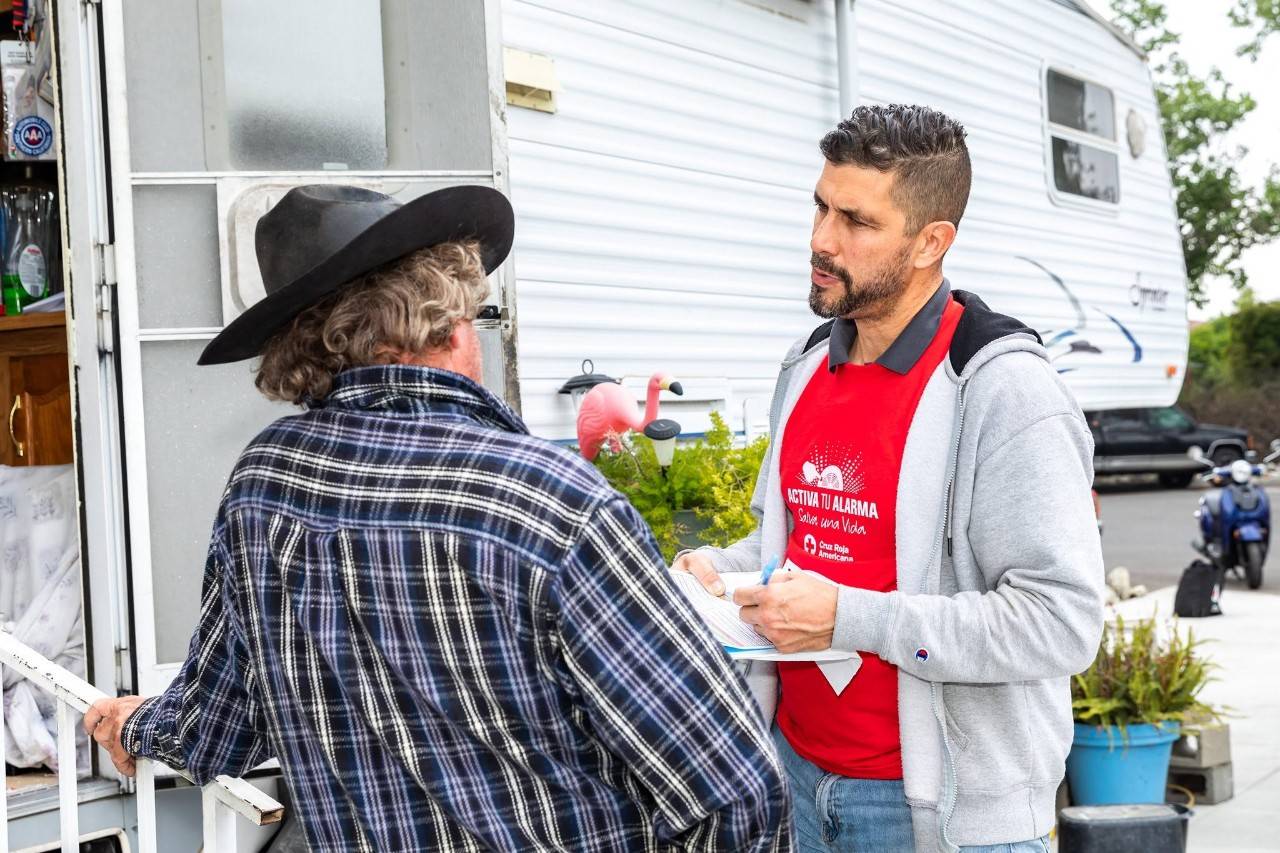
“We respond on our day-to-day calls to a lot of single-family and multi-family fires. Those are the calls we primarily get,” shared Diana Halley, DMH Regional Advisor for Colorado and Wyoming. “We also respond to mass casualty incidents, floods, tornadoes – all sorts of things.”
Responding to the immediate emotional distress of those impacted by disaster is critical to mitigating long-term psychological consequences. This response includes active listening and helping them tap into their inner strength.
KG Campanella-Green, DMH Divisional Advisor, recalled responding to one of her first deployments, the 2013 Black Forest Fire in Colorado Springs. “We visited the sites where the fire had occurred. The people whose houses had been destroyed were, for the most part, trying to sift through rubble and find something that was meaningful or what they could salvage. All the survivors had a different story, and I was glad to be present to support them during their traumatic experiences.”
Disaster survivors are not the only people who experience the psychological impact of a disaster. Red Cross volunteers also face considerable stress while providing services. Therefore, a primary role of DMH is to support disaster volunteers before, during and after the response.
Diana reflected on her deployment to Maui following the Lahaina fire in 2023. “In addition to serving our clients, we were also there to support all the volunteers and staff because everyone is affected by the whole experience. Our staff and volunteers may struggle sometimes with the stories that they hear and all the things that they're experiencing. We want to make sure that they have the support they need in order to do their work.”
“It's really a skill to develop a tolerance for hearing people's stories over and over again while staying present and compassionate,” KG shared. “We need to be present for the clients when they need us, without becoming overwhelmed by our own emotions. If we do get overwhelmed, we can develop what's called compassion fatigue. Clients recover at their own pace, utilizing their strength and resilience. It is very satisfying as a responder to walk alongside them in their journey and appreciate the success they experience in moving forward.”
To optimize support, DMH volunteers do not work in isolation. They are part of a robust Client Care team which includes Disaster Health Services, Casework, Spiritual Care and Disaster Disability Integration.
Diana elaborated, “I think a collaborative approach for clients really helps. Some clients have mental health issues that they need help with, while others have physical health issues or would like spiritual care support. All these things work together to provide the best possible services for our clients.”
DMH services also include a Deployment Outreach Team to support Colorado and Wyoming responders who deploy locally, divisionally and nationally.
Join the DMH team
If you have expertise and passion in Mental Health, like KG and Diana, consider joining the DMH team. Click here for more information!
Volunteer Qualifications
Note: Additional Red Cross training will be provided for all onboarding volunteers.
Support all the urgent humanitarian needs of the American Red Cross.
Find a drive and schedule a blood donation appointment today.
Your time and talent can make a real difference in people’s lives. Discover the role that's right for you and join us today!