By Mason Pudillo
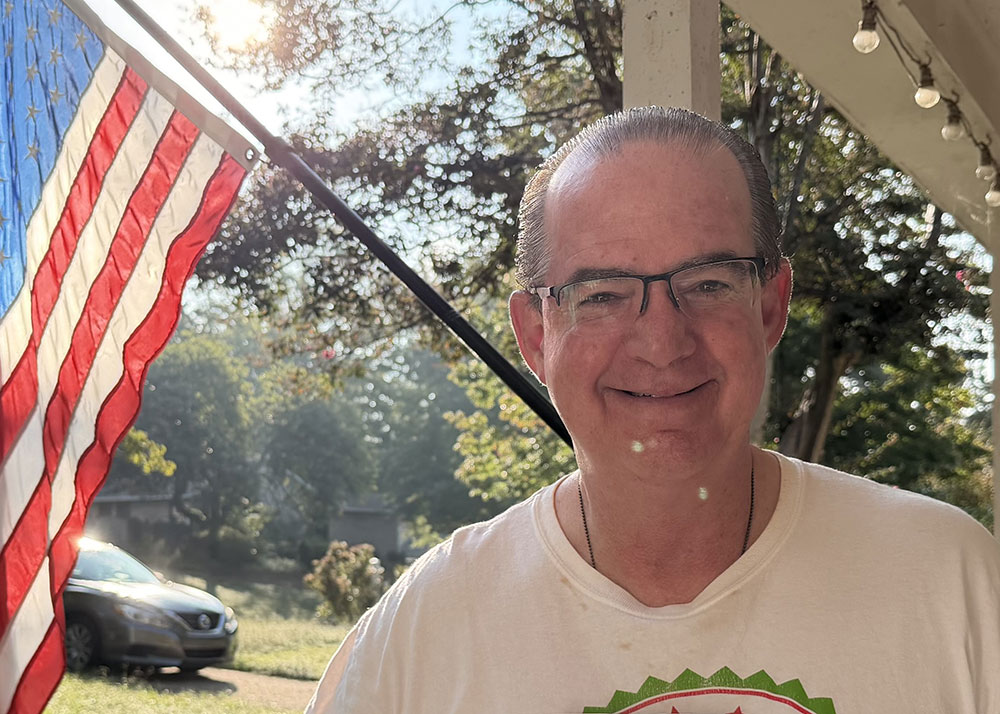
For Thomas “Frank” Castillo, speaking Spanish has long been more than a way to communicate. It has also given him a way to connect with people and serve his community.
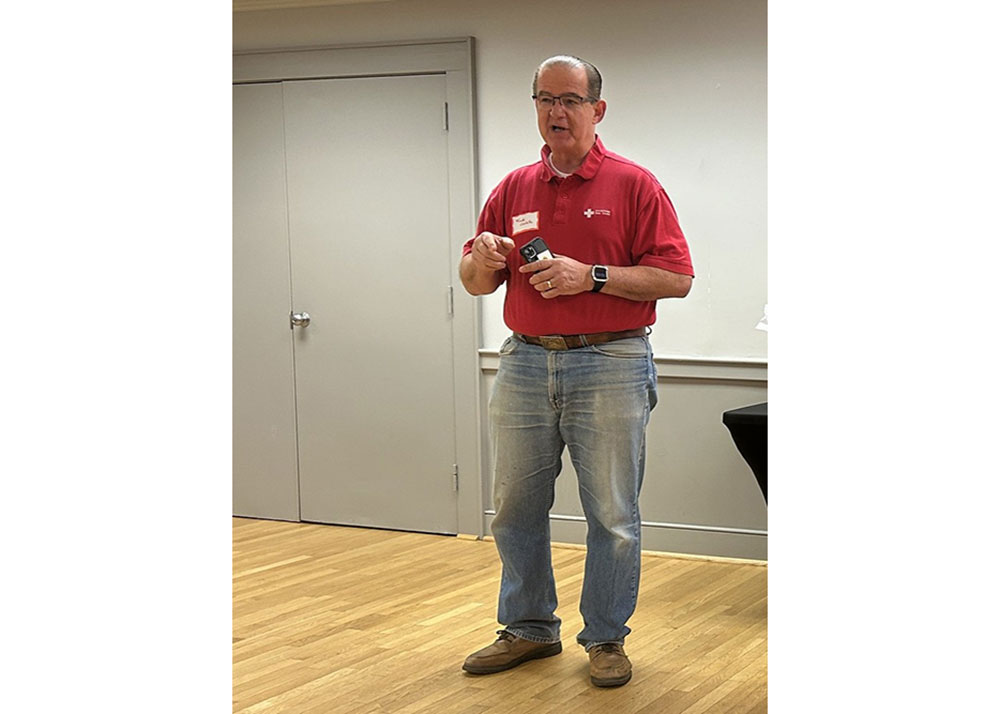
Today, Frank brings those skills to his role as an American Red Cross volunteer in North Carolina, conducting Spanish-language media outreach and interviews to help share lifesaving information with Hispanic communities across the state.
It is a role that brings together skills Frank has developed over decades and a commitment to community service that started much earlier.
Bridging language gaps
Frank moved to North Carolina in 1997 after accepting a job as a public-school science teacher. His volunteer connections eventually helped lead him to another opportunity as a translator for a roofing company, where he used his bilingual skills to bridge communication gaps among workers.
That work grew into another form of service. Frank developed experience in safety and inspections training and worked with OSHA to help improve safety awareness and procedures for Spanish-speaking members of the community.
Those experiences now inform the way Frank serves with the Red Cross. Through Spanish-language media outreach and interviews, he helps share lifesaving Red Cross information with Hispanic communities in North Carolina.
For Frank, the work is part of a larger belief that has guided him through different roles and careers: being part of a community also means contributing to it. Community service, he said, is something he tries to live out, not simply talk about.
Frank's connection to the Red Cross began while he was growing up in Miami. His mother encouraged him to volunteer, believing it would be a good fit for his outgoing personality.
As a high school student, Frank spent a summer helping move patients between gurneys and wheelchairs at a hospital. Later, while attending college, he worked with the Red Cross processing expired units of blood.
At the time, Frank expected medicine to become his career. But as college drew a close, he began questioning that path. After graduation, he decided not to become a doctor and instead spent time exploring what he wanted from his life. He worked a variety of jobs and read books that helped him think more deeply about his identity and purpose. His Jesuit upbringing and its emphasis on service remained an important influence.
Eventually, Frank returned to Miami and became a teacher. Later, he joined the U.S. Marine Corps. After transitioning to the Marine Corps Reserve, Frank became a CPR instructor for the Red Cross.
Around that time, he also earned a scholarship for a Master of Science program at the University of Miami and met his wife, Yolanda. The couple married in 1990 and bought a townhouse in South Miami.
Then Hurricane Andrew destroyed their home.
This time, Frank wasn't serving through the Red Cross. He was receiving help. The Red Cross and other organizations provided financial assistance as Frank and Yolanda worked to relocate and build their lives together.
Years later, another moment of service came unexpectedly during a camping trip in Virginia. Frank was at Grayson Highlands over Memorial Day weekend when a fellow Scout leader was stung by an insect and began experiencing a serious reaction.
Frank stepped in to help stabilize the leader as others brought forward an epinephrine auto-injector, medication and a satellite phone. Paramedics later transported the leader to a nearby hospital. The Red Cross later recognized Frank for his actions.
The moment was another example of a pattern that has shaped Frank’s life: identifying how he can help and putting his skills to use.
His path has included roles as a teacher, Marine, state employee and Red Cross volunteer. His family immigrated from Cuba when he was 2 months old, and he later became the first generation of his family to earn a college degree, graduating from the University of Miami.
Today, Frank continues finding ways to put his skills to work for others, including helping the Red Cross connect Hispanic communities across North Carolina with lifesaving information in Spanish.
His advice for people still trying to find their own path reflects the long view he has taken through those experiences.
“Ask why you are doing it, and not to judge on short-term goals but long-term goals,” Frank said.
Support all the urgent humanitarian needs of the American Red Cross.
Find a drive and schedule a blood donation appointment today.
Your time and talent can make a real difference in people’s lives. Discover the role that's right for you and join us today!