News Summary:
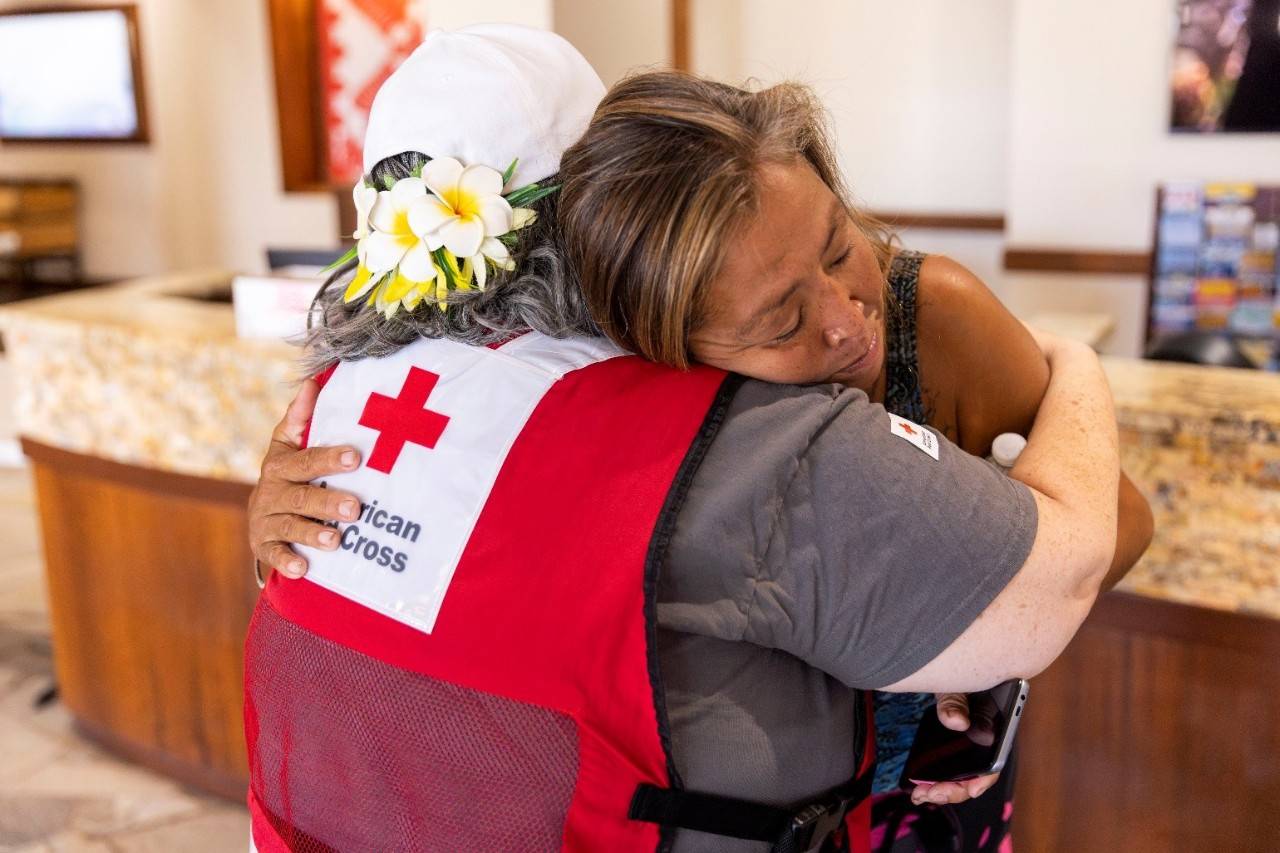
- The American Red Cross is on the ground helping in Hawaii as people begin to recover from Hurricane Lala, which took homes off their foundations, washed out roadways and left tens of thousands without power.
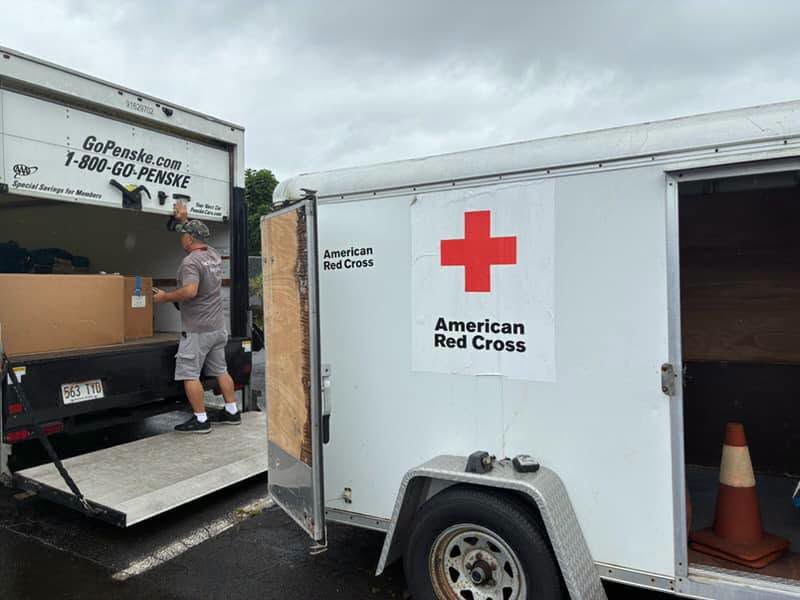
- Red Cross disaster teams are visiting neighborhoods to distribute clean-up kits, tarps, water, food and snacks. The Red Cross is also working with officials to assess the damage the storm left behind.
- More than 72,000 customers are still without power and the Red Cross has steps people should follow to help keep them safe until the power is back on.
The American Red Cross is on the ground helping in Hawaii as people begin to recover from Hurricane Lala, which took homes off their foundations, washed out roadways and left tens of thousands without power.
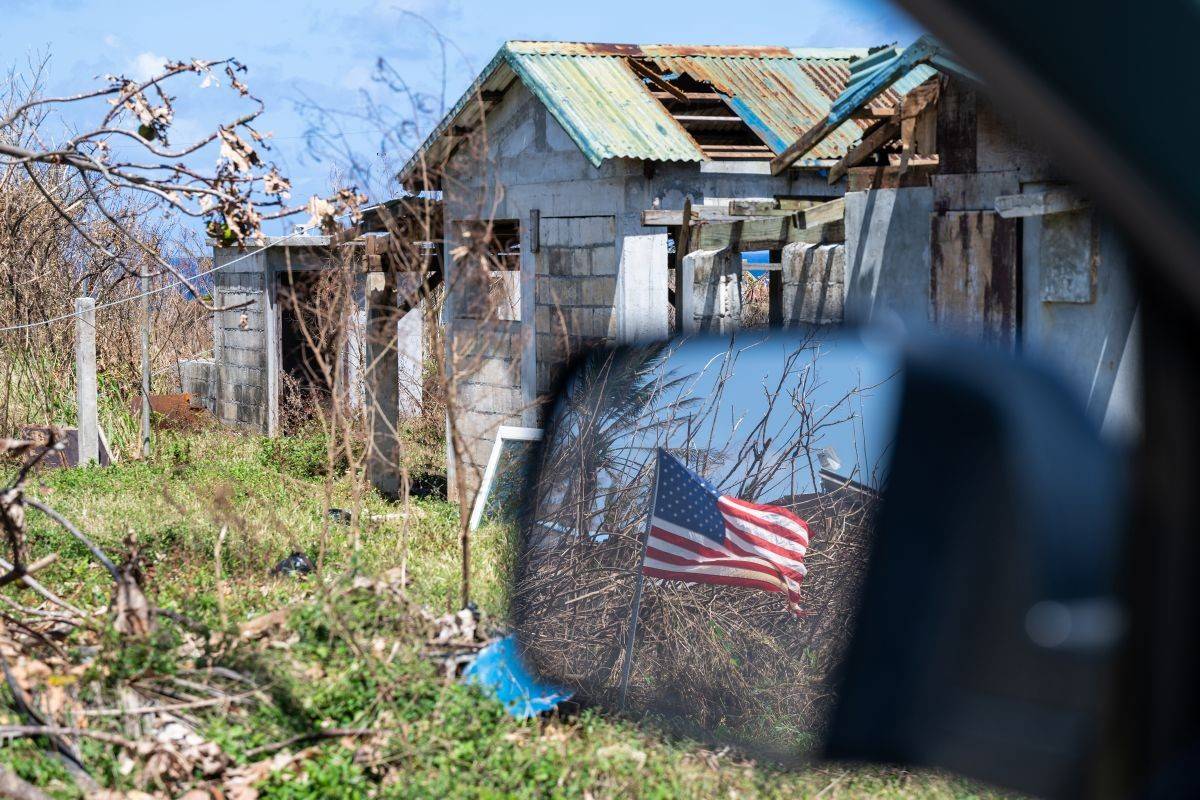
The storm washed as many as 100 homes off their foundations and damaged roadways, isolating communities in the southern end of the Big Island. There are still more than 72,000 customers without power after Lala’s winds took down trees, utility poles and transmission towers. The local utility reports the power transmission system on the Big Island has suffered extensive damage.
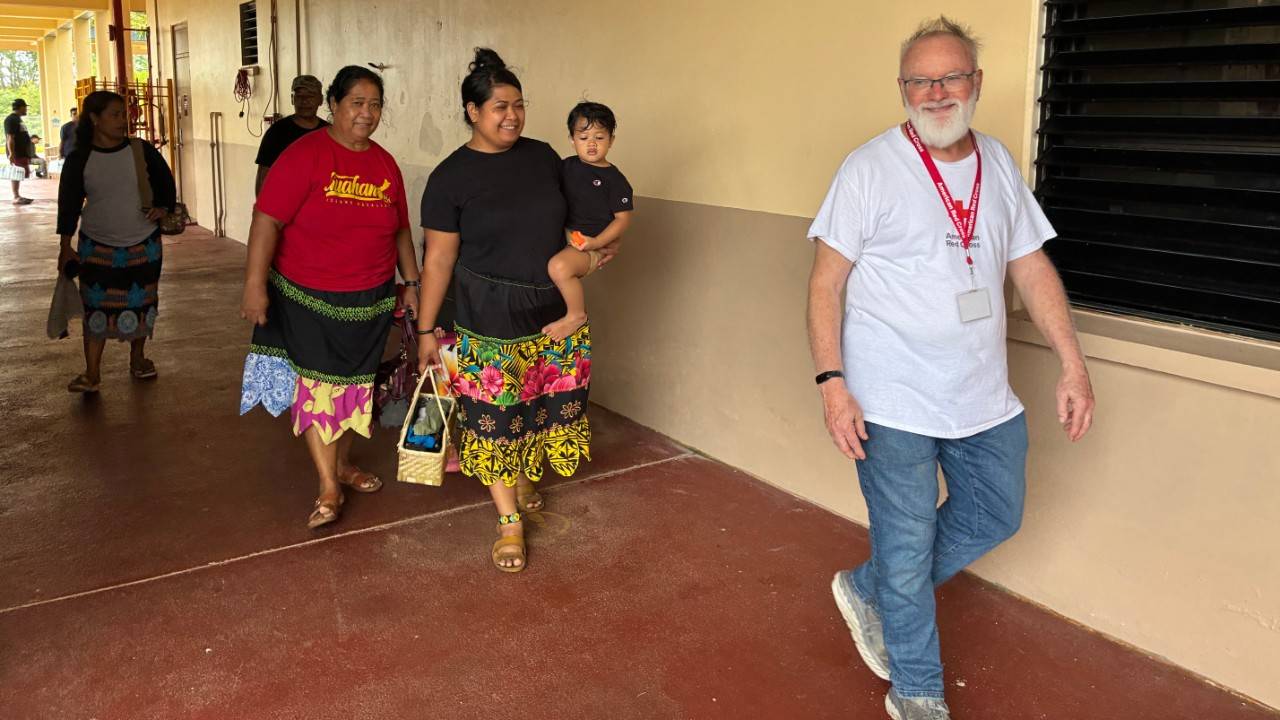
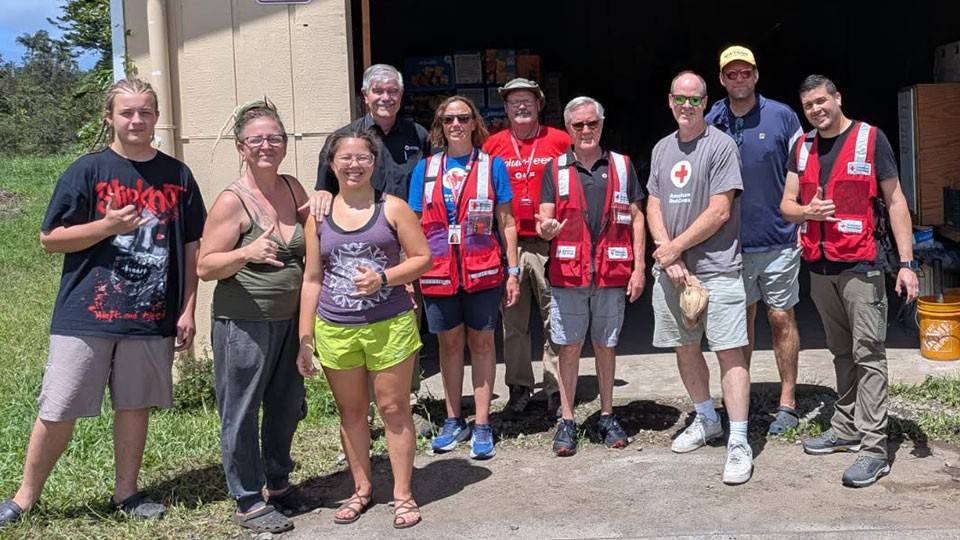
Close to 50 Red Cross disaster workers still have a shelter open and are working with officials to assess the storm damage. This information is critical in helping determine what support people will need in the coming weeks. They are also visiting neighborhoods to distribute clean-up kits, tarps, water, food and snacks.
WHEN THE POWER IS OUT During a power outage, unplug appliances and electronics to avoid damage from power surges. Leave one light on, so you’ll know when power is restored.
- Use flashlights or battery-operated lanterns — not candles — to help avoid fires.
- Don’t drive unless necessary. Traffic lights will be out, and roads could be congested.
- Decide if you need to leave if your home is too hot or cold, or if you have medical devices that need power.
- Check with loved ones and neighbors to see if they need help. You could save a life just by sending a text, making a call or knocking on their door.
When in doubt, throw it out. To prevent illness, keep food cold.
- Eat fresh, perishable foods first.
- Keep refrigerator and freezer doors closed as much as possible to help keep food cold. Use coolers with ice if necessary.
- Measure the temperature in your refrigerator and freezer with a thermometer. Throw out perishable food that has been warmer than 40 degrees Fahrenheit.
If you’re using a generator, keep it dry and don’t use it in wet conditions.
- Carbon monoxide kills. If you start to feel sick, dizzy or weak, get to fresh air right away.
- Never use a generator, grill, camp stove or other gasoline, propane, natural gas or charcoal burning device inside a home, garage, basement or other partially enclosed area. Keep this type of equipment outside and away from doors, windows and vents.
- Plug appliances directly into the generator. Never plug a generator into a wall outlet.
- Operate the generator on a dry surface and don’t touch it with wet hands.
AFTER A HURRICANE if you evacuated, don't return home until local officials have declared that it is safe to enter your community and you have the supplies you will need. If your home was damaged by hurricane-force winds or flooding after the storm, it should be carefully inspected and thoroughly cleaned.
- Download the free Red Cross Emergency app for real-time alerts, expert advice in English and Spanish, and available disaster shelter and support locations.
- Avoid damaged or fallen power lines, poles, and downed wires. They can electrocute you.
- Do not touch floodwaters because they may contain sewage, bacteria and chemicals that can make you ill.
- Wear appropriate protective equipment including gloves, goggles and boots.
- Clean and disinfect everything that got wet.
- When cleaning heavy debris, work with a partner. Make sure that you have proper training before using equipment, such as chainsaws.
- Heart attacks are a leading cause of deaths after a hurricane. Be mindful of overworking.