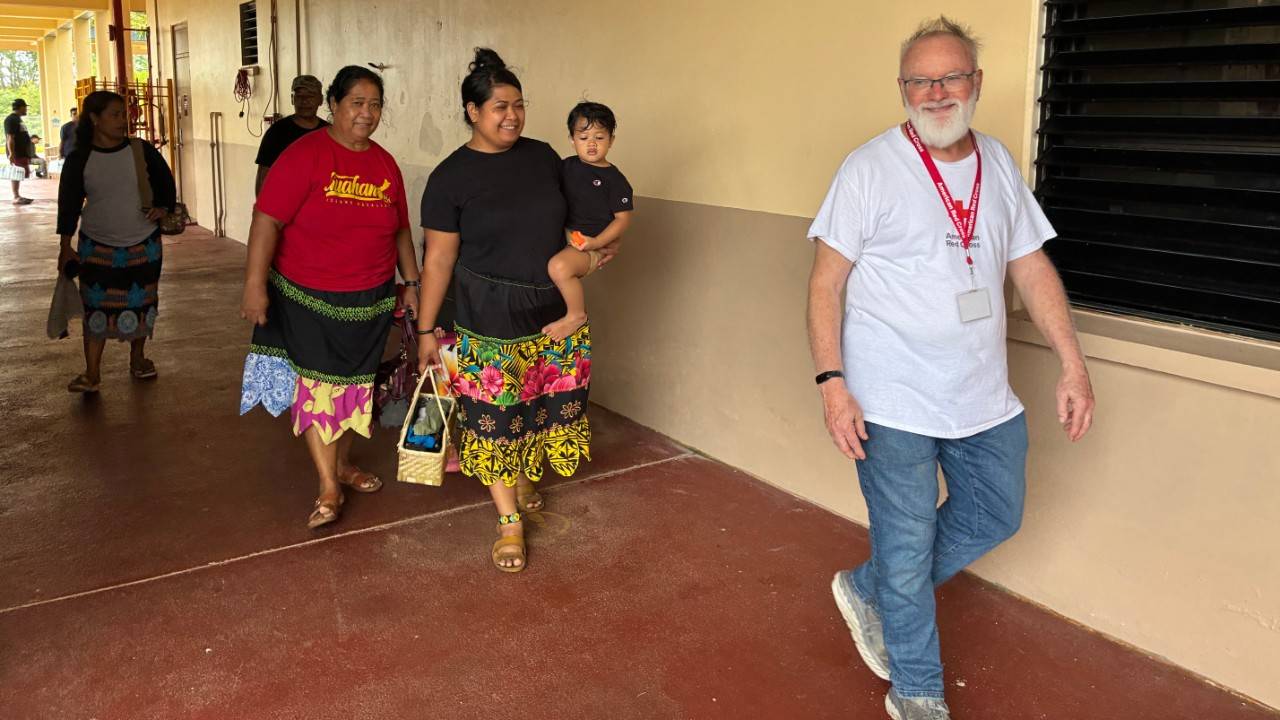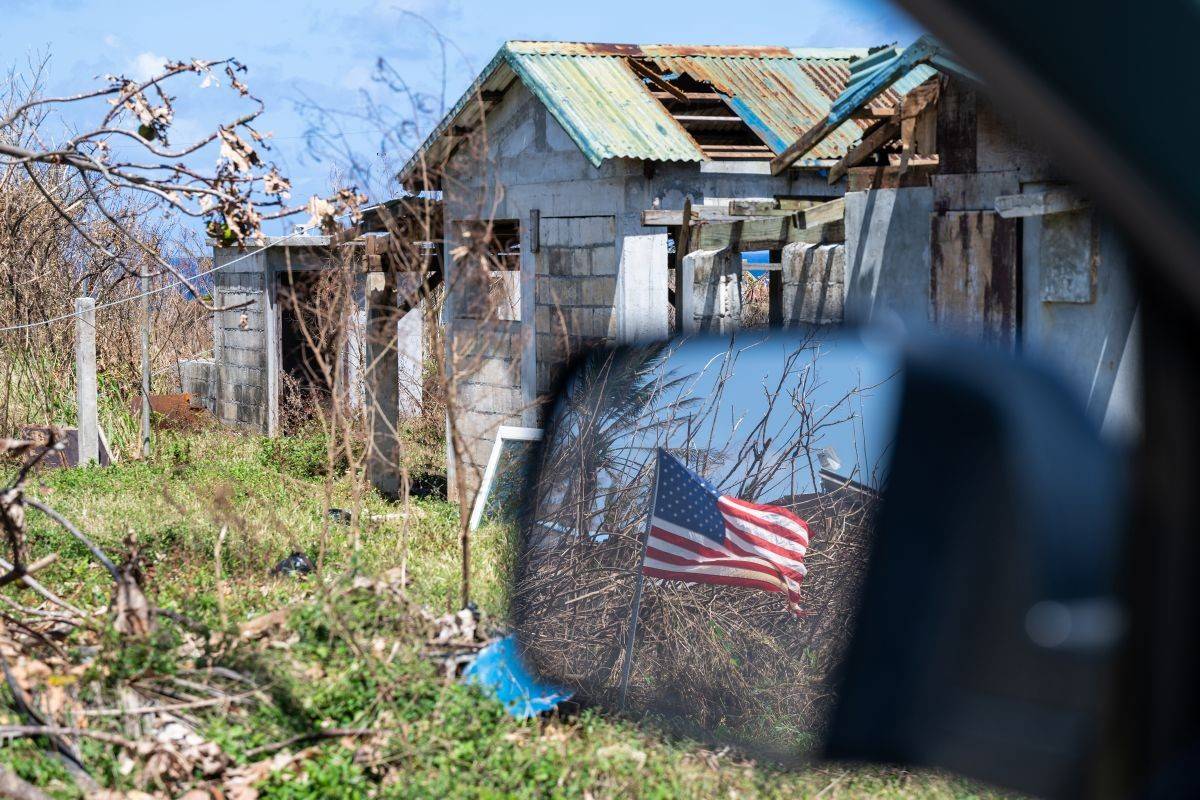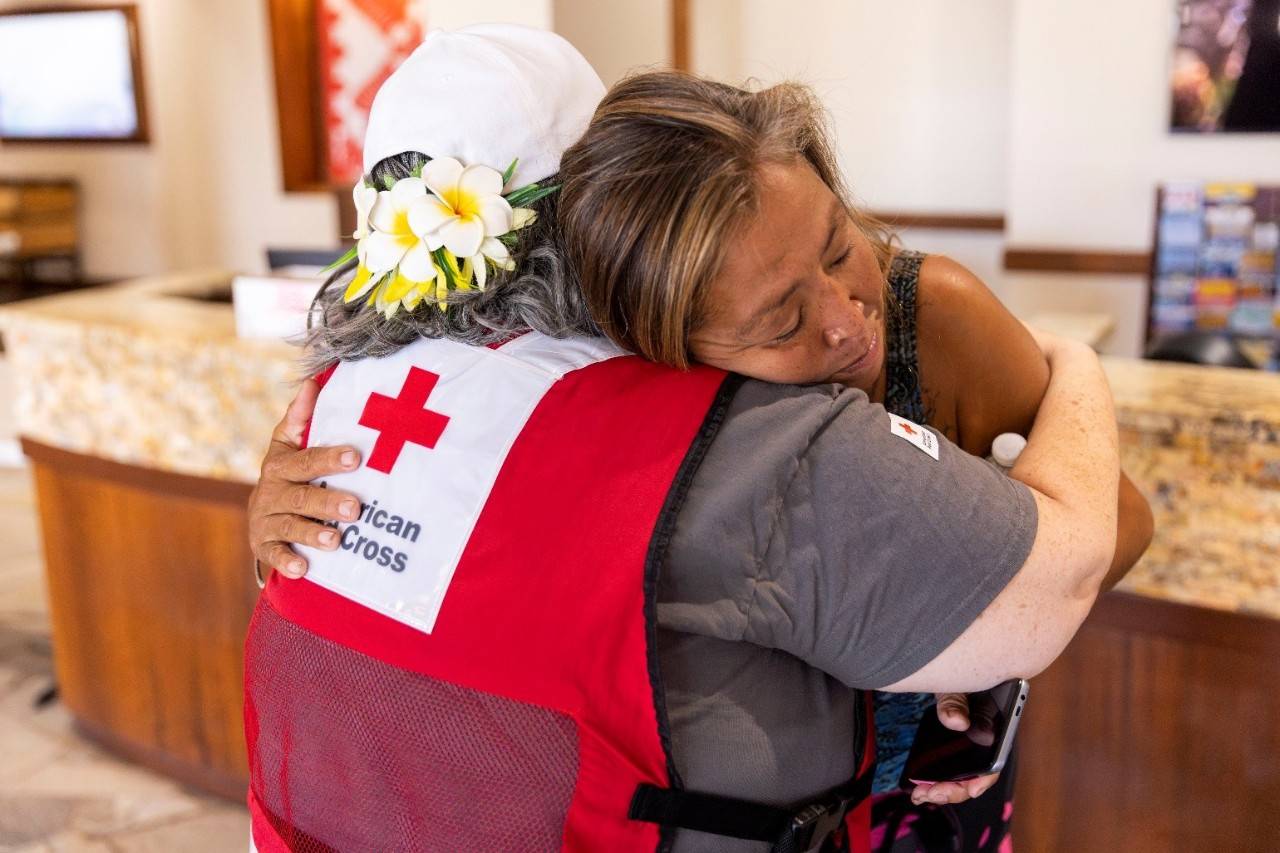
When Typhoon Sinlaku hit in April, it destroyed homes and displaced families. We at the Red Cross were prepared to help. We provided food, shelter, health and mental health support to the affected communities that were the most vulnerable because they were physically remote. They were difficult to access with services and support, but the Red Cross was there when the need was greatest.
Weeks later, the needs had evolved, and Jeff Barger deployed as community recovery, to help coordinate the wide variety of agencies supporting the affected communities. This new reality highlights the need for community recovery – a role tasked with building community capacity, providing technical expertise, and helping build resiliency.
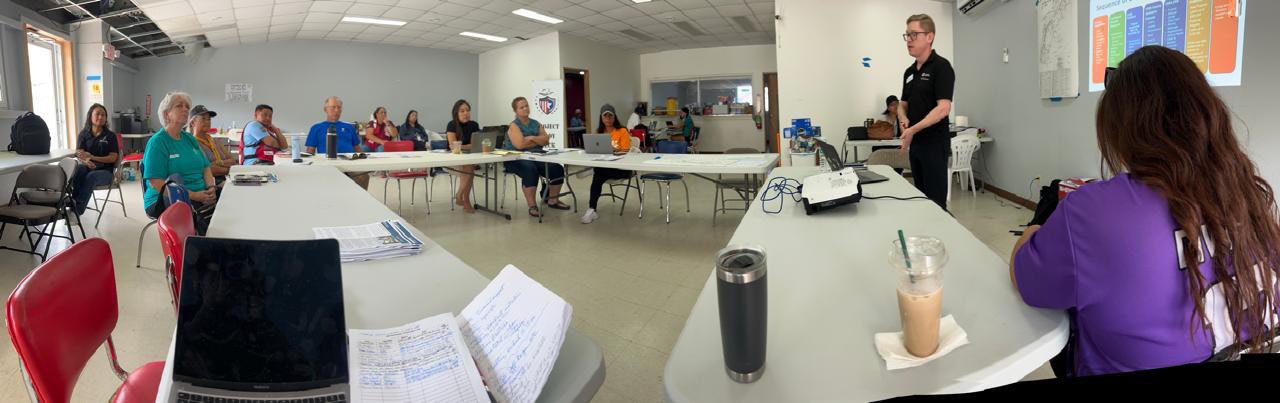
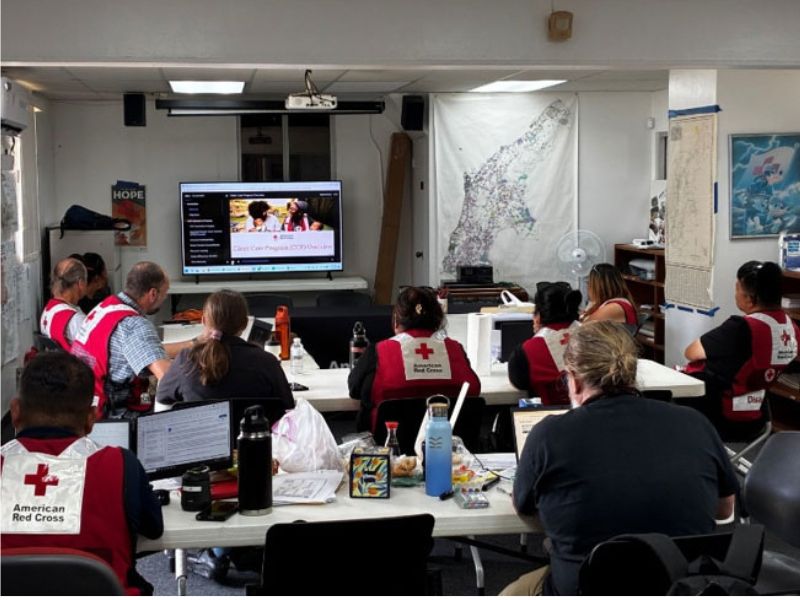
Jeff has been a member of the Long-Term Recovery team since 2022. He has supported long-term recovery operations for the Kentucky Tornadoes and Hurricane Ian, among others. Currently, he is the Senior Community Recovery Manager for the Hurricane Helene Long-Term Recovery Operation. Jeff shared photos from the field during his Sinlaku deployment as Community Recovery Liaison in Saipan. No two days were the same.
One day, Jeff gave a long-term recovery presentation to members of the local Volunteer Organizations Active in Disaster (VOAD), which led to them setting up a long-term recovery committee to better serve the affected communities. He went on to connect them with other national recovery partners as well, including the Center for Disaster Philanthropy, to provide resources to support the recovery.
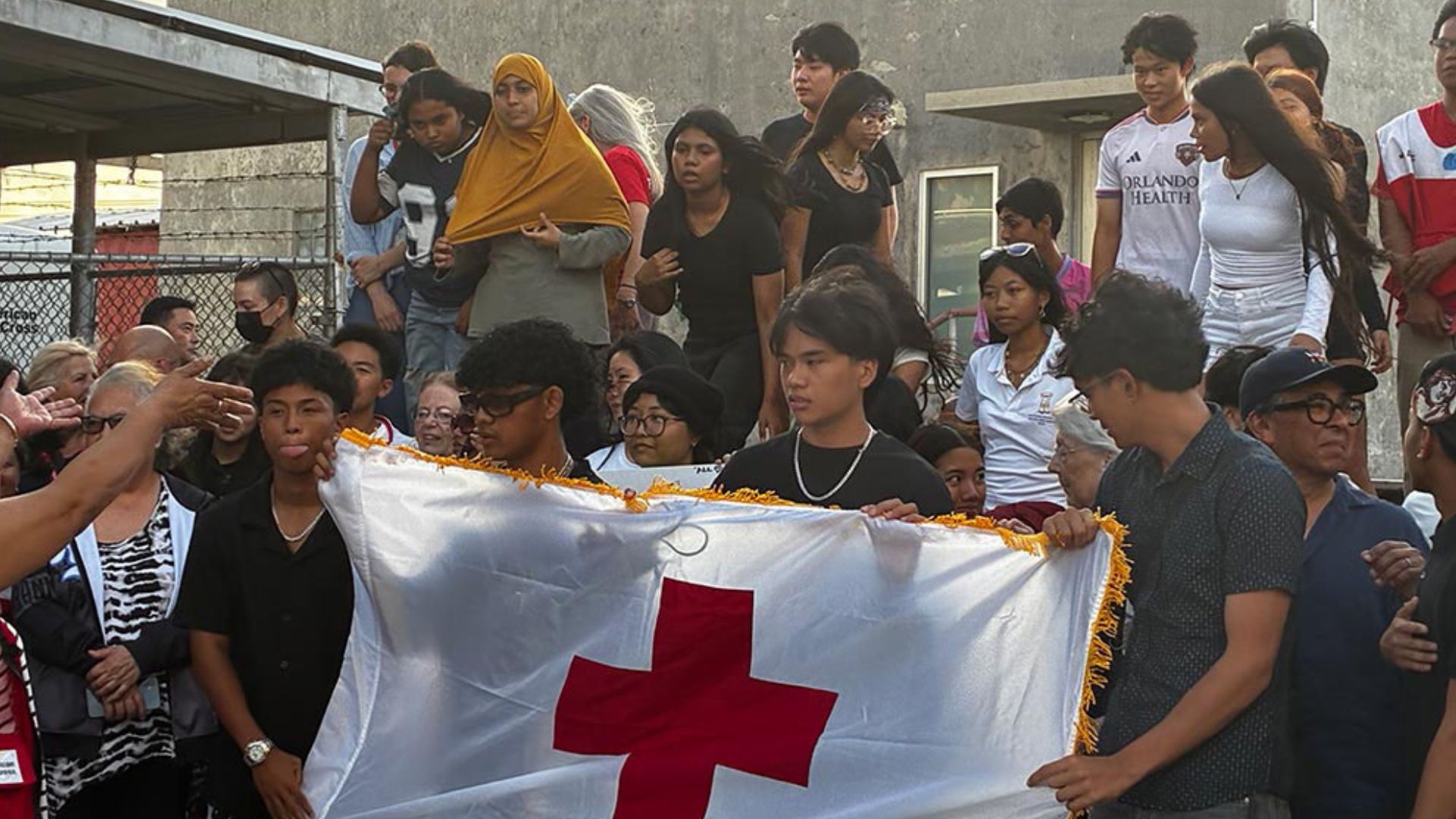
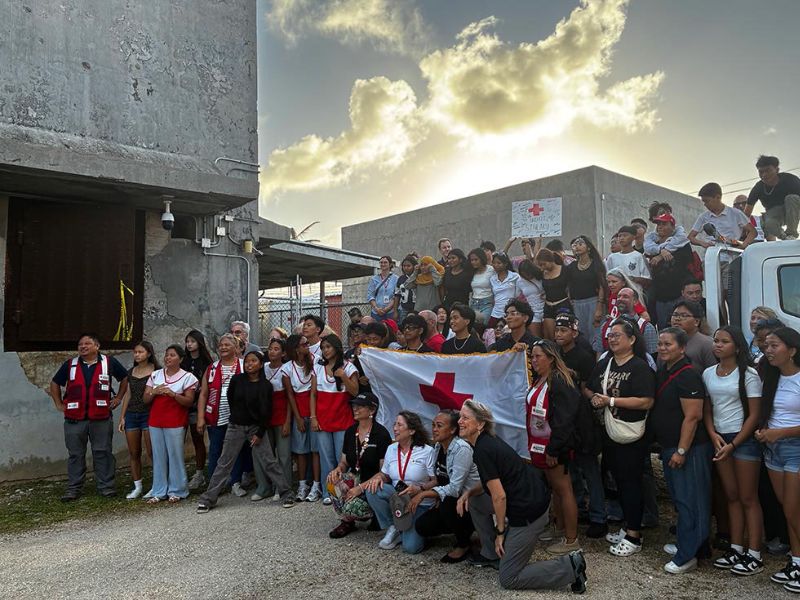
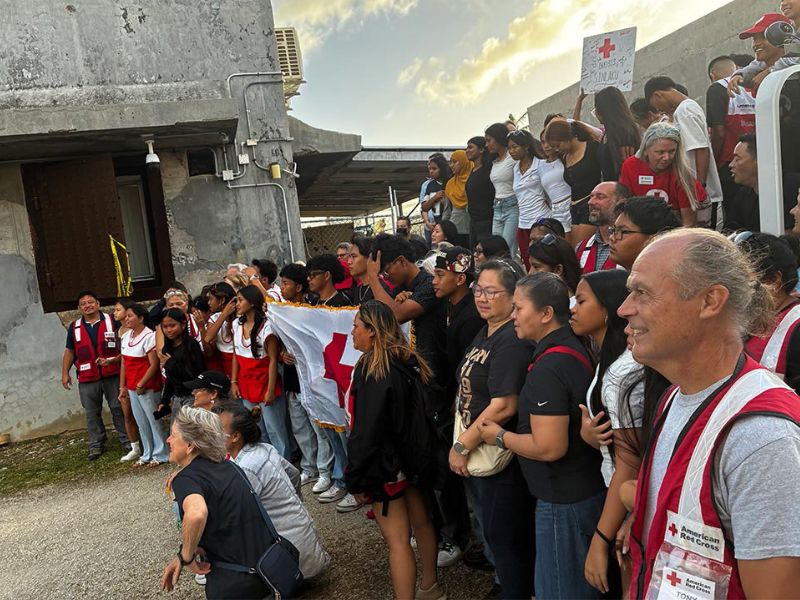
Another day, he supported an appreciation event the Northern Mariana Islands Red Cross chapter, located in Saipan, hosted for the dozens of youth event-based volunteers who had been supporting the disaster relief operation (DRO) every day.
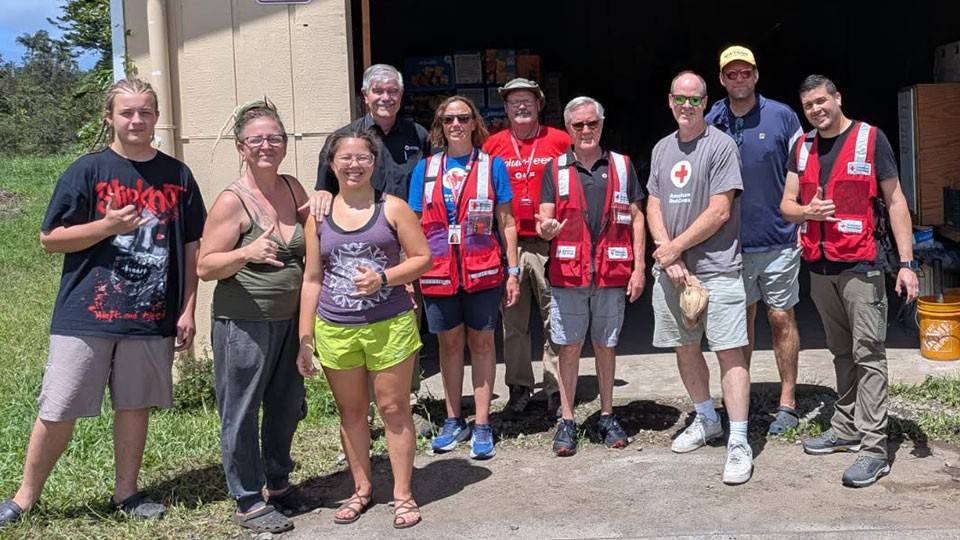
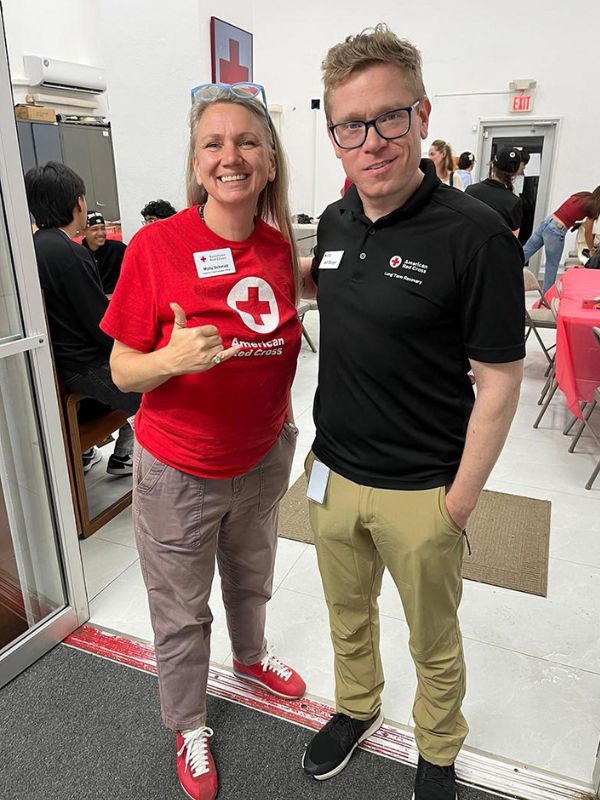
He worked alongside other deployed Red Crossers, including Pacific Islands Region CEO Molly Schmidt, as well as representatives from FEMA and local nonprofits, like the Marianas Alliance of Non-Governmental Organizations (MANGO).
Being part of community recovery efforts means meeting people in need where they are, not just waiting for them to present at Red Cross shelters or service sites. An example is when undocumented Chinese and Filipino nationals were afraid to come to Red Cross sites. By joining forces with a trusted community partner, Jeff was able to collect information so he could work with the DRO to create a plan to enroll them in individual financial assistance.
By working together, the community partner and jeff were able to provide meaningful assistance to a community that otherwise may not have received recovery services.
Another important aspect of community recovery is right there in the name – community. Local expertise and connections are an essential part of any recovery effort.
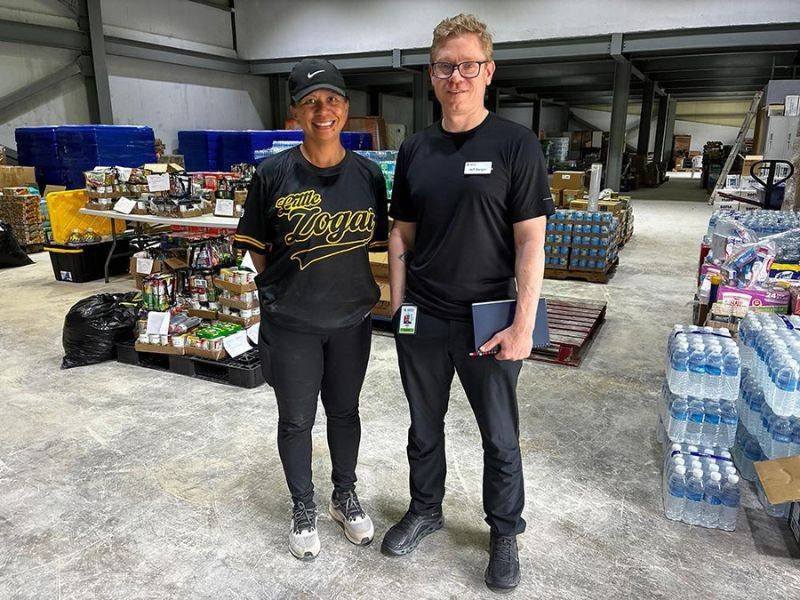
Jeff joined Maisie Tenorio, executive director of the Northern Marianas Coalition Against Domestic & Sexual Violence (NMCADSV), at the VOAD warehouse where several local organizations were storing items like emergency health kits and other donated goods, and distributing them to households in need.
Necessity is the mother of invention, and such was the case for Maisie, who led the effort to stand up a local helpline for the warehouse. Operators would do a quick needs assessment with callers, and if the warehouse had what they needed, volunteers would pull the item and deliver it directly to the household. She secured the phone numbers, co-developed the policy for translating intake requests into warehouse orders, and managed the spreadsheet tracking it all.
When Jeff arrived, she was spending half her day in the warehouse putting packages together herself. He talked through the recovery landscape with her, to learn what the island needed, and what she was seeing on the ground.
Just three months later, a second storm, Super Typhoon Bavi, made landfall, devastating the same islands, with many residents still living in tents and other temporary forms of shelter. As weather becomes more extreme, and communities are repeatedly hit, community recovery becomes a necessity. This is no one’s best case scenario, but it is becoming the new normal as more extreme weather results in communities getting hit again and again.
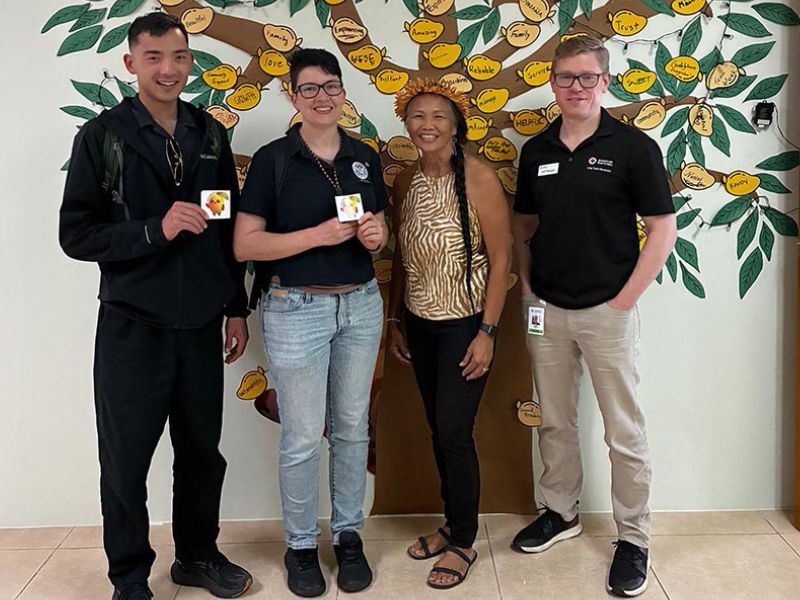
The work Jeff and the rest of Red Cross team did, working alongside partners and community members, helped lay the groundwork for recovery, making connections to help communities as they restart the long journey towards recovery from these twin disasters, and be as prepared as possible before the next one hits.
Support all the urgent humanitarian needs of the American Red Cross.
Your time and talent can make a real difference in people’s lives. Discover the role that's right for you and join us today!