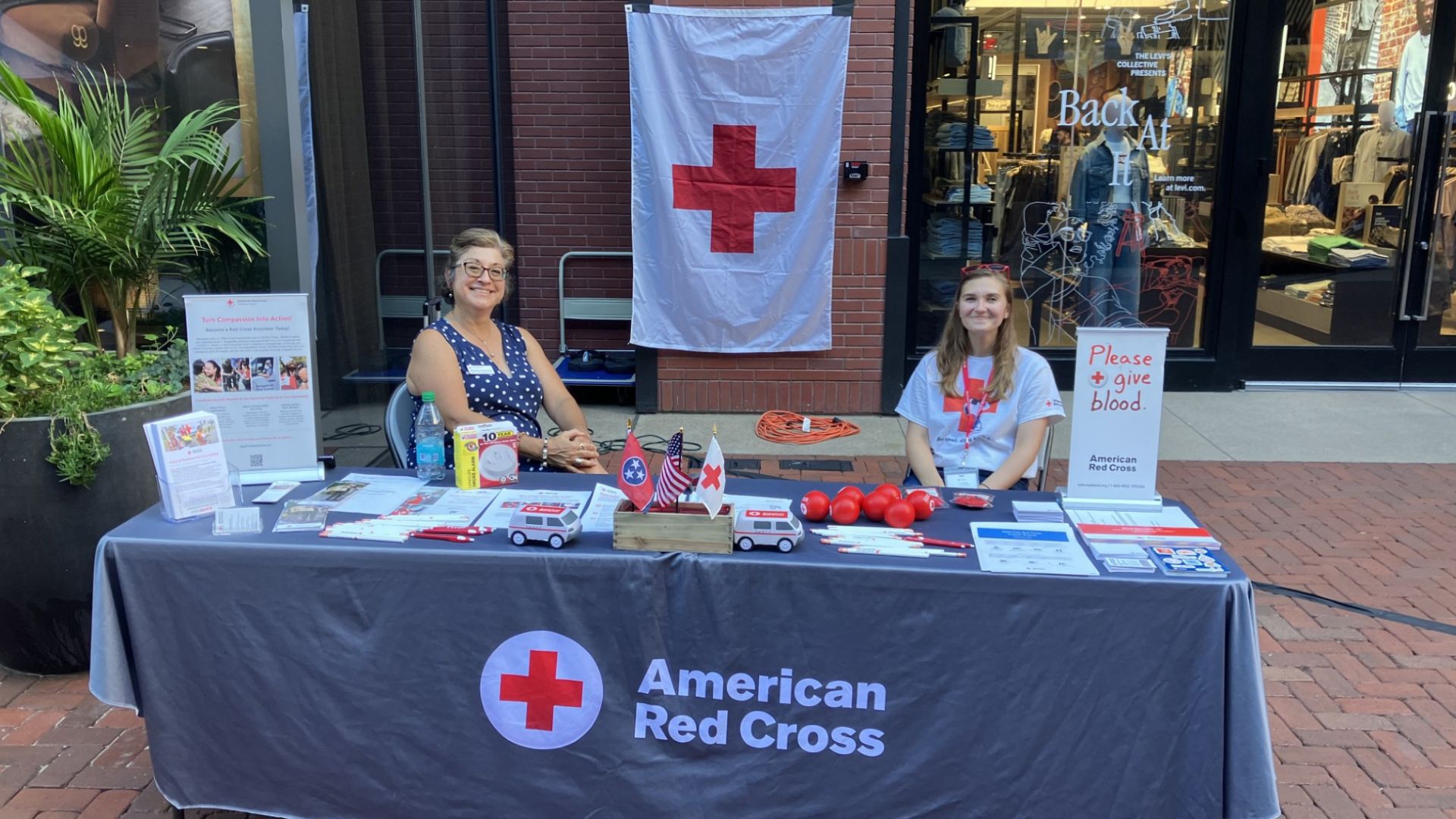
Millennials make up 28 percent of volunteers at the American Red Cross of Tennessee, nearly the same as the national average. But according to a 2022-23 survey by the U.S. Census Bureau and AmeriCorps, volunteering by millennials is growing faster than any other generational group. One Red Cross volunteer shared her personal story and what motivates her to step up.
Amy Podraza, 33, may not be your typical Red Cross volunteer. The Richmond, VA, native is studying for her Ph.D. in Community Research and Action with a focus on environmental hazards at Vanderbilt University. As a result, her involvement with the local chapter began as both a research project and a way to get to know her new place of residence.
“Ever since I lived through Hurricane Isabel as a child in 2003 and saw the impact of that storm, I have become interested in how people coped with the worst moment in their lives and how I could help them,” said Podraza. “After a college career studying disasters, I wanted more experience with the practical side of disaster management.”
“The Red Cross seemed [like] an ideal choice because of its prominence and its long history of service nationally and internationally.” She explained.
Podraza’s initial reason to volunteer may not be that of the “typical” millennial, but she shares many of the same volunteering goals and hurdles facing those in the cohort born from 1981 to 1996.
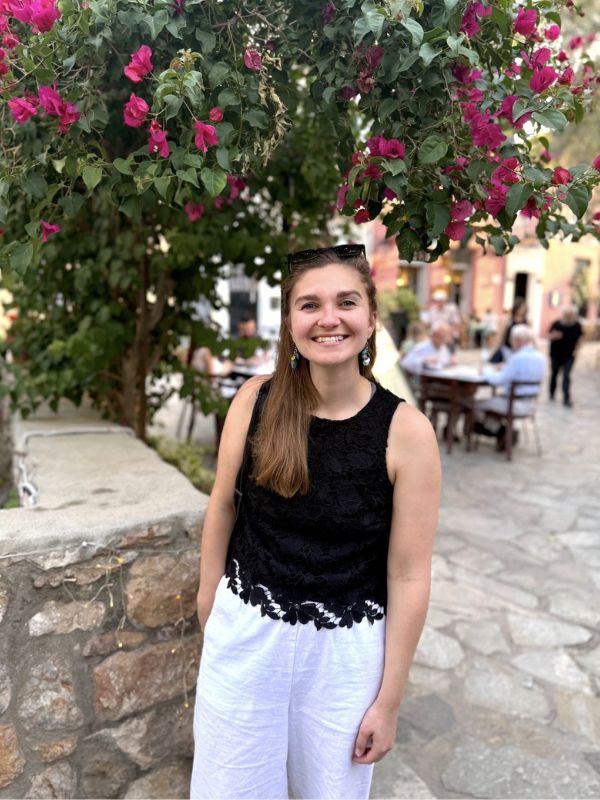
According to USAFacts, a nonprofit that analyzes government data, millennials are attracted to volunteer opportunities that allow them to reconnect to their communities. During a life stage when many are building their careers and starting families, options that are flexible and short-term are also most in demand.
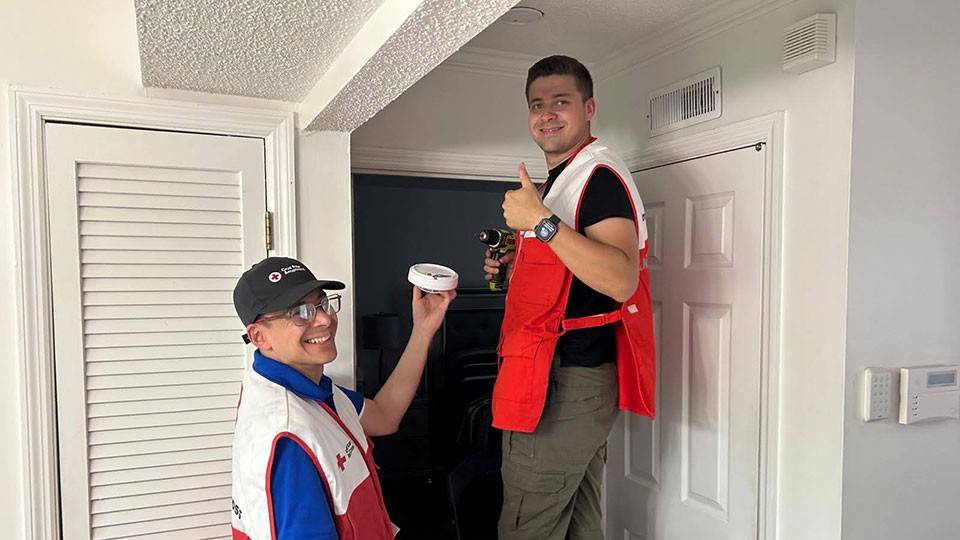
“For many people, time is the biggest barrier to volunteering, but short events like a blood drive or a day helping install smoke detectors makes volunteering doable,” says Podraza. “People can also sign up for a weekend, at night, or even online,” she adds. “The Red Cross has such a variety of programs, there is a fit for every potential volunteer.”
Podraza has volunteered time teaching young children disaster readiness through the “Prepare with Pedro” program, served on disaster action team responding to home fires and has even worked on a “sheltering survey” to assess the capacity of local groups to respond during a disaster.
“Volunteering gives you a chance to do something for yourself and for others,” concludes Podraza. “The Red Cross is a great group to join because we look out for each as well as for the larger community. For me, it’s been such a beneficial experience, and I encourage others to give it a try.”
If you are interested in getting involved with your local American Red Cross, visit redcross.org/volunteer.
Support all the urgent humanitarian needs of the American Red Cross.
Find a drive and schedule a blood donation appointment today.
Your time and talent can make a real difference in people’s lives. Discover the role that's right for you and join us today!