New American Red Cross survey data shows that while 80% of people believe CPR and AED training is important, only 25% feel confident they could act in an emergency.
As CPR and AED Awareness Week begins, new survey data reveals a gap between what Americans believe about emergency response training — and whether they're actually prepared to act.
This week, the American Red Cross joins communities across the country in recognizing CPR and AED Awareness Week. It's a moment to reflect on a simple truth: bystanders can save lives.
Every year, more than 300,000 cardiac arrests happen outside of a hospital in the United States. Survival often depends on how an average person — a friend, a family member, a stranger— responds in the first minutes, before an ambulance arrives. But new survey data from the American Red Cross reveals an important distinction: knowing that CPR saves lives and being prepared to perform it are two entirely different things.
Turning Awareness into Action: In a nationally representative survey of 500 adults conducted by the Red Cross last month, 8 out of 10 respondents said it is "very important" to be trained in CPR and AED use. This should be positive; however, in that same survey, only 1 in 4 said they are "very confident" they could take action if someone collapsed in front of them.
The encouraging news is that the motivation already exists. What’s needed now is greater confidence in real-world response.
While most respondents understood the basics — the concepts, the theory, the general steps, many weren’t sure they had the confidence to act. The biggest barrier to performing lifesaving action was the worry about doing something wrong or hurting the person.
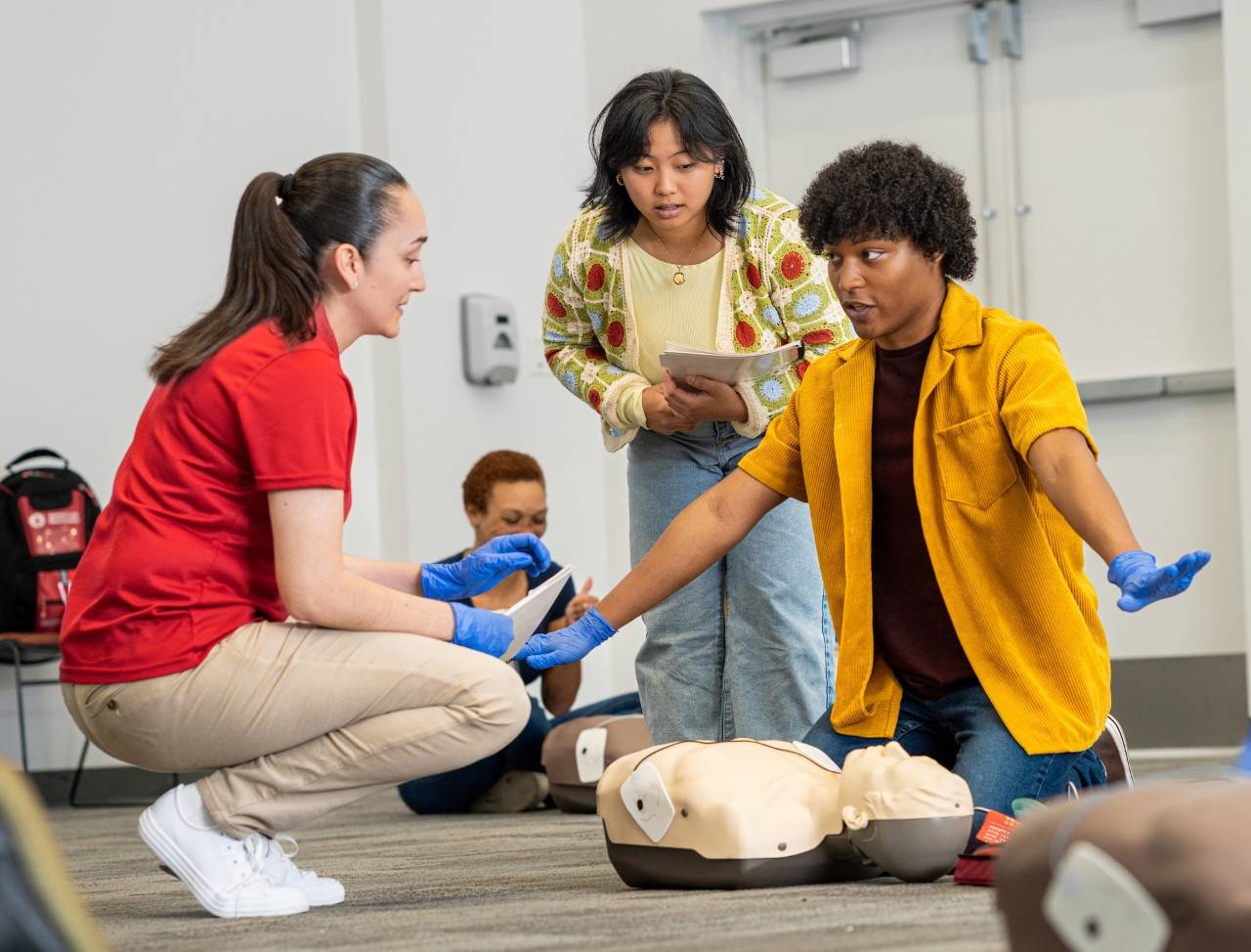
Building Confidence to Perform Lifesaving Skills When Seconds Matter: Hesitation during a cardiac emergency is understandable. No video, social media post or flyer can fully prepare you for the intensity of being asked to respond at that moment. Confidence comes from hand-on practice, the kind that builds muscle memory and rehearsed calm so that when the moment arrives, your body already knows what to do.
AEDs are Designed for Everyday People: Half of respondents in the same survey incorrectly believed that formal training is required to use an AED. In reality, automated external defibrillators (AEDs) are designed specifically for public use. AEDs provide clear voice instructions, analyze the person’s heart rhythm on their own and will not deliver a shock unless one is needed. In many cases, it’s as simple as applying the pads, pressing the button and following the prompts.
Next time you’re in a public space, an airport, gym, school or office building, take a look around and identify where the AEDs are located. They are most often placed in high-traffic, easy-to-access areas such as near elevators, main stairwells, security desks, reception areas, restrooms or eating areas. Knowing where to find one before an emergency happens could help save valuable seconds when every moment matters.
The barrier isn't motivation; it's an assumption that someone more qualified will be there. For more than 100 years, the Red Cross has been a national leader in first aid education, training more than 3 million people per year in first aid, CPR and AED skills to help save lives. What we've learned from that work is that most people who show up for training already believe it matters. They want to be prepared. What stops people from signing up in the first place is the quiet assumption that someone more qualified will be there when it counts.
In a cardiac arrest, that someone may be you. The bystander at the coffee shop. The coworker down the hall. The parent on the sideline. The research tells us you already believe training is important. We're asking you to act on that belief before you need it.
CPR and AED Awareness Week runs June 1–7. There is no better time to strengthen readiness. Find a CPR and AED training course near you at redcross.org/takeaclass
About the American Red Cross:
The American Red Cross shelters, feeds and provides comfort to victims of disasters; supplies about 40% of the nation’s blood; teaches skills that save lives; distributes international humanitarian aid; and supports veterans, military members and their families. The Red Cross is a nonprofit organization that depends on volunteers and the generosity of the American public to deliver its mission. For more information, please visit redcross.org or CruzRojaAmericana.org, or follow us on social media.
Support all the urgent humanitarian needs of the American Red Cross.
Find a drive and schedule a blood donation appointment today.
Take a class and be ready to respond if an emergency strikes.