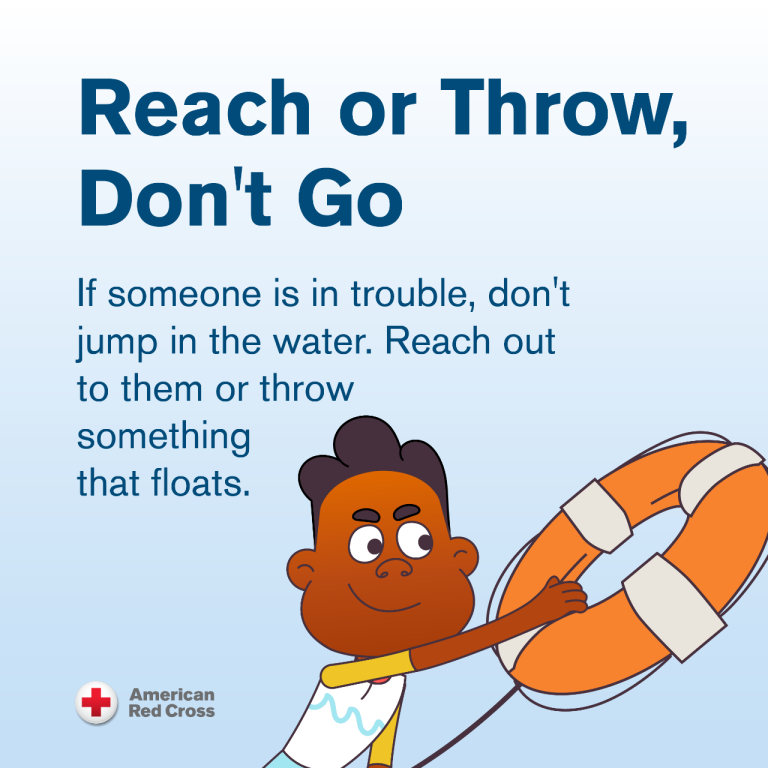
Water competency is being water smart, having basic swimming skills, knowing how to stay safe around water, and understanding how to help others in an emergency.
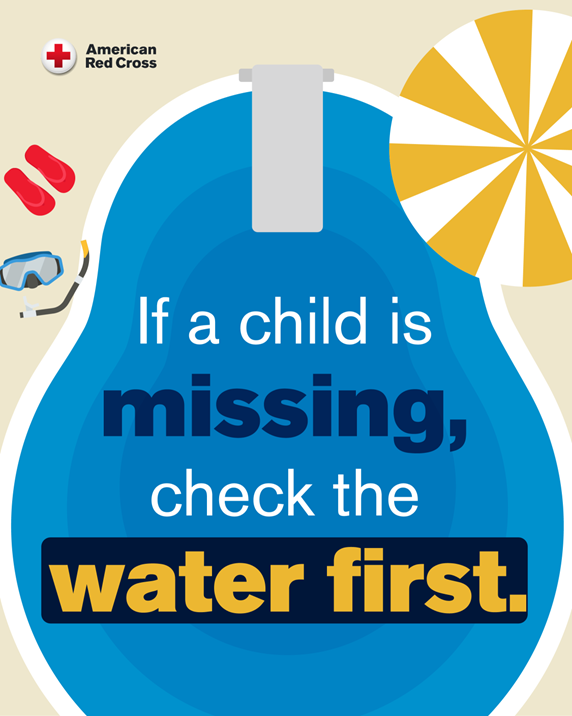
Drowning is preventable, yet it remains one of the leading causes of death for young children and people under 30. What most people don’t realize is that it rarely looks the way it does in the movies. Most people assume they’ll hear splashing or yelling — but drowning is often silent, and it can happen in less than a minute and in as little as a few inches of water.
To help keep families safe before heading to the beach or water park this summer, we spoke with Dr. Bill Ramos, chair of the American Red Cross Scientific Advisory Council’s Aquatics Sub-Council and an Associate Professor in the Indiana University School of Public Health-Bloomington focusing on water safety and drowning prevention, about the simple steps everyone can take to stay safer around the water.
Q: What’s the most important thing families should do before heading to the beach or a water park?
Dr. Ramos: Preparation starts before you leave home. Check the weather forecast, look for information about water conditions like rip currents or thunderstorms, and make sure everyone in your group understands basic water safety rules. It’s also smart to know the exact location or address of where you’ll be in case you need emergency assistance. If it’s been awhile since someone has been in the water, it’s a good idea to take a new look at water safety and their current swimming skills.
Q. Is there anything parents/caregivers can do to help ensure the safety of their kids in the water?
Dr. Ramos: The Red Cross offers the free Water Safety for Parents and Caregivers Online Course. This online course teaches parents and caregivers about the concepts of the circle of drowning prevention water competency and the chain of drowning survival. It also provides guidance for applying water safety to common environments and situations where children are most at risk for drowning.
Q: The Red Cross talks a lot about being “water competent.” What does that mean?
Dr. Ramos: Water competency means more than just knowing how to swim. It includes being water smart, having basic swimming skills, knowing how to stay safe around water, and understanding how to help others in an emergency. Learning to swim is one of the best ways to reduce drowning risk for both children and adults.
Q: Is swimming at a beach with lifeguards really that important?
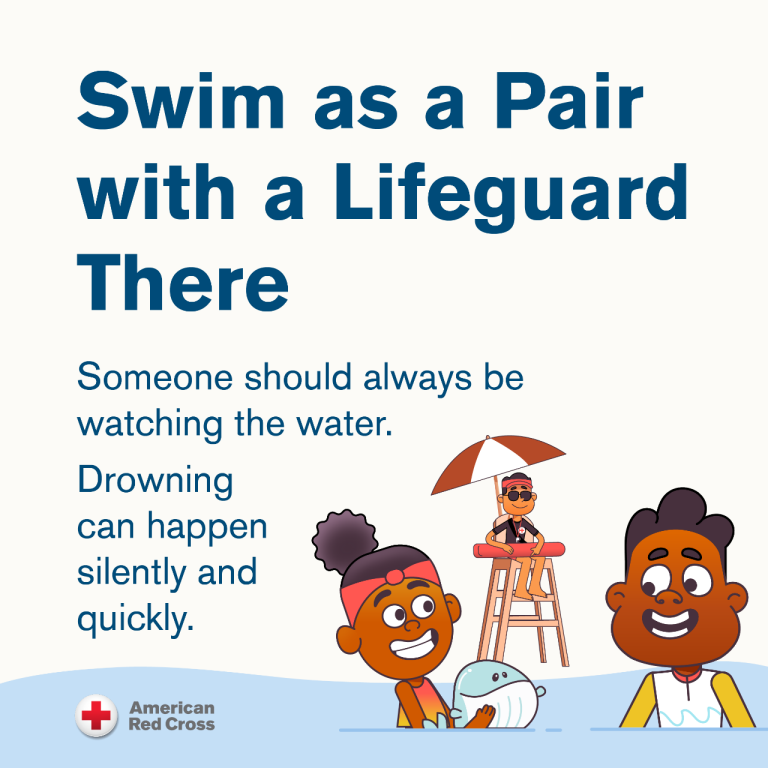
Dr. Ramos: Absolutely. Whenever possible, swim only at lifeguard-protected beaches and stay within designated swim areas. Lifeguards are trained to recognize dangerous conditions and respond quickly in emergencies. It’s also important to follow all posted signs and instructions from lifeguards.
Q: Why does the Red Cross stress never swimming alone?
Dr. Ramos: Even strong swimmers can experience fatigue, cramps or unexpected trouble in the water. Swimming with a buddy means someone can call for help or alert others if there’s an emergency. It’s a simple rule that can save lives.
Q: What role does alcohol play in water-related emergencies?
Dr. Ramos: Alcohol and water are a dangerous combination. Alcohol affects balance, coordination and judgment, increasing the risk of drowning and injuries. According to the CDC, alcohol is involved in up to 70% of deaths related to water recreation. Staying alert and swimming sober is one of the most important safety decisions you can make.
Q: What advice do you have for parents with young children?
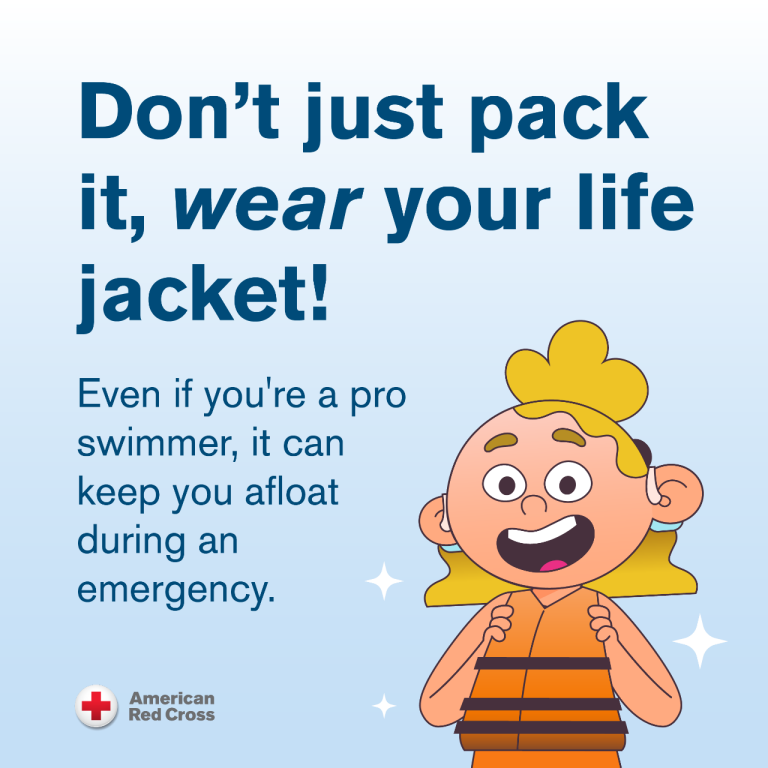
Dr. Ramos: Even if lifeguards are present, parents (or another responsible adult) should stay with their children. Be a “water watcher” – provide close and constant attention to children you are supervising; avoid distractions including cell phones. Children who can’t swim or are weak swimmers should wear a properly fitted U.S. Coast Guard-approved life jacket. Inflatable toys like inner tubes or air mattresses are not safety devices and should never replace life jackets or close supervision. And download the Red Cross Swim App to help your family be safer in and around the water.
Q: Many people underestimate the danger of rip currents. What should beachgoers know?
Dr. Ramos: Rip currents are responsible for many beach rescues and deaths every year. If you’re caught in one, stay calm and don’t fight the current. Swim parallel to the shoreline until you’re out of the current, then swim back to shore. If you can’t swim, float or tread water and signal for help by waving and calling out.
Q: What are the biggest safety reminders for water parks?
Dr. Ramos: Make sure lifeguards are present and always follow posted rules and height or age restrictions on attractions. Parents should keep constant watch over children and use the buddy system, so no child is alone. It’s also important to stay hydrated, wear sunscreen and protective clothing, and leave the water immediately if you hear thunder or see lightning.
Q: Summer sun can also be dangerous. What should people remember about sun safety?
Dr. Ramos: Too much ultraviolet exposure increases the risk of skin cancer and heat-related illness. Stay in the shade, when possible, especially between 10 a.m. and 4 p.m. Wear protective clothing, a wide-brimmed hat and sunglasses, and apply sunscreen with SPF 15 or higher before going outside. Reapply sunscreen every two hours and after swimming or sweating.
Q: Why is First Aid training important for summer activities?
Dr. Ramos: Emergencies can happen anywhere — at the beach, the pool, a water park or even at home. First Aid training helps people respond confidently while waiting for professional help to arrive. Sometimes simple actions in those first few minutes can make a lifesaving difference.
Q: Where can people find more safety resources from the Red Cross?
Dr. Ramos: The Red Cross offers First Aid, CPR and swimming courses for people of all ages. Families can also download the free American Red Cross First Aid App for expert guidance during common emergencies. More information is available at redcross.org/watersafety.
About the American Red Cross:
The American Red Cross shelters, feeds and provides comfort to victims of disasters; supplies about 40% of the nation’s blood; teaches skills that save lives; distributes international humanitarian aid; and supports veterans, military members and their families. The Red Cross is a nonprofit organization that depends on volunteers and the generosity of the American public to deliver its mission. For more information, please visit redcross.org or CruzRojaAmericana.org, or follow us on social media.
Support all the urgent humanitarian needs of the American Red Cross.
Find a drive and schedule a blood donation appointment today.
Take a class and be ready to respond if an emergency strikes.