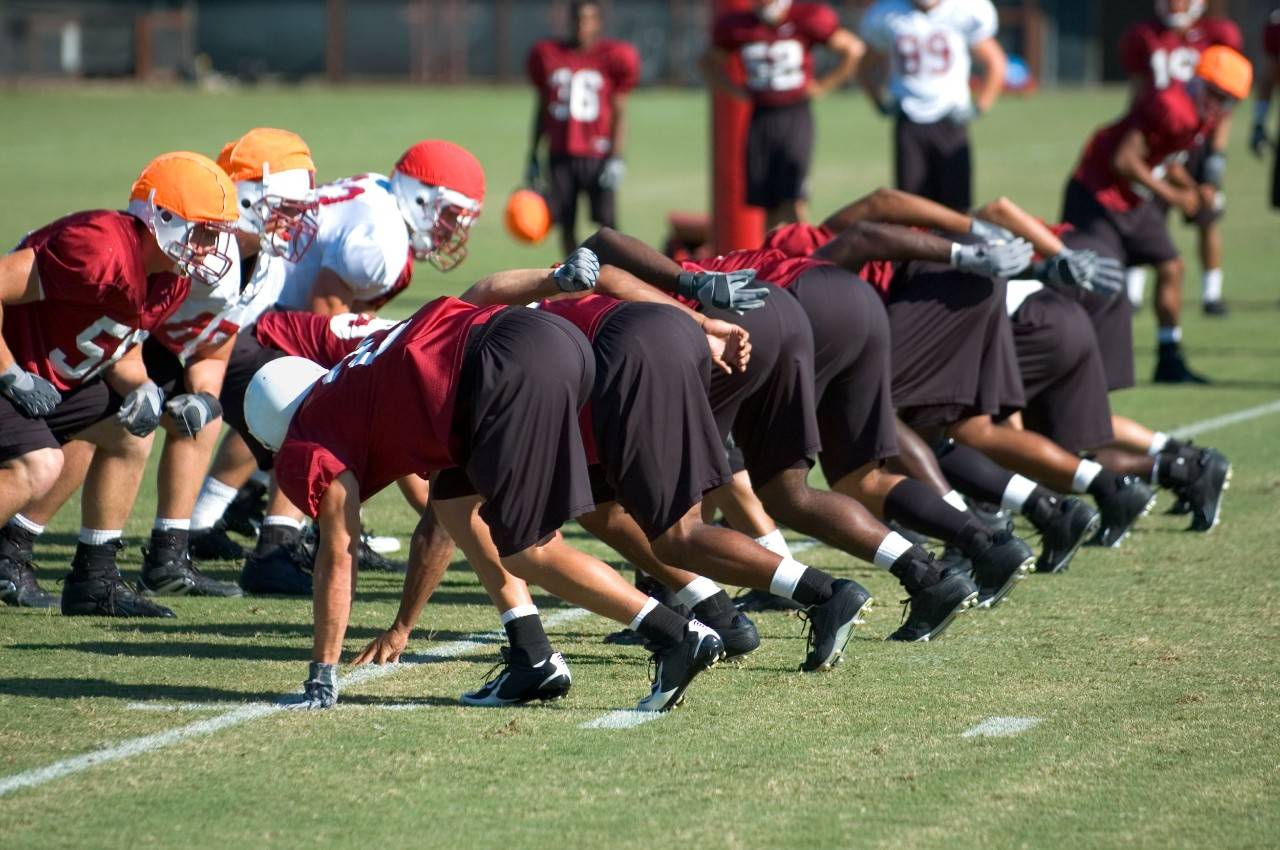
As students get ready for their fall seasons, the Red Cross reminds their coaches, teachers and staff about steps they should take to keep their players safe during outdoor practices in hot weather.
As the new school year approaches, high school students nationwide are preparing for fall activities, many of which involve practicing and rehearsing in increasingly warm conditions.
Kids involved in football, cross-country, soccer, field hockey, marching band and cheerleading could experience heat-related illnesses as they participate in either outdoor practices or sessions in hot gyms with no air conditioning. This can create serious health risks. Coaches, teachers and staff who oversee these activities play a critical role in keeping their students safe in the heat.
TEN TIPS TO KEEP STUDENTS SAFE Here are 10 key safety tips from the American Red Cross to help protect players:
1. Adjust practice times
Avoid outdoor workouts during the hottest parts of the day. Schedule practices for early morning or evening or move activities indoors when possible.
2. Ease into intensity
Gradually build up workout intensity to allow athletes time to adjust to the heat.
3. Stay consistently hydrated
Encourage athletes to drink about a cup of water every 20 minutes—even if they don’t feel thirsty. Limit sugary, caffeinated, and alcoholic beverages.
4. Prioritize proper warm-ups
Even experienced athletes need to stretch and prepare their muscles before strenuous activity to help prevent injuries.
5. Take frequent breaks
Build in regular breaks—ideally every 20 minutes—for athletes to rest, cool down, and hydrate, preferably in shaded areas.
6. Modify equipment and clothing
Reduce the use of heavy gear in extreme heat. Opt for lightweight, light-colored clothing such as breathable jerseys or cotton T-shirts and shorts.
7. Use the buddy system
Encourage athletes to look out for one another—reminding teammates to hydrate and watching for signs of heat-related illness.
8. Know the warning signs
Be able to recognize symptoms of heat cramps, heat exhaustion, and heat stroke—and understand how to respond quickly. See details above.
9. Have an emergency plan
Be prepared for unexpected situations. A clear, practiced response plan ensures athletes receive prompt and proper care if needed.
10. Get trained
Consider completing Red Cross first aid and CPR training. Both in-person and online options are available. Get more information here.
DOWNLOAD OUR FIRST AID APP The Red Cross First Aid app puts instant access to information on handling the most common first aid emergencies at your fingertips including heat-related emergencies. Download this app by searching for ‘American Red Cross’ in your app store or at redcross.org/apps.
HOW TO RECOGNIZE HEAT-RELATED EMERGENCIES
Heat cramps are indicated by heavy sweating and muscle pain or spasms. The person should stop what they’re doing, rest in a cool place and drink a cup of water — or a sports drink — every 20 minutes. Lightly stretch the muscles and gently massage the area to relieve the cramps. If they feel sick to their stomach, pause drinking. Get medical help if cramps last more than two hours or they have heart problems.
Heat exhaustion is more serious and signaled by heavy sweating, weakness, cool and clammy skin, muscle cramps, dizziness, fainting, nausea or vomiting. The person should stop what they’re doing, lie down and rest in a cool place and drink a cup of water — or a sports drink — every 20 minutes. They should also loosen their clothes and place a cool, wet cloth on their body. Get medical help if they are vomiting, don’t feel better in an hour, or have heart or kidney problems.
Heat stroke is a deadly condition signaled by high body temperature, rapid heartbeat, confusion, headache, dizziness, fainting, nausea or vomiting. Take action by calling 911. Rapidly cool the person’s body by immersing them up to their neck in cold water. When water immersion is not possible, use another cooling method – ice packs, cooling towlels a cold shower. If possible, sip a sports drink or water. Continue care until EMS arrives.
PARTNERS IN SAFETY The American Red Cross and the National Federation of High School Associations (NFHS) work together to strengthen safety in school communities nationwide. The NFHS is the national governing body for high school athletics and performing arts programs in the United States.
The Red Cross is a National Philanthropic Partner of the NFHS, the two organizations working to promote safety and civic engagement in school communities nationwide. The initiative provides schools with training, automated external defibrillators (AEDs), and encourages student-led blood drives to boost the nation's blood supply.
The partnership focuses on these objectives:
In addition, the NFHS, in partnership with the Red Cross, offers the First Aid, Health and Safety course through the NFHS Learning Center. This online course equips coaches, officials, and administrators with life-saving skills and the confidence to act in emergency situations. More information is available here.
About the American Red Cross:
The American Red Cross shelters, feeds and provides comfort to victims of disasters; supplies about 40% of the nation’s blood; teaches skills that save lives; distributes international humanitarian aid; and supports veterans, military members and their families. The Red Cross is a nonprofit organization that depends on volunteers and the generosity of the American public to deliver its mission. For more information, please visit redcross.org or CruzRojaAmericana.org, or follow us on social media.
Support all the urgent humanitarian needs of the American Red Cross.
Find a drive and schedule a blood donation appointment today.
Take a class and be ready to respond if an emergency strikes.