
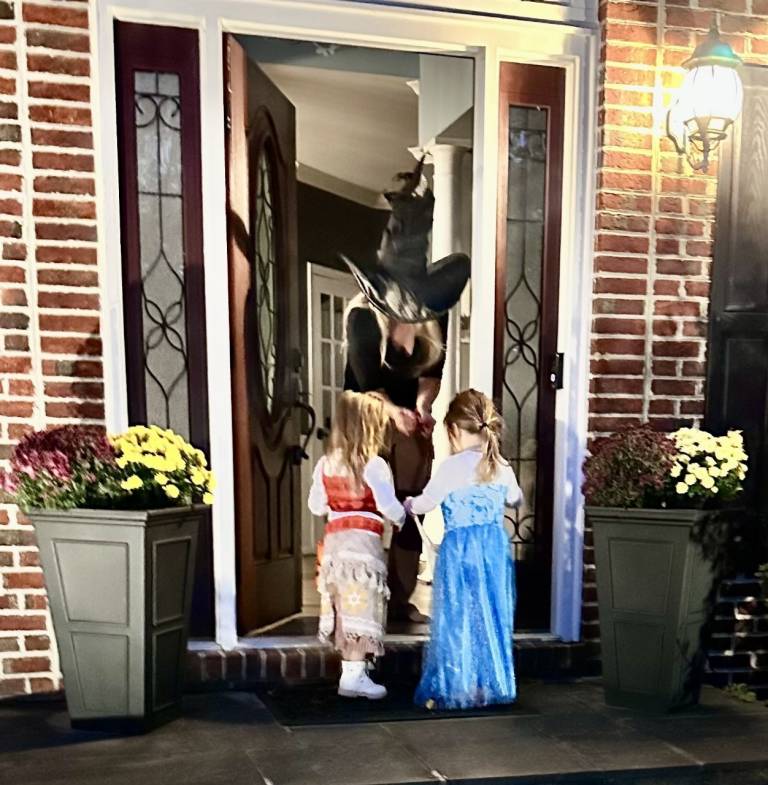


Halloween should be filled with costumes, plenty of treats, and childhood memories, but some of the candy kids bring home can come with hidden hazards. Whether your child is trick-or-treating or attending the neighborhood Halloween party, a few simple precautions and learning lifesaving skills can make sure any scares are part of the fun.
Food Allergies Don’t Take a Break on Halloween.
For many families, food allergies are part of daily life. Think about your child’s classroom. Chances are, at least two of their classmates are living with food allergies. That’s because about one in 13 kids have food allergies in the U.S.
Many of the popular candies handed out on Halloween contain some of the most common food allergens, including milk, eggs, nuts, soy and wheat. In some cases, trace amounts may be present even when an allergen isn't listed on the label, making Halloween a scary time in more ways than one for kids living with severe food allergies.
For mom Jane Helmick O’Brien, preparing for an allergic reaction isn’t hypothetical. Her four-year-old, Maeve, is severely allergic to eggs, so she has taken steps to make sure she’s ready if an emergency happens, including learning how to use an epinephrine auto-injector and practicing with a training device.
“As a parent, my number one job is making sure my kids are safe, and being prepared for a severe allergic reaction is just one part of that job,” said Jane. “Knowing what to look for, how to use epinephrine and having practiced using it ahead of time empowers me and provides a sense of calmness and confidence that I know exactly what to do during a moment that critically matters for my little one.”
While food allergies are always on her mind, Jane says knowing how to recognize the signs of anaphylaxis and administer epinephrine helps her focus less on worrying and more on letting her little one be a kid.
“During Halloween, we let Maeve trick-or- treat with friends, and then when we get home, we check each piece of candy for ingredients. Sometimes we have to google and look up the ingredients online. If we are ever in doubt or not sure, we just don’t let her have it – it’s never worth the risk.”
While it isn’t always possible to avoid every allergen, knowing how to recognize and respond to an emergency can help parents and caregivers feel ready to act when moments matter.
Anaphylaxis is a severe allergic reaction that can become life-threatening within minutes, making it critical to recognize the signs and respond quickly. If you suspect your child or someone else is experiencing anaphylaxis, act immediately. If they have prescribed epinephrine, administer it as directed and call 911.
If you’re using an auto-injector:
Families have options on how they can administer epinephrine. A nasal spray may also be prescribed, offering a needle-free option that could feel less intimidating for some little ones.
Red Cross training covers how to recognize anaphylaxis and administer epinephrine using either an auto-injector or nasal spray. Parents and caregivers can learn these lifesaving skills in 60 minutes by taking our online class.
Allergies aren’t the only reason to take a closer look inside the trick-or-treat bag.
Candy can also present a choking hazard, particularly for young children, as they are still developing skills to chew and swallow properly. Parents of kids under five years old should toss hard, gooey or sticky candies from the trick-or-treat bag to lower the risk of choking. Gummy bears and chewing gum are also risky.
If a child is choking, call 911 and:
Learning lifesaving skills and a little preparation can help families enjoy Halloween with fewer surprises. You can find more tips on keeping little ghouls and goblins safe this year, whether you're accompanying them trick-or-treating or welcoming them to your doorstep here.
About the American Red Cross:
The American Red Cross shelters, feeds and provides comfort to victims of disasters; supplies about 40% of the nation’s blood; teaches skills that save lives; distributes international humanitarian aid; and supports veterans, military members and their families. The Red Cross is a nonprofit organization that depends on volunteers and the generosity of the American public to deliver its mission. For more information, please visit redcross.org or CruzRojaAmericana.org, or follow us on social media.
Support all the urgent humanitarian needs of the American Red Cross.
Find a drive and schedule a blood donation appointment today.
Take a class and be ready to respond if an emergency strikes.