By Kate Walters, American Red Cross
In Colorado, when something goes wrong, people show up.
Floods come. Fires burn. Families lose homes. And almost immediately, someone starts asking: "What can we do?"
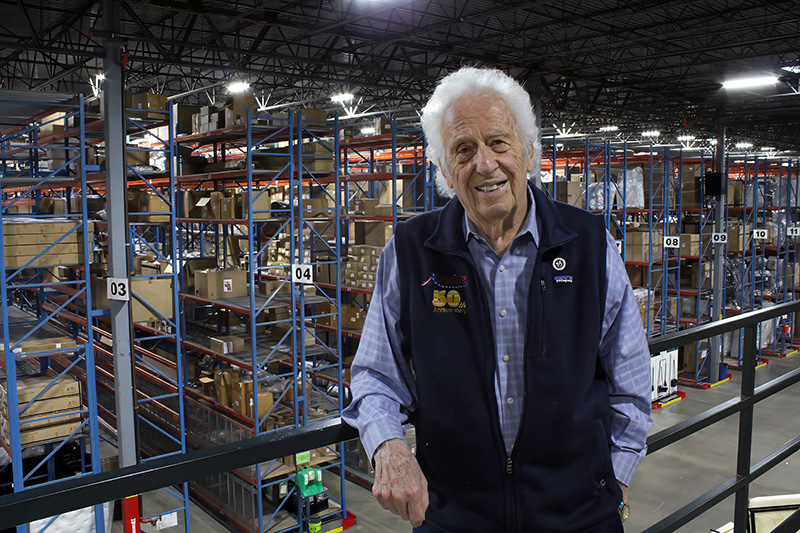
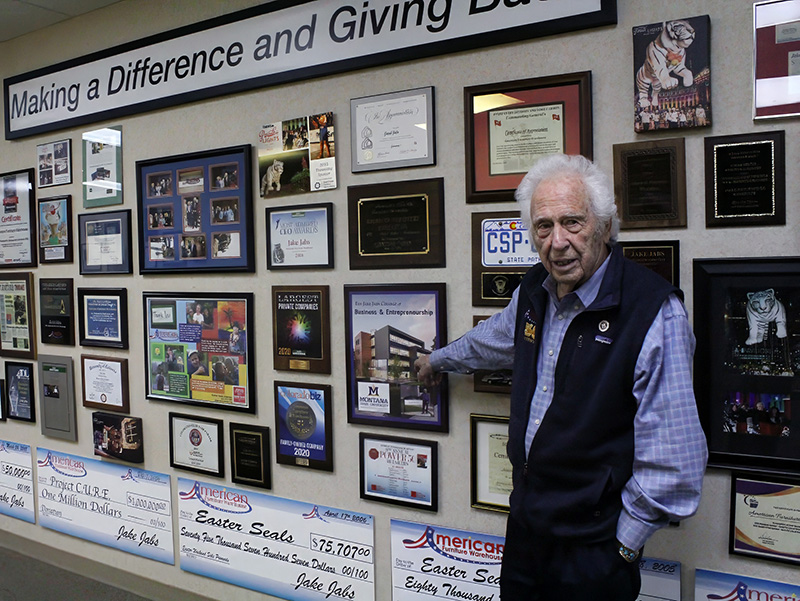
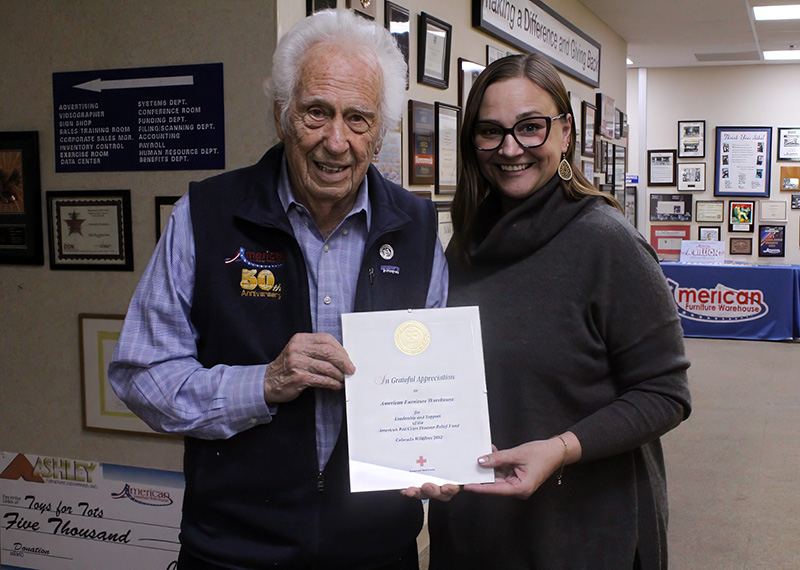
Jake Jabs knows that instinct well.
The founder of American Furniture Warehouse — and co-chair of this year's Salute to Heroes event — has spent decades giving back to communities across Colorado and beyond. But one disaster in particular changed the way he thinks about philanthropy — and about the American Red Cross.
In September 2013, historic flooding tore through Colorado's Front Range. Roads disappeared. Entire communities were cut off. More than 18,000 homes were damaged or destroyed across 17 counties. In some places, nearly a year's worth of rain fell in just a few days.
At the time, Jabs had a store in Fort Collins and watched families trying to recover in real time.
People needed mattresses, furniture, beds for their children. Basic things.
So American Furniture Warehouse tried to help. That’s when he discovered something surprising.
"It just didn't work," Jabs said. "We didn't know how to do it."
It wasn't because the need wasn't real, but because disaster response is more complicated than most people realize. Questions come fast: "Who qualifies for assistance? How do you verify losses? How do you distribute aid fairly? How do you help thousands of people at once while entire communities are still in crisis?"
That was the moment Jabs began to understand the value of organizations built specifically for disaster response.
"We found an outfit that knew what they were doing," he said of the Red Cross. "They had people on the ground. They had a plan. They had a system."
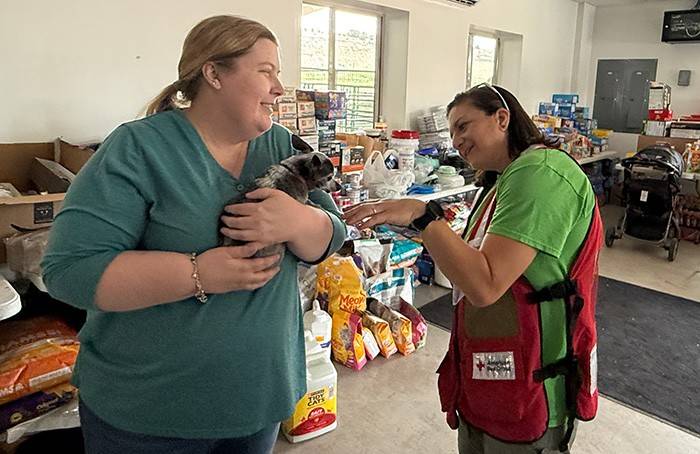
During the 2013 floods, the American Red Cross mobilized a large-scale response — opening shelters; setting up emergency aid stations; distributing meals, water and emergency financial assistance; and deploying nurses, mental health workers and trained volunteers. In some cases, responders worked to reach people in isolated mountain communities cut off by floodwaters.
That experience reshaped how Jabs approaches giving.
"You can spend a lifetime trying to figure out how to give things away the right way," he said. "It's complicated."
Over time, he developed a simple philosophy: support organizations that specialize.
"You have to give to people who know what they're doing," he said.
For Jabs, that idea extends far beyond disaster relief. Over the years, he has supported hospitals, veterans' organizations, disability services, food banks and global health efforts — each chosen for their ability to solve specific problems.
The Red Cross, he says, fills a unique role.
"It's not just floods," he said. "It's all kinds of disasters. That’s what they do."
And disaster response, he's learned, isn't something you improvise.
The Red Cross doesn't act alone. It brings together volunteers, donors, local partners and community organizations — each contributing their own expertise. It's a model built not just on generosity, but on coordination.
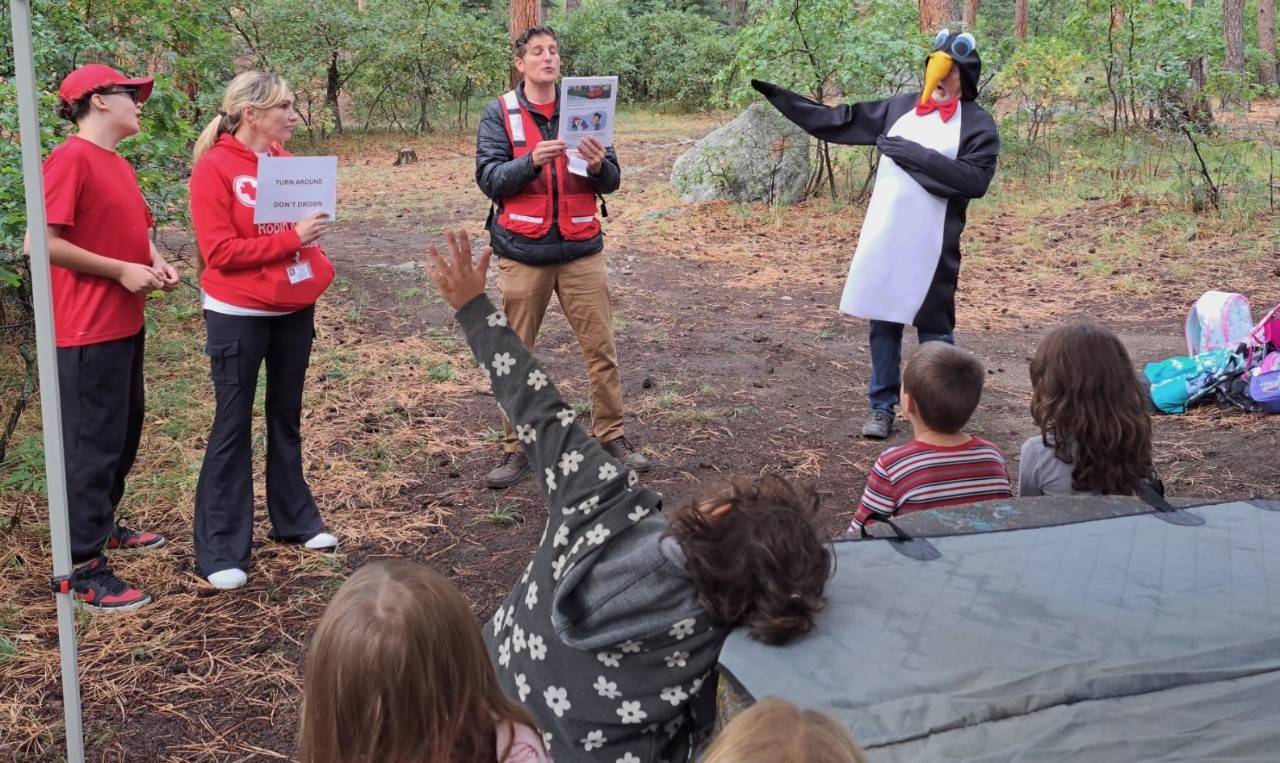
Across Colorado, that same model plays out every day whether it's volunteers opening shelters, partners installing smoke alarms or community groups stepping in when families need help most.
Jabs understands that instinctively.
"We're part of the community," he said. "We help each other."
He credits that same sense of community for the success of his own business over the last 50-plus years.
"The reason we're successful is that people recommend us," he said. "The community helps you, too."
That connection is one reason he agreed to serve as co-chair of this year's Salute to Heroes event. For him, it's not just about recognition — it’s about helping people understand the role the Red Cross plays every day in communities across Colorado and beyond.
"I'm not sure a lot of people know all the things the Red Cross does," he said. "It's a way to let people know."
He's also looking forward to something more personal: meeting the people behind the stories.
"It's amazing when people who have been helped come up and say, 'Thank you,'" he said. "It's heart-lifting."
He's seen that gratitude firsthand — families rebuilding after losing everything, walking into his stores with a chance to start over.
"You really feel for those people," he said.
For Jabs, the lesson is clear.
Helping matters — but helping well matters more.
No one person. No one business. No one organization can do it alone.
But together — when people, partners and organizations each bring what they do best — something powerful happens.
Together, they create something bigger than any one donation. Because when disaster happens, people do not just need generosity. They need generosity that knows where to go.
Support all the urgent humanitarian needs of the American Red Cross.
Find a drive and schedule a blood donation appointment today.
Your time and talent can make a real difference in people’s lives. Discover the role that's right for you and join us today!