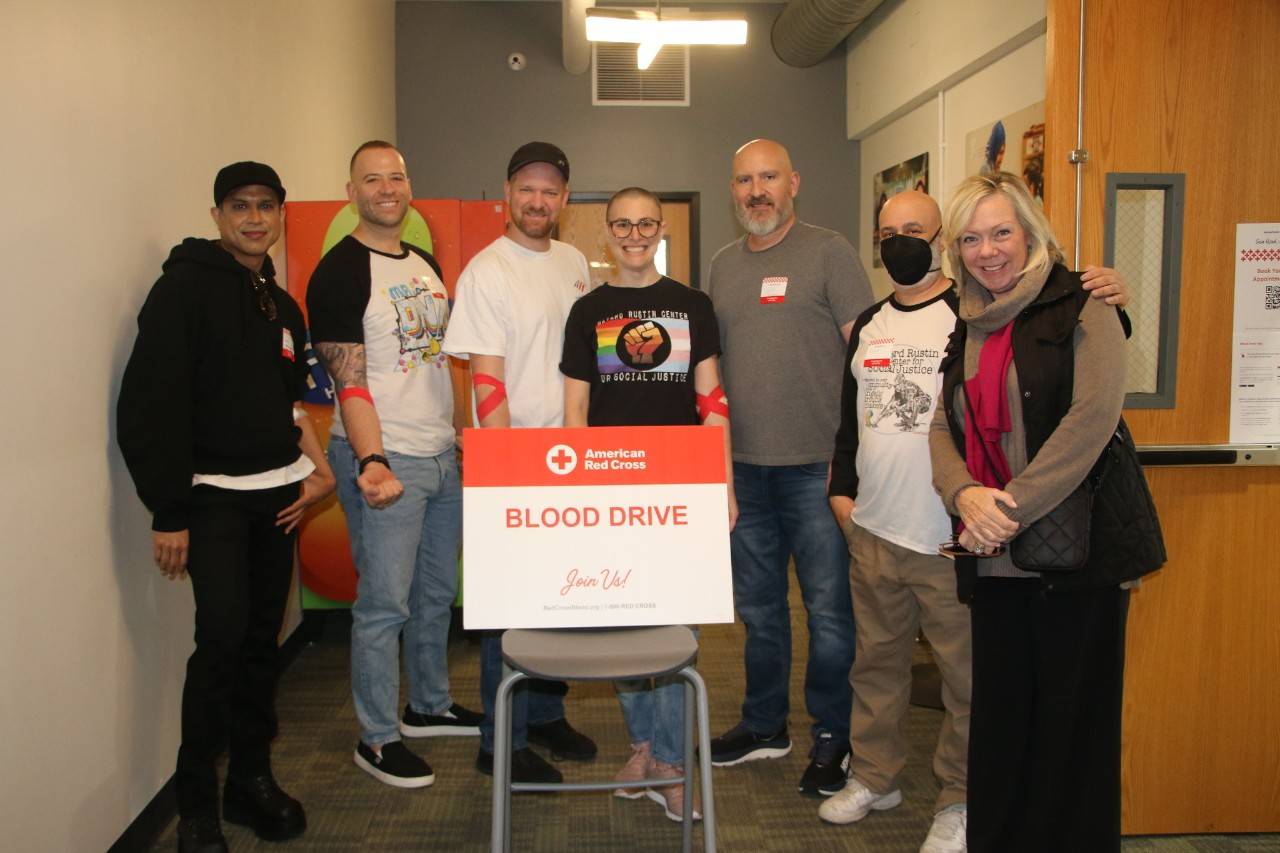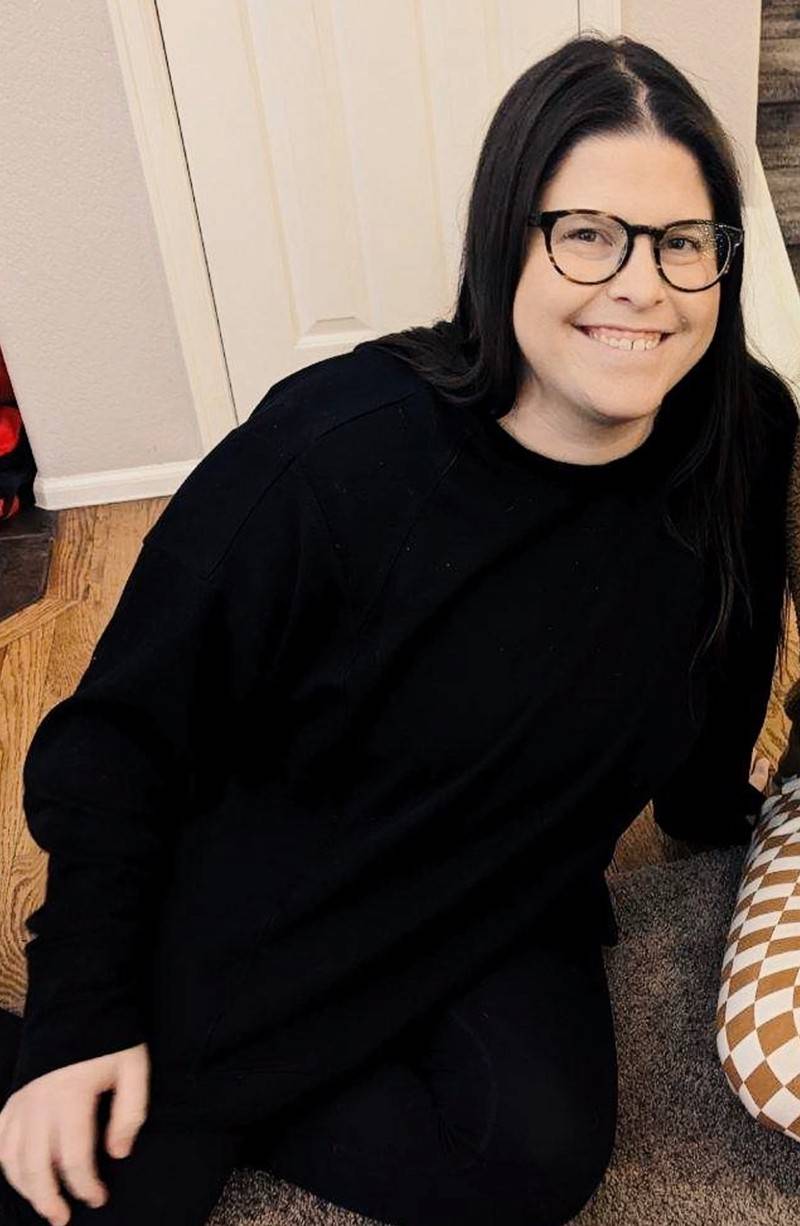
Following a diagnosis of ovarian cancer, Michaela Houghton went from being a full-time caregiver to needing help full-time. The nine blood transfusions she received during her treatment helped her consider how much the kindness of blood donors helped save her life. Photo provided by Michaela Houghton
By Emma Needell, American Red Cross
Michaela Houghton woke up one Tuesday morning and found she could barely breathe.
That wasn't the only problem. Her vision blurred when she tried to stand and her legs ached so badly she could hardly walk. She hated going to the doctor, especially after the past three months of bouncing between urgent care visits for what doctors kept calling bronchitis, but that morning, her mother insisted on driving her to the emergency room.
At the hospital, bloodwork showed her hemoglobin levels had dropped to 7 grams per deciliter, a dangerously low level that required an immediate blood transfusion. She didn't even know her blood type before that day and had only had her blood drawn a handful of times.
"I kept thinking of Grey's Anatomy," Michaela recalled with a laugh. "Like, 'This is crazy, this isn't real.'"
Over the next few weeks, the full picture came into focus. What had started in January as a lingering cough — then a cracked rib in March from all that coughing — then severe exhaustion in May, was not just a bad cold or burnout. Doctors had found an 8-inch mass on her right ovary.
Days later, an oncologist confirmed it: she had ovarian cancer.
Before this moment, Michaela had been the one providing care to others for the past 30 years.
It started when she was 8 years old. Her father had recently died and after changing schools, she was still trying to find her footing when the principal suggested Michaela volunteer with the Special Olympics as a way to give back and feel connected to her new community.
At the time, most children involved had a sibling or family member in the program. Michaela did not. Still, she quickly found her place. She saw the athletes — who were also her age — all week at school, in the cafeteria and at recess, and then again on weekends when they gathered for practices and games.
"I always saw them as my peers," she said.
But what stood out to her, even then, was how often those same peers were separated from everyone else. Different classrooms. Different expectations. A visible discomfort from people who did not know how to speak to them or around them.
What she noticed in her Special Olympics work stayed with her. Years later, it shaped the career she chose: supporting adults with intellectual and developmental disabilities as a direct care provider, helping them build fuller connections to the world around them.
"I spent a lot of time early in my career helping teach them how to follow social norms," Michaela said. "But then I realized, the marginalized group shouldn't always be the ones who have to adapt. The community should adapt to them, too."
Over time, that became the deeper purpose of her work — not simply helping individuals navigate the world as it existed, but asking more of the world around them, too.
Michaela is the first to admit she does not always get it right, but caregiving had become the role she understood best in herself. But what she had never practiced, at least not in the same way, was being the person who needed care in return.
In the months that followed the cancer diagnosis, treatment and recovery became all-consuming. There were scans, consultations, hospital stays, surgery scheduled then moved up after the tumor started pulling blood away from the rest of her body. After the mass was removed, she began chemotherapy, which meant more appointments, more bloodwork and weeks when all she could muster was moving from the bed to the couch. She went from full-time caregiver in her work to needing help full-time.
"I didn't even cry about the cancer diagnosis," she said. "Honestly, asking for help was harder."
Her mother became a constant source of love and strength through all of it, driving her to appointments and taking care of her at home. Her aunt stepped in, to help them both. Friends checked in and brought her meals. Even her mother's work colleagues, whom Michaela had never met, sent her a care package.
And then there was the care that was just as essential to her survival, but given to her by people she would never know by name.
By the time treatment was over, Michaela had received nine blood transfusions. The first two came before surgery, while others followed during chemotherapy, after her anemia became severe. It was only later, after the immediate urgency of survival passed, did she start to think about where that blood had come from. Until then, blood donation had felt abstract and distant, something she knew people did but never imagined needing herself.
"These donors are quite literally saving my life," she said. "I wish there was a way to tell them what they did for me."
Once the doctors officially cleared her of cancer and her hair started to grow back, people naturally assumed the hardest part was over. But Michaela has found herself on a path to recovery that is harder to define — looking healthy on the outside while still trying to understand what had changed about her life, what had not and how to trust her body and instincts again.
"The most eye-opening part of this is how much the community gave back to me over the past year," she said. "Even though things feel so heavy sometimes, there is so much good in the world. Small stories go further than major headlines."
Support all the urgent humanitarian needs of the American Red Cross.
Find a drive and schedule a blood donation appointment today.
Your time and talent can make a real difference in people’s lives. Discover the role that's right for you and join us today!