Written by Amber Bierfreund
When floodwaters begin to recede, the damage left behind tells only part of the story. For American Red Cross volunteers like John Lanzetti, understanding the full impact of a disaster is one of the first steps toward helping a community recover.
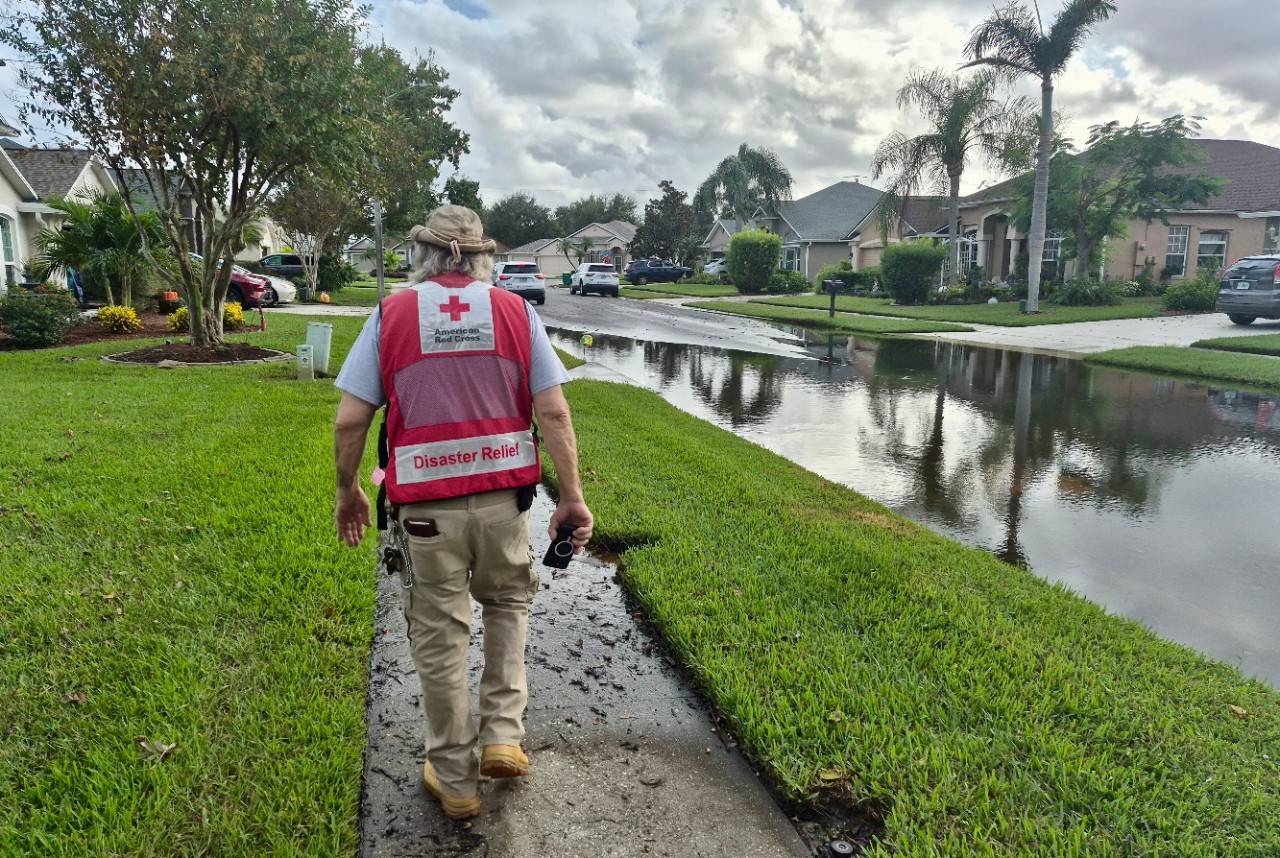
As residents across Brevard County begin assessing their losses following widespread flooding, Lanzetti is among the Red Cross volunteers working to answer some critical questions: Where is the damage? How severe is it? And what will families need to begin putting their lives back together?
Currently, five Red Cross damage assessment teams are working throughout Brevard County, surveying affected neighborhoods and gathering information that will help guide the ongoing disaster relief operation.
While the work may not be as visible as opening shelters or distributing emergency supplies, damage assessment is essential to making sure the right help reaches the right communities.
Looking Beyond What You Can See
Flood damage isn’t always easy to spot, and it rarely follows a predictable pattern.
One street may have little damage, while just around the corner, families may be facing extensive losses. Entire neighborhoods can appear untouched, even as isolated pockets of severe flooding leave homes uninhabitable.
In some cases, the hardest-hit areas are also the most difficult to reach. Standing water, blocked roads and unsafe conditions can prevent assessment teams from immediately accessing damaged neighborhoods.
That’s where volunteers like Lanzetti come in.
Damage assessment teams travel through affected communities, documenting visible damage to homes and classifying the severity of the impact.
Homes are generally categorized as destroyed, meaning they are a total loss or beyond reasonable repair; major damage, indicating significant damage that may make a home unsafe or uninhabitable without substantial repairs; or affected, meaning the home sustained damage but remains generally habitable.
These classifications help the Red Cross understand not only how many homes have been impacted, but also the severity of the damage and the potential needs of the families who live there.
Turning Information Into Action
For Lanzetti, the importance of damage assessment comes down to two things: speed and accuracy.
Proposed quote for John Lanzetti — pending approval:
“After a disaster, every minute counts, but getting the information right is just as important,” said Lanzetti. “We need to know where the damage is, how bad it is and how many families are affected. That helps us figure out what kind of help is needed, where to send supplies and volunteers, and how to plan for what comes next. The sooner we have an accurate picture, the sooner we can get the right resources to the people who need them.”
The information collected by Lanzetti and his fellow volunteers is shared with Red Cross disaster leadership, including national headquarters, to help determine the scope of the operation and the resources needed to support local communities.
Those findings can influence everything from how many additional volunteers are needed to where supplies should be positioned and what recovery assistance may be necessary.
Accurate assessments also help prevent smaller, isolated communities from being overlooked simply because their damage isn’t as widespread or visible.
Finding the Hidden Damage
One of the challenges following a flood is that the full extent of the destruction may take days to uncover.
Water can enter homes and cause significant damage without leaving obvious signs from the street. In other areas, floodwaters may remain too high for teams to safely reach affected properties.
As conditions change and more neighborhoods become accessible, damage assessment teams continue gathering information and updating their findings.
It’s a process that requires patience, attention to detail and a commitment to making sure affected communities are accounted for.
For the Red Cross, each assessment is another piece of a much larger puzzle.
Helping Communities Take the Next Step
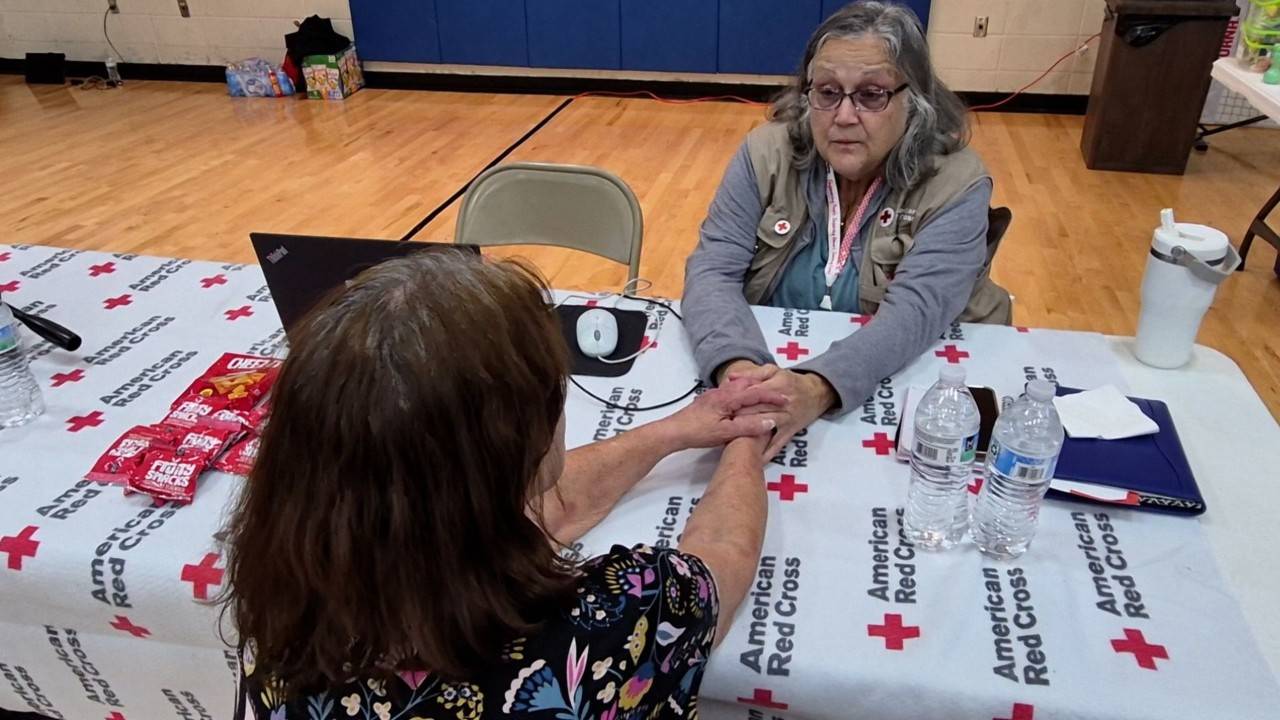
As the Red Cross continues operating a shelter for Brevard County residents displaced by flooding, the work of damage assessment volunteers is helping shape the next phase of the relief effort.
The information they gather helps disaster leaders determine what additional support may be needed as families begin the difficult process of recovery.
And with the potential for additional flooding still a concern, assessments will remain an important part of understanding how the situation is evolving.
For Lanzetti and the other volunteers working throughout Brevard County, the mission is about more than documenting damaged homes.
It’s about helping the Red Cross see the full picture of a disaster so that families and communities aren’t left behind.
Because behind every damaged home is a family facing an uncertain future, and every accurate assessment helps the Red Cross take another step toward getting them the help they need.
Support all the urgent humanitarian needs of the American Red Cross.
Find a drive and schedule a blood donation appointment today.
Your time and talent can make a real difference in people’s lives. Discover the role that's right for you and join us today!