By Lafe Low, Red Cross writer
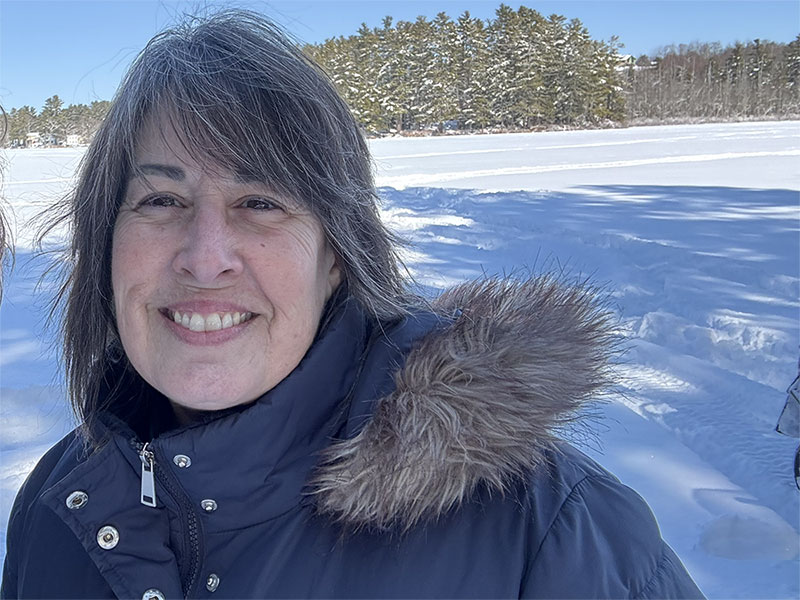
More than a dozen disaster deployments, decades of volunteer service and a career in the military have reinforced one belief for Stephanie Carter: when people need help most, someone has to answer the call.
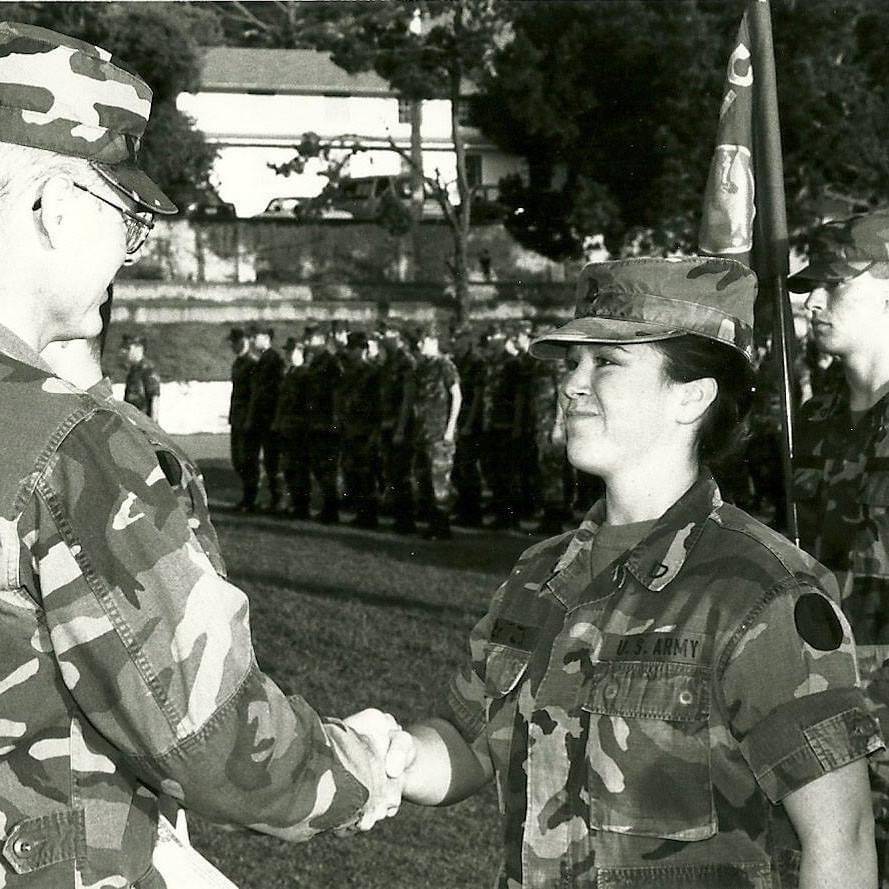
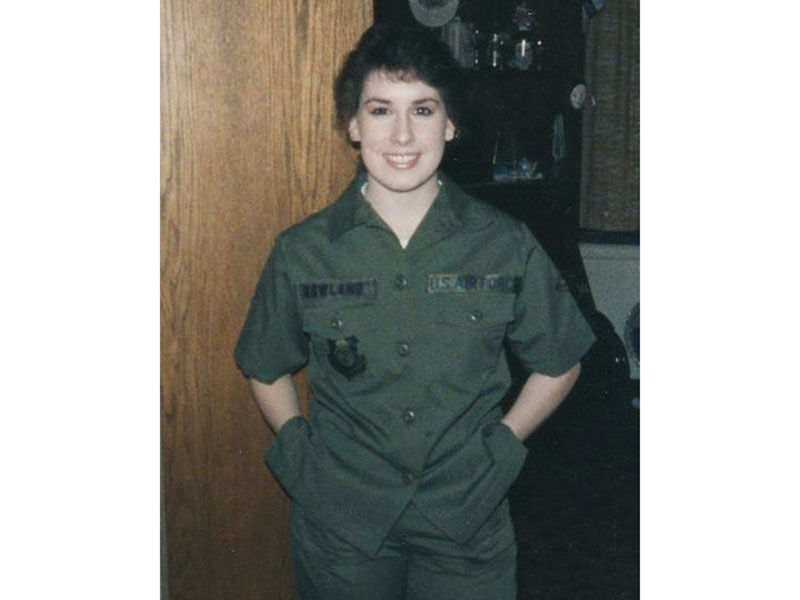
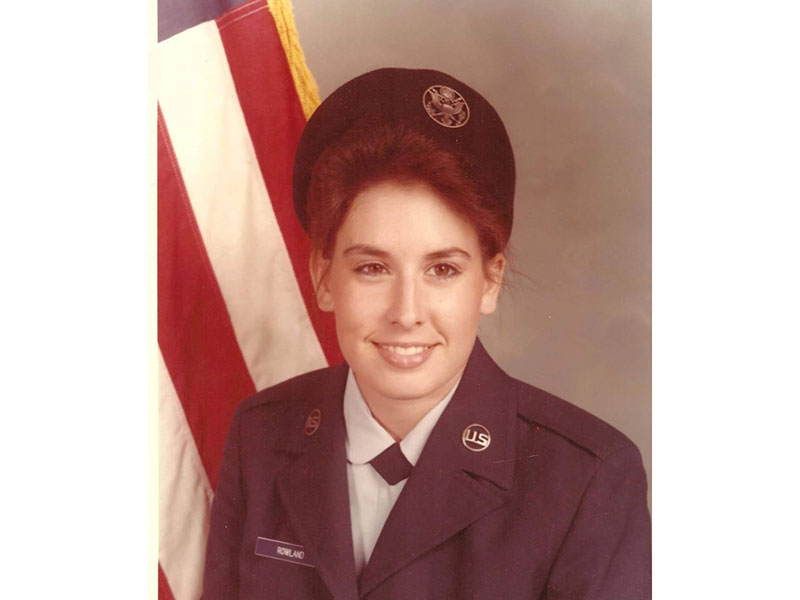
“My dad suggested that I go into the Air Force,” Stephanie said. “I had both of my parents sign off on the authorization to allow me to go in at 17. I turned 18 while I was in basic training.”
Stephanie eventually rose to the rank of sergeant. Her last deployment with the Air Force was in Okinawa, Japan, where she met her husband. The couple moved back to the states and started a family. After her time in the military, Stephanie’s urge to serve began to rise again in her consciousness.
“I had been a stay-at-home mom for a couple of years, and I just had this calling. I felt a really strong pull that I needed to volunteer somehow,” she said.
Stephanie reached out to several organizations looking to put the skills she developed in the Air Force to work for a non-profit.
“The Red Cross called me back. My experience had been with newsletters and press releases, so I got involved with public affairs. I would volunteer for a few years, then go back to work for a few years, then volunteer for a few years, then go back to work for a few years,” she explained.
Driven to Deploy
One of Stephanie’s favorite aspects of serving with the Red Cross has always been the ability deploy to disaster zones.
“Hurricane Katrina was my first deployment. I ended up going to Montgomery, Alabama. There was a headquarters in an old Kmart building,” she remembers. “I got involved with writing stories and doing a newsletter for headquarters. Then as the need for stories started to wind down, I got involved with client services and went out taking down client information on the damage that was done.”
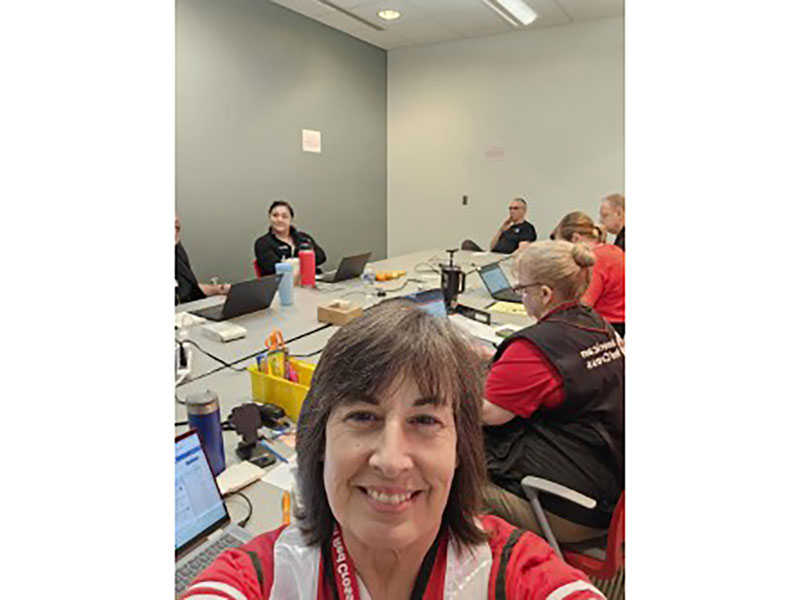
Between deployments, Stephanie helped connect Red Cross volunteers with disaster response opportunities across the country. She has also served as a lodging specialist, and worked extensively to help bring in new volunteers to train as staffing specialists, staff planning and support specialists. Her efforts helped ensure the Red Cross would be ready to respond at a moment’s notice.
“If anything happened in the northern New England area, would we need our own mobilization center? Where could we set those up in the different states?” she said explaining her thought process. “I was just working on ideas, trying to figure out who’s available if something were to happen in Northern New England. Would we have a team to support the other volunteers?”
This type of logistical work with the Red Cross capitalized on her experiences from when she served in the Air Force. It’s one of the many similarities she sees between her Air Force and Red Cross work.
“At some level, you're providing customer service and you're trying to make everybody feel good in a tough situation. You're trying to support each other so that on the hard days, you don't feel like you're the only one that feels bad or feels emotional.”
Stephanie appreciates having an entire workforce working together to help both those affected by the disaster as well as the Red Crossers supporting the displaced communities.
“We don't provide health services, spiritual care or emotional support just to our clients. We also help our volunteers as well,” she said.
Stephanie also embraces the constant change and the challenge to be agile.
“It's always just something completely different. On each deployment, you're learning or having a whole new experience,” she said. “And then on each deployment, you run into familiar faces and that makes it feel more like family.”
Helping After Helene
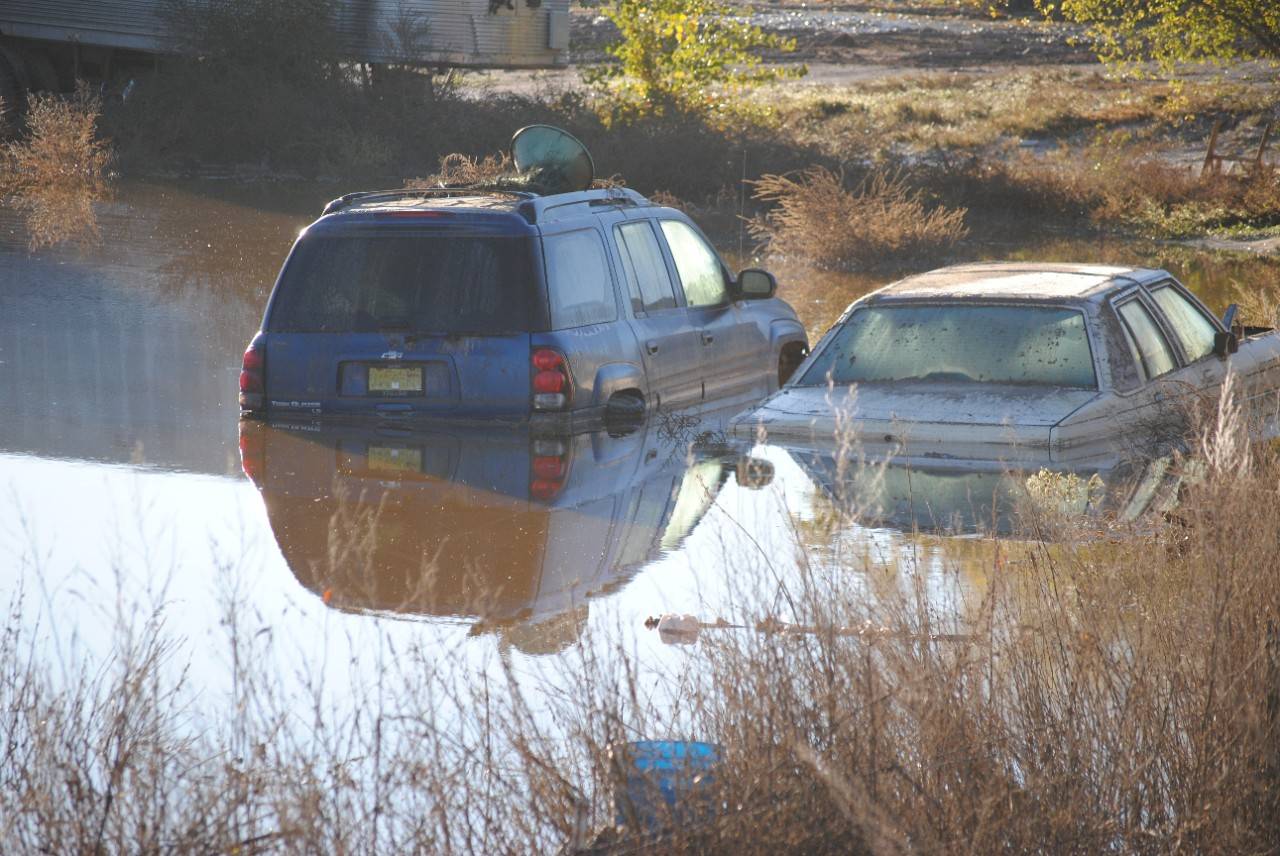
While Stephanie has deployed more than 14 times with the Red Cross, the deployment that truly sticks out in her mind was Hurricane Helene in North Carolina a few years ago.
“Driving in, I was really surprised by the flooding in the mountains. There was flood debris up against a highway sign at the top of a mountain. How is it possible for a highway to flood in the mountains?” she asked. “It's just unbelievable the type of damage that was done by nature.”
She arrived in Asheville, North Carolina soon after the hurricane passed through the area.
“We supported volunteers who were looking for communities that hadn't been discovered yet. There was no running water at headquarters. We had bathroom trailers in the parking lot, volunteers were arriving in large numbers and the local restaurants that could still operate were providing food,” she said.
The top priority was to ensure access to running water and lodging. “They were trying to rebuild the water situation. Many of the hotels were either closed or damaged. Just trying to work around that and having the community support us, we just had to keep doing what we had to do regardless of the situation. The realities were pretty stark.”
Stephanie describes how it felt arriving to such a chaotic scene, then seeing the organizational wheels of the Red Cross start turning.
“In the first 24 hours, it's this high anxiety and excitement of, ‘Okay, do I have everything I need and how do I get to the airport? And I don't want to forget anything.”
Stephanie knows no two disasters are alike, and even as a seasoned disaster responder, there is always uncertainty.
“Do I think it's going to be a shelter or do I think it’s going to be a shared hotel room? Am I'm going to be gone for three weeks or two weeks? There’s a certain nervousness of who am I going to see out there and how's everything going to go and is everything going to be okay at home?”
She says it doesn’t take long for her to feel settled once she has her boots on the ground. “Everybody gets pointed wherever they need to go, and then their role in the mission starts. It's just getting through those steps of getting there and getting started.”
Fit for Full Time
Earlier this year, Stephanie decided it was time to turn her passion for the Red Cross into a full-time career.
After years of service as a volunteer and a career in the Air Force, the opportunity with the volunteer services team felt like a natural fit. Her new role allows her to draw on decades of leadership, project management and disaster response experience while continuing the work she finds most meaningful. She will also still have the opportunity to deploy.
"In this position, I could be deployed in a Workforce Disaster Event-Based Volunteer role."
In her new role, Stephanie will manage the engagement queue, helping connect volunteers with positions that match their interests, skills and experience. It's a responsibility she sees as an opportunity to strengthen the volunteer workforce while supporting the mission she has long embraced.
"It's a good combination of my work life and experience and my volunteer life and experience," she said. "Hopefully by meshing the two together, I can bring my administrative experience and project management experience along with my disaster cycle experience and the needs of the Red Cross to build a larger volunteer workforce."
This Veterans Day, the Red Cross honors those who have served and recognizes the experiences, sacrifices and continued contributions of veterans and military families in communities across the country. Whether someone is serving today, transitioned out of military service decades ago, lives near a military installation or simply knows a veteran, military service is part of the fabric of communities across the country. There are more than 15 million veterans in the United States. Veterans are our neighbors, coworkers, family members and community leaders, making support for the military community important for all Americans.
In Northern New England, 140 Red Cross employees and volunteers proudly identify as veterans, bringing their commitment to service from the military into communities across Vermont, New Hampshire and Maine.
Support all the urgent humanitarian needs of the American Red Cross.
Find a drive and schedule a blood donation appointment today.
Your time and talent can make a real difference in people’s lives. Discover the role that's right for you and join us today!