By, Lakyn Webb, American Red Cross
Andrew Luetje expected an ordinary summer afternoon on the pickleball court, but found himself helping to save a life when a fellow player took a drink of water, groaned and suddenly collapsed.
At first, Andrew thought Tom might be experiencing a seizure, but it quickly became clear the situation was far more serious. Luetje dialed 911 and began speaking with the dispatcher as he moved in to help.
Tom was unresponsive and turning blue, so Andrew began CPR immediately. He continued chest compressions for seven or eight minutes until police officers arrived, and an AED and oxygen were used until paramedics arrived. Andrew later learned Tom had only a 10% chance of survival, even in a hospital setting. But he survived and made a full recovery because his quick action made the difference.
For Andrew, what matters most is what came after. The man he helped save got to see two grandchildren born and his son get engaged within just a few months of the event. Those milestones are a reminder of the importance of quick action.
Andrew said the CPR training he had taken over the years came back right away. He had learned CPR through work and other classes, and when the emergency happened, he said he was “on autopilot.” He had never used CPR in a real emergency before, but he did not hesitate.
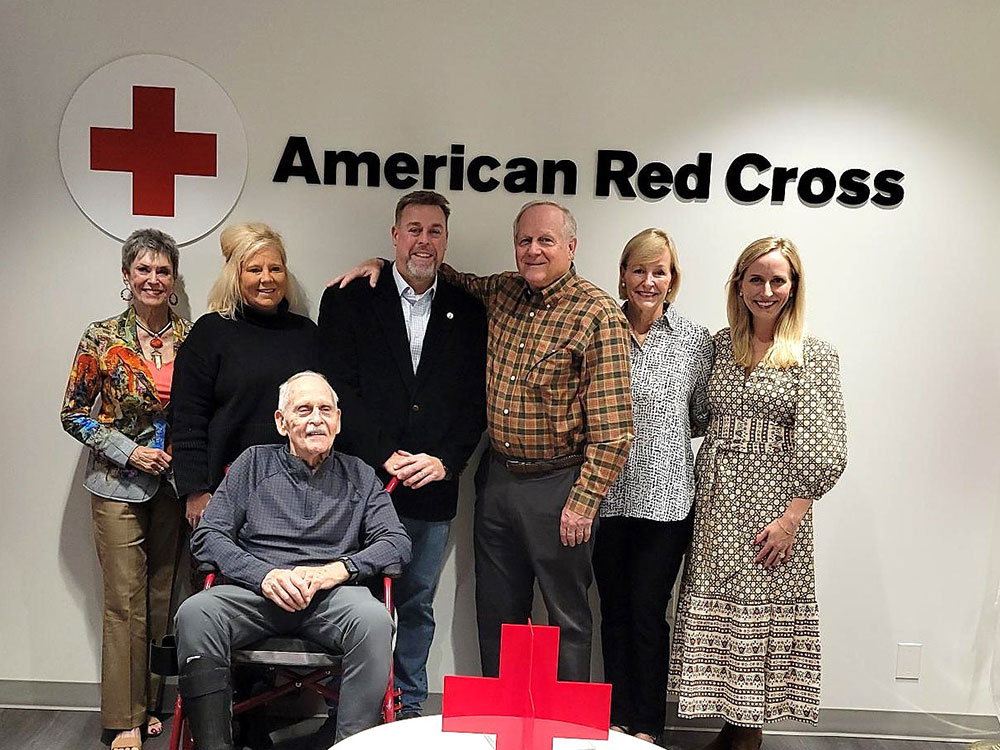
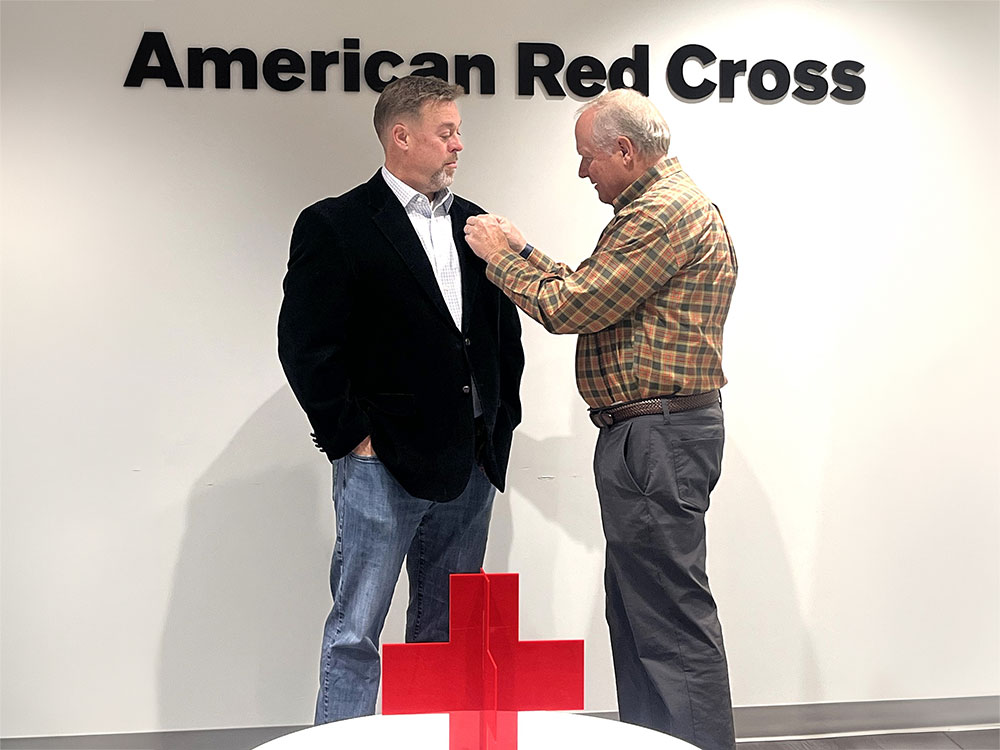
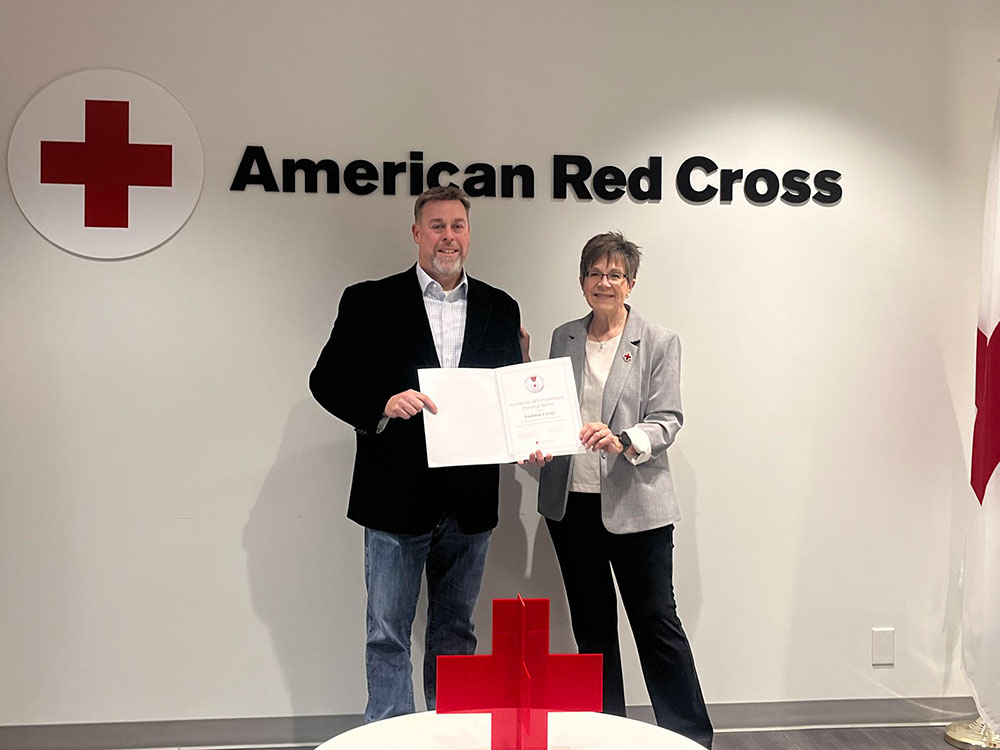
For his lifesaving efforts, Andrew received the American Red Cross Certificate of Extraordinary Personal Action, given to individuals who step up in an emergency to help save or sustain a life. His story is a reminder that emergencies can happen anywhere and ordinary people can make a lifesaving difference. Andrew was not a first responder but a bystander who knew what to do and was willing to act. CPR training gives people the confidence to step in before professional help arrives.
The impact of that day has already spread through his community. The pickleball club bought four new AEDs and placed them in accessible locations, and staff members were trained to use them. Andrew’s church and other clubs have added AEDs, and more CPR training is planned. He hopes more people will learn CPR before they ever need it. “Don’t be afraid. Just go for it,” he said. “The worst part is what happens if nothing’s done.”
Andrew’s experience is a powerful reminder that CPR training can help turn an ordinary bystander into the person who saves a life. In 2025, the Greater Kansas City and Northwest Missouri Chapter of the Red Cross trained over 27,000 people in first aid, CPR, and AED usage. On average, more than 8,000 people nationwide receive Red Cross first aid training every day. The vast majority reported that they felt more prepared, more confident and relieved they had the skill to act when moments matter. To find Red Cross first aid training near you, visit here.
Support all the urgent humanitarian needs of the American Red Cross.
Find a drive and schedule a blood donation appointment today.
Your time and talent can make a real difference in people’s lives. Discover the role that's right for you and join us today!