By Volunteer Julia Zauner
In late March, partners with the Community Adaptation Program (CAP) in Atlantic County joined the American Red Cross for specialized training to become disaster response team members. These volunteers will provide immediate support to families following emergencies such as home fires or floods. The training is part of a Red Cross pilot program designed to prepare local CAP partners to serve on Disaster Action Teams (DAT) enhancing client experience and community participation in recovery.
Kristie Collins, Community Disaster Risk Reduction Manager with the American Red Cross says,
“This program allows us to expand our responder capacity in areas where there is a need, and these individuals are already engaged in the local community.”
The Community Adaptation Program, established by the Red Cross in Atlantic County in 2023, is one of only nineteen such initiatives nationwide. The program focuses on strengthening local partnerships and improving access to essential services including health care, mental health support, nutritious food, and safe housing for underserved families in disaster prone areas. Having established relationships in place pre-disaster helps streamline collaboration between CAP partners and the Red Cross to support recovery efforts and help reduce the risk of disaster-induced poverty during times of disaster.
Since its launch, the Atlantic County team led by Collins has grown the CAP network to more than 25 local partners and more than two dozen strategic partners. These organizations frequently work alongside the Red Cross during disaster response, often providing critical post-emergency resources such as food, clothing, hygiene and baby supplies, and other essential support to help families get back on their feet.
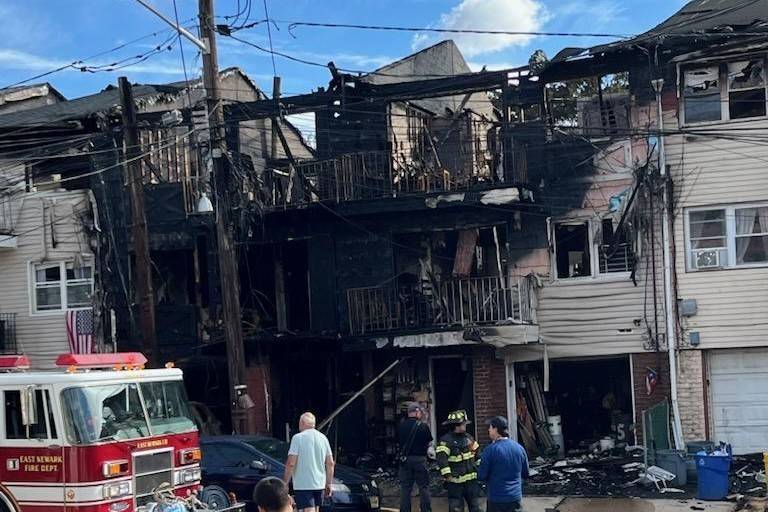
Each year, the American Red Cross responds to more than 65,000 emergencies, most of them local home fires. Disaster Action Team members respond promptly to emergencies—night or day—providing emotional support, financial assistance, information and referrals to help families begin the process of recovery.
The Red Cross saw an opportunity to enhance the relationship with CAP partners by providing DAT training, leveraging the CAP partners’ local presence and knowledge to enhance disaster response. “This program supports the region with additional volunteers in an area that has many home fires,” Collins explained. “They also can offer the client additional resources while they are at the scene.”
CAP organizations are deeply trusted within their communities, allowing them to reach people quickly and provide comfort during difficult moments. By combining their local presence with Red Cross resources, aid can be delivered faster when it matters most.
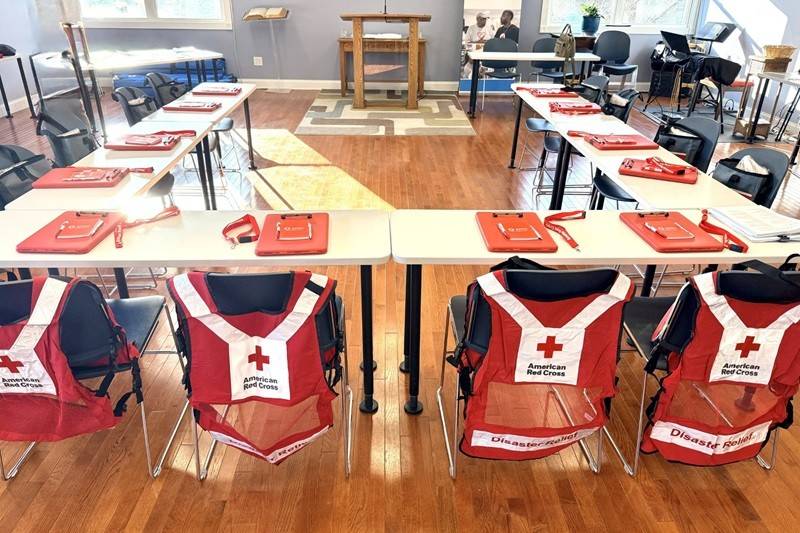
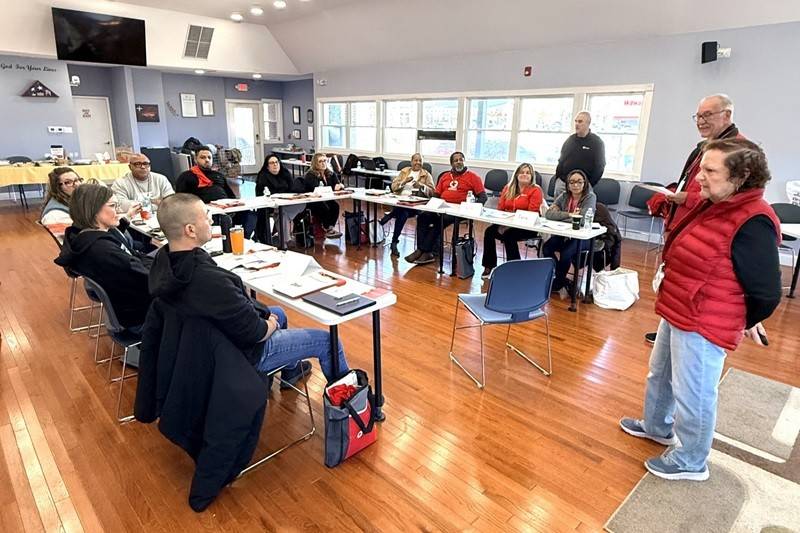
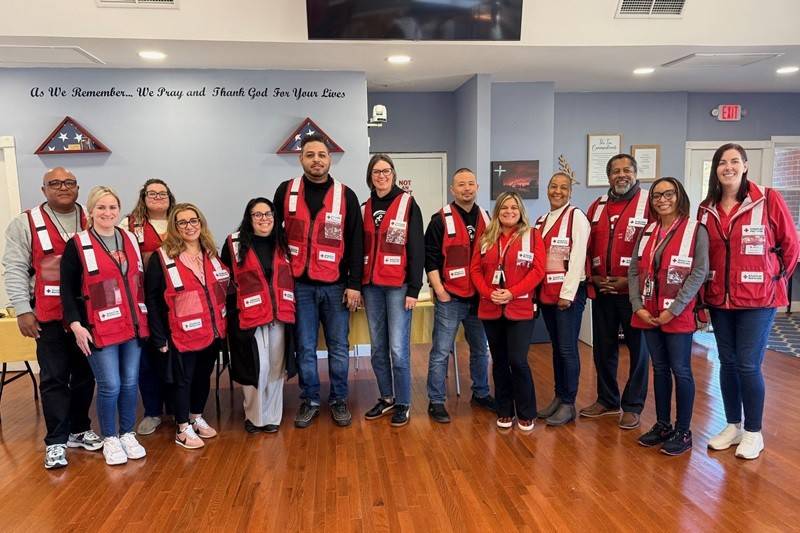
Representatives from several CAP organizations participated in the all-day training session, including the Spanish Community Center, SDA Seashore, Beacon of Hope–Red Door, Hope Exists, and Angels in Motion. In total, 11 responders were trained. The session was led by Jim Eden, Community Disaster Program Manager for the Red Cross New Jersey Region, along with three experienced emergency response volunteers—Gary Halbe, Linda Kolman, and Pat Melcer—who shared valuable insights and practical advice drawn from their extensive disaster response experience.
Viviene Thompson, Community Service Director of SDA Seashore, emphasized the importance of preparedness. “It allows us to be prepared at all times and to help our neighbors,” she said.
“We love the Red Cross and what they are doing, and that has inspired me to get involved as a DAT trainee.”
In addition to the in-person training, CAP participants completed required Red Cross online training modules. The next step will be a “ride-along” with an experienced Red Cross volunteer during an actual disaster so they can shadow and gain hands-on experience. The CAP team members will then be official DAT Service Associates who will be on call to respond to community disasters with the Red Cross.
Sorida Lopez, representing the Spanish Community Center, highlighted the value of community familiarity. “I’m happy to be trained,” Lopez said. “The beauty is that we know our community, and we are looking forward to getting out there to help.” She added that her bilingual skills will help ensure clients can communicate comfortably and receive the support they need without feeling intimidated. Lopez also praised the collaborative spirit of CAP.
“This group is the heart and soul of Atlantic County — their hearts are in the right place.”
Vinnie Kirkland of Beacon of Hope–Red Door noted that responding to individuals immediately after a disaster presents a different type of challenge. “Working with individuals who have just faced a tragedy is very different than working with those who are unhoused or dealing with food insecurity,” Kirkland said. “We have to meet them on a different level, but I’m looking forward to the challenge.”
For those already serving their communities, DAT training offers an opportunity to deepen impact by providing immediate comfort, practical assistance, and a steady presence during some of life’s most difficult moments. Community members and organizations interested in expanding their impact are encouraged to consider becoming DAT responders—because when more people are prepared to help, recovery can begin sooner and no family has to face a disaster alone.
Support all the urgent humanitarian needs of the American Red Cross.
Find a drive and schedule a blood donation appointment today.
Your time and talent can make a real difference in people’s lives. Discover the role that's right for you and join us today!