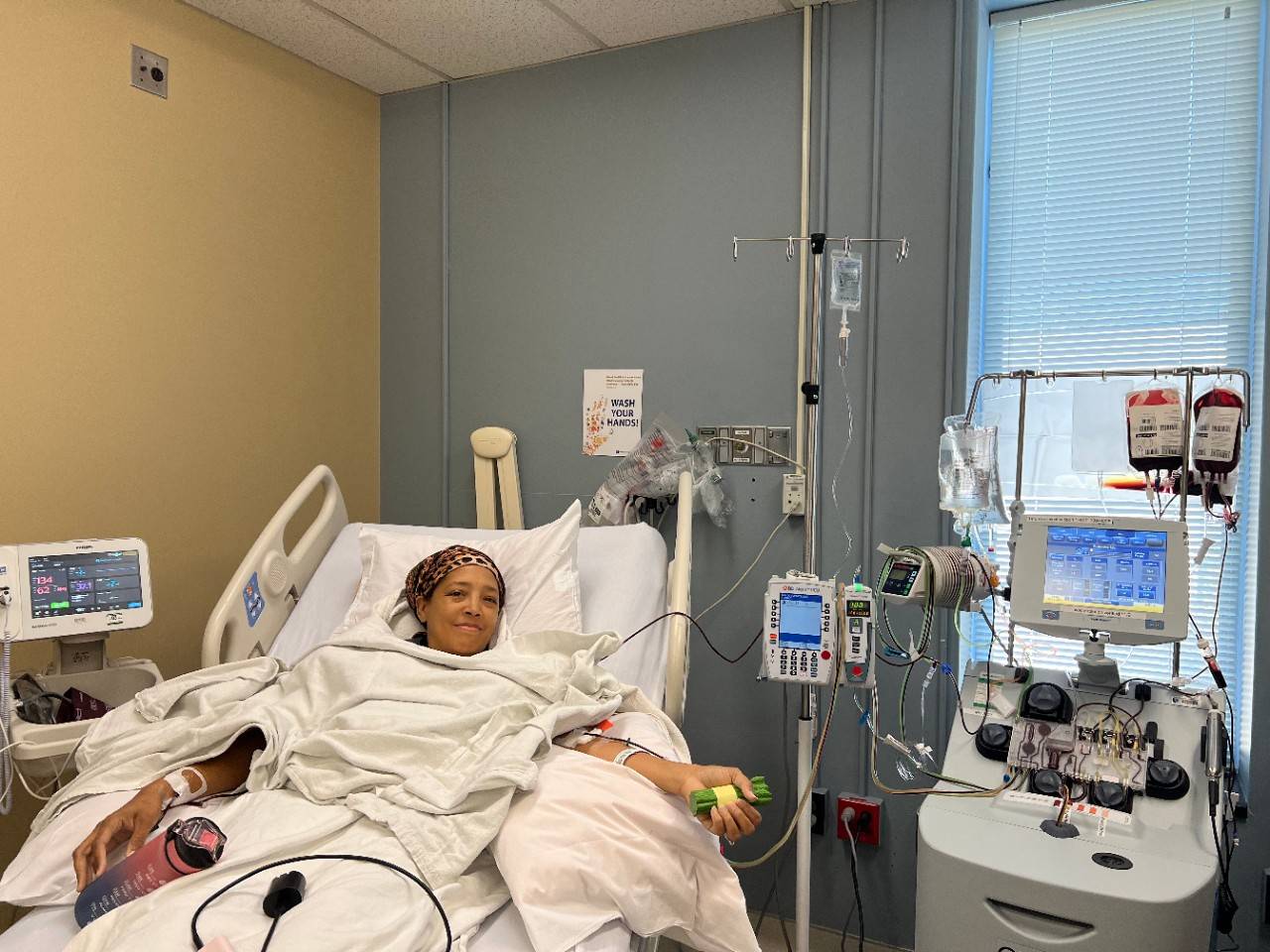
“I've had so many blood transfusions since birth that now I'm 48, the count is probably close to 100 transfusions in my lifetime.”
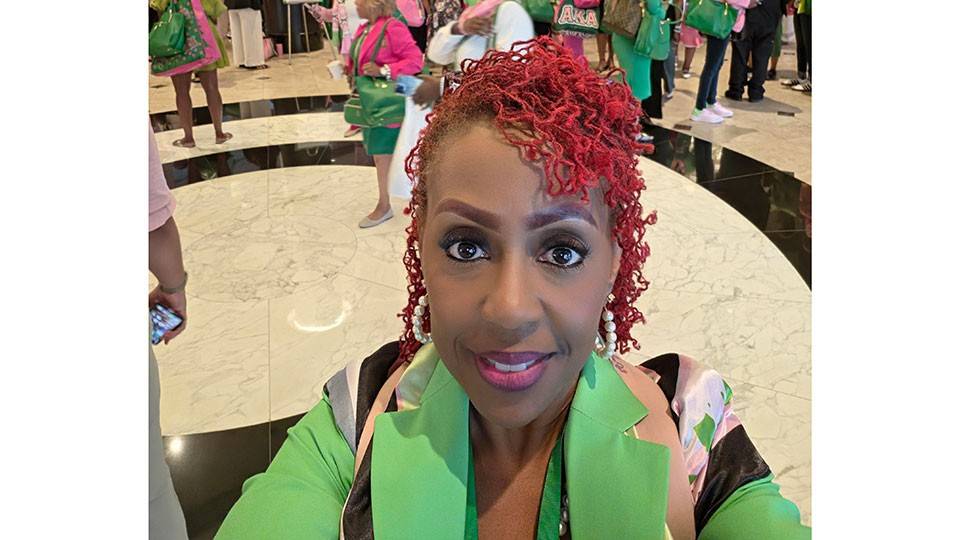
Shenika Richardson has had a lifelong fight against sickle cell disease, a condition she has lived with since birth.
“I was born with sickle cell disease at birth, so all my life I've known that I've had the disease,” Shenika said. “My father, who is now deceased, has had the disease.”
Her mother also has sickle cell trait, a genetic condition in which a person inherits one normal hemoglobin gene and one sickle cell gene.
“My mother was young, and she didn't know a lot about sickle cell disease at all. There was very little education in the small rural town that I grew up in, so she did not know her status or how it would affect her future children.”
The community around Shenika grew alongside her diagnosis — learning what sickle cell meant as she navigated its challenges.
Sickle cell disease is an inherited blood disorder that causes red blood cells to become stiff and sickle-shaped, blocking blood flow and leading to pain and complications.
Shenika explained having the disease has shaped every stage of her life — from childhood emergencies to ongoing medical complications as an adult.
“In my lifetime, I've had many crises, many surgeries,” Shenika said. “As a child, the doctors didn't know that I would make it to two years old. They thought that I might die because I had acute chest syndrome. I've had my gallbladder removed, scoliosis, which resulted in metal rods in my back. I've experienced pregnancy loss and most recently an enlarged heart.”
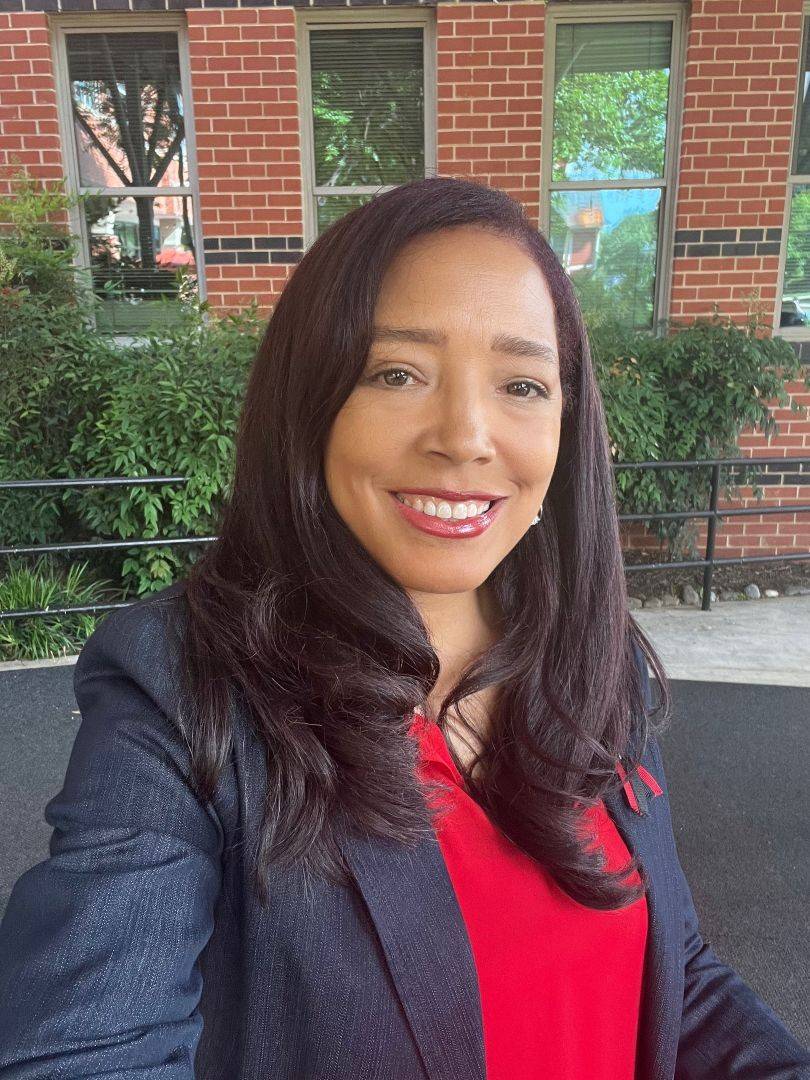
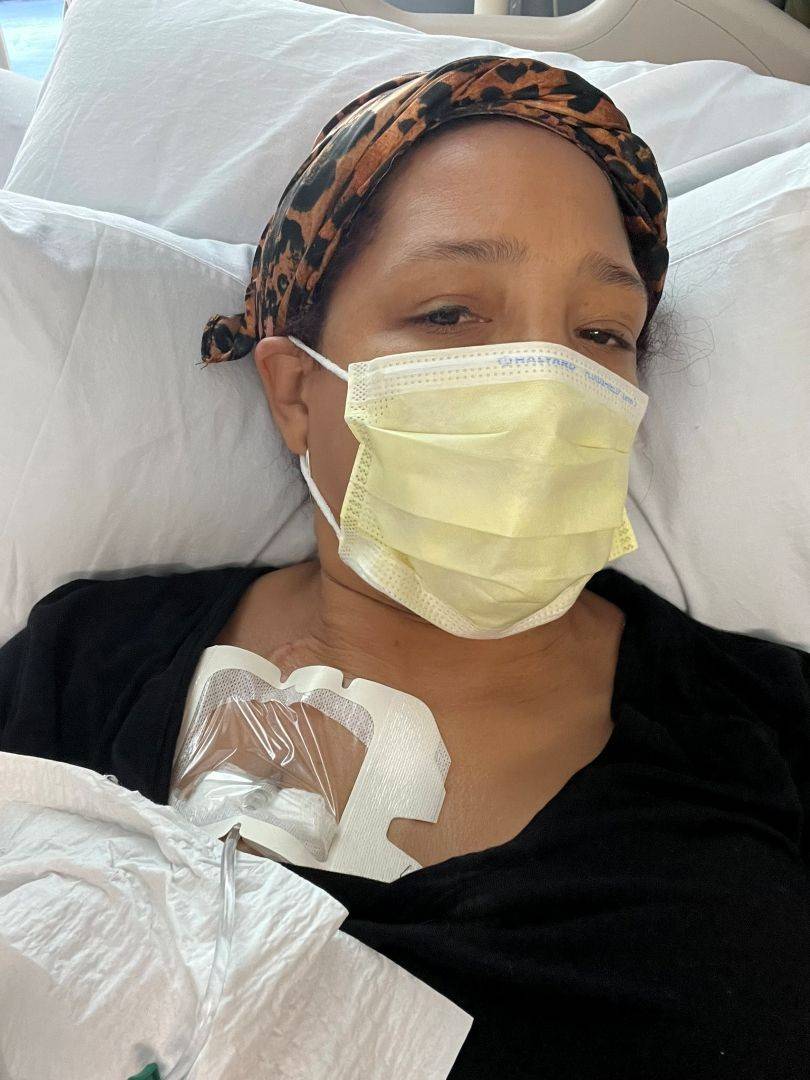
Shenika explained medical complications are one thing, but she still experiences a lot of practical challenges and emotional challenges every day to live with the disease.
Through it all, she credits her faith and support system with keeping her grounded and positive.
“By the grace of God, He gives me life and strength every day,” Shenika said. “But also the community, just knowing that there are people behind me who care, and people who care enough to donate blood so that I can keep living the life that I love.”
Today, Richardson is a mother, a wife and a family member — roles she said gives her purpose beyond her diagnosis.
“There are a lot of challenging days, stressful days. We're always constantly in the healthcare system, but we are able to live life as best we can.”
Blood transfusions are keeping Shenika well — frequent, ongoing and lifesaving.
“I've had many transfusions over my lifetime,” Shenika said. “I've had transfusions before and after surgeries, during emergencies or complications, before and after deliveries, during pregnancy, after pregnancy. Currently I receive two units every three weeks to prevent strokes.”
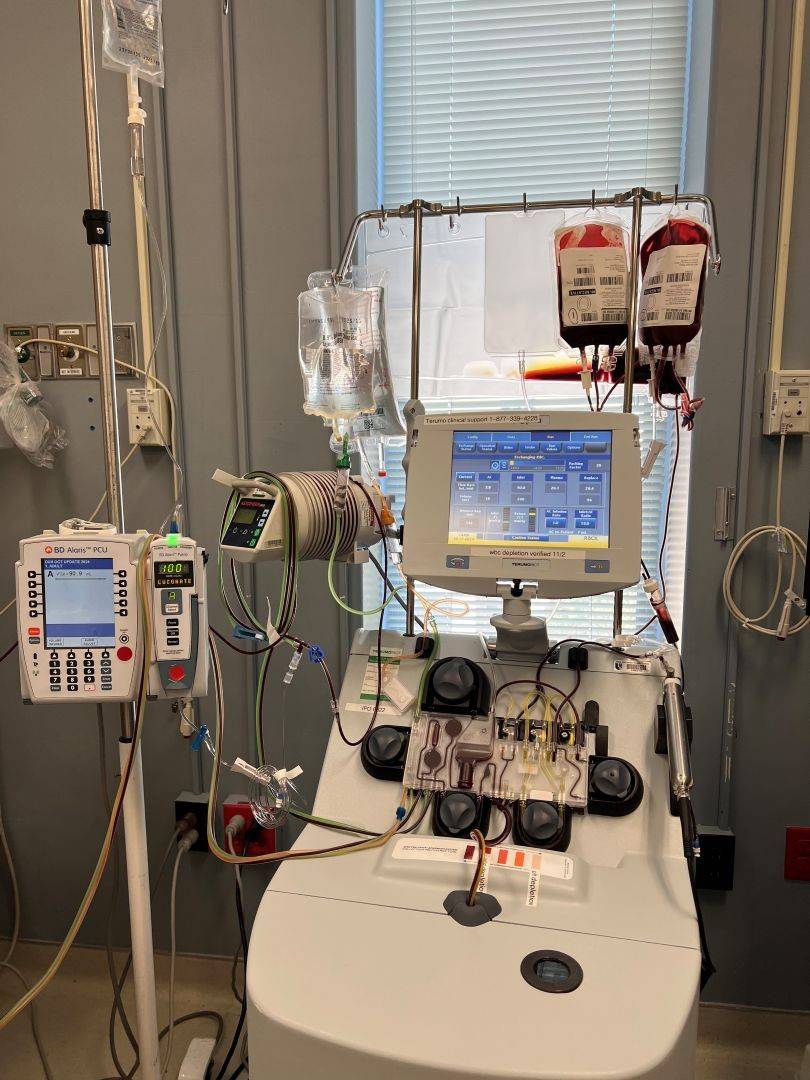
In 2025, she underwent a year of blood exchanges, a procedure requiring even larger quantities of donor blood.
“I did receive blood exchanges for about a year, and when that happens, we get six units of blood or more during the exchange.”
Each day, she remains thankful to the generosity of blood donors.
“I am eternally grateful for those people who have donated blood and they've never met me, but they are the reason why I'm here and I can continue to live the life that I love.”
In July 2026, the American Red Cross declared a national blood crisis, seeing nearly a 25% drop in blood donations in the previous month.
“As someone that does rely on regular transfusions, the fact that blood may not be there when I need it is scary,” Shenika said. “These transfusions are lifelines to some individuals, and so to think that blood may not be available during emergencies, during my scheduled transfusions, or when I need it – I can't imagine that. It's so important that people donate blood. It can literally save a life. It's not just a slogan. It's not a cliche. This is real life reality for us that we live every single day.”
She emphasizes that compatible blood — particularly for patients with sickle cell disease — is essential, and that diversity among donors matters.
“It's so important for African Americans to donate blood because blood matches closely with, or it matches better with people who are of the same race and ethnic background as we are, and sickle cell affects so many African Americans.”
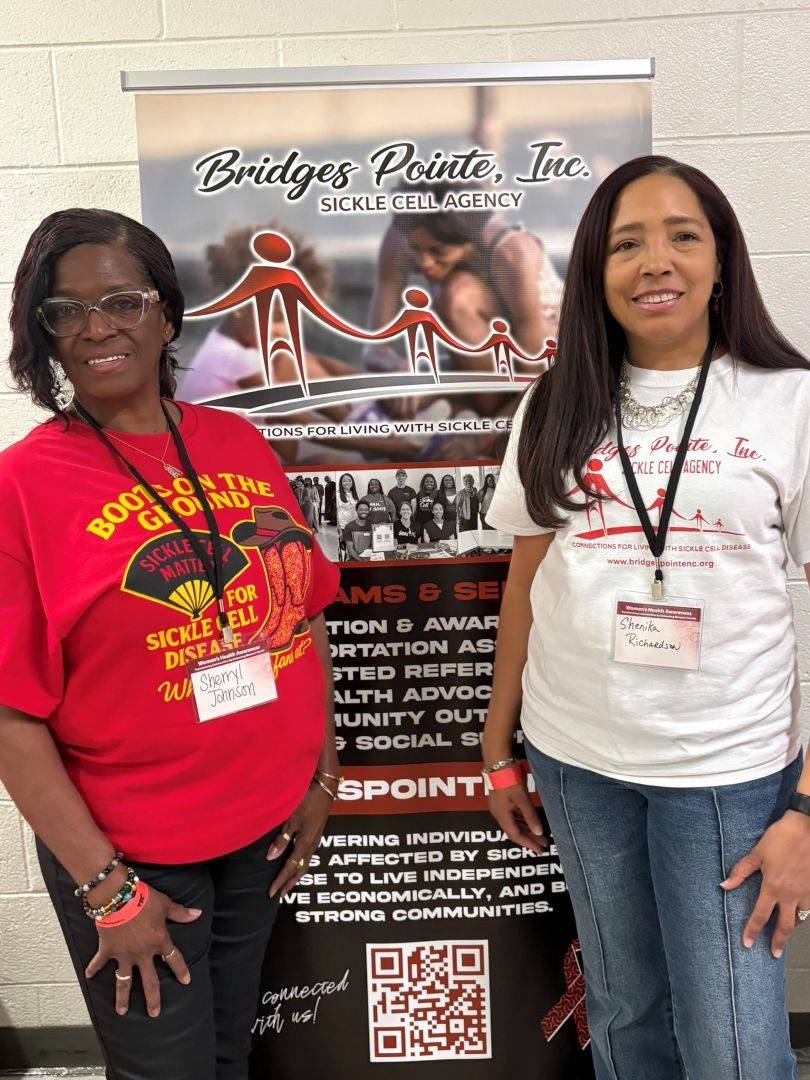
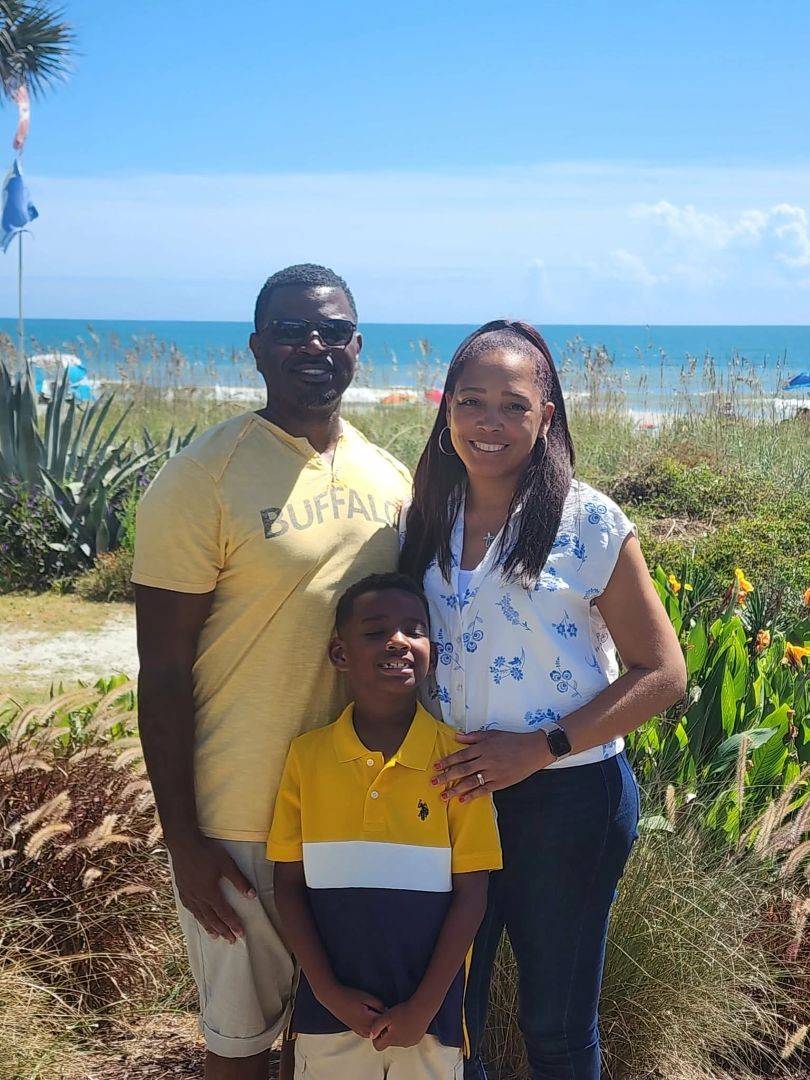
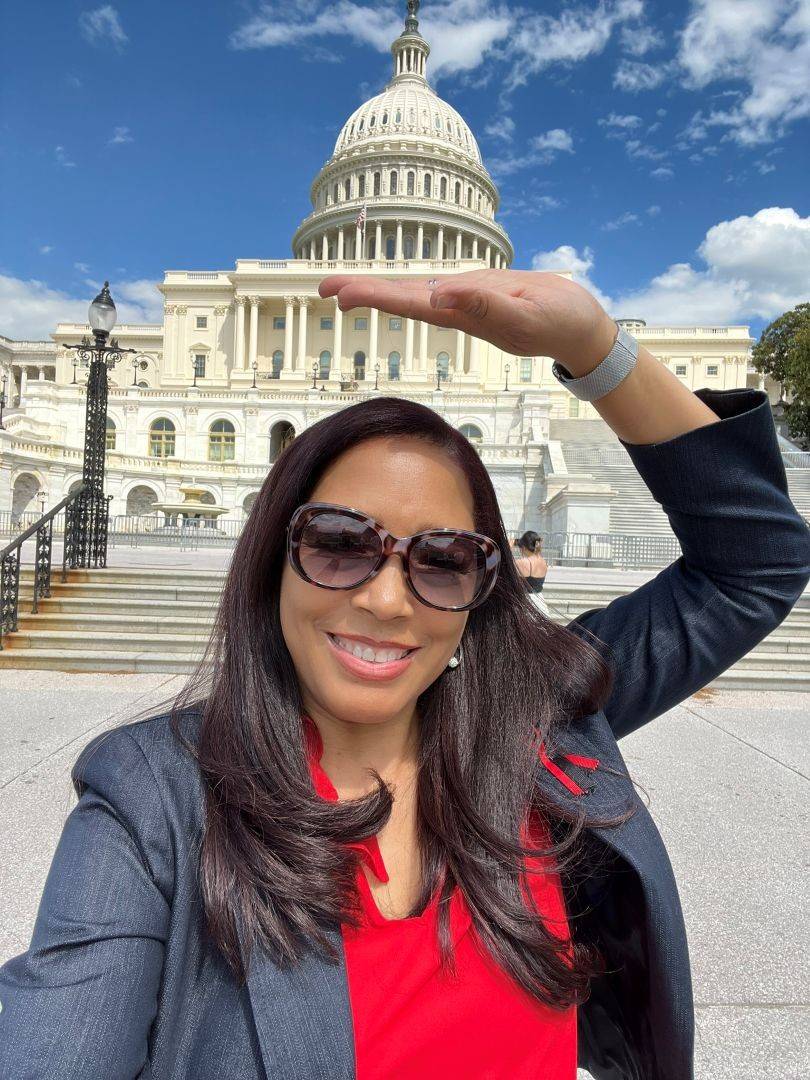
For Richardson, the message is simple but urgent: blood donation saves lives — including hers.
And while sickle cell remains a constant presence, she refuses to let it define her entirely.
“Sickle cell is a part of my story, but it's not my entire story.”
Support all the urgent humanitarian needs of the American Red Cross.
Find a drive and schedule a blood donation appointment today.
Your time and talent can make a real difference in people’s lives. Discover the role that's right for you and join us today!