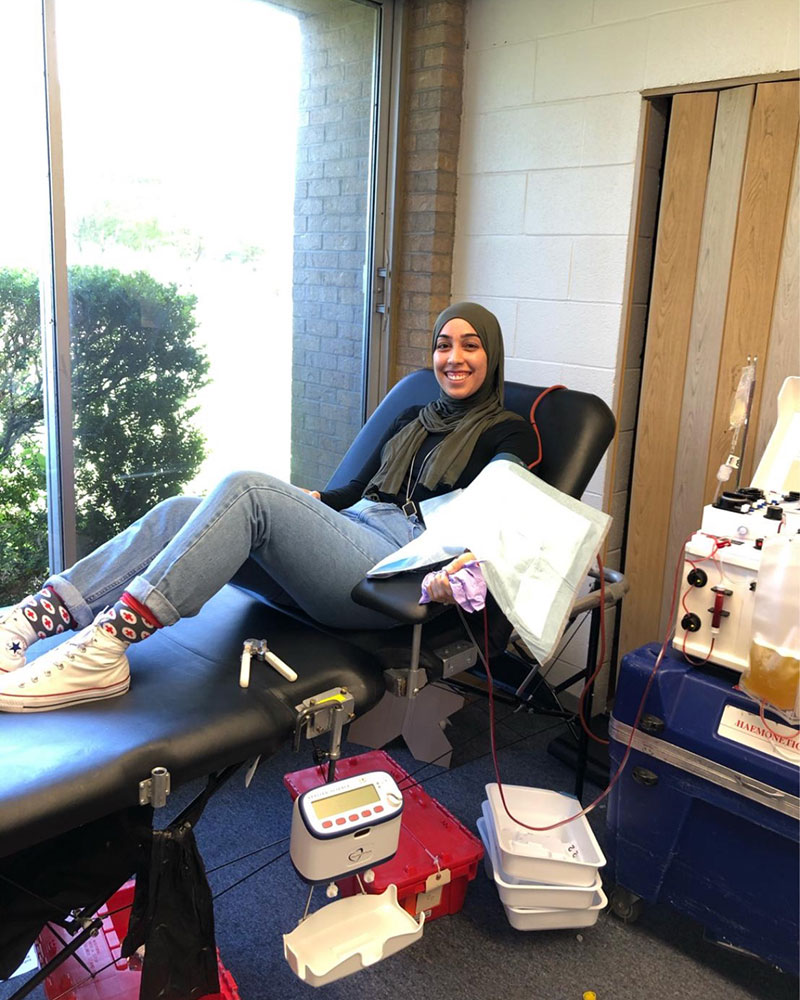
In April 2023, first-time mother Reihaneh Hajibeigi thought she had reached the joyful finish line of pregnancy. She and her husband had just welcomed their daughter when, everything changed.
During labor, Reihaneh began to hemorrhage. For the next couple of days, no one could explain why Reihaneh continued to lose blood, but her hemoglobin dropped to a dangerous 6.0 within 48 hours of delivery. The medical team ordered two units of blood to help replenish her blood loss, then discharged her and her daughter to continue recovering at home.
After being home for another week or so, her health continued to deteriorate. They returned to the doctor's office where doctors determined she had retained a four-centimeter piece ofDoctors discovered a four‑centimeter piece of placenta still attached to her uterine wall — dangerous, toxic, and in need of immediate removal. What was supposed to be a routine procedure to remove the retained placenta quickly became a fight for her life.
In surgery, she hemorrhaged again, losing nearly 40% of her blood. As As she sat in the recovery room, her vision faded and her body began to shut down. , sShe whispered to her husband, “I don’t feel very well.” He later told her she had turned “four shades white.”
Suddenly, a team of doctors rushed in. “Where’s her blood? She needs this blood to save her life,” one said urgently.
From the moment her body began to crash to the moment lifesaving blood entered her veins, only ten minutes passed.
Ten minutes — the same amount of time it takes to donate a unit of blood. And the only reason she survived was because that blood was already on the shelves.
“It was like coming back to life,” she said. “I’m here today because the blood I needed was already on the shelf.”
Her recovery deepened her appreciation for everyone in the blood supply chain: the phlebotomists who collect, the staff and volunteers who run drives, the coordinators who build partnerships, and the donors whose generosity keeps the shelves stocked.
“I think about the people who made it possible for me to live,” she said. “Every person in that chain matters.”
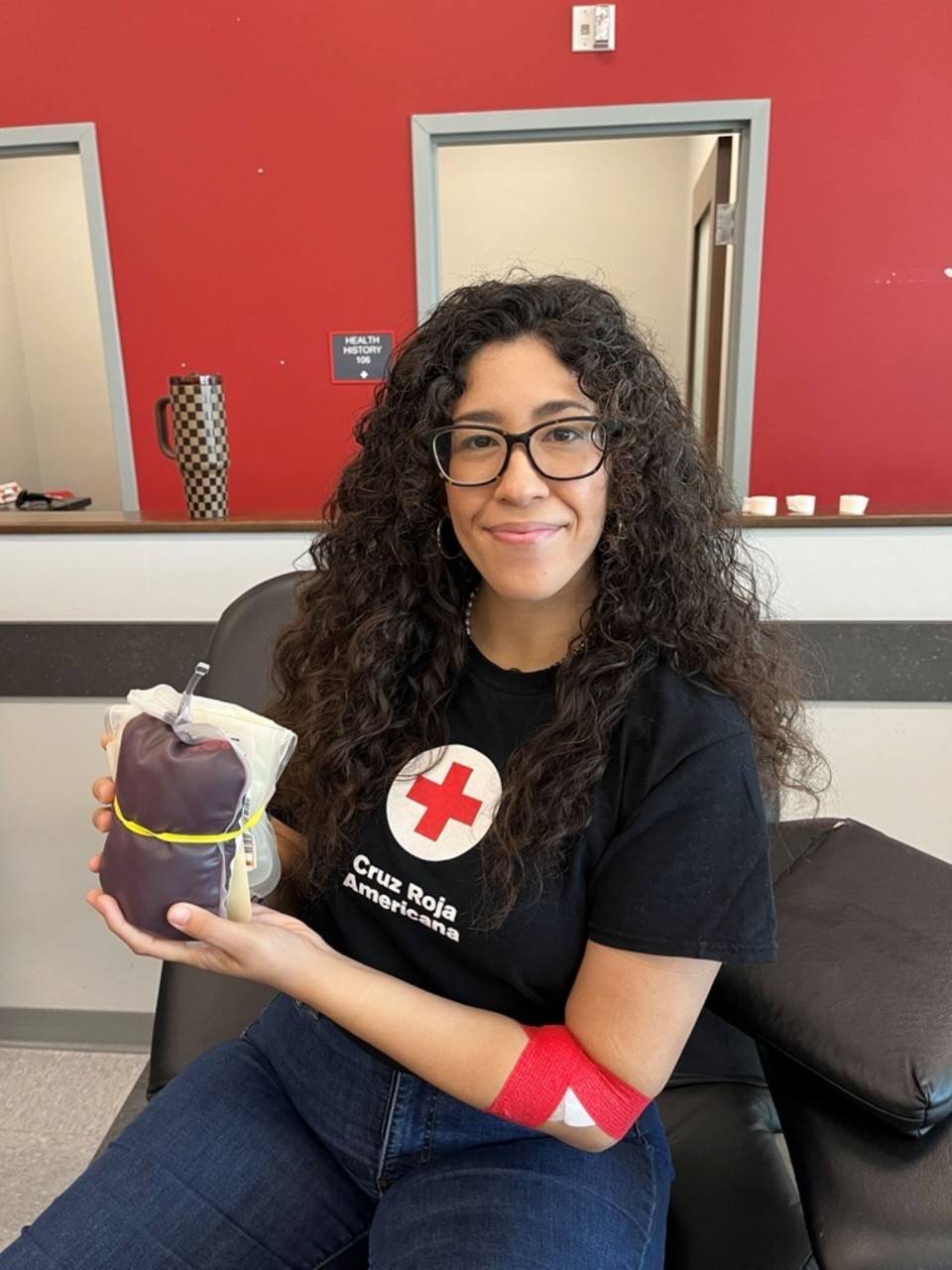
Today, she and her husband never miss a donation appointment. Giving back is no longer abstract — it’s gratitude, made tangible.
“I hope I can give back even a fraction of what someone gave me. You never know whose life you might be saving.”
Across the country, the American Red Cross provides about 40% of the nation’s blood supply and patients like Reihaneh survive because blood is ready before the crisis happens.
Her story is a reminder: every donation matters. Someone you’ll never meet might only have ten minutes and the blood you give today could be the lifeline they’re counting on. Schedule your blood donation today at www.redcrossblood.org.
Support all the urgent humanitarian needs of the American Red Cross.
Your time and talent can make a real difference in people’s lives. Discover the role that's right for you and join us today!