Red Cross News
Search Through a List of Our Services.HomeNewsServicesPress RoomFAQsJobsPublicationsMuseum
invisible gif

Masters of Disaster

Recommended Emergency Supplies for Schools

(Drawn from lists created by the CA Senate Select Committee on the Northridge Earthquake, Task Force on Education, August 1994)

Table of Contents:

For additional information, return to the Masters of Disaster main page.

Introduction
What to store: Begin with an analysis of the hazards of the area. Is your school threatened by tornadoes? Earthquakes? Is emergency assistance close at hand or would you have to wait for help if the entire community has been impacted? Do you think you will need tools for clearing debris? Remember that any school in the country could be locked down due to an intruder or gunfire in the area, so all schools should be prepared to have their students stuck inside the building for many hours. Similarly, all schools face the potential of a hazardous materials spill nearby, requiring the school to shelter-in-place with doors and windows closed and heating systems off. Adjust the supplies for extreme heat or cold temperatures. If your plan includes Search & Rescue teams for light search and rescue following an earthquake, tornado or other damaging event, stock supplies for the number of teams assigned.

Budget: Adjust the list, prioritizing for limited budget and storage space, if necessary. Develop a plan to phase in the supplies. Contact local service clubs and vendors for assistance.

How much to store: Make some planning assumptions. Do most of your students' families live nearby or do some of them commute long distances? Some schools could be cut off for days if a bridge or the main highway is blocked. If you determine that most of your students could be picked up in most emergencies within a day, then begin by stocking supplies for one day. Some schools plan that half their student body will be picked up by parents within one day, half the remainder within a day, and the remainder within another day; these schools stock supplies for 100% for day one, 50% for day two, plus 25% for day three. Other schools stock supplies for 3 days, the recommendation of many emergency management agencies. Remember to factor in the number of staff and other adults who may be on campus.

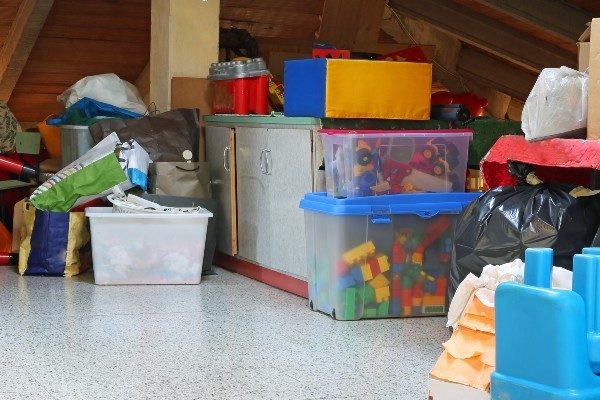
Storage: Determine where to store emergency supplies. Every classroom should have some supplies and there should be a cache of supplies for the whole school. Many schools in California and other states threatened by earthquakes use outdoor storage, anticipating the possibility of having to care for students outside the buildings. They use an existing building or a cargo container, also called a land-sea container, purchased used and installed near the emergency assembly area. Schools with limited budgets and/or temperature extremes may opt to store their supplies in various caches throughout the school facility, primarily in locked closets or classrooms. Many schools stock supplies in (new) trash barrels on wheels. Do not store water in the barrels because it may leak and destroy everything else. Make sure that there are keys to ensure access to the supplies during an emergency, including access by programs such as day care and after-school events. Plan an annual inventory, replacing water and other items with limited shelf life as necessary.

Individual Kits
Some schools ask students to bring in their own kits, sometimes called "comfort kits." (These "comfort kits" should not be confused with Red Cross "comfort kits" — consisting mostly of toiletries — to people who have been affected by disasters.) Student-assembled "comfort kits" typically include a little food, some water, a space blanket or large plastic trash bag, a non-toxic chemical emergency light stick and a letter or photograph from home. These kits can be helpful, but require a great deal of time and supervision to assemble and check when they are brought to school. Sometimes parents include perishable items by mistake, and some parents do not send anything at all. The school will need a plan to make sure that each student has a kit. Vendors sell expensive individual kits as well, with much of the value in the packaging.

Recommended Supplies
The following lists address classroom kits, supplies for the whole school and Search & Rescue gear.

Classroom kit:

  • Work gloves, leather
  • Latex gloves, 6 pr.
  • Safety goggles, 1 pr.
  • Small first aid kit
  • Pressure dressings, 3
  • Crow bar
  • Space blankets, 3
  • Tarp or ground cover
  • Student Accounting Forms, blank
  • Student emergency cards
  • Buddy classroom list
  • Pens, paper
  • Whistle
  • Student activities
  • Duct Tape, 2 rolls (for sealing doors & windows)
  • Scissors
  • Suitable container for supplies (5-gallon bucket or backpack)
  • Drinking Water and cups – stored separately
  • Toilet Supplies (large bucket, used as container for supplies and toilet when needed, with 100 plastic bags, toilet paper, and hand washing supplies)
  • Portable Radio, batteries or other communication system
  • Flashlight, batteries
  • Push broom (if classroom includes wheel chairs)

Supplies for the Whole School: Water, First Aid, Sanitation, Tools, Food

  • Water:
    • ½ gallon per person per day times three days, with small paper cups
  • First Aid:
    • 4 x 4" compress: 1000 per 500 students
    • 8 x 10" compress: 150 per 500 students
    • Elastic bandage: 2-inch: 12 per campus 4-inch: 12 per campus
    • Triangular bandage: 24 per campus
    • Cardboard splints: 24 each, sm, med. Lg.
    • Butterfly bandages: 50/campus
    • Water in small sealed containers: 100 (for flushing wounds, etc.)
    • Hydrogen peroxide: 10 pints/campus
    • Bleach, 1 small bottle
    • Plastic basket or wire basket stretchers or backboards: 1.5/100 students
    • Scissors, paramedic: 4 per campus
    • Tweezers: 3 assorted per campus
    • Triage tags: 50 per 500 students
    • Latex gloves: 100 per 500 students
    • Oval eye patch: 50 per campus
    • Tapes: 1" cloth: 50 rolls/campus; 2" cloth: 24 per campus
    • Dust masks: 25/100 students
    • Disposable blanket: 10 per 100 students
    • First Aid Books 2 standard and 2 advanced per campus
    • Space blankets: 1/student and staff
    • Heavy duty rubber gloves, 4 pair
  • Sanitation Supplies: (if not supplied in the classroom kits)
    • 1 toilet kit per 100 students/staff, to include:
    • 1 portable toilet, privacy shelter, 20 rolls toilet paper, 300 wet wipes, 300 plastic bags with ties, 10 large plastic trash bags
    • Soap and water, in addition to the wet wipes, is strongly advised.
  • Tools per campus:
    • 3 rolls barrier tape 3" x 1000"
    • Pry bar, Pick ax, Sledge hammer, Shovel, Pliers, Bolt cutters, Hammer, Screwdrivers, Utility knife, Broom Utility shut off wrench, 1/utility
  • Other Supplies:
    • 3' x 6' folding tables, 3-4
    • Chairs, 12-16
    • Identification vests for staff, preferably color-coded per school plan
    • Clipboards with Emergency Job Descriptions
    • Office supplies: pens, paper, etc.
    • Signs for Student Request and Release
    • Alphabetical Dividers for Request Gate
    • Copies of all necessary forms
    • Cable to connect car battery for emergency power
  • Food: The bulk of stored food should be easy to serve, non-perishable and not need refrigeration or heating after opening. Food is generally considered a low priority item, except for those with diabetes and certain other specific medical conditions. One method used by schools is to purchase food at the beginning of the school year and donate it to charity at the end of the year. A supply of granola bars, power bars, or similar food which is easy to distribute, may be helpful. Some schools store hard candy, primarily for its comfort value.

Search and Rescue Equipment
Adjust the number of S&R teams according to the size and complexity of the campus. Teams must consist of a minimum of two persons. Training on how to do light search & rescue is required — Contact your local Fire Department for information on whether such training is offered in your community.

  • Protective gear per team member:
    • Hard hat, OSHA approved
    • Identification vest
    • Gloves, leather work
    • Goggles, safety
    • Dust mask
    • Flash light, extra batteries
    • Duffel or tote bag to carry equipment
  • Gear per S&R team:
    • Back pack with First Aid supplies
    • Master keys


Introduction Development Process Curriculum Components
Pricing and Ordering Information More Information
Support Information K-2 Curriculum Kit
3-5 Curriculum Kit 6-8 Curriculum Kit