DO NOT DELETE THE "EMPTY" SECTION CONTROL BELOW THIS. IT CONTAINS THE GHOST OF CLARA BARTON.

Everyone knows the Red Cross helps people during emergencies. But you may not know that it’s also part of our mission to help you help yourself! Becoming “Red Cross Ready” for an emergency means following our simple steps in advance to ensure you can weather a crisis safely and comfortably. Being prepared may not prevent a disaster, but it will give you confidence to meet the challenge.
Habla español? Esté preparado de acuerdo con La Cruz Roja >>
Download the free Emergency app today. Available in English and Spanish. Search "American Red Cross" in your app store or text "GETEMERGENCY" to 90999.
Available in the App Store® or Google PlayTM.



Learn the essential supplies to put in your family’s survival kit.

Plan effectively for you and your family in case of an emergency.

Understand which disasters are likely to occur in your area and what you must know to stay safe.

Our free apps provide tools and preparedness information you need every day.

Watch our 2 minute video to learn how to give Hands-Only CPR to buy precious time for a person experiencing cardiac arrest.

See our recommendations for what to include in your kit.

Print out the Preparedness Essentials Checklist:

Print out the Be Red Cross Ready Emergency Contact Card.
Thank You to Our 2025 National Sponsor

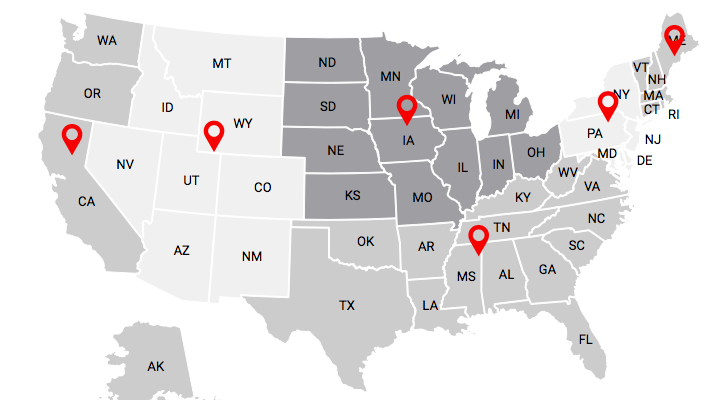
Find out which natural disasters affect your region, then read tips about how you can prepare.
Now that you know which types of emergencies to plan for, browse our Emergency Resource Library to learn what to do before, during and after specific events like hurricanes, wildfires, earthquakes, and more.
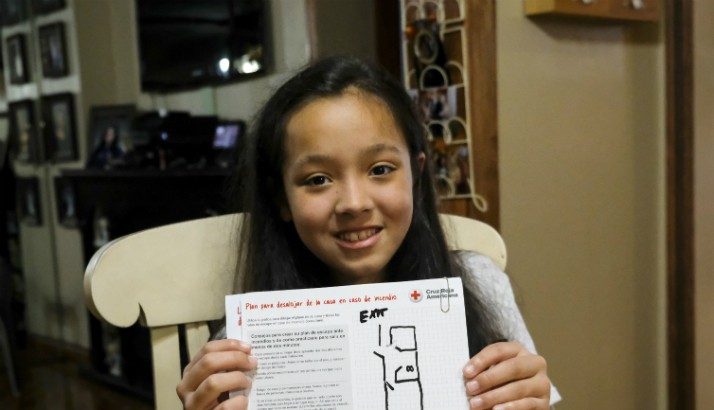
Emergencies are frightening and stressful even for adults – and can be even more so for children. Acknowledging their natural feelings and providing age-appropriate information can help children feel less anxious.

When an emergency occurs, mobility challenges and hearing, learning, or seeing disabilities can add complication. We offer practical advice on getting informed, making a plan, assembling a kit, and keeping your plans up to date.

Older adults are assets in the community and will often be looked to for their wisdom and the unique gifts they can offer in a disaster. Being prepared and ready before and during such an event will greatly impact your ability to help and be helped during an emergency or disaster.
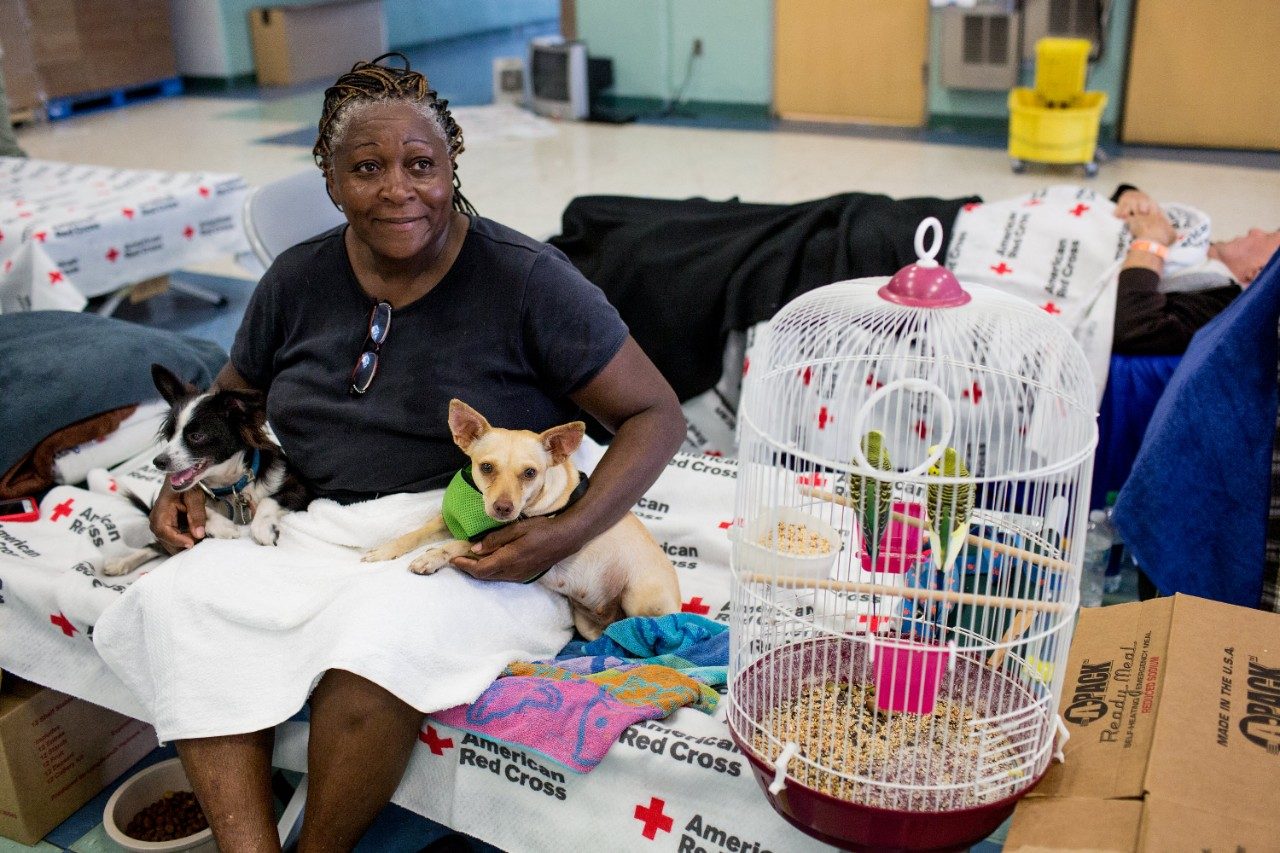
Emergency preparedness includes all family members, even pets.
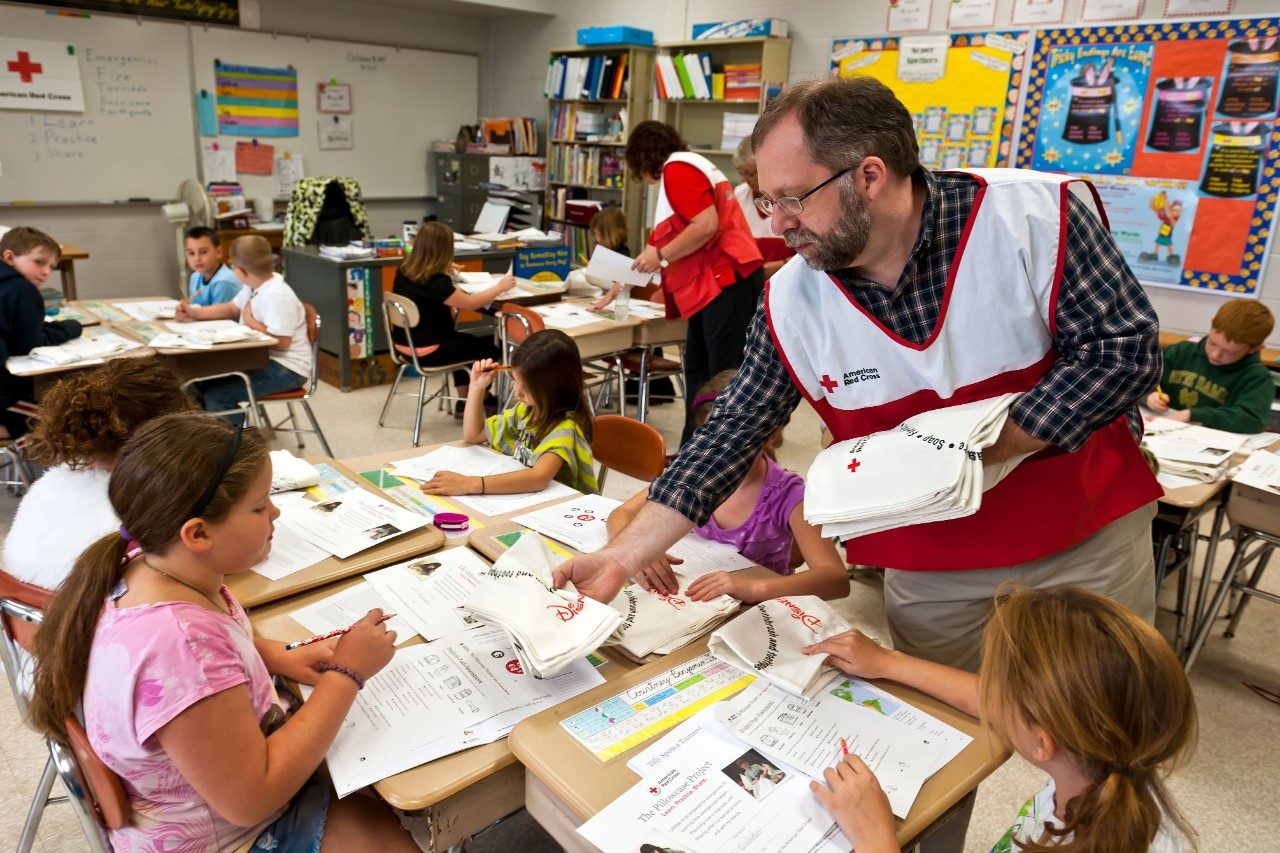
Prepare your home, school, staff and students for disasters and emergencies.
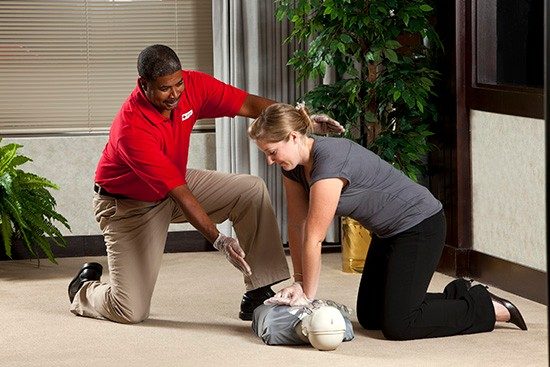
Is your workplace prepared for emergency? American Red Cross Ready Rating™ is a first-of-its-kind membership program designed to help businesses, organizations and schools become better prepared for emergencies.
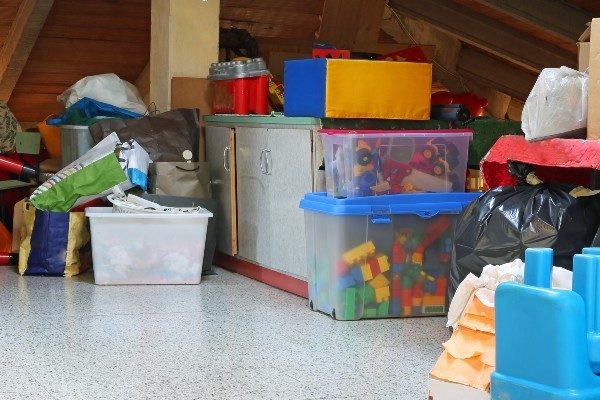
Taking steps to safeguard your family's physical safety from disaster is job one. But once you've done that, you might consider taking a few easy steps to prepare your family's keepsakes and treasures as well.
I know what emergencies or disasters are most likely to occur in my community.
I have a family disaster plan and have practiced it.
I have a survival kit.
At least one member of my household is trained in first aid and CPR/AED.
I have taken action to help my community prepare.
Help people affected by disasters big and small.