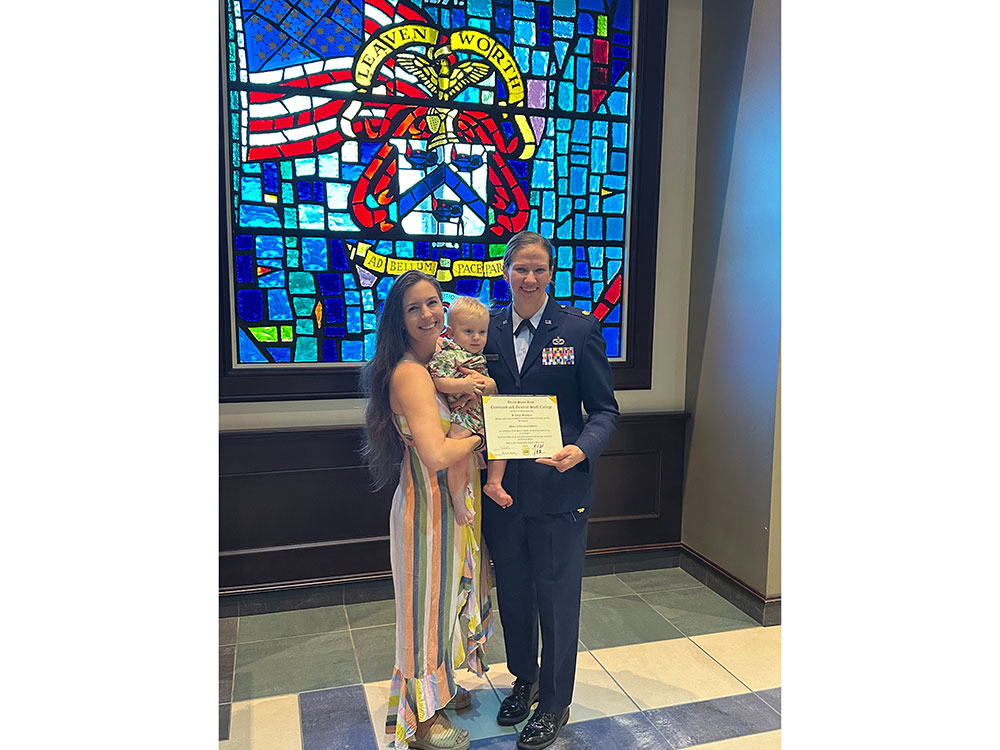
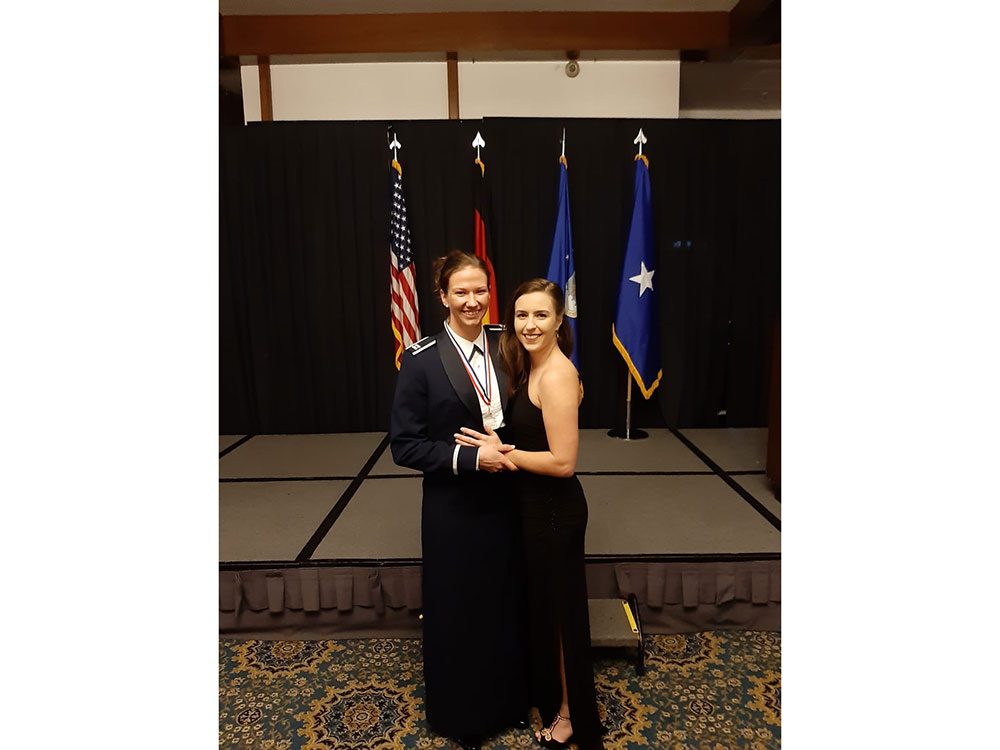
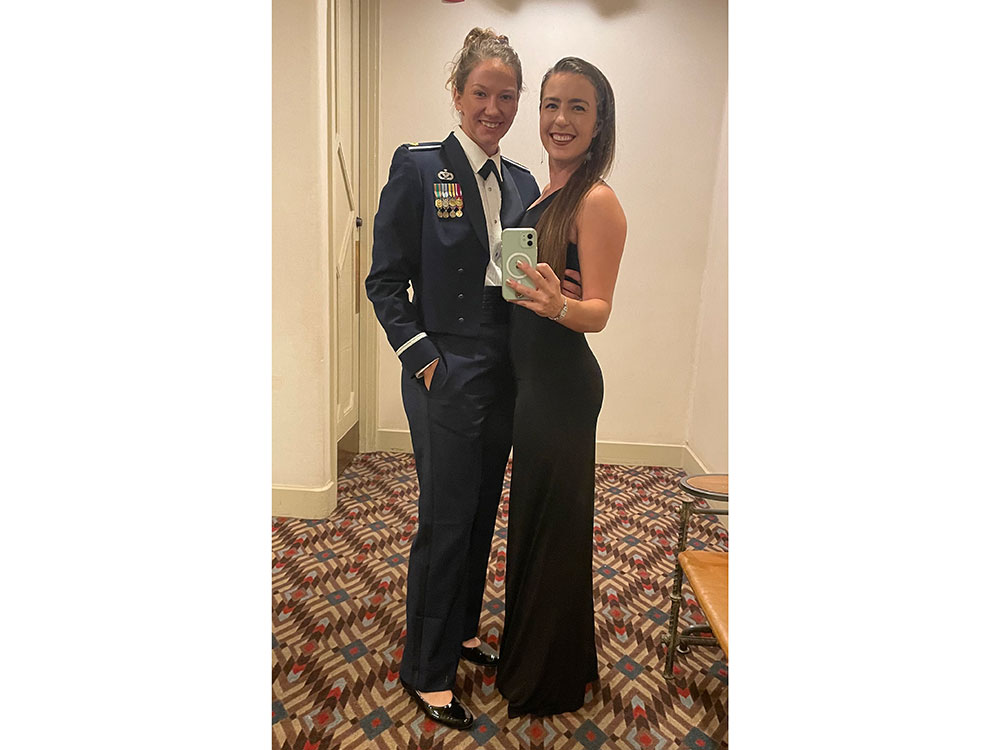
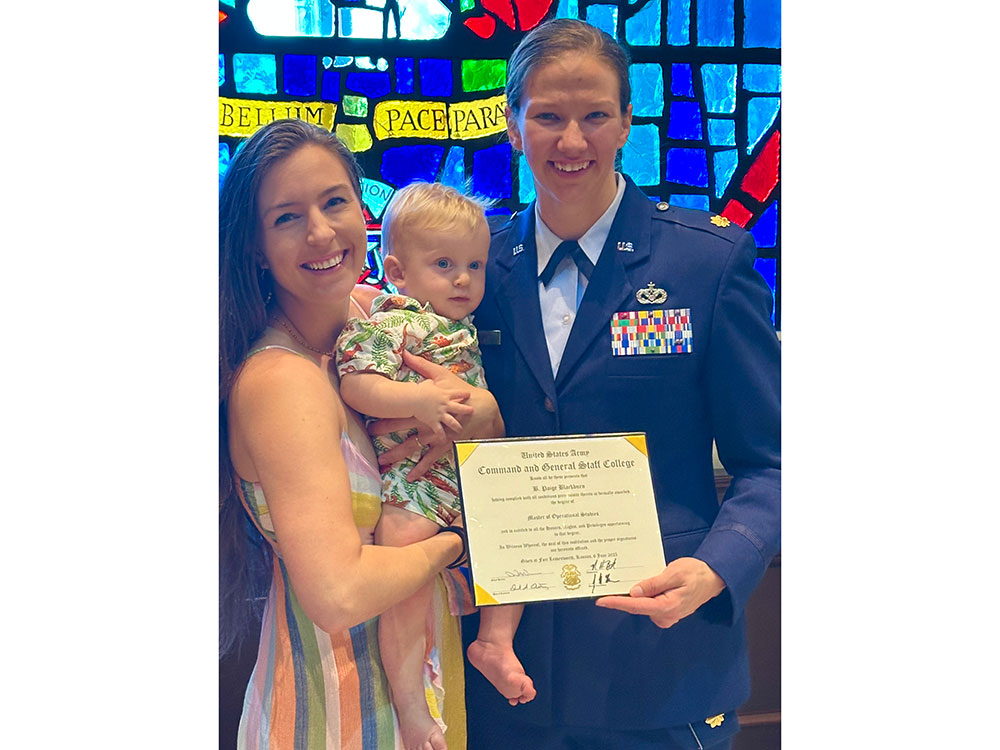
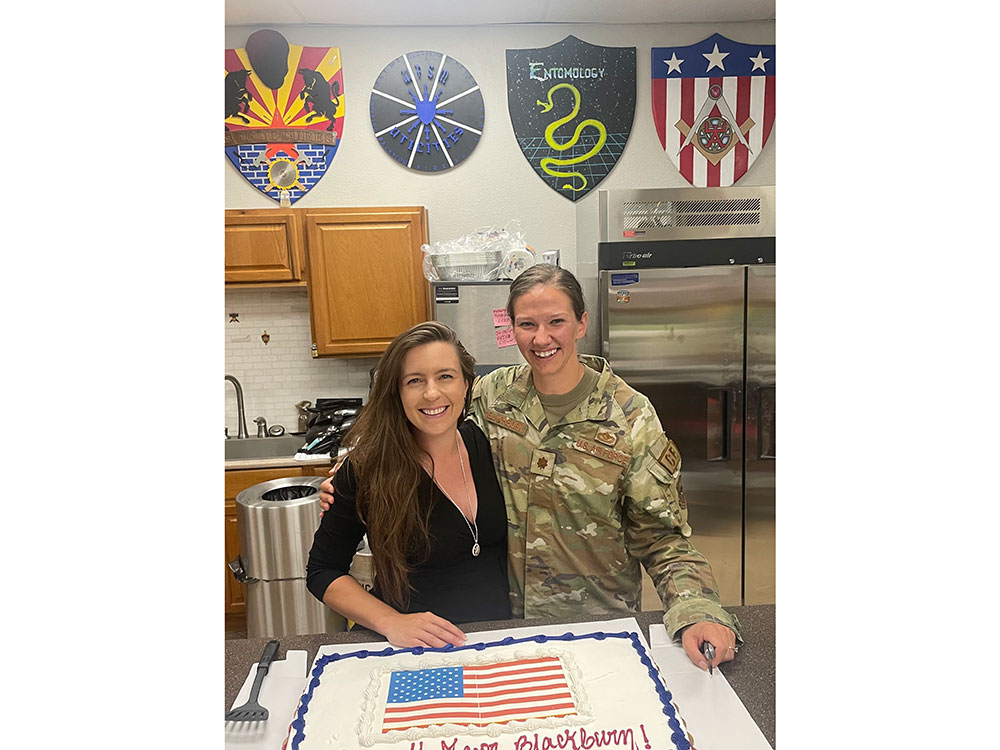
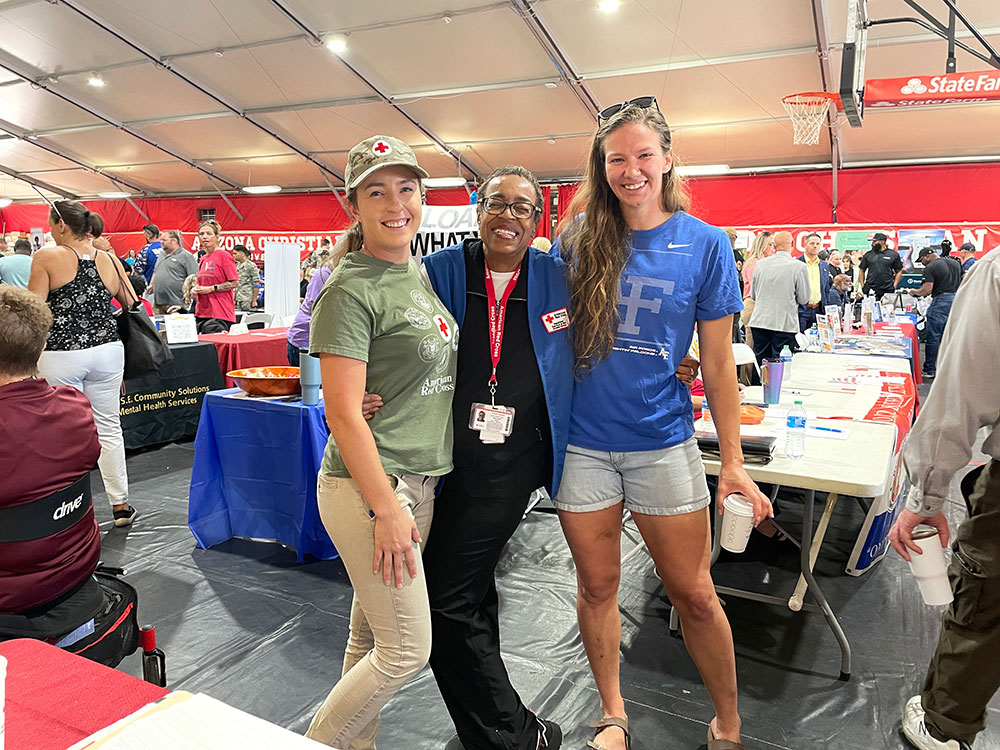
Wow, starting off hard! I know the expected short answer might be that I am so lucky and it is incredible - and it can be, mostly because of my incredible wife, but I can honestly tell you that being a military spouse is definitely not what I pictured for myself, and it has come with a steep learning curve! Being married to a service member is kind of like living in an alternate reality at times - when everyone else seems like they can settle down and grow roots, raise their kids next door to family and friends, lean into an established support system - for us, it can feel like our little nuclear family against the world. It can be hard, and it can be wonderful, it's just all about perspective and mindset. My wife and I love traveling, so we've turned moving every 1-2 years into constantly finding and looking forward to new adventures, with chances to explore a place we've never had the chance to really get to know. We now have family and friends all over the world, so chances are we are never too far from a loved one - too far being a day-long car trip or a few hours on a plane; military "close by" is a bit further than what others may imagine. At the end of the day, I am my wife's biggest fan, and so proud of her and her accomplishments, but she is also mine, and we both know that neither of us could do it without the other.
How has life as a military spouse shaped the way you show up as a Red Cross volunteer?
Being a military spouse, I have learned to accept that I will never be in one place for long, so I truly try to make the most of my time while I am there. As a Red Cross volunteer, that often means jumping into the deep end because honestly, I don't have time to waste! Military spouses are really good at fielding curve balls, so no matter what assignment I am working on, I feel like I am well equipped to hit the ground running and hurdle as much as I need to in order to get the job done. The phenomenal previous Red Cross Ceo out of the Arizona/New Mexico office, Kurt Kroemer, gave a presentation years ago that had his top 10 philosophies listed- I took a screenshot that day and it has been my computer background ever since. Number 6 is "Velocity is important - perfection is the enemy", speaks to my previous point - there will be time to perfect things later on, but always do whatever you can to help now. Number 8 is also a favorite "Feeling belonged is paramount - it's a moral imperative". People will always be welcome with me, no matter who you are or where you come from, I know what it feels like to feel alone and scared and overwhelmed, and I will sit with you as long as it takes and we can figure it out together.
Military spouses are known for their resilience — how has that resilience influenced your volunteer work?
Although I agree that many military spouses are very resilient, you don't just get married and then build it overnight. I think military spouses develop resilience because they are constantly having to do hard things, over and over again. Move, get unpacked, get the kids settled, potentially transfer work, transfer childcare centers/schools, doctors, extracurriculars, find friends & build community, feel like a "single married person" or single parent at times due to deployments or intensive work ours of your spouse, etc. And then right when things start to feel all smoothed out, you get orders and you get to do it all over again. I think this resilience manifests in that nothing really surprises me anymore, and I can roll with the punches to get things done even when it feels like a lot at once. No matter what department you volunteer in with Red Cross, we all have disasters of our own that we are constantly working to address, and being resilient allows me to confidently jump into the fire to help out. From a mental health perspective, I think it also cultivates deeper levels of empathy and compassion, which we constantly use when working with our community as well as other Red Cross volunteers and staff.
Has your family's service experience given you a unique perspective when helping others in crisis?
I'm not sure if this is due to military service, volunteer service, or the mindset of many loved ones that helped shape me, but I feel like after years of constant change and fostering resilience, the perspective I and my wife share is that there is always something we can do. It doesn't matter if it's a work problem, a personal one, or something we encounter while volunteering in the community, there's no such thing as a problem with no solution. There might not be a silver bullet approach for every crisis, but every military move and change and "hard thing" thrown at us has provided an opportunity to grow and learn, and now we have even more tools in our toolbelt to fix problems when they occur. When helping others in a crisis, we can offer a solution-based approach while staying calm in the face of daunting situations. We also have leaned heavily into community programs for years now, and know there is no shame in asking for help - it's what they are there for, and the more people know about the resources and use them, the more people can be supported.
What's a moment in your volunteer work that felt especially meaningful given your background as a military spouse?
I started off as a Red Cross volunteer, and then became an employee for a few years, and now am back to serving as a volunteer. Most of my most impactful singular moments were while I was an employee and deployed alongside service members to Kuwait and then again to Romania, because I spent every moment of every day supporting them and seeing firsthand how deployed life can be. That being said, if I round up all of my Red Cross experience, I think there are two big things that have changed my perspective over the years. The first is having seen the entire evolution of a service member - from enlisting at 18, or right after college, through promotions, through deployments, through getting stationed at however many bases, to approaching military retirement, it's so much change packed into 20 years that you could blink and miss it - but it shows you how much of a difference people can make in a short time, and how many people you can positively impact in that time. That brings me to the second perspective - service after service. It has been my absolute honor to work alongside military veterans, retirees, and military spouses over the years. So many of them have seen firsthand how important strong community resilience and community support programs are because they have depended on it for most of if not all of their military careers, and then they want to pay it forward and continue to give back to the community even after they separate from service.
What do you hope people understand about military spouses after hearing your story?
My story isn't unique, I am just one of many - but for any military spouses out there reading this right now, I just want to say that I see you and you're not alone. If it feels hard or you feel lonely, I promise there are support programs for you. I find an immense sense of accomplishment giving back through my volunteer work through the Red Cross, and selfishly it is something that I carve out time for so that I have my own bubble that is separate from military life, but it is just one of countless options for you. You are just as important as your service member is, and your sacrifices and triumphs deserve to be appreciated and acknowledged as well, not just for one day or one month but every day. A service member is only as strong as their support systems, and you hold them up and hold everything together. Thank you for everything you do, for your family, for your friends, and for your community.
Support all the urgent humanitarian needs of the American Red Cross.
Find a drive and schedule a blood donation appointment today.
Your time and talent can make a real difference in people’s lives. Discover the role that's right for you and join us today!