By Sharonne Hayes, American Red Cross
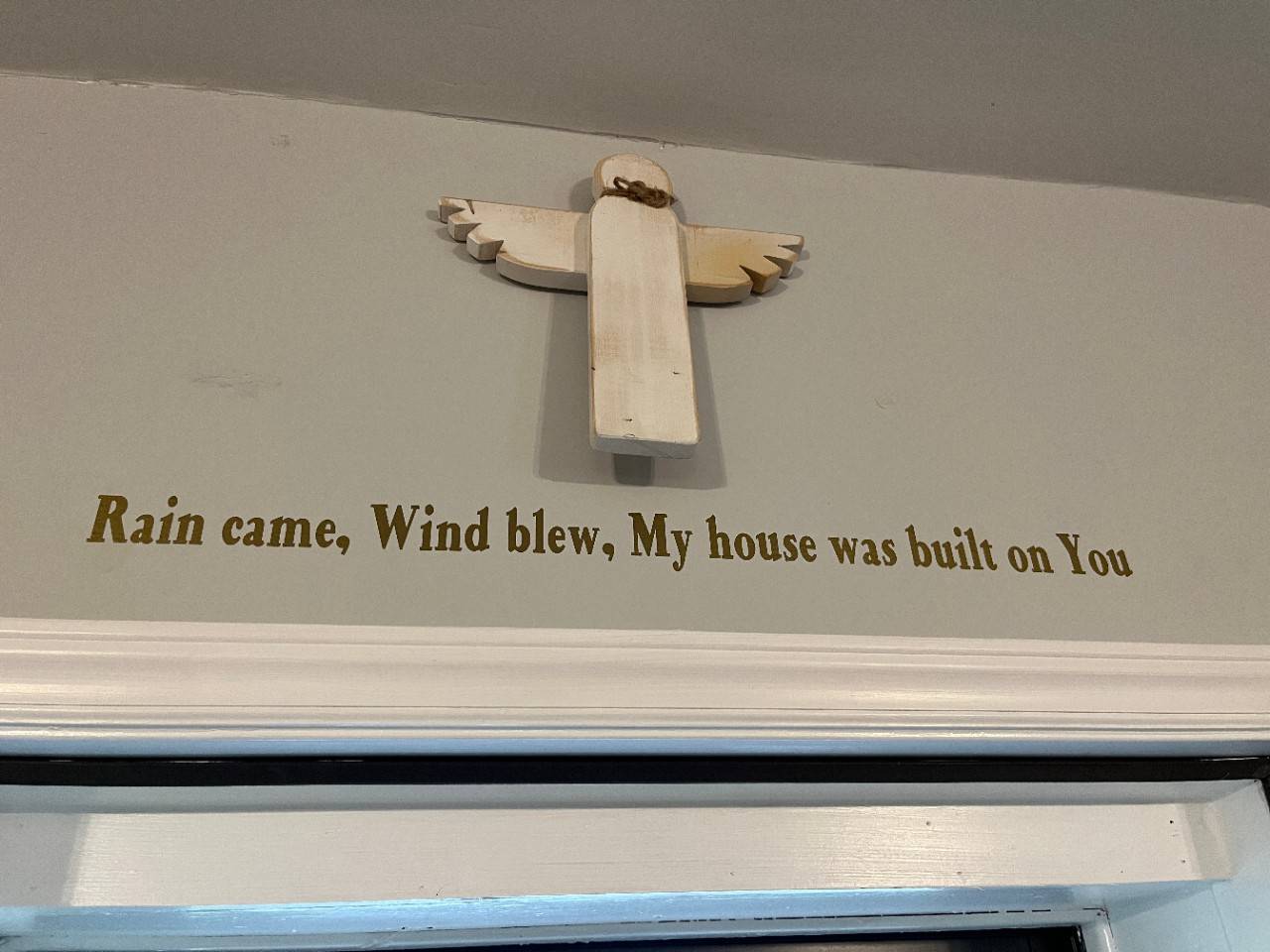
Above Brenda Ward's front door hangs a handmade angel.
One of the volunteers who helped rebuild her home made it and gave it to her during the long months following Hurricane Helene. Today, it remains one of her most treasured reminders of the recovery journey.
"When I saw that, it was just so special," Ward said.
The angel is small, but it represents something much larger.
Nearly two years after Hurricane Helene devastated western North Carolina, recovery is still unfolding across mountain communities. Homes are being rebuilt. Riverbanks are being restored. New foundations are replacing homes swept away by floodwaters. Families are moving home, beginning again or finding a path forward they never expected to walk.
And through it all, one lesson has become clear:
Recovery is not an event. It's a relationship.
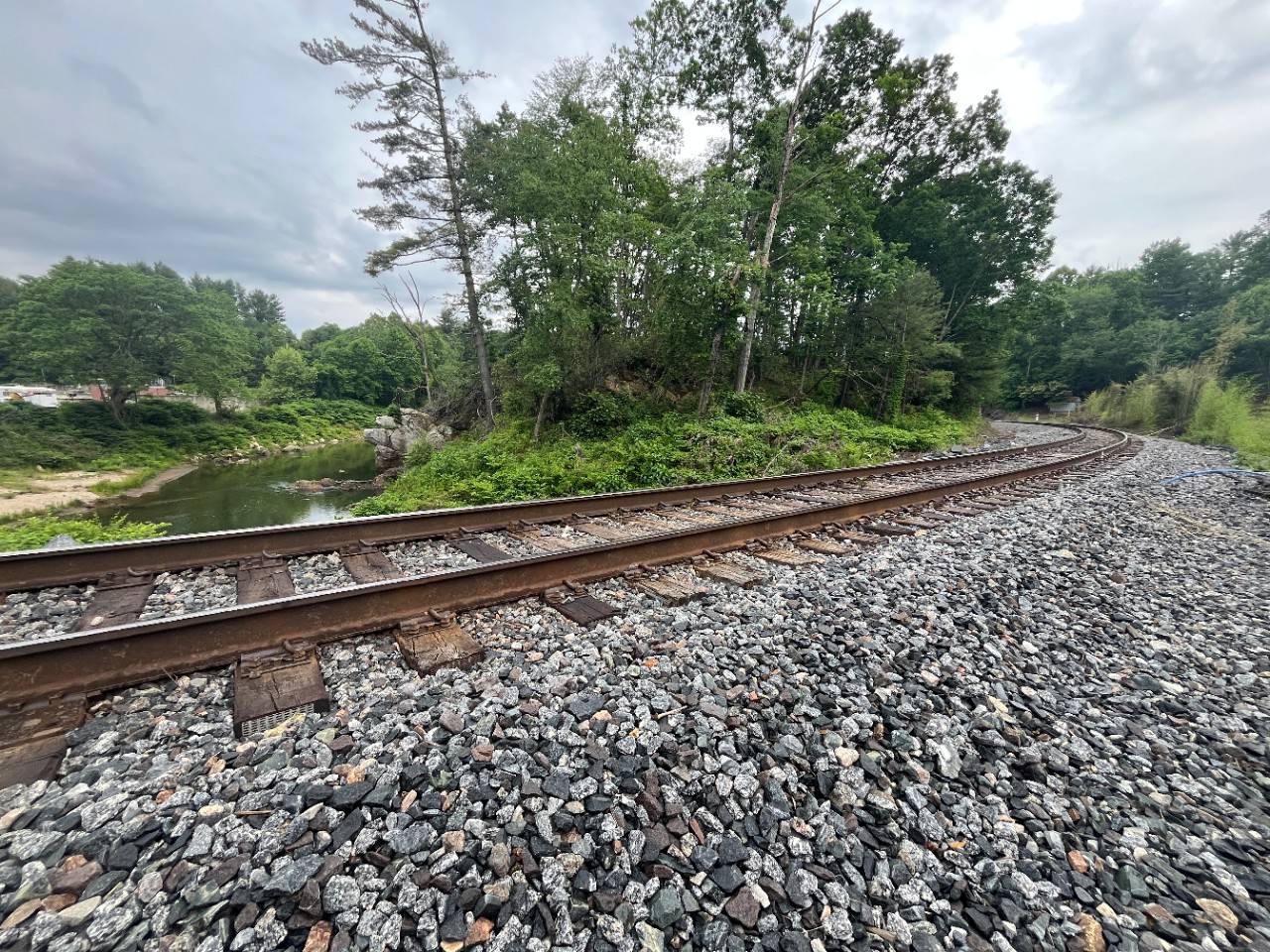
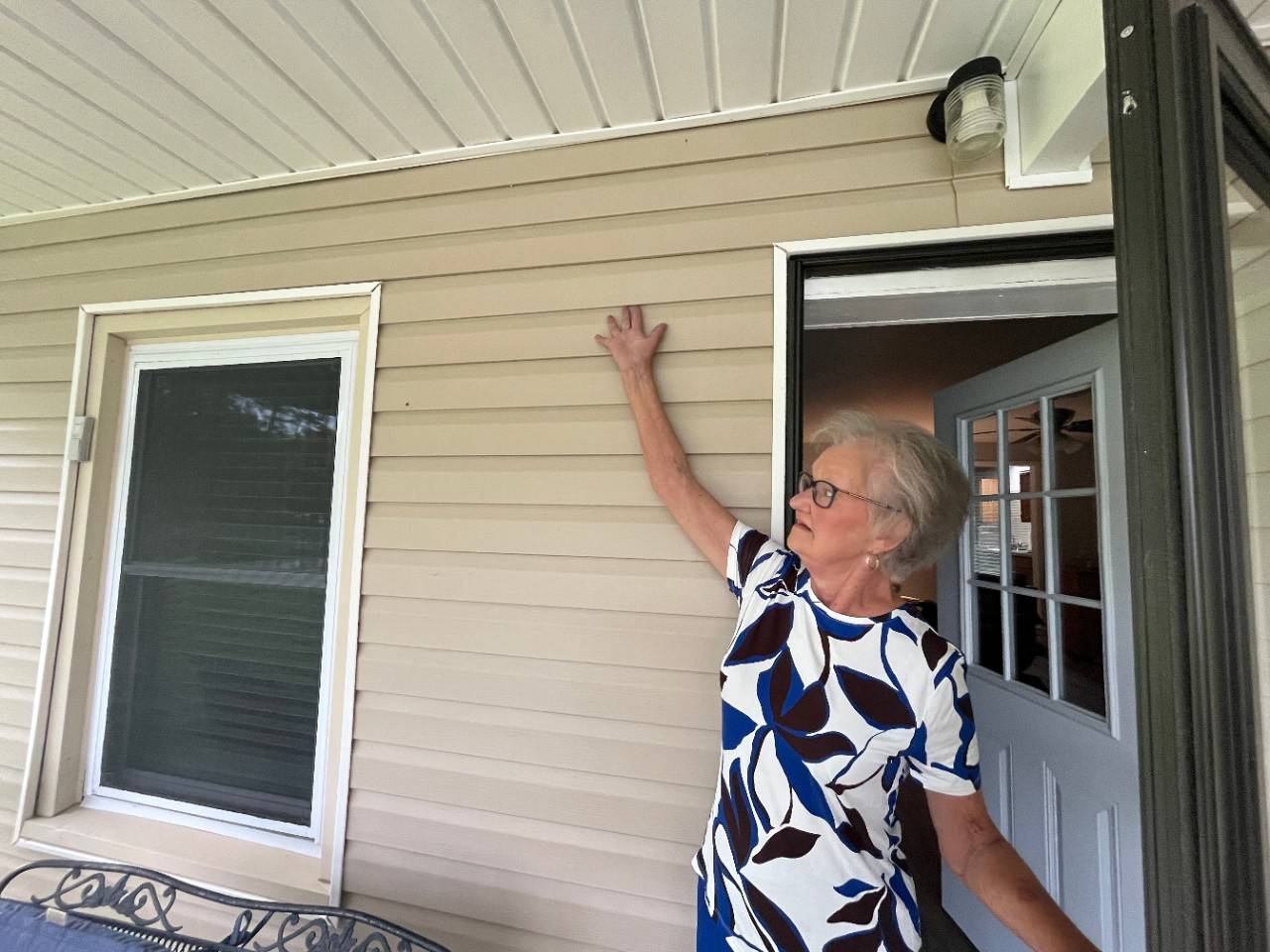
When Helene pushed the Toe River over its banks, Ward's home sat directly in the path of the floodwaters. Seven feet of water rushed through the house. Mud filled the basement. The damage was so severe that the entire interior eventually had to be gutted and rebuilt from floor to ceiling.
Volunteers hauled debris by the bucketful. Churches collected donations. Recovery organizations coordinated repairs. Strangers arrived with tools, meals and encouragement.
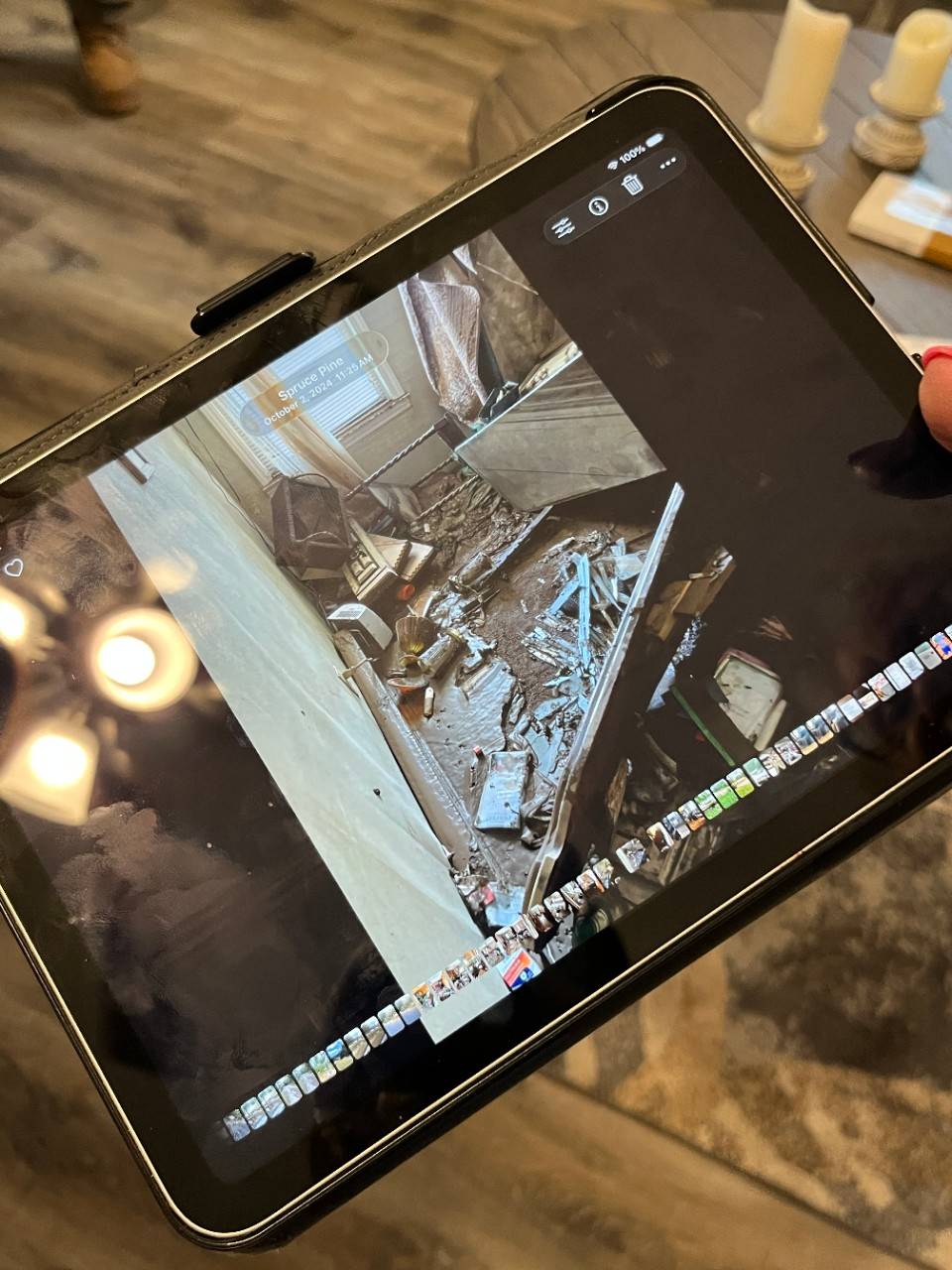
"It's been great," Ward said. "I can't even count the people, the volunteers, that came through here."
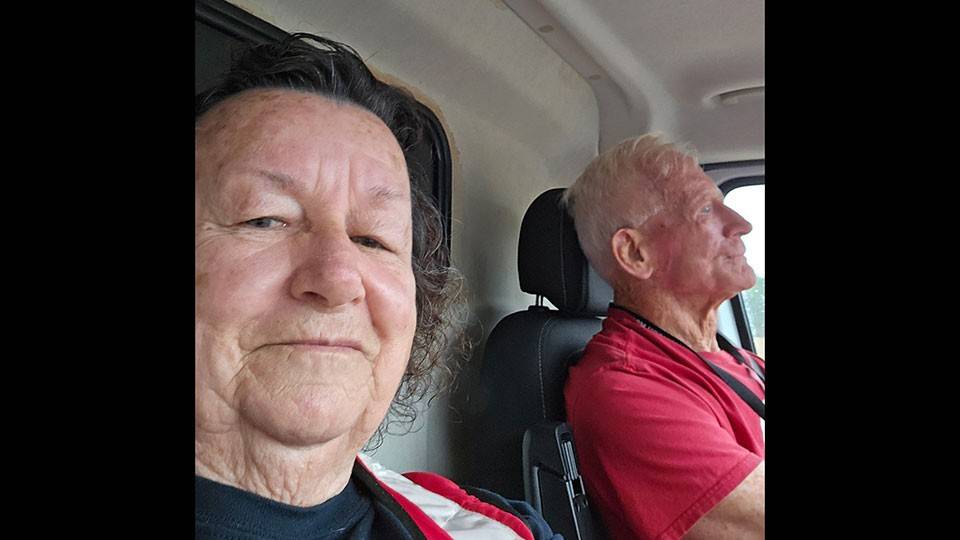
Today, she and her husband are back home.
"We have been blessed beyond measure," she said. "You wouldn't believe how blessed we've been."
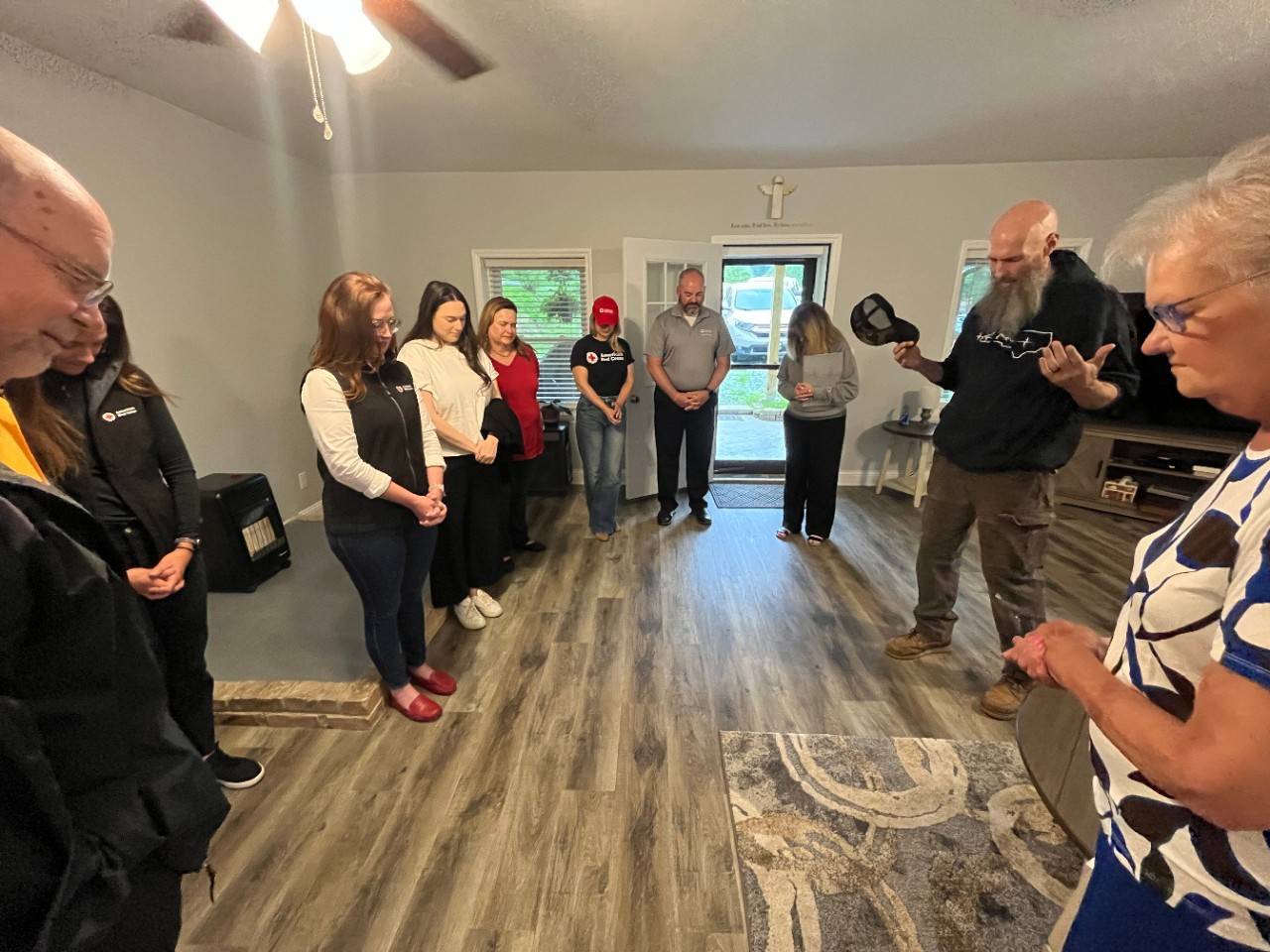
The Wards' story is one of thousands across western North Carolina. Yet it captures a reality recovery leaders continue to encounter: no two recovery journeys look exactly alike.
For some families, recovery meant restoring the homes they loved.
For others, it meant building entirely new ones.
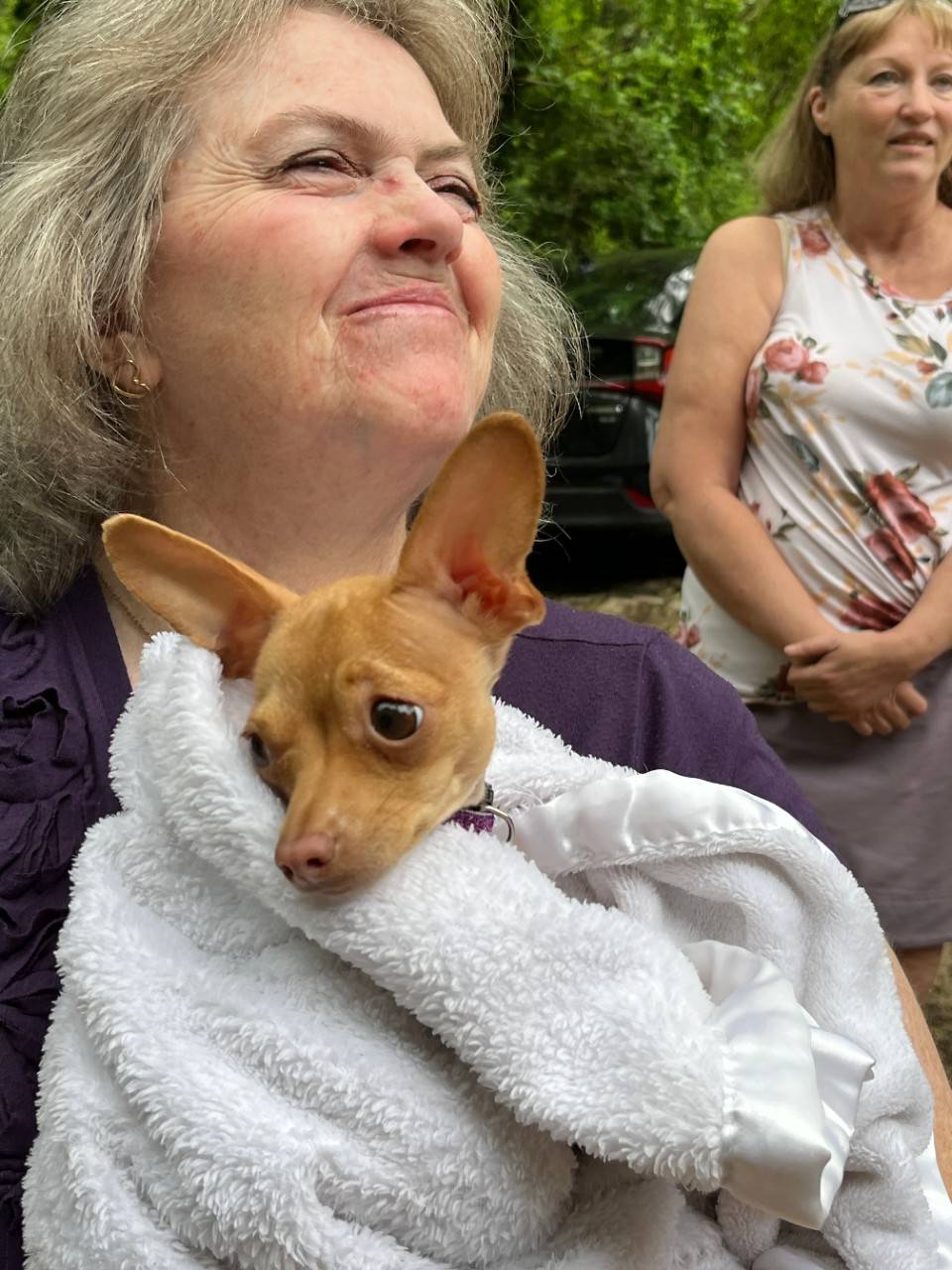
Sue Ann Rose's family home had stood on the property for generations.
"It was my grandmother's house," she said.
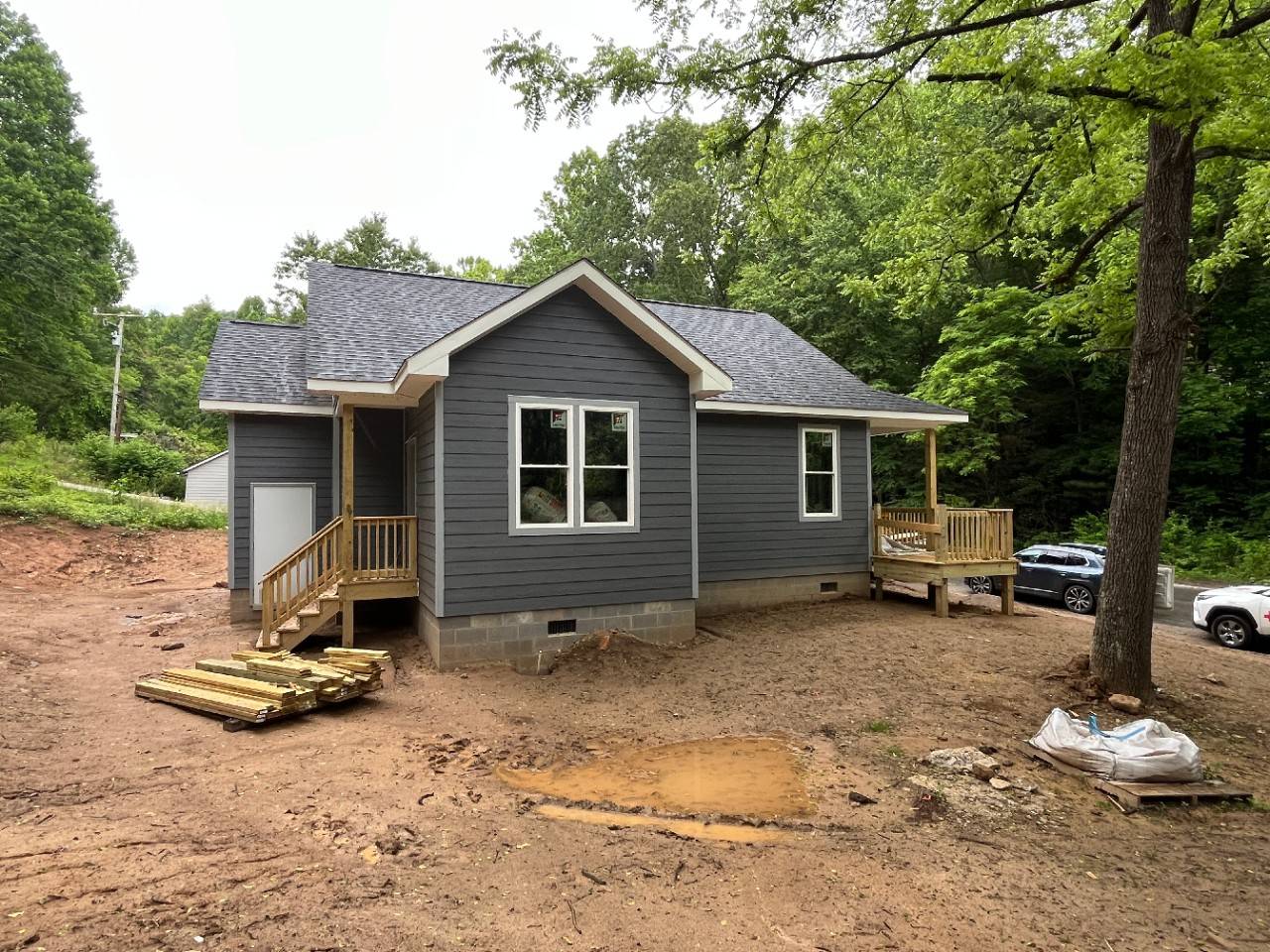
After a tree crashed through the home during the storm, the structure was deemed beyond repair. In the months that followed, Rose endured even more heartbreak, losing both her husband and her daughter.
As a replacement home rises on the property, she approaches the future with quiet determination.
"This is my journey. They did their journey, and now it's mine. I have no idea what His purpose is, but here I am."
The home itself reflects the extraordinary network of people that recovery can bring together. Much of the framing and roofing was completed by Amish volunteers, including teams of young women who hand-set roof trusses and helped raise the structure from the ground up.
Rose has already chosen a paint color.
Pigeon gray.
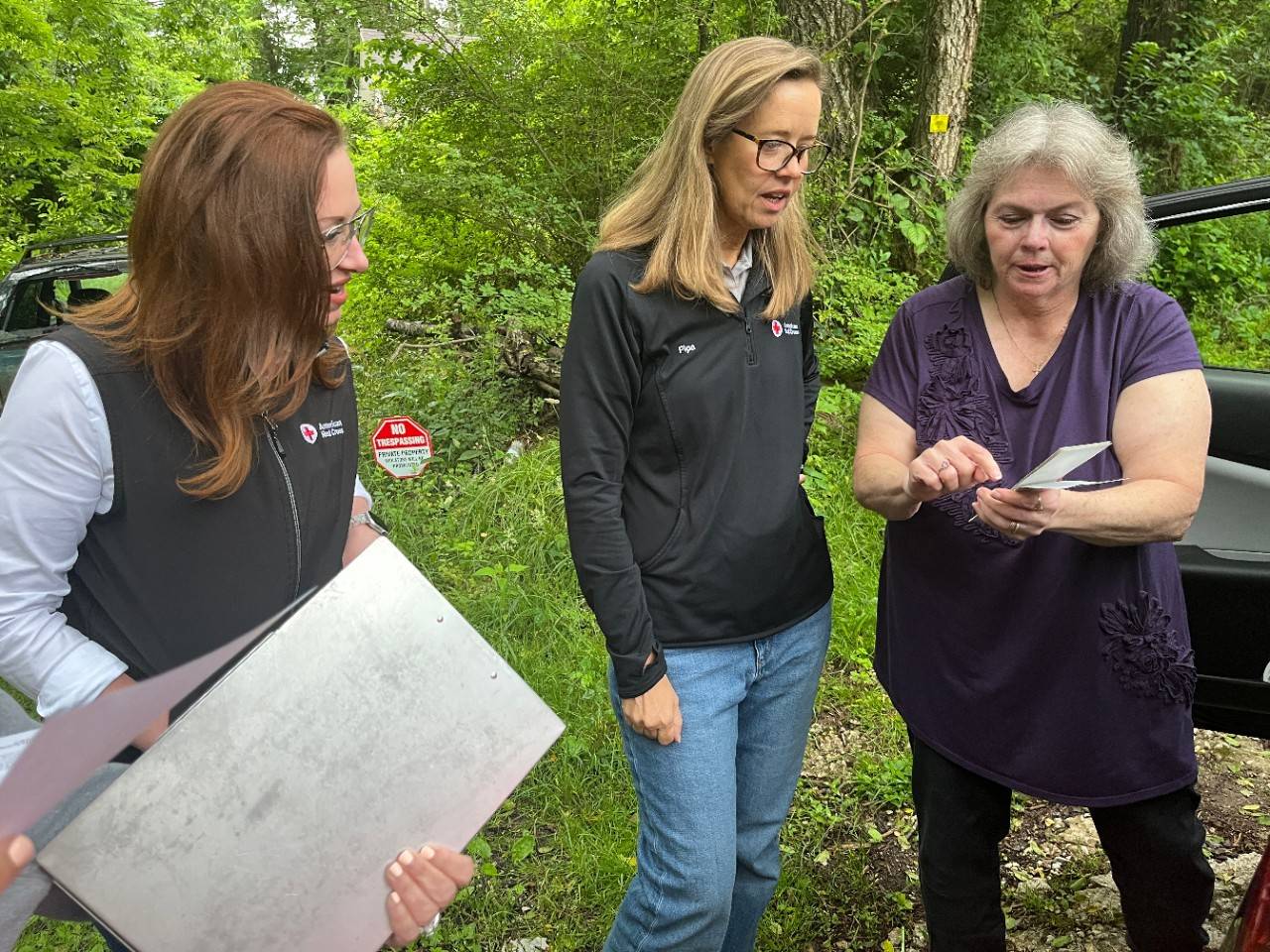
A shade that carries a hint of purple—her late daughter's favorite color.
For Kimberly Buchanan, recovery looked different again.
Her home remained standing but sustained severe damage. According to recovery teams, the roof was among the most challenging they encountered, with workers inadvertently falling through while making repairs.
"I was sitting there the day they came through my den," Buchanan recalled. "My first thought was, 'Did he get hurt?'"
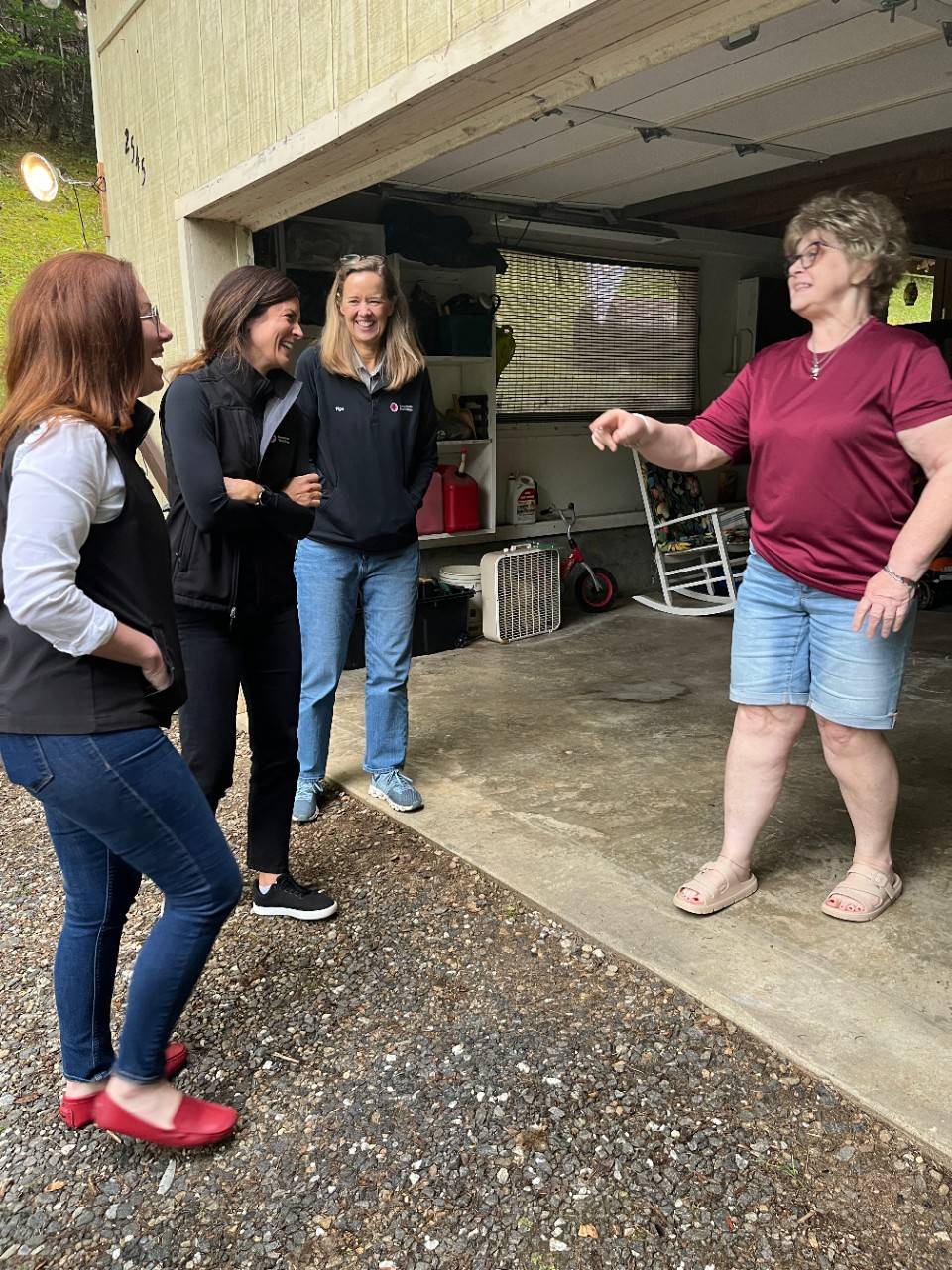
Elsewhere across the region, families continue moving toward recovery as replacement homes near completion after flood damage, mold and other storm impacts made their original homes unsafe.
Different homes. Different challenges. Different paths forward. One shared goal: helping families return to safe, stable lives.
More Than Rebuilding Homes
The power of those partnerships was on display throughout western North Carolina.
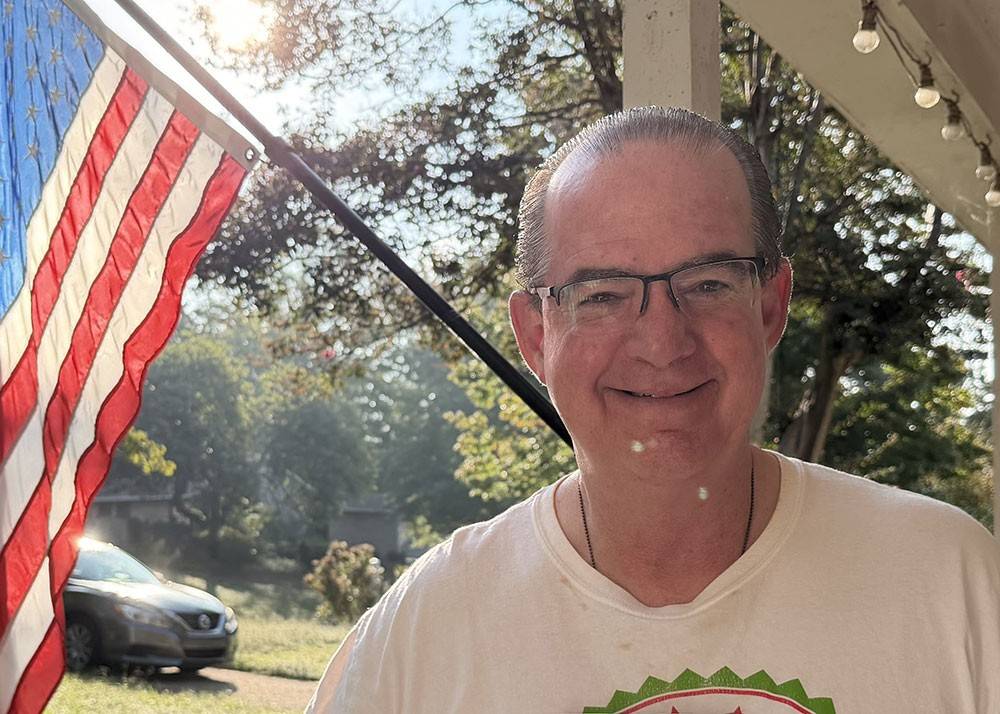
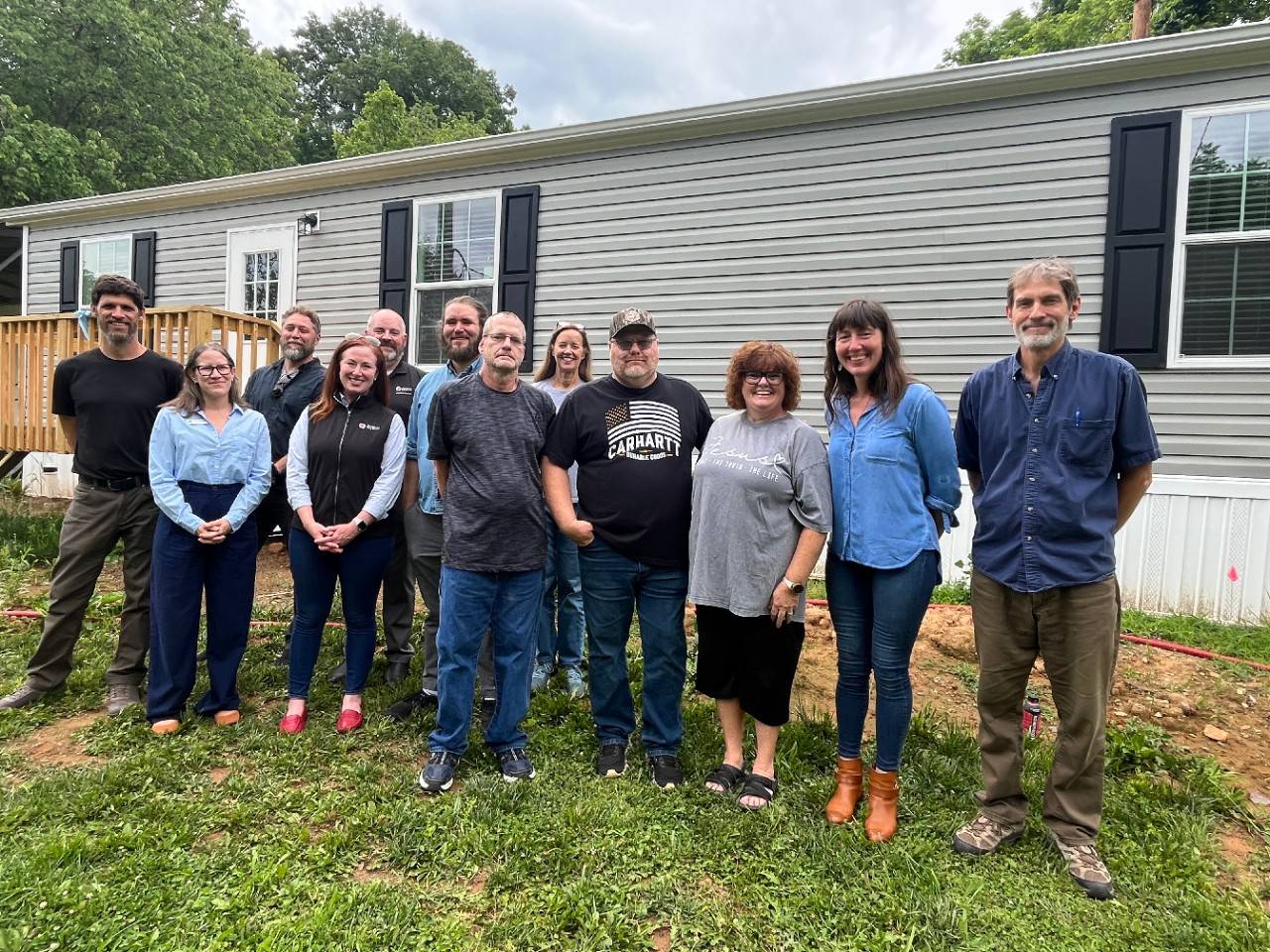
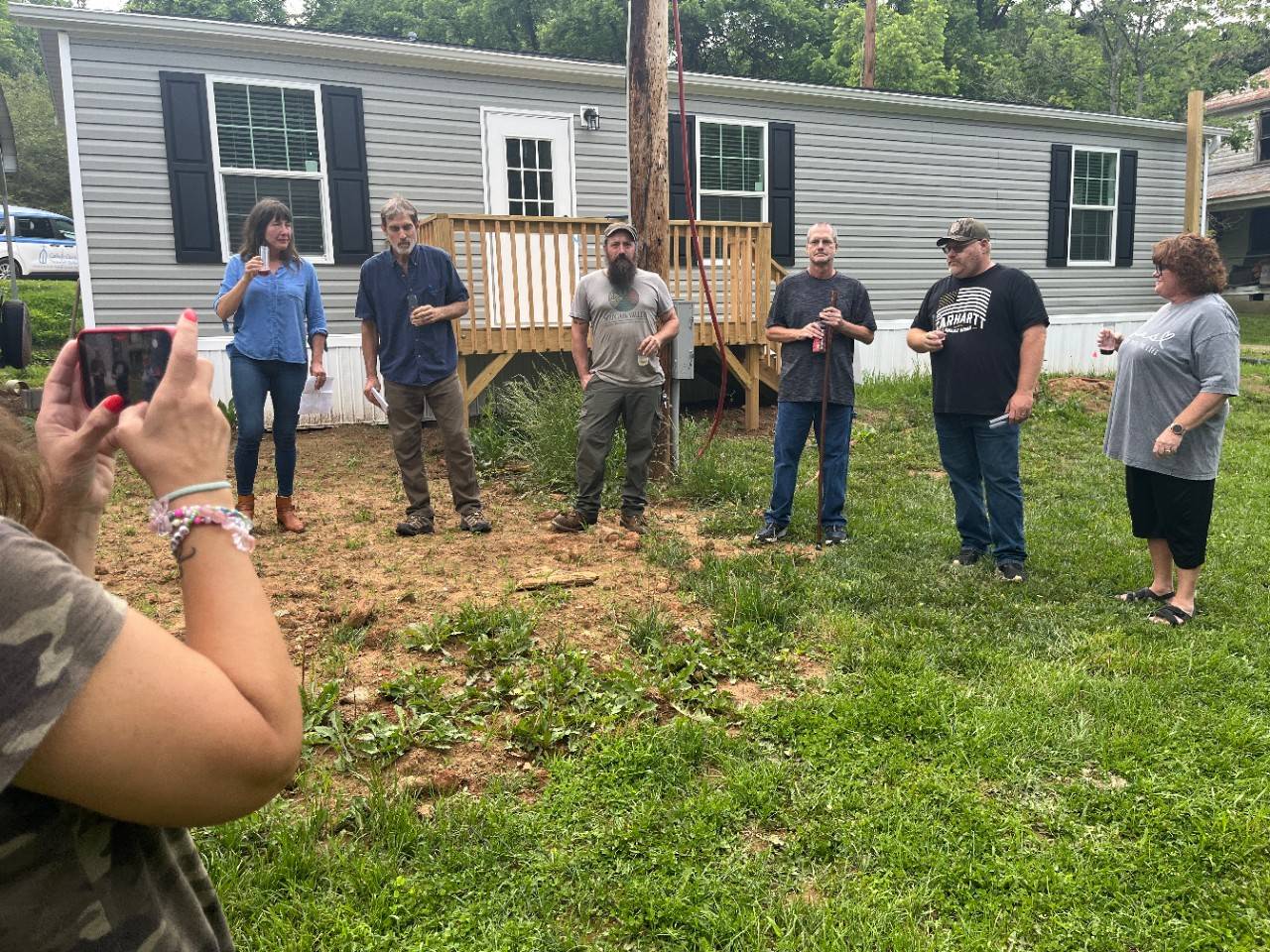
Just a day before visiting the Ward family, community leaders, volunteers and recovery partners gathered in Madison County to celebrate a ribbon-cutting for homeowner Chad Honeycutt (pictured above), whose new home now stands where uncertainty once lingered.
The celebration was about more than a completed house.
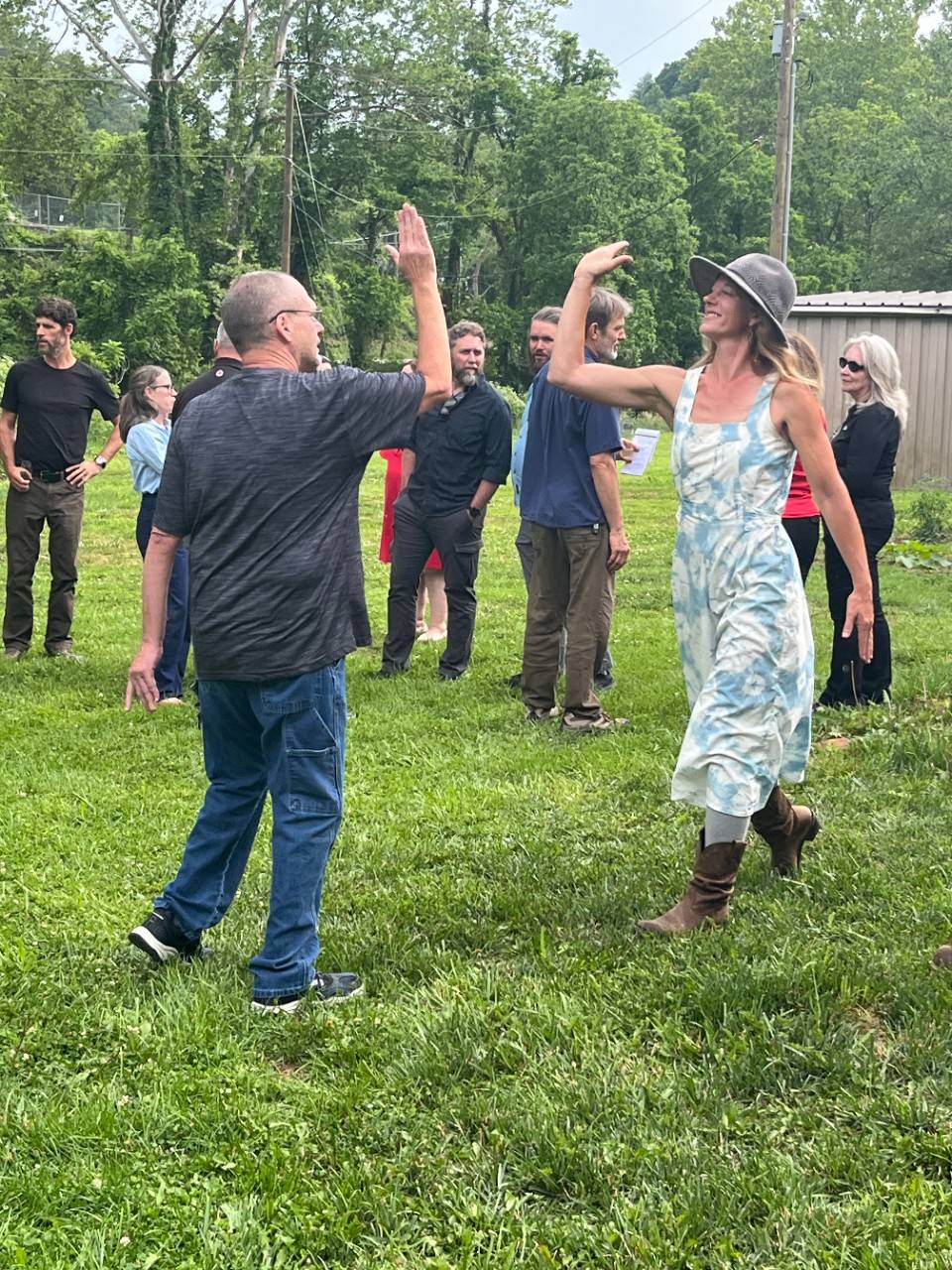
It was a visible reminder that long-term recovery is producing results—one family, one project and one partnership at a time.
Behind many of those efforts is the Madison Alliance for Rebuilding Communities (MARC), a long-term recovery group that emerged in the weeks following Hurricane Helene.
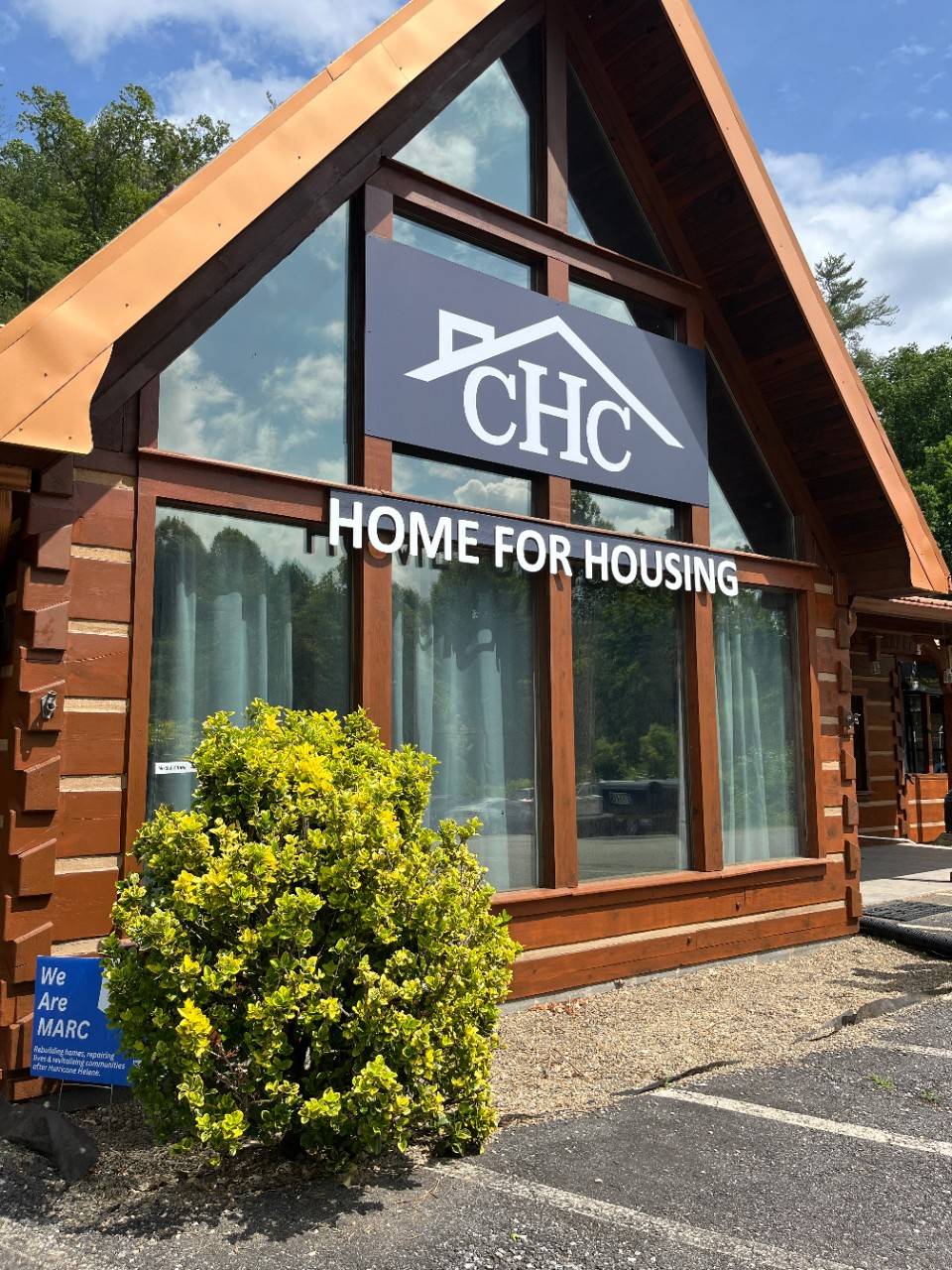
"At first, though, it was, 'Who's got a chainsaw?'" recalled Chris Watson.
The recovery began not with formal plans, but with neighbors helping neighbors.
Watson attributes much of Madison County's recovery strength to the close-knit nature of its communities.
"I've never lived anywhere where people identify with their county the way they do here," he said.
The same characteristics that made some communities vulnerable—their rural geography, isolation and limited resources—also became strengths. Residents knew their neighbors. They knew where help was needed. And when disaster struck, many stepped forward immediately.
Community members ventured into isolated areas to check on families, assess needs and connect people with resources. What started as a grassroots response eventually evolved into community meetings, resource fairs and an expanding case-management network designed to help residents navigate a recovery process that often felt overwhelming.
Those meetings did more than provide information.
According to MARC Recovery Director Daria Uporsky, they became a source of emotional support and connection for survivors.
Over time, the work revealed something important.
Many of the challenges families faced did not begin with Hurricane Helene.
"What we're seeing are these systemic and generational issues, not caused by the hurricane."
Many households were already facing poverty, disability, aging housing stock or unsafe living conditions long before the floodwaters arrived.
Helene didn't create those realities.
It exposed them.
"The vast majority of our clients do not have the ability to recover from this disaster," Uporsky said.
As recovery efforts expanded, case managers often found themselves helping residents address challenges that extended far beyond storm damage alone.
After more than a year of recovery work, Uporsky believes that holistic case management is helping solve problems that predate the disaster itself.
"We're seeing these systemic and generational issues, and we're starting to address them simply by giving people the support they need to make empowered decisions about their lives."
Today, MARC is looking toward a broader vision: a permanent resiliency hub capable of helping Madison County residents navigate future disasters and community challenges long after Helene recovery is complete.
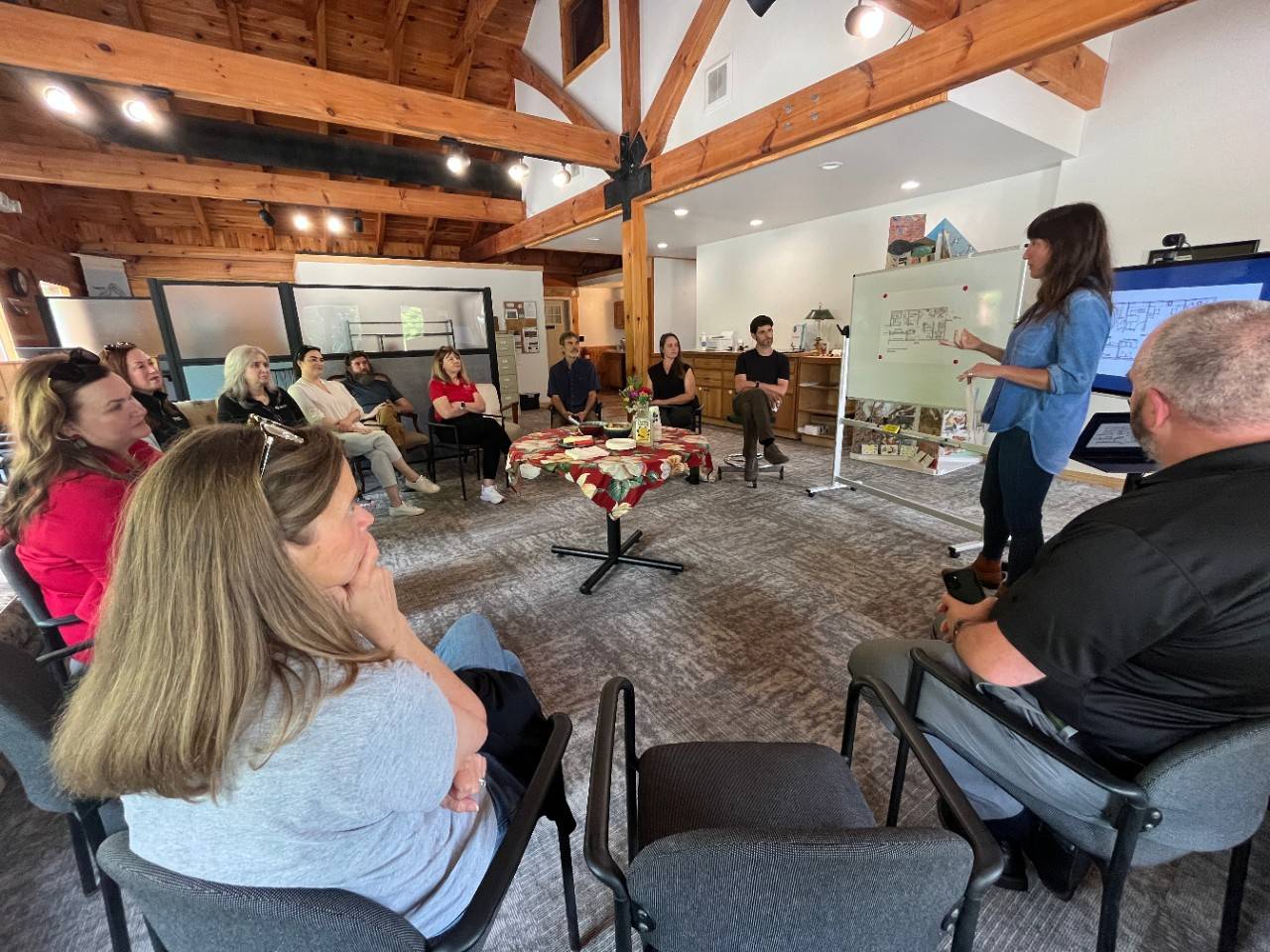
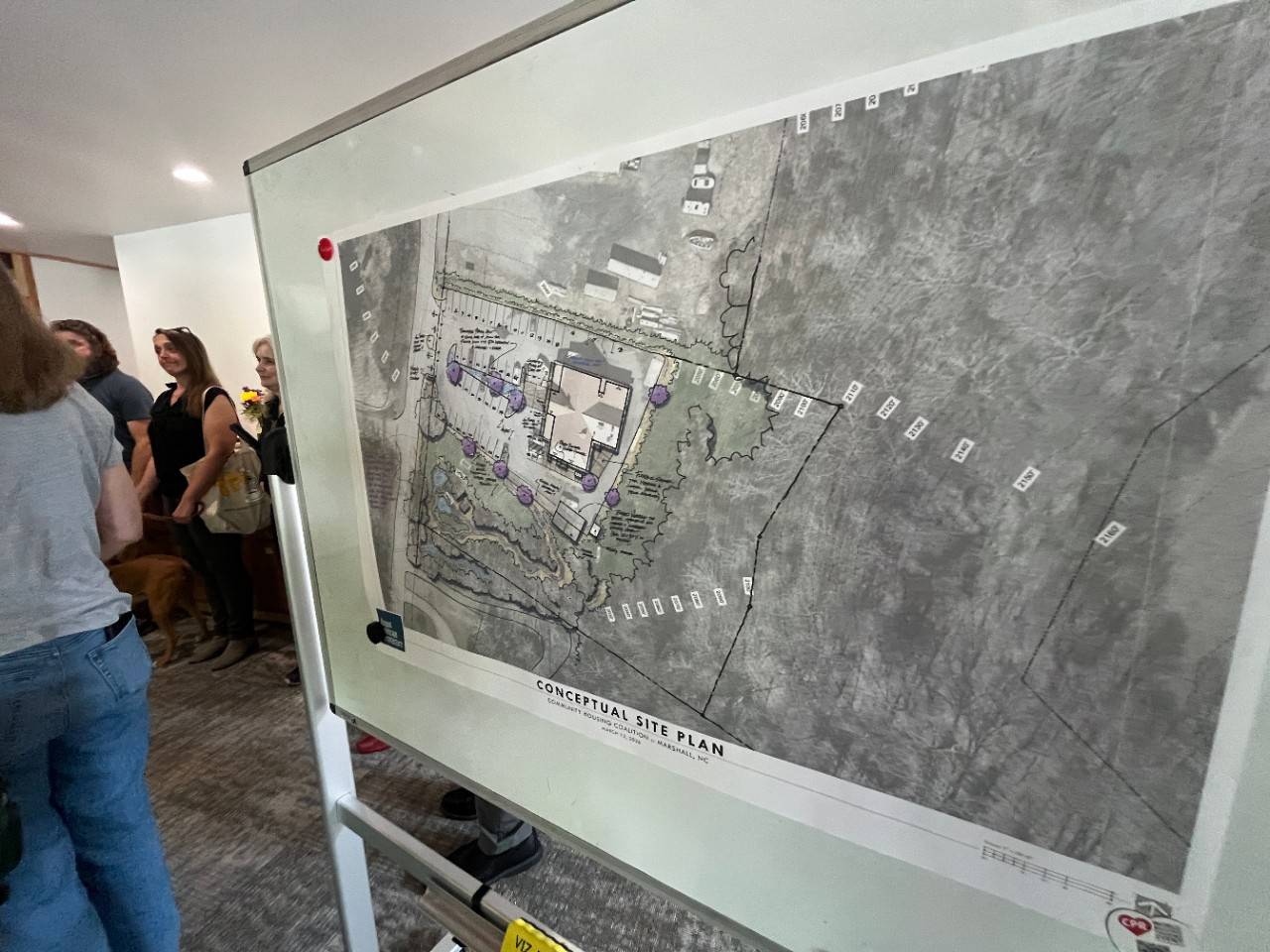
It is a recognition that resilience is built long before the next storm arrives.
The People Helping Are Recovering, Too
One of the most striking lessons from western North Carolina's recovery is that many of the people helping others rebuild were facing losses of their own.
T.W. Randall spent months helping families navigate resources as a case manager with the Mitchell County Long-Term Recovery Group while confronting serious damage to his own home.
Floodwaters had undermined the foundation beneath the structure.
"The house is literally sinking," Randall said.
Today, through partnerships involving the local recovery group and Appalachia Service Project, construction of a replacement home is underway.
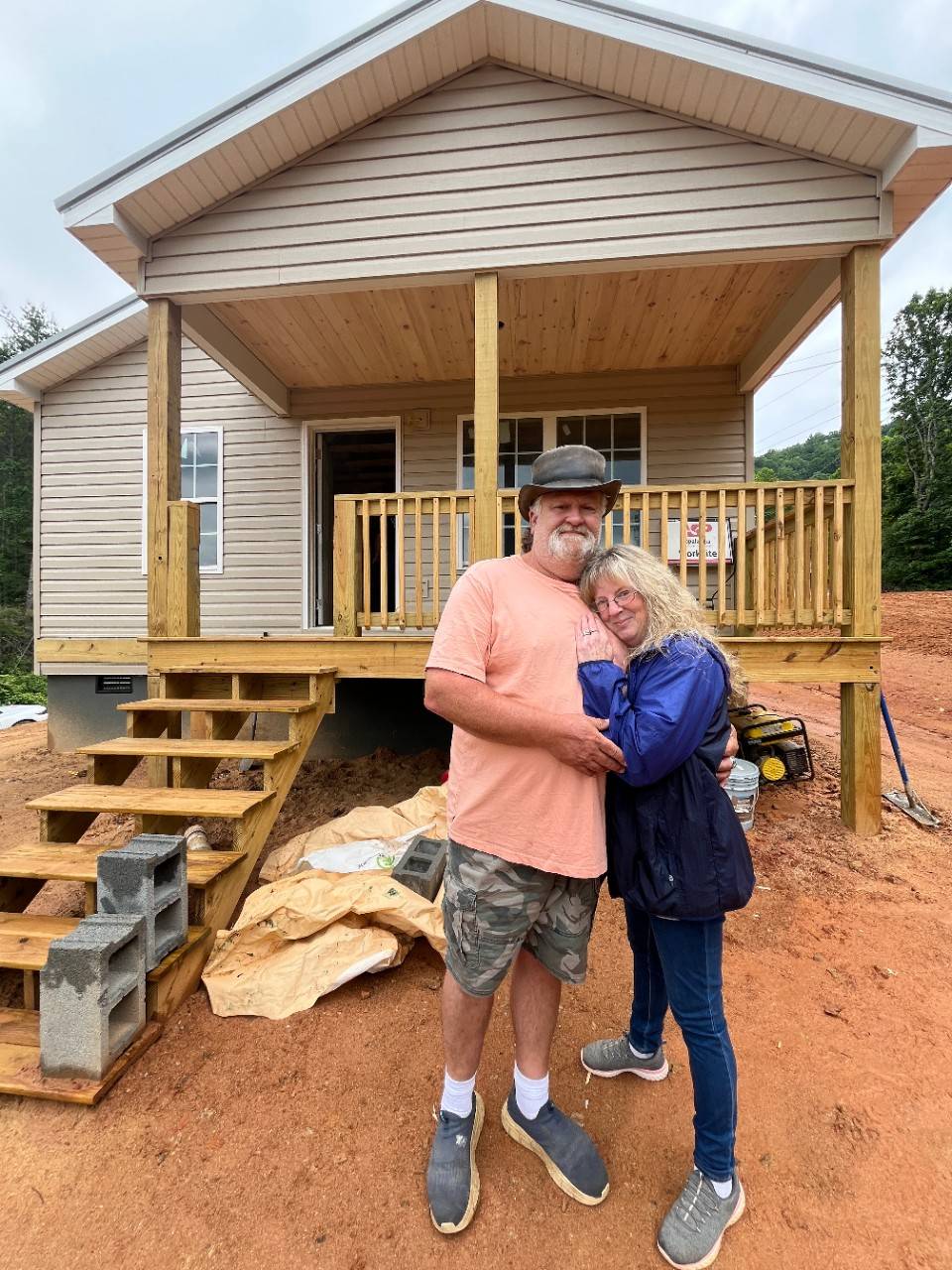
His story underscores a reality repeated across western North Carolina: many of those helping communities recover were survivors themselves.
No story illustrates that more clearly than Aaron Williams.
Known to friends as "Buster," Williams was serving as an Avery County Sheriff's deputy when Hurricane Helene struck.
While responding to calls and helping protect the community, reports began coming in that floodwaters were overtaking his property along the Elk River.
Nearly 48 hours passed before he could return home.
When he did, there was nothing left.
The flood had swept the house away. His vehicles were gone. His belongings were gone. Nearly everything he owned had disappeared.
Then, amid the wreckage, he saw movement.
The tail of Ghost, his Great Pyrenees.
Eventually, both Ghost and his other dog, Zola, were found alive after somehow surviving beneath a section of roof lodged downstream.
"The only thing I prayed for was for my family to be okay and for my dogs to be okay," Williams said.
Even after discovering his loss, Williams returned to work.
Like many first responders throughout the region, he spent the days that followed helping locate missing residents, navigating damaged roads and reaching isolated communities.
"Whatever you could do is what you had to do," he said.
The experience carried a unique emotional weight.
"You know everybody, and you can see what everybody had or lost."
As Williams traveled through the county in the weeks following the storm, he began to understand the magnitude of what lay ahead.
"First you thought it would take weeks. Then maybe months. By the time you got down here, you realized it was going to take years."
Today, a new home is nearing completion for Williams and his now-fiancée, Emily, who also served the community during the storm as a dispatcher. The couple plans to marry this August.
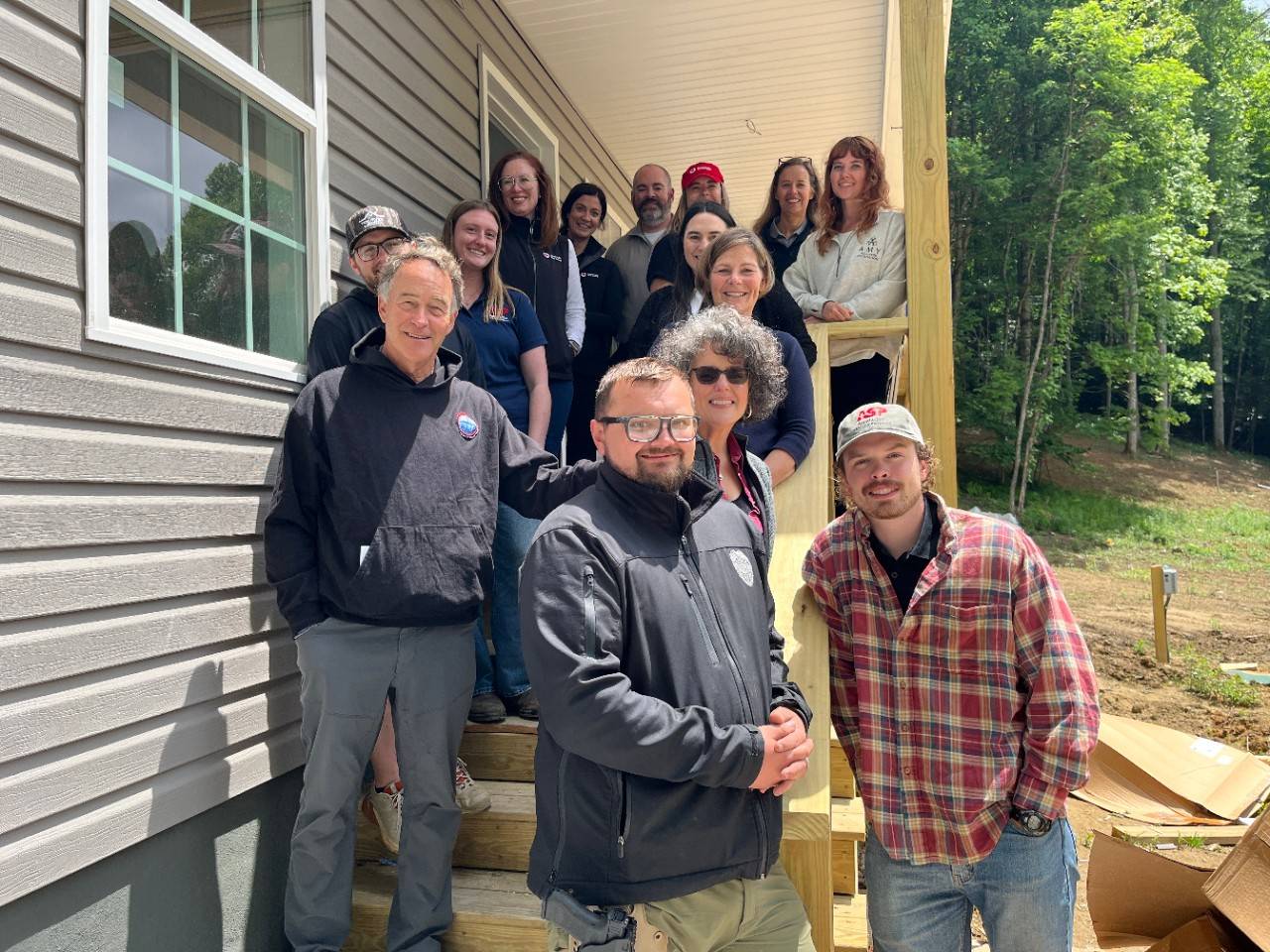
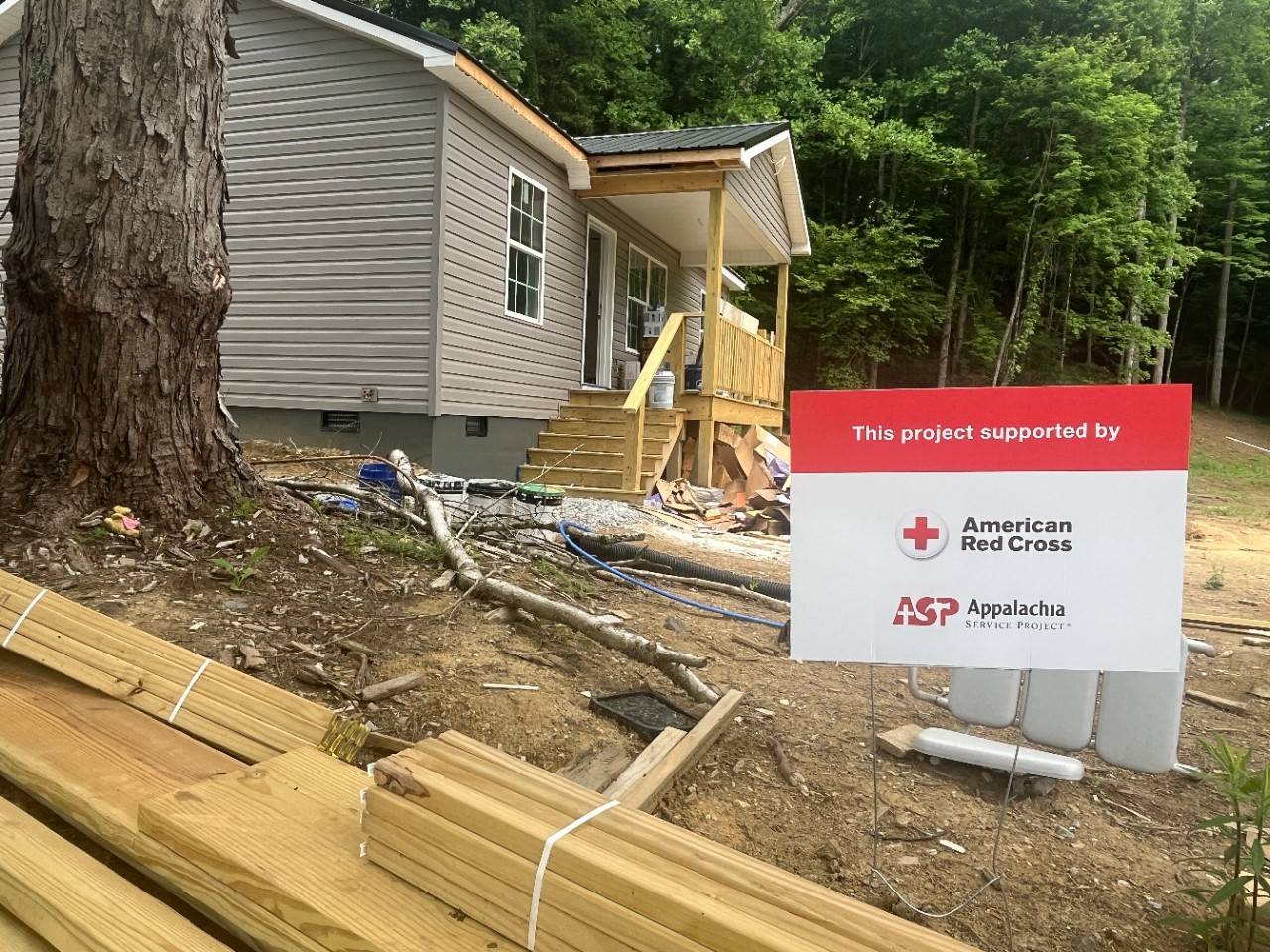
Reflecting on the recovery journey, Williams offered a distinction that has come to define so much of the work happening across western North Carolina.
"There's a difference between rebuilding and restarting."
In communities like Elk Park, Spruce Pine and Marshall, that difference matters.
Families have often lived on the same land for generations. Homes are more than structures. They hold memories, histories and connections that stretch across decades.
The goal isn't simply replacing what was lost.
It's helping people remain rooted in the communities they've always called home.
Recovery isn't about sending people somewhere new.
It's about helping them come home.
Building a Stronger Future
The work extends beyond individual homes.
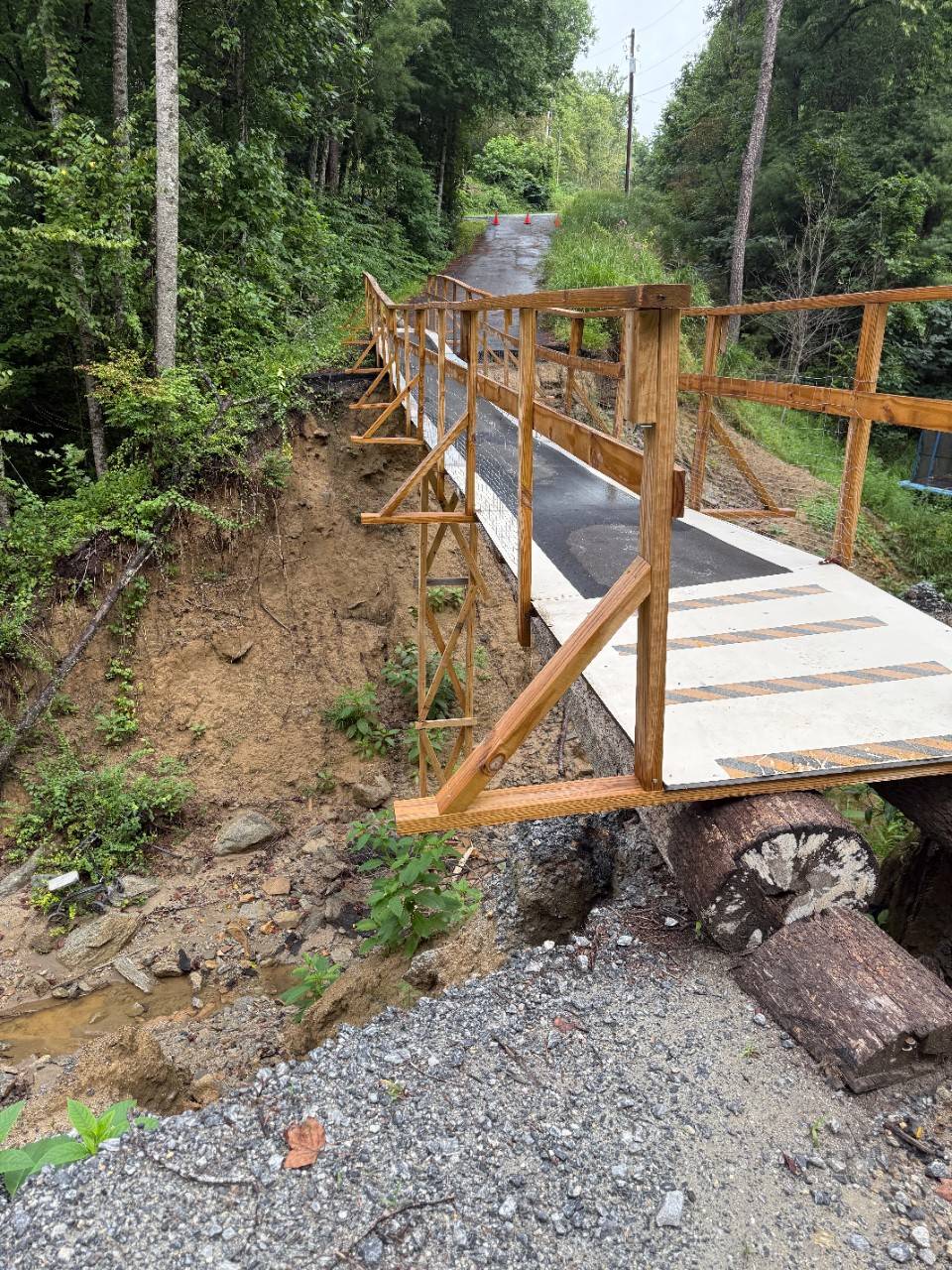
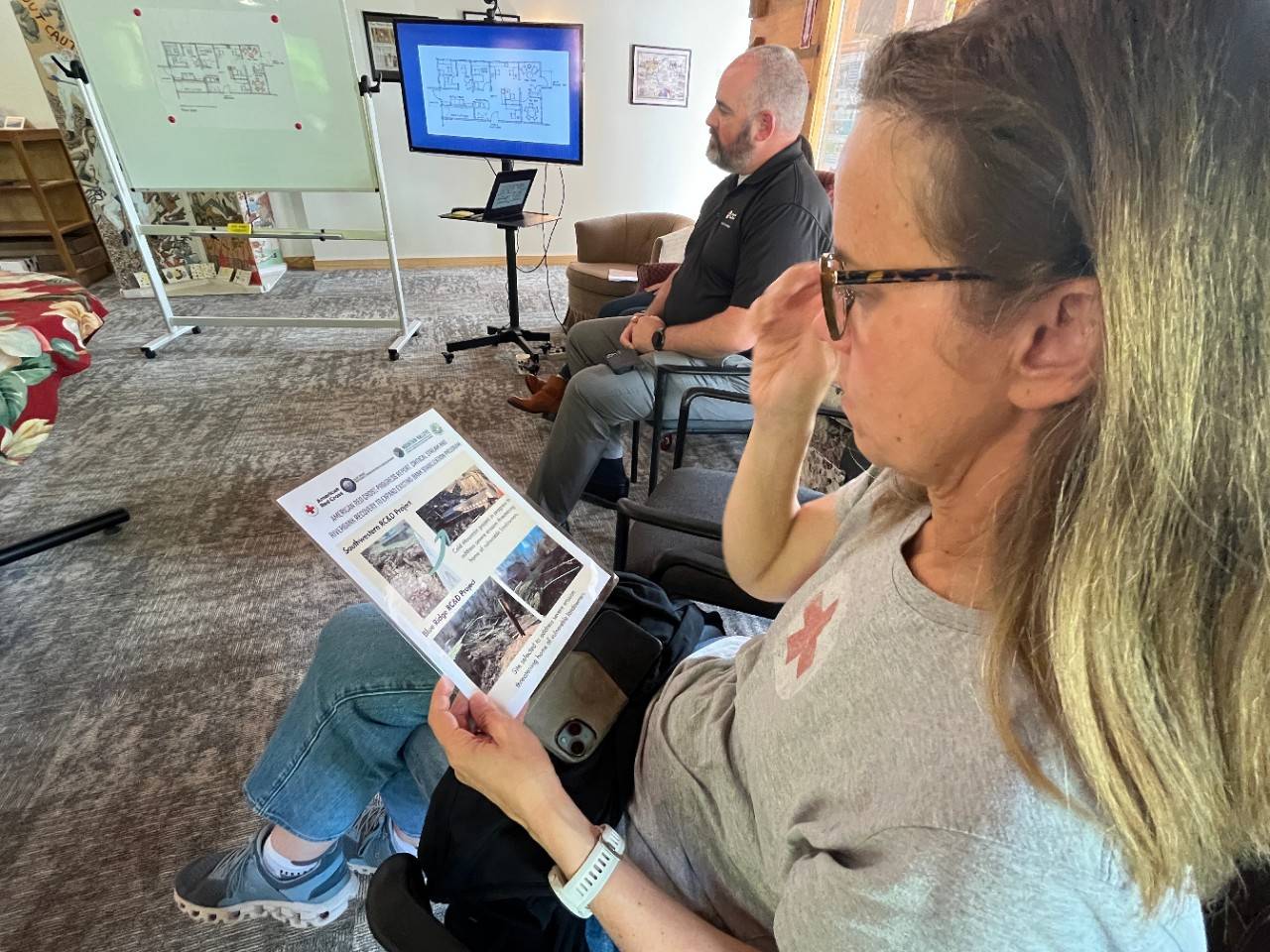
In Swannanoa, partners including Valley Hope Foundation and MountainTrue are helping stabilize slopes, restore landscapes and reduce future risk after catastrophic landslides reshaped entire sections of the community.
Across western North Carolina, organizations including the American Red Cross, Baptists on Mission, Appalachia Service Project, county long-term recovery groups, AMY Wellness Foundation, MARC, the Community Foundation of Henderson County and countless local nonprofits continue coordinating volunteer labor, case management, environmental restoration, rebuilding projects and recovery support.
Recovery at this scale requires more than any one organization can provide.
Local organizations brought relationships and community trust. Volunteers brought labor. Recovery groups brought coordination. Foundations brought resources. The American Red Cross helped support long-term recovery through financial assistance, grant funding and partnerships with organizations working directly with survivors.
Together, they form a network of support working alongside residents long after the immediate crisis has passed.
No single organization could accomplish this work alone.
And no family should have to recover alone, either.
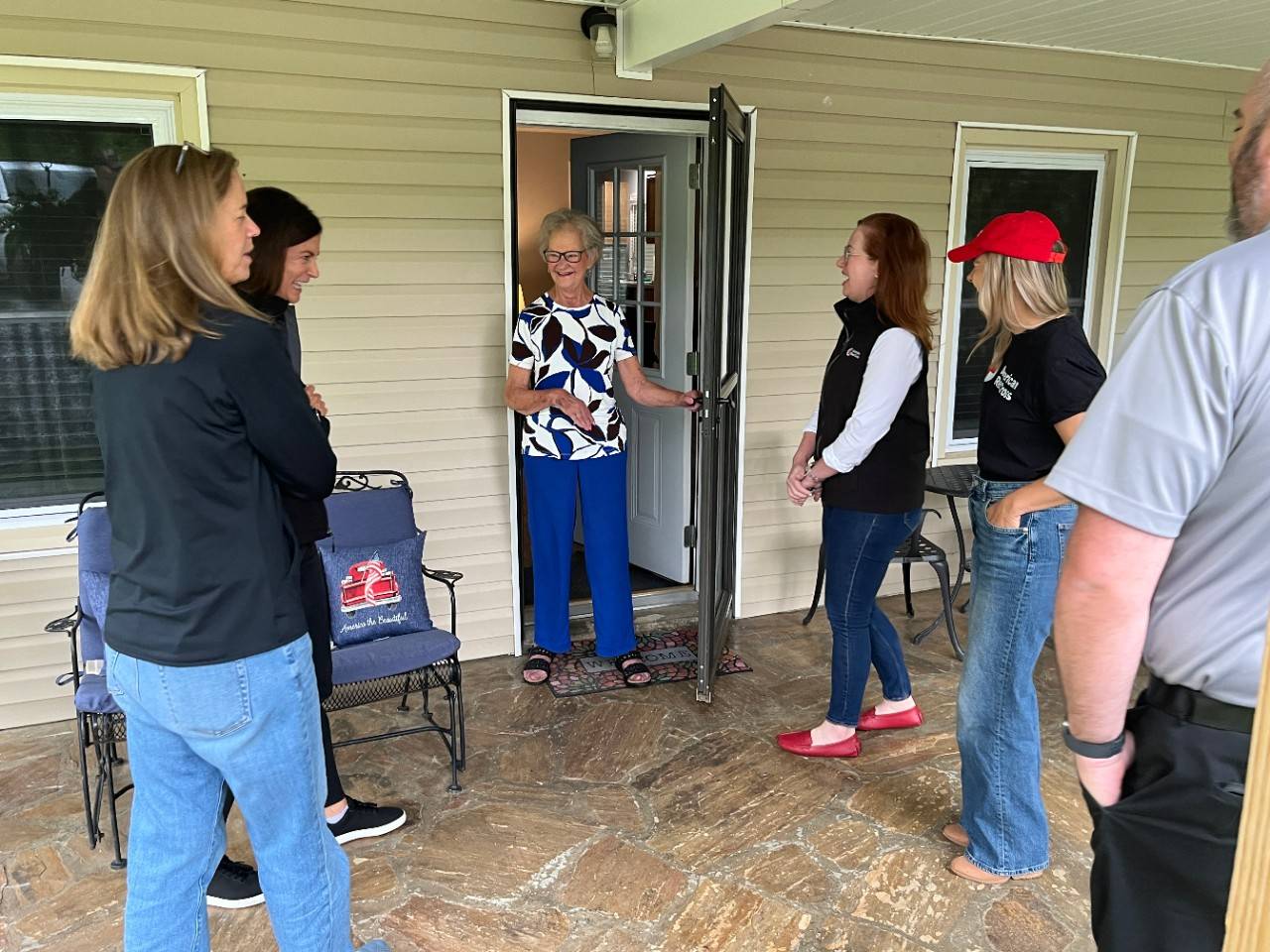
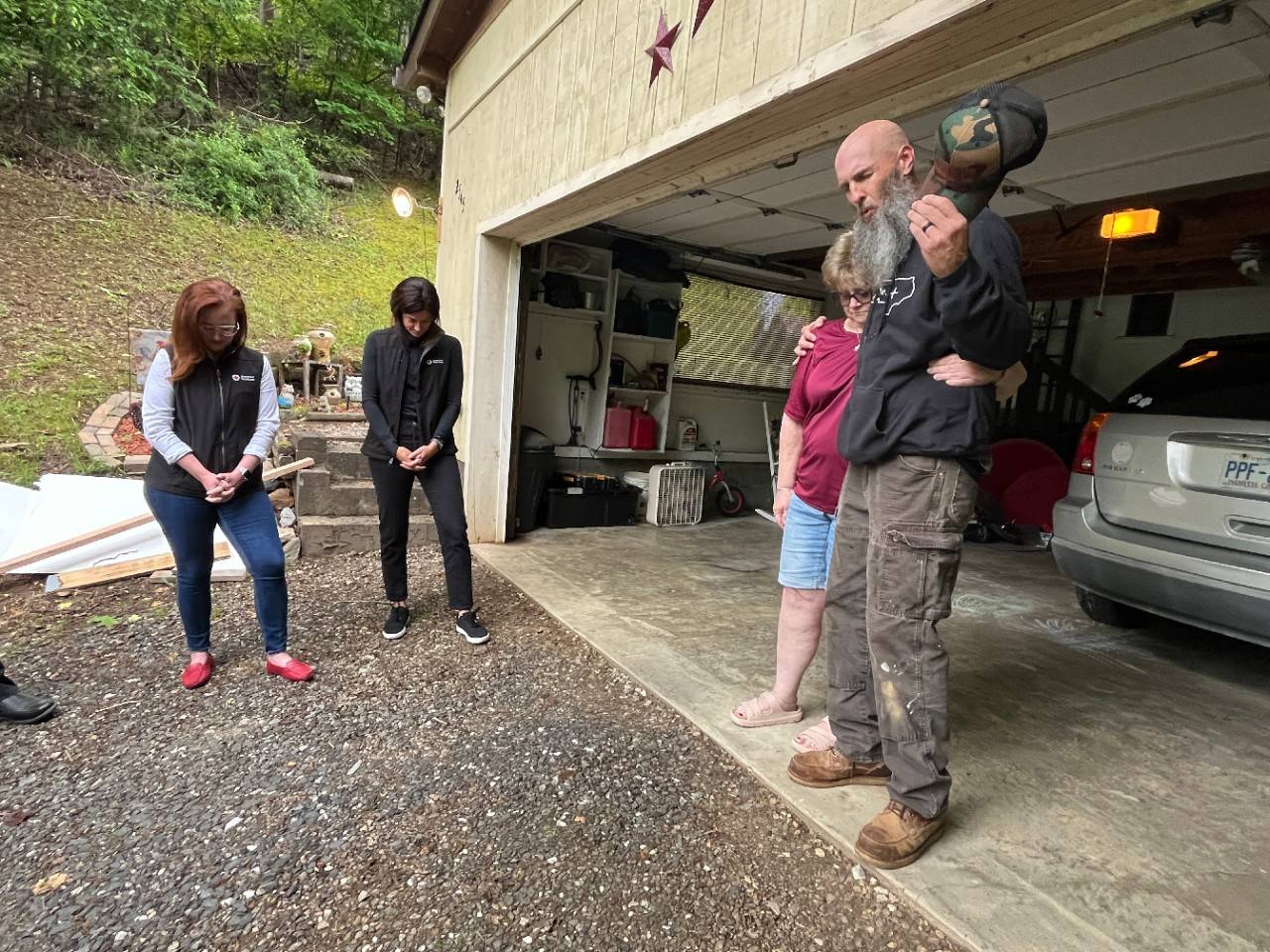
Back at the Ward home, the handmade angel still hangs above the door.
It serves as a reminder that recovery cannot be measured solely in homes repaired, grants awarded or volunteer hours served.
Sometimes recovery looks like an elderly couple returning home after losing nearly everything.
Sometimes it looks like a new beginning painted with a daughter's favorite color.
Sometimes it looks like a deputy sheriff planning a wedding after losing the home he thought he'd never get back.
And sometimes it looks like neighbors, volunteers, faith communities, nonprofits and local leaders continuing to show up for one another, day after day, long after the spotlight is gone.
That angel represents western North Carolina's recovery better than any statistic ever could.
A reminder that long after the floodwaters receded, people not only stayed.
They showed up. And they kept showing up.
Because recovery isn't an event. It's a relationship.
Support all the urgent humanitarian needs of the American Red Cross.
Find a drive and schedule a blood donation appointment today.
Your time and talent can make a real difference in people’s lives. Discover the role that's right for you and join us today!
Support all the urgent humanitarian needs of the American Red Cross.
Find a drive and schedule a blood donation appointment today.
Your time and talent can make a real difference in people’s lives. Discover the role that's right for you and join us today!