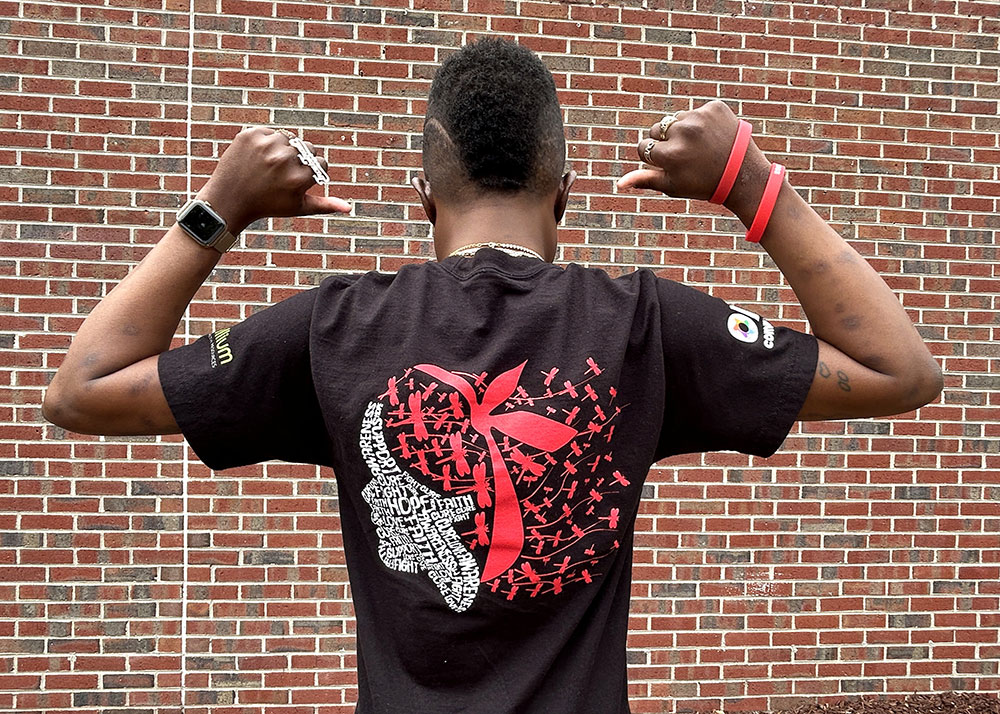
By Kelly Flynn
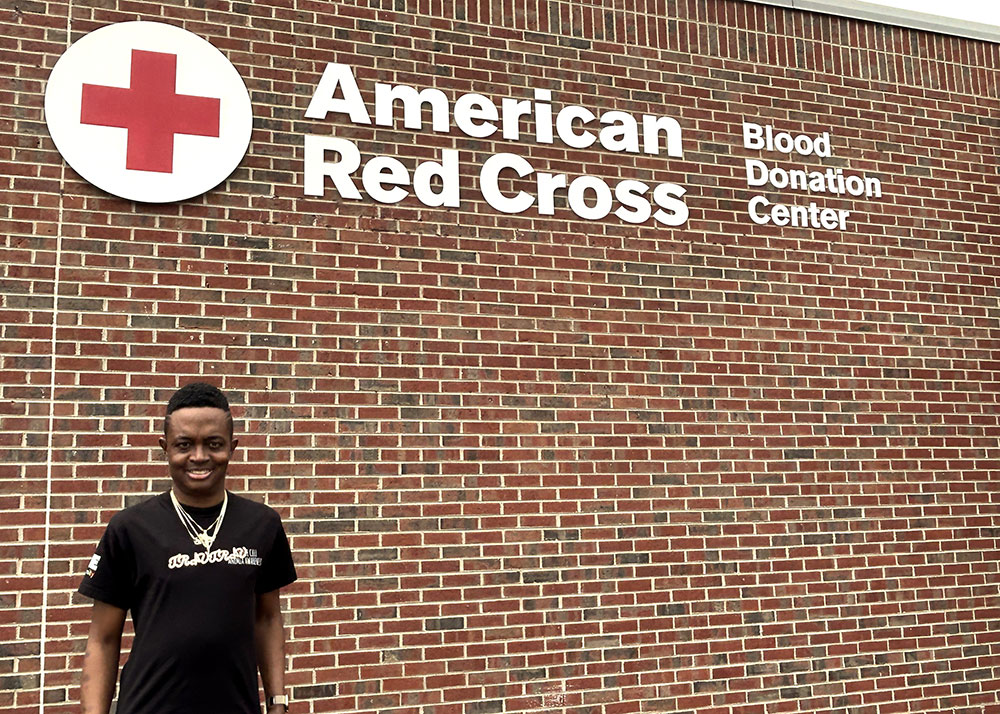
Travis Robinson carries himself with quiet confidence.
A big smile comes easy as Travis greets people, gold chains catching the light — a visible ease shaped by years of unseen challenges.
A Murfreesboro, North Carolina, native, Travis is a nurse, an advocate and someone deeply connected to the community. Travis describes one defining part of that journey in simple terms.
“I’m a sickle cell warrior of 39 years,” he said.
Life for Travis is grounded in routine, connection and purpose.
“I love music and I go to church a lot so that’s the main thing, listening to music, YouTube, that’s what I do outside of my advocacy work,” Travis said.
That sense of purpose shows up in how Travis treats others.
“Treating people with respect, treating people like I want to be treated, being consistent, giving back to the community, volunteering, being the best me that I can be,” Travis said.
Friends and family describe Travis as “bubbly, outgoing, very caring, loving, nurturing, giving.”
But that outlook has been shaped by challenges many people cannot see.
“It’s been tough, it’s been a struggle. I have my ups and downs like everybody do,” he said.
Sickle cell disease is the most common inherited blood disorder in the United States and can lead to episodes of severe pain and ongoing health challenges.
Over time, Travis has learned to slow down and listen to the body.
“It’s been better the last couple of years because I know how to try to do more self-care, get more me time, more rest,” he said.
One of the hardest parts is that sickle cell disease often is invisible.
“Most of the time you cannot tell someone has sickle cell,” he said.
And when pain isn’t visible, it isn’t always believed.
“Pain is pain, no matter the color of your skin or who the person is,” Travis said.
Strength, loss and purpose
Faith and family have anchored Travis through every challenge.
“Prayer. My strong faith belief, my family, my mom is my rock — that’s my support system,” he said.
That lived experience shapes how Travis serves others, both as a nurse and an advocate.
“I can see from both sides so I can advocate, and I’ve been there so I can speak from a warrior’s point of view,” Travis said.
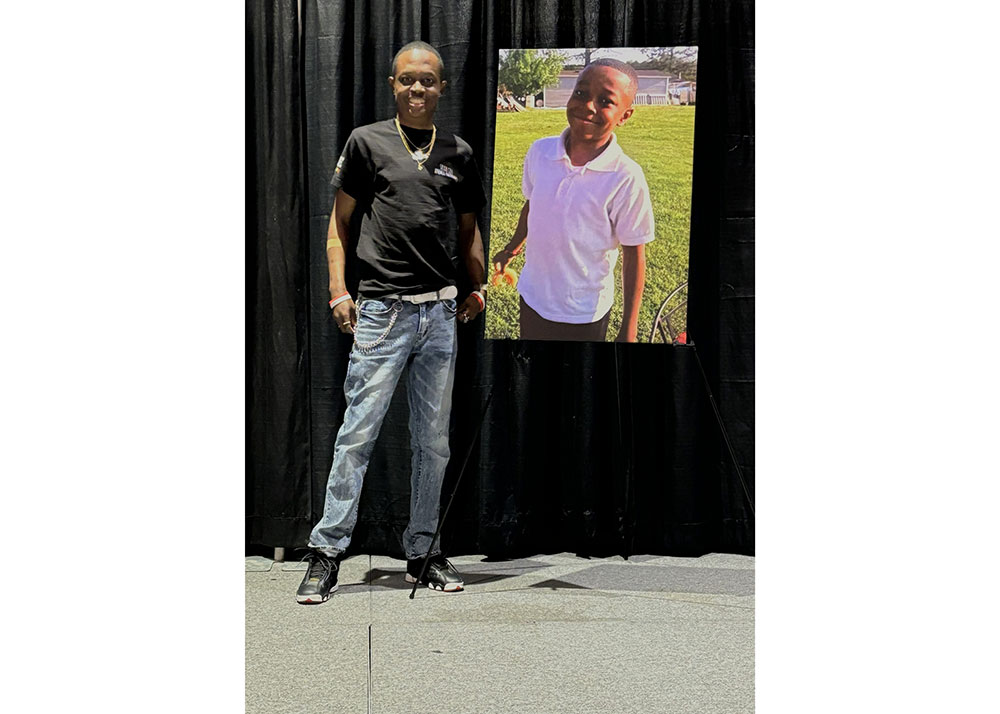
The work is deeply personal. Travis has lost loved ones to sickle cell disease, including a cousin and a younger brother, Ti’Rell.
“Ti’Rell, he was 14 when we lost him,” Travis said. “He didn’t complain, and he was very family oriented.”
Those losses continue to drive Travis forward.
“It gives me more drive to go,” he said. “I am the last one living with sickle cell disease, so I have to put on that warrior hat and just keep going forward.”
That sense of purpose extends into advocacy through the Robinson’s Sickle Cell Foundation, a foundation Travis started with his mother after the passing of his younger brother.
Now in its 10th year, the foundation continues to grow its impact through education, outreach and community support.
“Community-based organizations are needed because we work with our community more closely than big organizations do,” he said.
One of the foundation’s most visible efforts is its annual Expo for a Cause.
“It brings warriors, caregivers, hematologists, healthcare providers, nurses, social workers together under one roof, as a community, to learn about sickle cell disease,” he said.
Why blood donation matters
For people living with sickle cell disease, blood transfusions are not a one-time need — they are often part of ongoing care.
“Donate, donate, donate. It is very essential,” Travis said.
Unlike emergencies, the need for blood for sickle cell patients is ongoing, and finding compatible blood can be more complex.
“It’s harder to match our blood types, so it’s good to get the best blood you can get with the close match so you won’t have reactions,” Travis said.
Those matches can significantly improve quality of life.
“They help decrease the pain. They help increase the oxygen, bring your color back and energy,” he said.
A warrior’s life
For Travis, the word “warrior” reflects everyday reality.
“A warrior is like a soldier. You have to fight battles. You lose some, you win some, but you keep going and it makes you stronger,” he said.
That fight isn’t just physical.
“It takes a warrior to deal with pain, to deal with anxiety, to deal with depression, to deal with seeing other warriors pass,” he said.
That reality is what drives Travis to keep going and to make sure others don’t have to navigate it alone.
Take action this World Sickle Cell Day
Travis’ story is a reminder that living with sickle cell disease is not just about facing challenges — it’s about community, connection and action.
You can get involved this World Sickle Cell Day by making an appointment to donate blood at RedCrossBlood.org or by attending the 4th Annual Expo for a Cause Sickle Cell Disease on June 26, from 8:30 a.m. to 3:30 p.m. at the Greenville Convention Center in Greenville, North Carolina.
“You can live a perfectly happy life,” Travis said. “It might not be as normal as you want it to be, but you can live happily.”
To learn more about the Robinson’s Sickle Cell Foundation, visit robinsonssicklecellfoundation.com.
Support all the urgent humanitarian needs of the American Red Cross.
Find a drive and schedule a blood donation appointment today.
Your time and talent can make a real difference in people’s lives. Discover the role that's right for you and join us today!