Anticipating the Call to Deploy
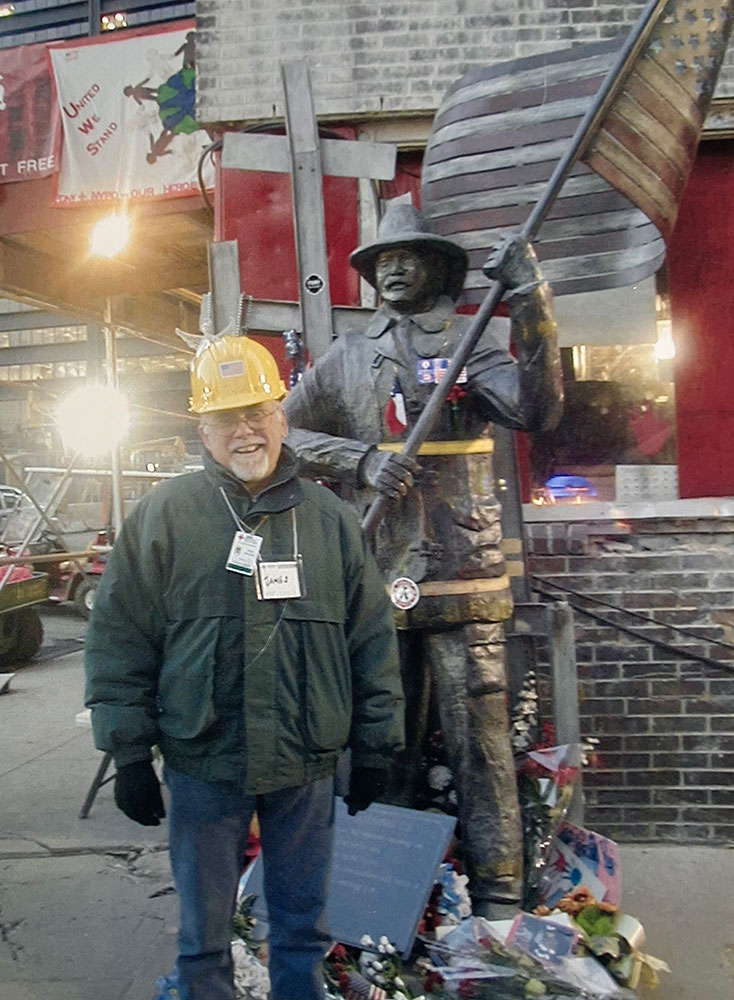
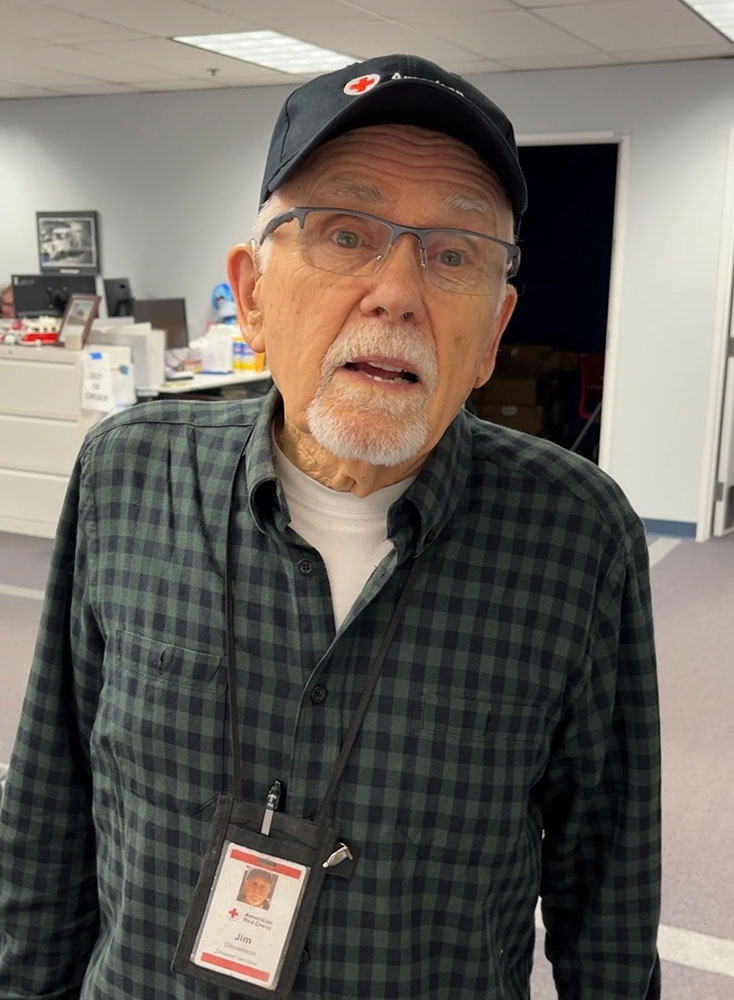
When Jim Stevenson walked to work on the morning of Sept. 11, 2001, he stopped for coffee and watched the world change on a small television in the shop. His reaction was immediate, rooted in a deep sense of purpose: “Red Cross is going to be there.”
He called his Red Cross colleagues and was told simply to stand by. For more than a month, Stevenson waited, carrying that quiet readiness while working his day job in Washington state. When the call finally came in late October, he packed a bag within 24 hours and boarded a plane to New York City.
Stepping Into the Stillness
He arrived at Ground Zero during a shift in the disaster’s timeline. The initial frantic search for survivors had ended. It was no longer a rescue operation; it was a recovery effort. Firefighters, police officers, and heavy-equipment operators were working around the clock amid mountain-high rubble, choking dust, smoke, and chemicals.
Stevenson was assigned to Respite 3, a Red Cross sanctuary set up inside a nearby Marriott hotel. The building itself bore the scars of the collapse, with half the windows blown out along its sides. Inside, the Red Cross had converted floors into places where responders could take a break, grab a hot meal, shower, or sleep in a room lined with reclining chairs.
Confronting the Dark and Grit
When asked if he would take the overnight shift—a role others hesitated to accept—Stevenson readily agreed. Having spent years working night shifts, he stepped into the stillness. Every night, high above the devastation in a large ballroom filled with supplies, Stevenson worked alone.
His official role was logistics, but his true purpose became human connection.
Throughout the long, dark hours, responders stepped off the pile and walked into the ballroom. Their uniforms were caked in cement and chemicals. Stevenson vividly recalls the first workers he saw: “They were absolutely black with grit.”
Creating a Safe Environment
He handed out sweatpants, sweatshirts, gloves, water, and blankets. But more than physical relief, Stevenson offered something rare in the middle of a national tragedy: a quiet, safe presence. Drawing on his background as a social worker dealing with trauma and grief, he intuitively understood how to meet people in their darkest moments.
“I’d always check the room, the temperature of the place,” Stevenson reflected. “I presented that face to the police persons and the law enforcement... I didn't try to, ‘What's going on? What'd you find?’ I never did any of that.”
Instead, he anchored them to normalcy. While searching for a fresh pair of socks or a dry sweatshirt, he’d invite them to sit down. He’d ask where they were from, what firehouse they belonged to, or what they liked to do on their days off. A firefighter might talk about a favorite fishing spot. For a few precious minutes, the devastation outside faded, replaced by simple, human conversation.
Carrying the Invisible Weight
The emotional toll on the workers was immense. Heavy-equipment operators, tasked with moving massive debris, wrestled with the haunting reality of what they might uncover. “There were several of these equipment people who really were falling apart, almost,” Stevenson remembered. “One fellow I know, he was the crane operator... He was just absolutely scared—shaking because he was afraid that he was going to do that [uncover bodies].”
Stevenson listened, held space, and offered gentle comfort, ensuring no one carried the burden entirely alone in the middle of the night.
Feeling the Heartbeat of a City
When his overnight shifts ended at 8:00 a.m., Stevenson often found sleep elusive. His mind remained with the workers he had met. Wandering the streets of New York, he experienced the profound gratitude of a united city. Restaurant owners refused his money, subway conductors waved him through, and strangers offered warmth simply because he wore a Red Cross emblem. “It was really touching to see the people respond to the crisis and how they treated me so well,” he said.
The Essential Soul of Red Cross
Stevenson went on to complete nearly 40 disaster deployments over his lifetime, responding to historic hurricanes and national crises. Yet, a quarter-century later, 9/11 stands apart.
“I've done close to 40 [deployments],” Stevenson said. “That one probably left me with the most emotional impact than anything I’ve ever done like that. I do reflect on it periodically...”
Technology and response protocols have changed dramatically over the last 25 years. Modern deployments rely on real-time data, instant mobile communication, and streamlined systems. But the essential soul of the American Red Cross remains identical to what Jim Stevenson provided in a dimly lit ballroom in late 2001: the willingness to show up, hand someone a dry pair of clothes, ask where they are from, and listen.
How to Support the Quiet Heroes of Disaster Relief
The quiet sanctuaries, hot meals, and life-saving relief provided during disasters like 9/11 are only possible because of community support. Help us stay ready for the next crisis. Donate to Red Cross Disaster Relief to power the volunteers who show up when help is needed most.
Support all the urgent humanitarian needs of the American Red Cross.
Find a drive and schedule a blood donation appointment today.
Your time and talent can make a real difference in people’s lives. Discover the role that's right for you and join us today!