On the morning of Sept. 11, 2001, Ginny Barnett's job was to get a Red Cross shelter ready for passengers from two small planes.
Every aircraft in American airspace had been ordered to land, and two of them were headed for Arnold Palmer Regional Airport near her home in Latrobe, Pennsylvania. Barnett, a Red Cross disaster volunteer, spent the morning gathering supplies and putting her chapter on alert to care for the passengers and crew.
Then Flight 93 went down about an hour away, near Shanksville. Latrobe fell inside restricted airspace, so the two flights were sent elsewhere.
The Red Cross shelter was no longer needed, and the volunteers turned their attention to Shanksville.
"It was a whole different mindset," Barnett said. "It was a big shift."
The next morning, Barnett and her fellow volunteers packed up food and supplies into a van and drove north.
What she saw on Sept. 12
Barnett reported to a command post on a hill outside Shanksville, where a Red Cross emergency response vehicle was already parked and feeding workers. Behind it was the crash site.
"That was the first time I saw it, the crater," Barnett said. "I remember this crater with the smoke rising, and all of the trees burned behind it, all of the scarred trees still smoldering. I think it's harder when you know what it is."
Barnett broke down and wept, and then she made a decision she would keep for years.
"I couldn't think about anything personal about the folks that were aboard the plane," she said. "I just tried to keep all emotions at arm's length. I likened it to moving into robot mode because I knew I wouldn't be able to get the work done."
Barnett had served on 12 national disaster assignments by then, and every one of them was a natural disaster. This one was a crime scene.
"The Flight 93 response was never a rescue, it was only recovery," Barnett said. "Those two things impacted our work so greatly, and our morale as well."
She volunteered in Shanksville for a little over two weeks, assisting with everything from feeding recovery workers, recruiting volunteers and planning the first memorial service for Flight 93 passengers and crew.
Planning the memorial
The team who planned the memorial worked with the Flight 93 families to learn how they wished to honor their loved ones.
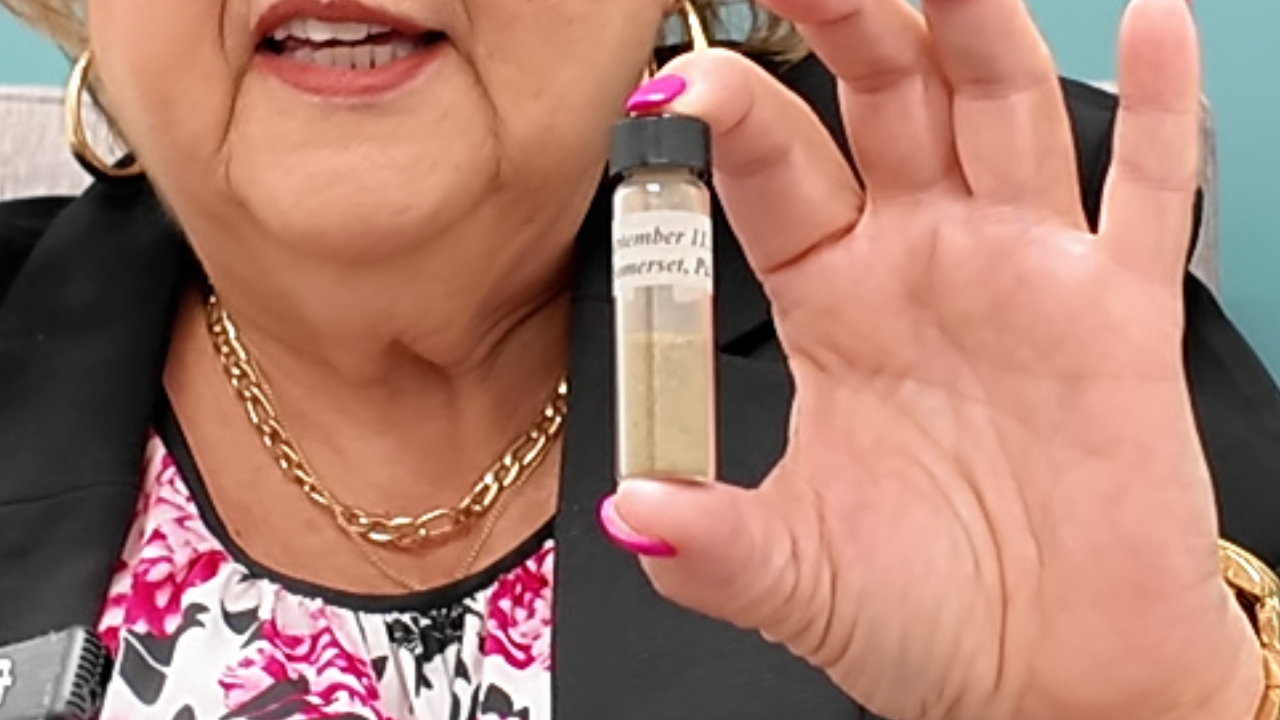
Part of the work was preparing what the families would carry home. Barnett and other volunteers filled small glass vials with soil taken from the sacred ground near the crash site, which was sifted thoroughly. Each vial went into a white box tied with white ribbon.
"You really had to be prepared to be a part of that process because you knew this soil was from right there," Barnett said.
The team handed out the vials at the end of the service. They made enough so families could take extras home to relatives and friends who were unable to travel.
"When there's little or nothing of a family member to take home with you, it helps to have something tangible," Barnett said.
Goodness in action
After an aviation disaster, the Red Cross usually shares the route and schedule of the buses carrying families so the community can line the road and pay its respects. The security risk around Flight 93 made that impossible, but locals found another way, Barnett said.
She remembers small memorials that appeared along the roads near the crash site. Tour buses were rare in that part of Pennsylvania and they made a lot of noise, so residents learned the sound. When they heard one coming, they stepped outside and stood in silence, some waving a flag slowly, some just raising a hand, Barnett recalled.
Barnett rode one of those buses and remembers a young girl standing alone by a flag at half staff, surrounded by signs and small tributes.
"I'll never forget the look on her face," Barnett said. "Such profound sadness in her eyes. It was really a reflection of what we all felt inside."
Whatever the workers needed
A week after Shanksville, the American Red Cross requested Barnett to go to New York City to document the creative solutions the organization was using to meet the immense needs surrounding the tragedy.
One of those solutions was respite centers. The recovery work at Ground Zero ran around the clock, so the support had to as well. The Red Cross opened respite centers just outside the site, for response workers only, and stocked them with anything that might help someone get through another shift.
Workers came in for meals, to shower, take a nap or sleep through the night. First aid and counseling were available. Chiropractors and massage therapists donated their services. There were oasis rooms with recliners and televisions, phone banks stocked with calling cards, writing desks, stationery and stamps.
"You name it, anything to help," Barnett said.
The Red Cross fielded the calls from people across the country who wanted to send something, and volunteers decided where it all went.
Cards, banners, letters and stuffed animals arrived from every state, hoping to offer recovery workers encouragement. Barnett remembers how volunteers placed a stuffed animal and a handwritten note on cots and posted cards and banners everywhere they could, so workers could see who was thinking of them.
"Everywhere we went, people wanted to help," Barnett said. "They just wanted to do something, anything. We provided the hands and feet."
A continuing legacy
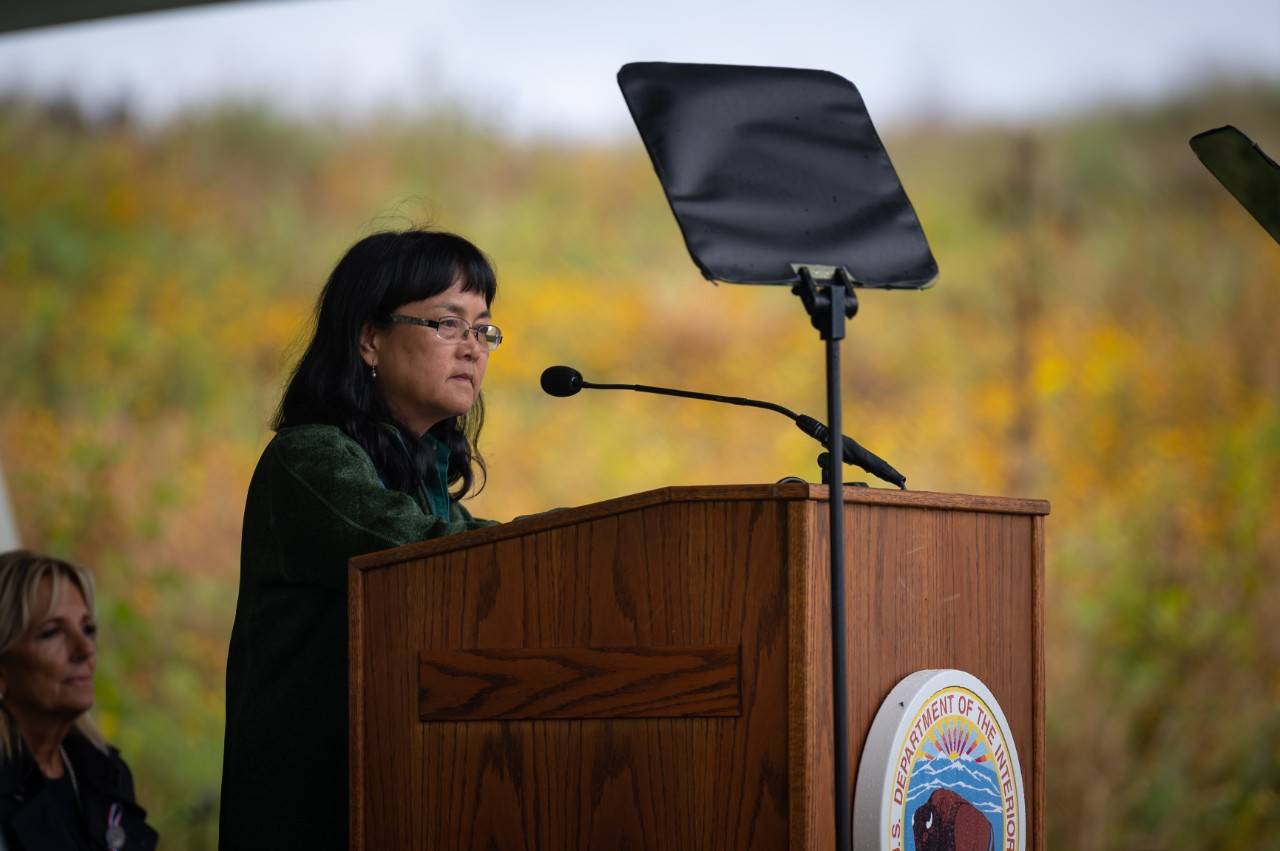
Today, Barnett serves as a volunteer ambassador at the Flight 93 National Memorial in Shanksville. She feels honored to tell the story of the 40 passengers and crew who voted to storm the cockpit and bring the plane down over open ground.
"They were the very first to put goodness into action," Barnett said.
The Red Cross still responds when the worst happens, and volunteers make the work possible. Get started today at redcross.org/volunteer.
Support all the urgent humanitarian needs of the American Red Cross.
Find a drive and schedule a blood donation appointment today.
Your time and talent can make a real difference in people’s lives. Discover the role that's right for you and join us today!