By Rebecca Robinson
Emergencies are more common than you may think and can happen at any time. When disaster strikes, it doesn’t just affect people – pets face the same risks and rely on their owners for safety and care. The American Red Cross recognizes that household pets are cherished family members, and helping families prepare for emergencies includes planning for pets too.
According to the Pew Research Center, 62% of Americans own a pet, and nearly all of them see pets as part of their family. Supporting people displaced by disasters and their pets is an important part of the Red Cross mission.
In an emergency, your pets will be even more dependent on you for their shelter and well-being. If it’s not safe for you to stay in your home during an emergency, it’s not safe for them either.
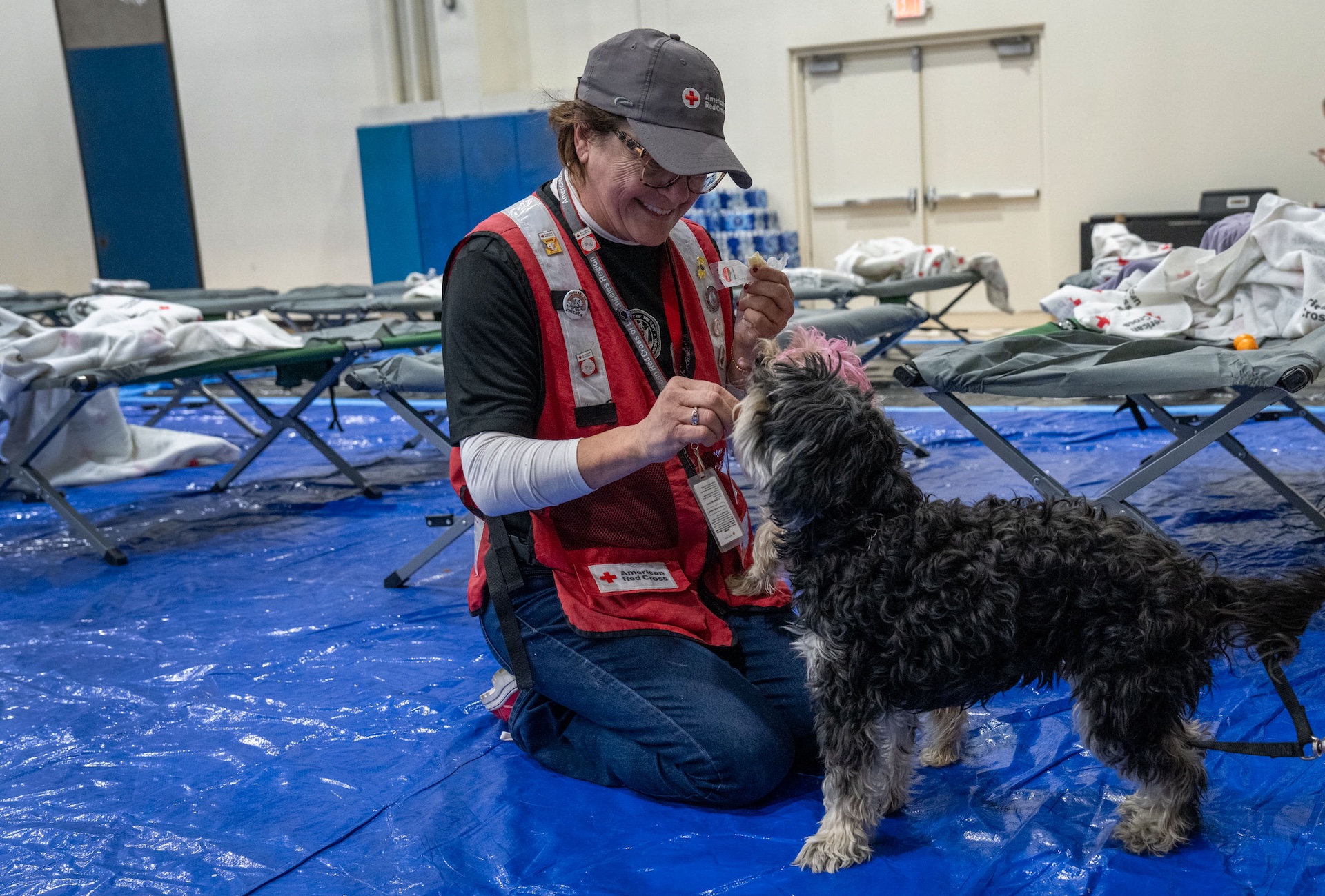
Anyone who has been affected by a disaster is welcome to come to a Red Cross shelter for help, including pet parents. Red Cross volunteers will do all they can to accommodate pets comfortably in a shelter. However, depending on the situation, pets may be housed in a separate location supported by animal welfare groups. Ideally, a co-located emergency shelter model is followed. In this case, pet parents are close by to visit and care for their furry family members.
The Red Cross is actively and continuously working on pet preparedness by identifying and partnering with local pet organizations, identifying and acquiring necessary supplies, and training volunteers for sheltering pets. The Red Cross also has pet liaison volunteers who are deployed nationally to large-scale disaster relief operations—just to help household pets.
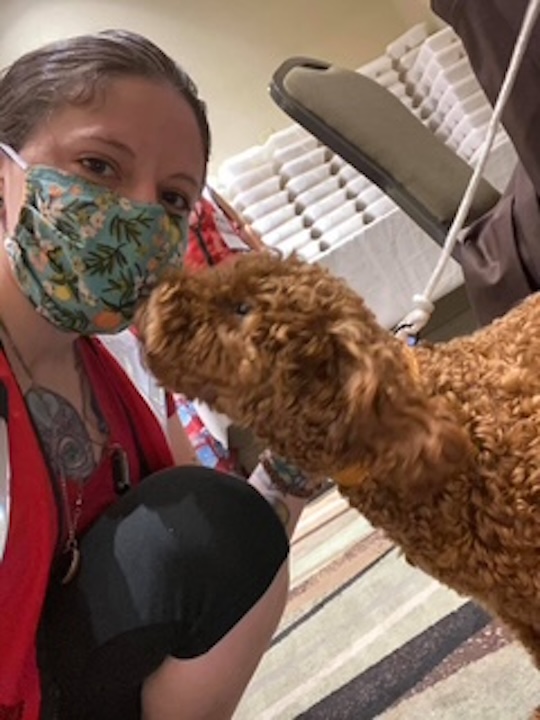
Rebecca Robinson serves as the lead Pet Liaison volunteer for the Greater Pennsylvania Region.
As a pet owner, it is important to plan for the unexpected. We encourage everyone to create an emergency plan that includes knowing pet-friendly hotels along your evacuation route. Prepare a portable emergency preparedness kit that includes leashes, food, water, toys, medical records and animal carriers for your pets. Consider preparing a list with important phone numbers, including your veterinarian, boarding facility, and family and friends who could help. Make sure your pets are wearing secure collars with up-to-date identification. It is also recommended to have photos of your pet on hand or in your phone, in case you become separated.
The ASPCA recommends displaying rescue alert stickers on your home’s windows to let emergency responders know that pets are inside your home. If you must evacuate with your pets (and if time allows), write “Evacuated” across the stickers so rescue workers don’t waste time looking for them.
As part of your family preparedness plan, download the free Red Cross Pet First Aid app for resources developed by experts on how to maintain your dog or cat’s health and what to do during emergencies.
Support all the urgent humanitarian needs of the American Red Cross.
Find a drive and schedule a blood donation appointment today.
Your time and talent can make a real difference in people’s lives. Discover the role that's right for you and join us today!