By: Anna Maxwell, Red Cross Youth Volunteer
I’m not a big fan of California summers. After all, it was the 29th of September and it was still annoyingly hot outside.
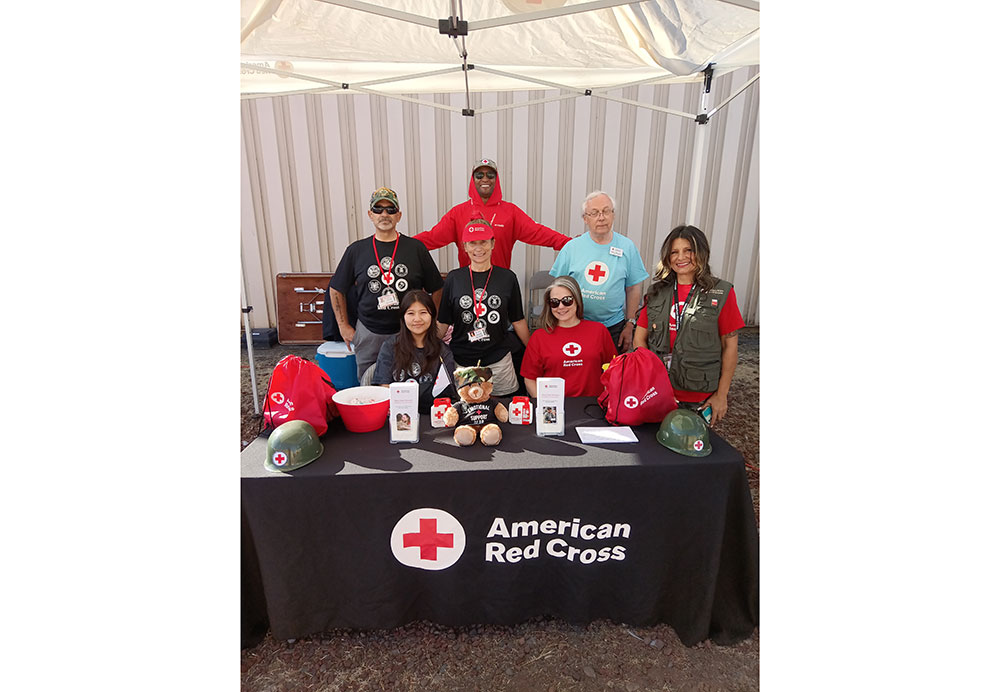
It was my first year being an American Red Cross youth volunteer and my first time volunteering at the 2024 Sacramento Stand Down, a community event for homeless veterans. This was not an event designed for youth volunteers to be present, in fact, I was advised not to attend. However, since my own dad is a veteran, I felt compelled to go. So I somehow convinced my mom to drive me to Mather, CA and found a way to get myself registered.
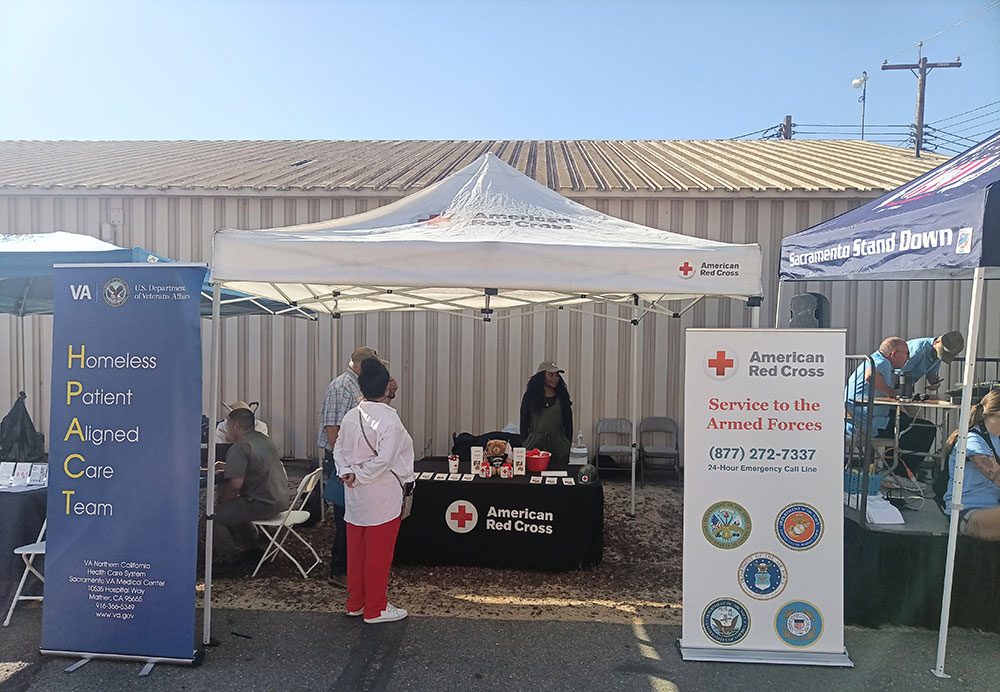
The entire event was made up of multiple community vendors providing an array of free different services for veterans. I had never seen so many people brought together for a cause related to veterans. My own dad was a totally and permanently disabled veteran—yet this was the first event for veterans I had ever witnessed. And I was a part of it as an American Red Cross youth volunteer.
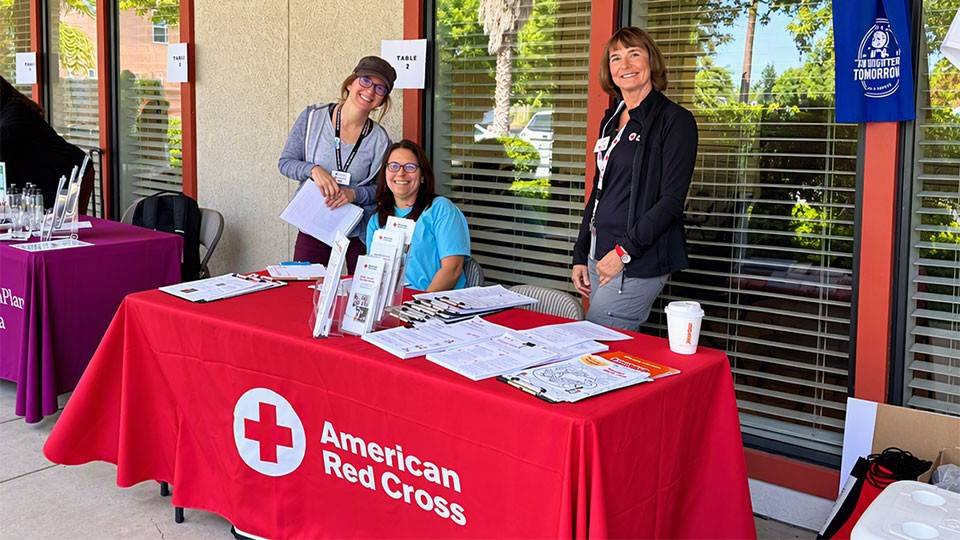
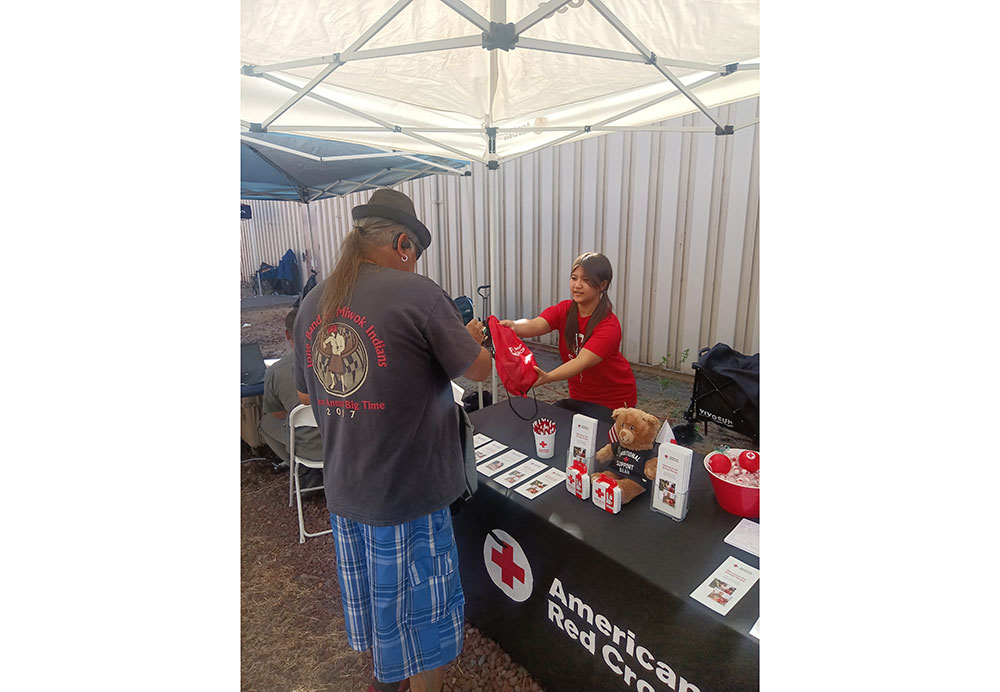
The American Red Cross tent was stationed between where they played music and a tent called the ‘Homeless Patient Aligned Care Team’ (HPACT) that provided guidance for veterans in need of medical care. When I wasn’t handing out bags pre-packed by the American Red Cross or talking with my fellow volunteers, I was watching the HPACT tent. Many veterans spoke to them but one in particular stood out to me.
Talking to the man running the HPACT tent was a tall, pale man with white hair and icy blue eyes. I recognized him because he visited the American Red Cross tent earlier before. I tried handing him a bag, but he couldn’t take it. His hands trembled uncontrollably. He apologized repeatedly, voice barely above a whisper, and his eyes had a faraway look in them. I just stood there, heart palpitating while I remembered why I was advised not to come as a youth volunteer—some of the veterans struggled with issues that I may not be able to handle.
One of my fellow Red Cross volunteers had to take the bag for him and string it onto his shoulder. She handled it perfectly, I was relieved to watch him go. The way he walked was slightly off-balance.
When he visited the HPACT tent to our right, my eyes naturally felt upon him. Rather, I couldn’t look away from his trembling hands. The HPACT man asked him a few questions, the veteran answered with a slight stutter. I couldn’t hear their entire conversation except for one particular name. Parkinson’s disease.
I didn’t know the name of the veteran with trembling hands, but I recognized the name of his condition. Parkinson’s disease is a neurodegenerative disease that is known to get worse over time. There is no cure.
In that moment, I finally saw that veteran for more than his trembling hands. The look in his eyes made sense now, the way he couldn’t even grip the featherlight bag I tried to give him. Worst of all, I saw myself for the naive person that I was. There’s no cure for the nerve damage my dad has from his military service either, so how could I see my dad as a person and not the veteran with trembling hands? I knew then that it was because I was only ever focused on my small bubble of life, even when volunteering for a cause greater than myself.
Being a part of the American Red Cross doesn’t just mean community service hours, it means actual community. It means that regardless of how much a person trembles, how much grime there is on their clothes, no matter if their house just burned down or if they’ve been living on the streets for years: they are human.
It’s been nearly two years since that day. Since then I have changed the way I volunteer for the American Red Cross. I encourage my peers to support our community, which I started by banding my friends together to create the ‘WMCHS Red Cross Club’ at my school, the first community service based club in our school’s history. The following year, I became the Disaster Preparedness Coordinator on my region’s Youth Executive Board as well as the Youth Ambassador for the California Gold Country region. Being granted the opportunity to serve in these leadership positions and the support from my American Red Cross region led me to creating a campaign toolkit that encouraged youth volunteers from my region to spread awareness about disaster preparedness for people with neurological disorders like Parkinson’s disease, among other disabilities and conditions with special needs.
I don’t know if I’ll ever meet the veteran with trembling hands again, but I hope that if I do, I can shake his hands with respect. What I do know is that I’m going to spend the rest of my life volunteering with the Red Cross, using my hands to build a better future for all the people in the world who can’t use their own.
Support all the urgent humanitarian needs of the American Red Cross.
Find a drive and schedule a blood donation appointment today.
Your time and talent can make a real difference in people’s lives. Discover the role that's right for you and join us today!