By Communications Manager Mara Thompson
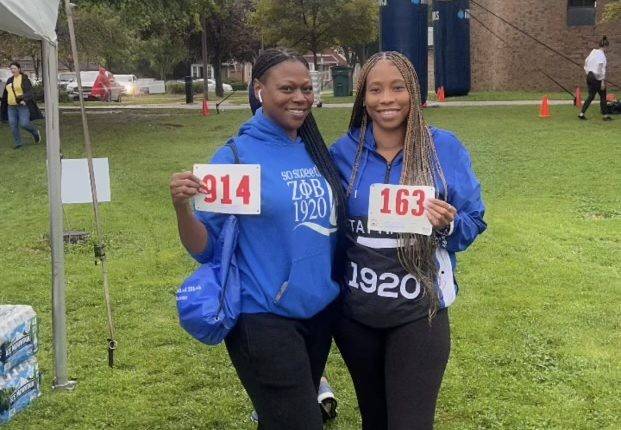
When Brandis Clayton Virgial and Halema Townsend first met through Zeta Phi Beta Sorority in 2023, they discovered a shared passion for service. But during a private conversation, they uncovered another connection that had quietly shaped both of their lives. They both were living with sickle cell disease.
“Halema came to me in confidence and told me that she also had sickle cell,” Brandis recalled. “I was just like, ‘Oh my goodness.’ We kind of bonded from there.”
Sickle cell disease is a common, inherited red blood disorder. Throughout their lives, people with sickle cell can suffer a range of conditions, including acute anemia, tissue and organ damage, terrible pain and even strokes.
“Brandis wears it like a badge of honor, and I didn’t,” Halema said. “It wasn’t until I really saw her level of courage that I started disclosing it more.”
Their bond quickly grew into a friendship rooted not only in sisterhood but in shared experiences that few others could understand.
“We don’t look like what we’ve been through,” Brandis said. “We’ve had a rough journey, but thankfully if you looked at us, you would never know.”
Brandis’ Journey
For Brandis, that journey began at just 2-years-old.
“I was actually diagnosed with sickle cell at the age of two,” she said. “I was born before they were testing every kid for sickle cell. It was extremely rough growing up, with blood transfusions, medicine and hospital stays.”
Living with sickle cell disease meant constant uncertainty and restrictions that separated her from the carefree childhood she watched her friends and sisters enjoy.
“I’ve had my ups and downs with it,” she said. “Growing up, honestly, more downs than ups because there were so many restrictions on my life. I couldn’t do the things that all of my friends or my sisters did.”
But over time, she learned how to navigate life with the disease. Now a first-grade teacher in Chicago, she has students with sickle cell who look to her for advice. She hopes her own story can encourage the next generation.
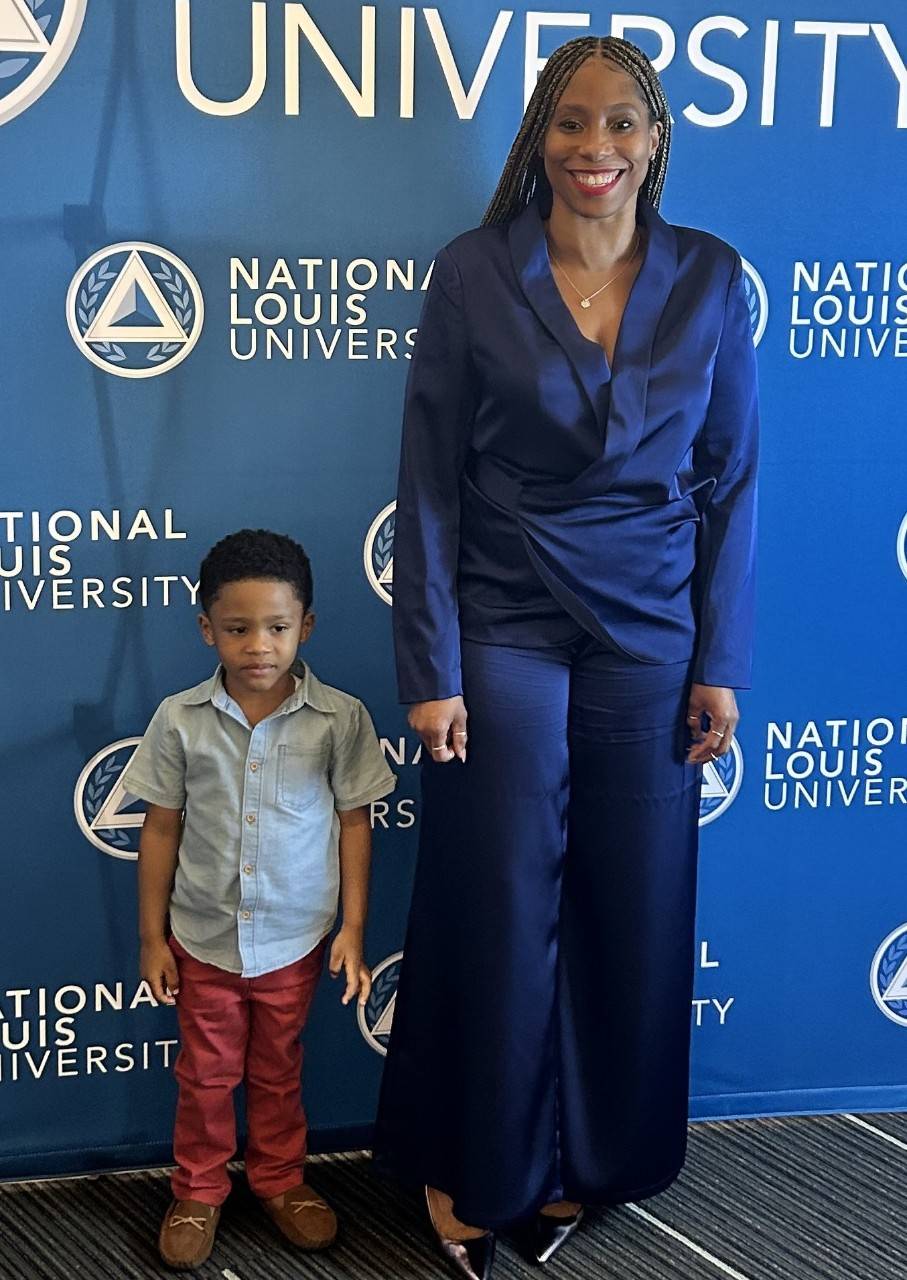
“It hurts me when people say, ‘What is sickle cell?’ especially Black and Brown people,” she said. “That’s why awareness is so important to me. I’m trying to be more of an advocate and be that light for people with sickle cell. I want them to see that we can do this.”
Part of that advocacy is for blood donation, as transfusions have played a critical role throughout Brandis’ life.
“I remember being in the ICU and my oxygen was getting really, really low,” she recalled. “They finally said, ‘We need to do a blood transfusion.’ I remember feeling like a new person afterward. My mom joked and said, ‘You must have gotten somebody’s blood who gave you energy.’ But I really did feel different.”
Halema’s Journey
Unlike Brandis, Halema spent years hiding her diagnosis.
“I didn’t want people to judge me,” Halema said. “I didn’t want people to say, ‘Oh, you’re going to get sick,’ or ‘You’re doing too much.’ I didn’t want my potential to be limited because of my diagnosis.”
Watching Brandis embrace her story inspired Halema to share hers.
“I feel better within myself now that I’m open about it,” she said. “It’s no longer my biggest secret.”
While Halema didn’t get diagnosed with sickle cell until she was a teenager, its impact on the course of her life has been just as significant.
“I was hospitalized as a sophomore in high school,” Halema recalled. “I was in so much pain. I had ulcers in my mouth, I was dehydrated, and it felt like my body was shutting down.”
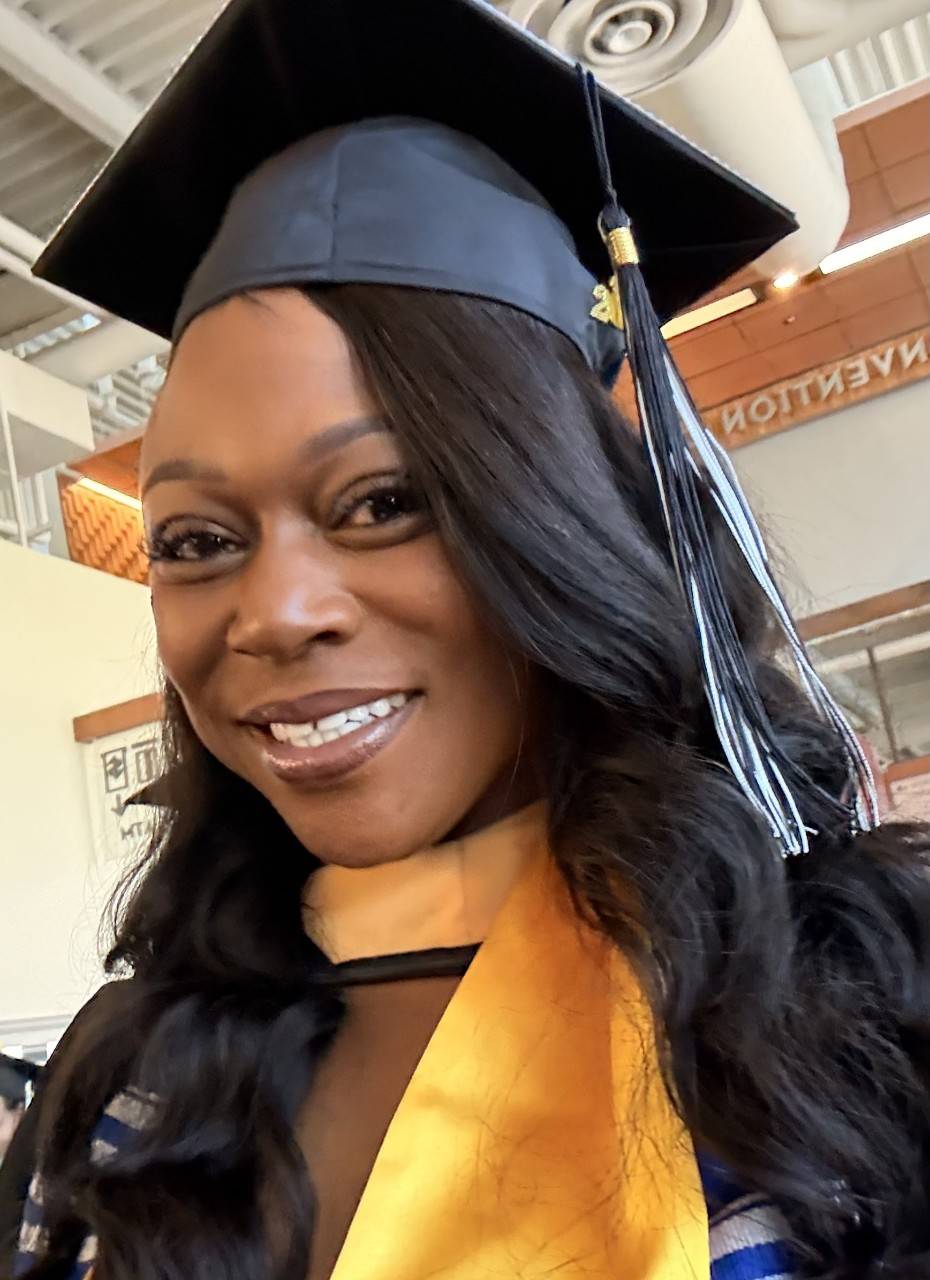
After missing an entire semester of school and realizing how little information existed about the disease, she dedicated her education to helping others, first earning a degree in public health.
“Nobody ever educated me and I wanted to be that health educator,” she said. “Then I went back and got a degree in psychology because I wanted to understand the stigmas people face when they’re diagnosed with an illness or disability. Most recently, I earned my master’s in social work because I wanted to be a voice for people.”
Her motivation is also deeply personal, as her 80-year-old father is also a sickle cell warrior and credits regular blood transfusions for his longevity.
“He’s living proof,” Halema said. “People put a stamp on your life when you’re diagnosed with sickle cell. They tell you what your future is going to look like. But my father is still here, and that’s because of the care and treatment he has received.”
While sickle cell disease will always be a part of Halema, she wants people to know she’s more than her diagnosis.
“I’m Halema before I’m anything,” she said. “I’m Halema before I’m diagnosed with sickle cell. I’m Halema before I’m a mom. I’m a person first. Give me that dignity. Have that humanity. Never define anyone by their disability before you acknowledge that they’re a person.”
Today, the two women advocate side by side through sickle cell walks, sharing their personal testimonies and focusing most of their Zeta Phi Beta sorority service work around sickle cell awareness. They believe progress has been made but know more work remains.
For patients with sickle cell disease who often require repeated transfusions, finding compatible blood is especially important.
“It could be somebody that you love who needs this blood,” Brandis said. “Just like a child needs to see a teacher that looks like them or a president that looks like them, we need blood that looks like us too.”
Halema hopes people who aren’t personally affected by sickle cell will recognize how close to home it truly is.
“Even if sickle cell doesn’t affect someone in your family, I guarantee it affects someone in your circle,” she said. “It affects a friend, a relative, someone you know. Can you imagine that person not being around because blood wasn’t available? We shouldn’t have to imagine that.”
Together, Brandis and Halema are encouraging people to learn more about sickle cell disease, raise awareness in their communities, and consider donating blood because every donation can help save lives.
To learn more about sickle cell, and to sign up to donate blood, click here.
Support all the urgent humanitarian needs of the American Red Cross.
Find a drive and schedule a blood donation appointment today.
Your time and talent can make a real difference in people’s lives. Discover the role that's right for you and join us today!