By Winston Henvey, American Red Cross
Every day, blood and platelet donors walk through the doors of American Red Cross blood drives and donation centers with a shared goal: helping patients they will likely never meet.
Every blood donation begins with a simple act: someone decides to help a stranger.
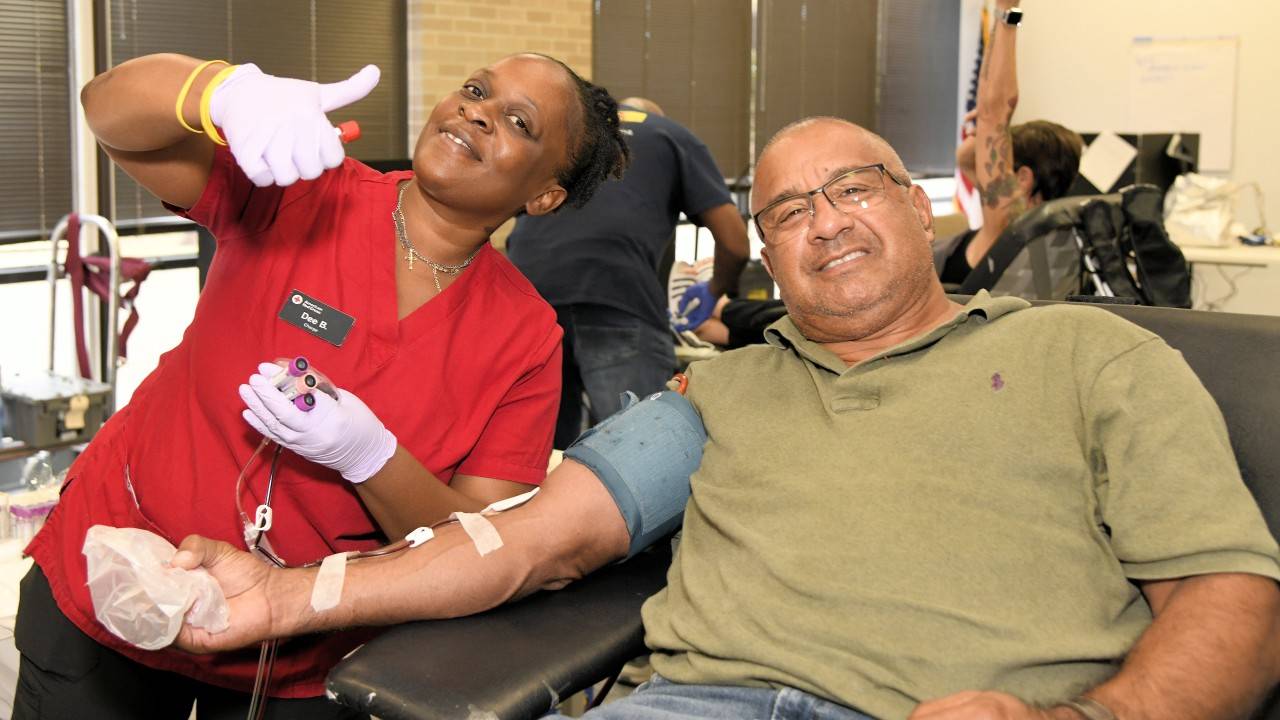
At American Red Cross blood drives and donation centers, phlebotomists are there every step of the way, collecting lifesaving donations and helping ensure a positive experience for every donor.
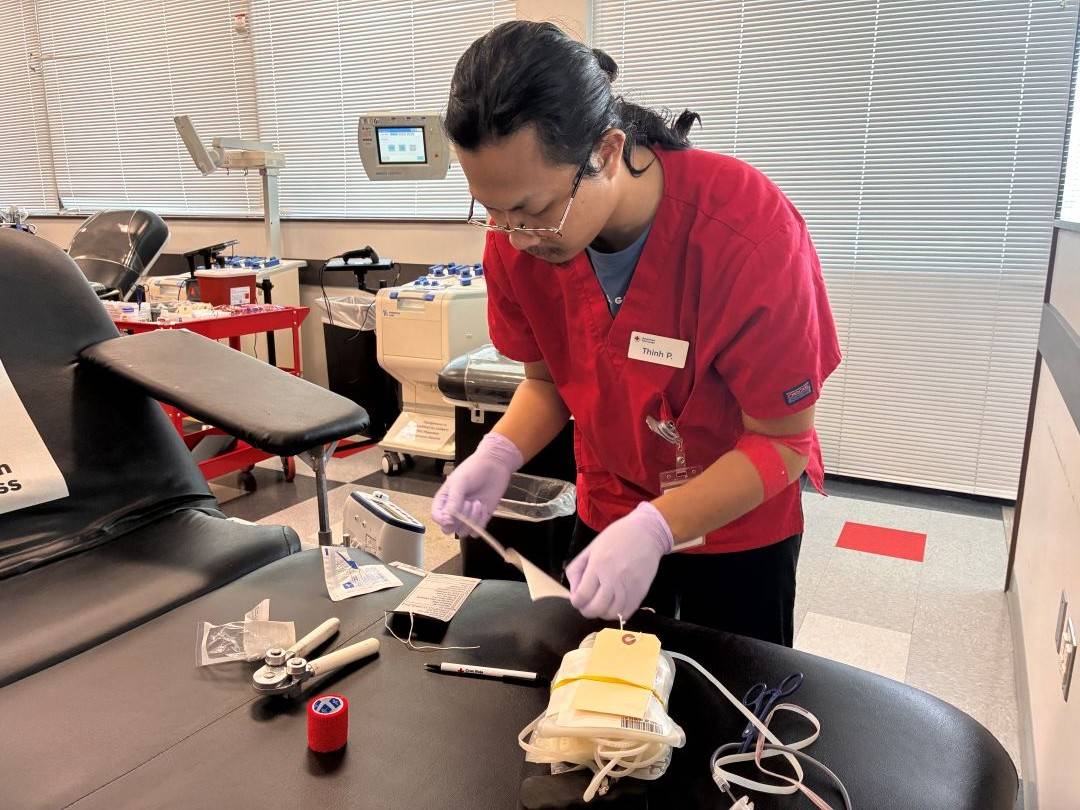
For Red Cross phlebotomist Thinh Pham, the importance of a blood donation comes down to a simple fact.
"Blood is something that we haven't quite figured out how to reproduce in a lab," Pham said. "It needs to come from another human, and there's a constant need for it."
Pham joined the Red Cross less than a year ago after seeking a career where he could make a more direct impact.
"I wanted to switch to a career where I could make a more tangible impact," he said. "The most rewarding aspect is meeting new people every day who are eagerly wanting to help out and donate."
That connection between donors and the mission is something Pham witnesses regularly. Many donors share personal stories about loved ones who received blood transfusions during medical treatment or emergencies.
"I've heard from people who have lost family members to cancer," he said. "A very important part of cancer treatment is platelet infusions. A lot of people donate because they knew someone who went through that situation."
For platelet donor Mary Brockman, donating is a practical way to help others facing serious illnesses.
“There are a lot of things I can't do in this world to help ease suffering, but I can do this,” Brockman said.
She began donating platelets in 2023 and says the need for blood products motivates her to continue.
By giving platelets regularly, donors can help patients fight cancer and recover from other life-threatening illnesses and injuries.
“I know blood is needed. I know it's not something we can bioengineer,” Brockman said. “When cancer patients really need platelets, they really need them.”
Fellow Red Cross phlebotomist Mads Hopley also sees firsthand the impact donors have on patients and communities. Hopley emphasizes that maintaining a diverse blood supply is critical because different patients have different transfusion needs.
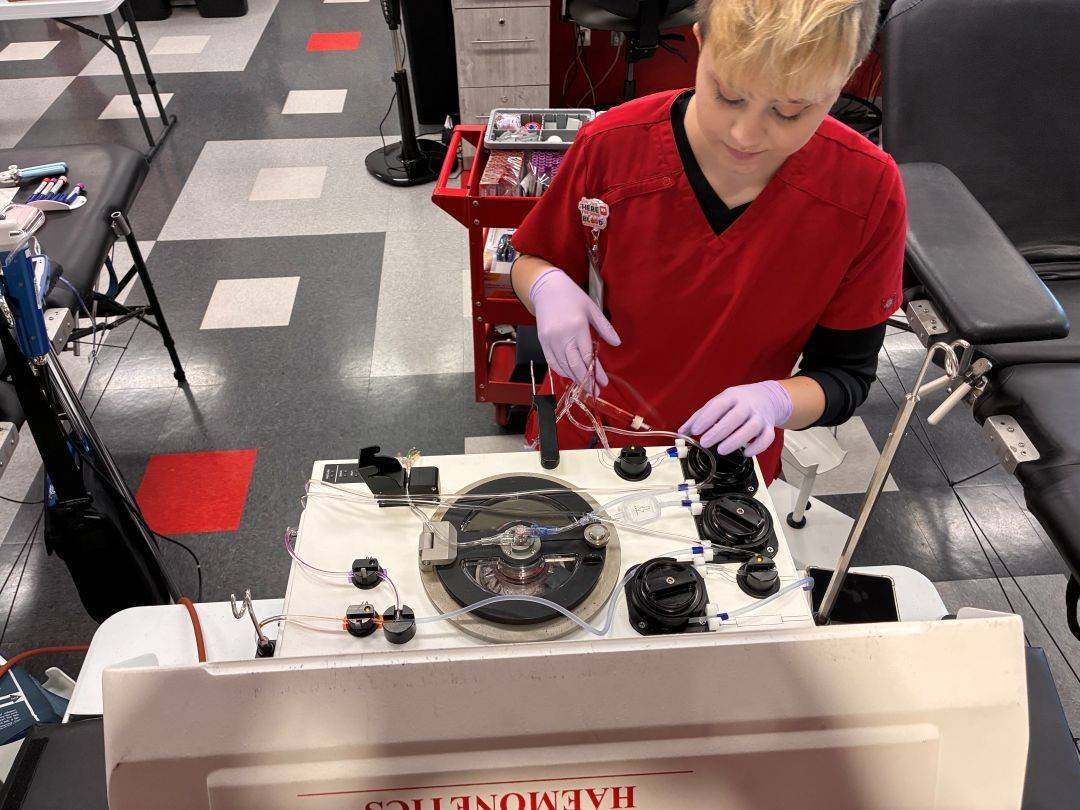
"It's really good to have a good variety of blood in the blood supply," Hopley said. "We want O negative blood for emergencies when we can't type people immediately, but we also need blood that closely matches someone's antigen profile for chronic conditions that require regular transfusions."
Working in a donation setting is especially meaningful for Hopley because donors arrive motivated to help others.
"People come here very happy to give blood," Hopley said. "Even if they're nervous, they come here knowing they're going to make an impact."
Helping first-time donors overcome that nervousness is one of Hopley's favorite parts of the job.
"We'll assess your vein and make sure the person who can do the best job will do it," Hopley said. "It's not painful. It happens really quickly. Once you try it, you'll realize it's not scary."
The commitment donors bring continues to inspire the teams who collect their donations.
For the phlebotomists who collect those donations, the impact is visible every day — in the donors who return again and again, the first-time donors who overcome their nerves and the people who walk through the doors because someone they love once needed blood.
For Pham, every donation represents the potential to change someone's future.
“It only takes a little bit of your time, and it makes a lifetime worth of difference,” he said. “A whole blood donation can help save more than one life."
Support all the urgent humanitarian needs of the American Red Cross.
Find a drive and schedule a blood donation appointment today.
Your time and talent can make a real difference in people’s lives. Discover the role that's right for you and join us today!