Julia Sizemore/American Red Cross
By Subarna Gosh/American Red Cross
When Victor Hugo Castro arrived at the scene of a house fire on Aug. 1, he did not know how the day would unfold.
The fire department was finishing its work, and the area was still engulfed in dark smoke.
A woman sat outside; she had just lost her husband in the fire. Castro knew that seeing her husband would make the reality of the loss even more painful.
He could have walked away when his shift ended. Castro instead called his supervisor and remained by the woman’s side past his shift, offering a quiet presence when few words could ease her grief.
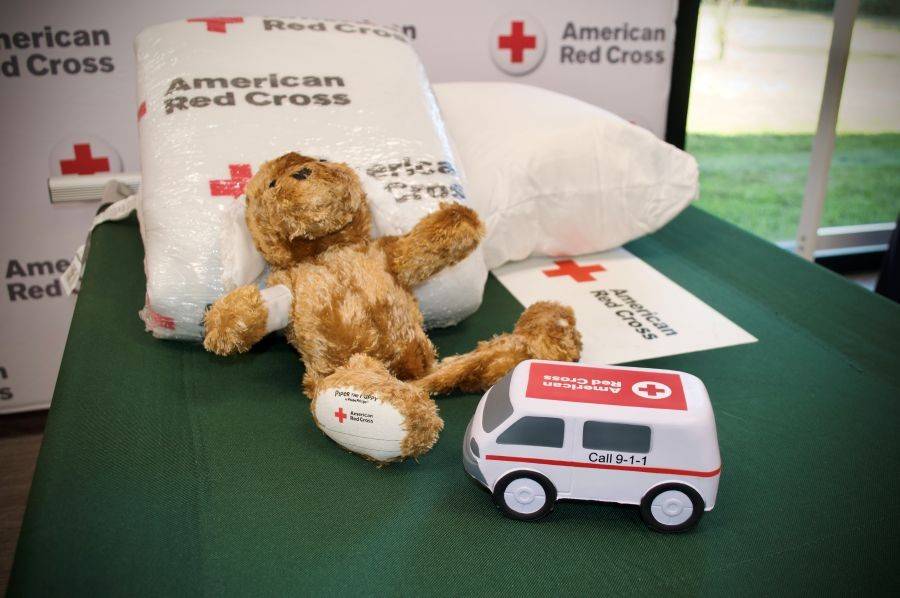
As Castro prepared to leave, he noticed a teddy bear nearby. He picked it up and brought it to the woman.
For Castro, that moment captured something deeply human about the Red Cross response: helping someone through a crisis means letting them know someone is there for them.
“Sometimes they won't remember what you said, but they will remember how you made them feel,” he said.
For Castro, volunteering with the American Red Cross is a way of giving back to people during the most difficult moments of their lives. And his connection began long before he became a volunteer.
At six years old, Castro experienced a house fire. He recalls sitting outside with his mother when two Red Cross volunteers approached his mother. Back then, Castro did not fully understand who the volunteers were or what they were doing.
Decades later, he reflected on the impact on his family’s well-being and said to himself, “Maybe it’s my time to give back.”
After retiring and raising his family, Castro found himself with more time to give back to his community. He has the time and desire to do something meaningful. That’s how his journey as a Red Cross volunteer began.
“It's our desire to be needed,” Castro said. “I want to help out.”
Castro has been on-site at many fire-related incidents since 2026. He says every fire response is different.
Castro may arrive while firefighters are still working at the scene. Or he may meet families at a fire station, a hotel or another safe location.
Sometimes the damage is extensive. At other times, the family may need little assistance.
No matter the circumstances, Castro makes sure people know they are not alone and supports them when they need it most.
“The important thing is we were there,” he said.
At the scene, Castro begins a shift by locating the people affected and assessing the damage. He communicates with firefighters and law enforcement, and coordinates assistance for the families. He describes his role as being the “eyes and ears” of the Red Cross.
Castro observes what is happening, listens to people and responds to them. Sometimes that means he recognizes a non-obvious need.
For Castro, these moments illustrate the importance of paying attention.
“You listen. You observe. You do what's needed,” he said.
For Castro, the journey has come full circle. Whenever he is on call, he prioritizes finding people who need help. Sometimes the need is physical, like food or shelter. Sometimes the need is emotional. And sometimes it simply means staying a little longer to offer a teddy bear.
Support all the urgent humanitarian needs of the American Red Cross.
Find a drive and schedule a blood donation appointment today.
Your time and talent can make a real difference in people’s lives. Discover the role that's right for you and join us today!