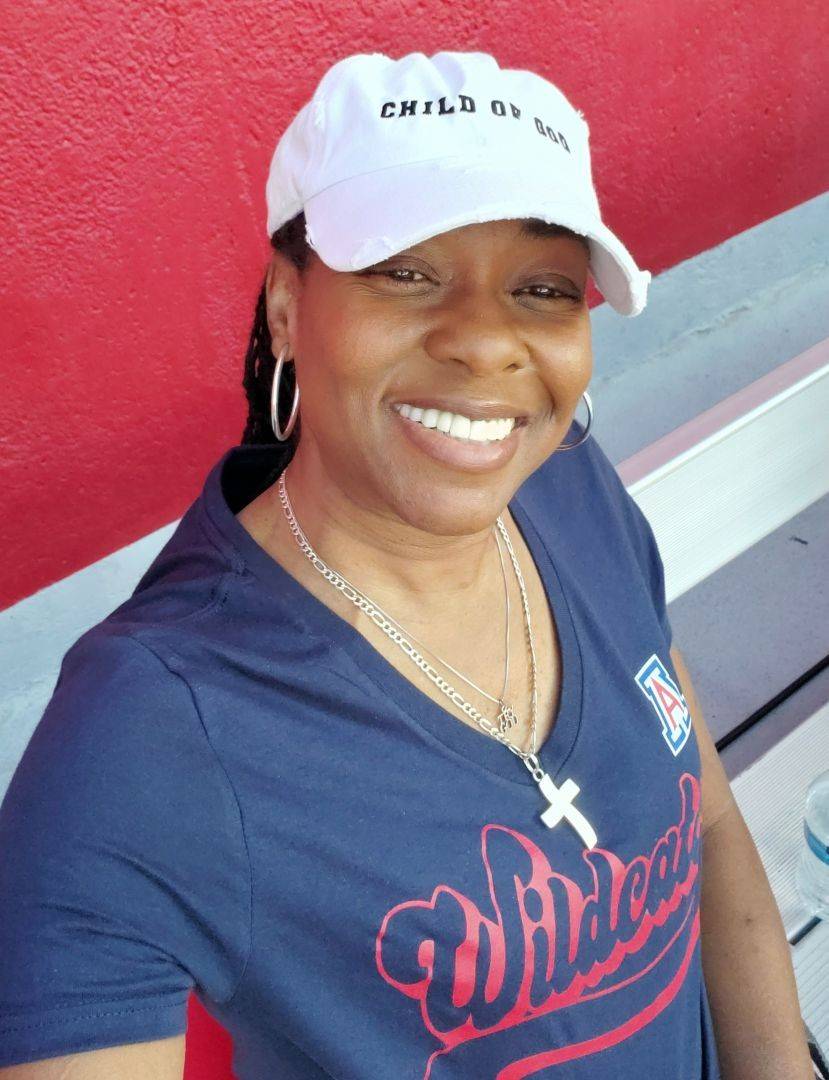
By Nikhitha Raigir, Red Cross Volunteer
Doctors once told Akilah Gilbert's mother that her daughter wouldn't live past 30.
Akilah is now over 50. She spends her days helping other people with sickle cell disease.
This September, for Sickle Cell Awareness Month, she's sharing what the disease feels like, and what donated blood can do.
A Traffic Jam in the Veins
Healthy red blood cells are round and flexible. They carry oxygen through the body. In sickle cell disease, they can turn stiff, sticky and crescent-shaped. They get stuck.
Akilah calls it "a traffic jam in your veins."
"Anywhere blood goes, you need oxygen," she says, "and if it doesn't get that, that's when the damage and the pain start."
For her, a pain crisis means deep bone pain.
I describe it like a giant reaching through your leg and just grabbing your bone and squeezing the crap out of it... You almost wish you could just levitate so that you're not touching anything.
Akilah Gilbert, Community Health Worker, Sickle Cell Foundation of Arizona
The First Transfusion
Akilah was diagnosed at age 3, after a blood test in Colorado. Her first crisis came at 13.
For the next two decades, treatment meant IV fluids and pain medication. Relief came slowly, over several days.
In 2009, Akilah was hospitalized with pain in her legs and back. Then she started having trouble breathing. Her hemoglobin had dropped dangerously low. She needed a blood transfusion.
She was 34. It was her first.
"It was a little scary, because you think about somebody else's blood," she says.
Then it started working.
"It was a significant difference after about an hour. I could tell that the pain wasn't as bad. I was breathing better," she said.
What Donated Blood Can Do
Akilah has had nine transfusions since. Some of the patients she works with have had hundreds.
She has seen what that blood can do. One of her patients developed hip damage as a child. His doctors started him on monthly transfusions.
"He ended up avoiding having to do any surgery or anything," Akilah says. His bones began to heal.
When Akilah visits her patients in the hospital, she often finds them receiving transfusions. That's why she speaks up for donors.
"Just because I haven't needed it as much, I do know of people who need it all the time."
Those donors need to come from every community. Blood for sickle cell patients has to be a close match, and one in 3 African American blood donors is a match for people with sickle cell disease.
"We need everybody's blood," Akilah says. "You never know how your blood is going to match with somebody else's."
Finding Each Other
Akilah has lived in Tucson for 25 years. For the first 20, she knew about two other people with sickle cell. She met them by chance.
The disease is invisible. Patients often look fine. Some keep their diagnosis private because of stigma.
Not Akilah. "I'm not private like that," she says. "I'd rather educate somebody than keep it a secret."
For the past four years, she has worked as a community health worker with the Sickle Cell Foundation of Arizona. She goes to appointments with patients, visits them in the hospital and helps them get what they need. She's in touch with at least 45 families.
"It's hard to find others," she says. "But once you do, we have developed quite a close community."
Stronger for It
Sickle cell is a hard road. Akilah doesn't pretend otherwise.
"I think it has given me a resilience and a compassion that I wouldn't have otherwise... I know how I want to be treated, even on my worst day."
Akilah Gilbert
That's what she brings to every family she meets, especially parents of newly diagnosed children. Her message to them: this is not the death sentence people once said it was.
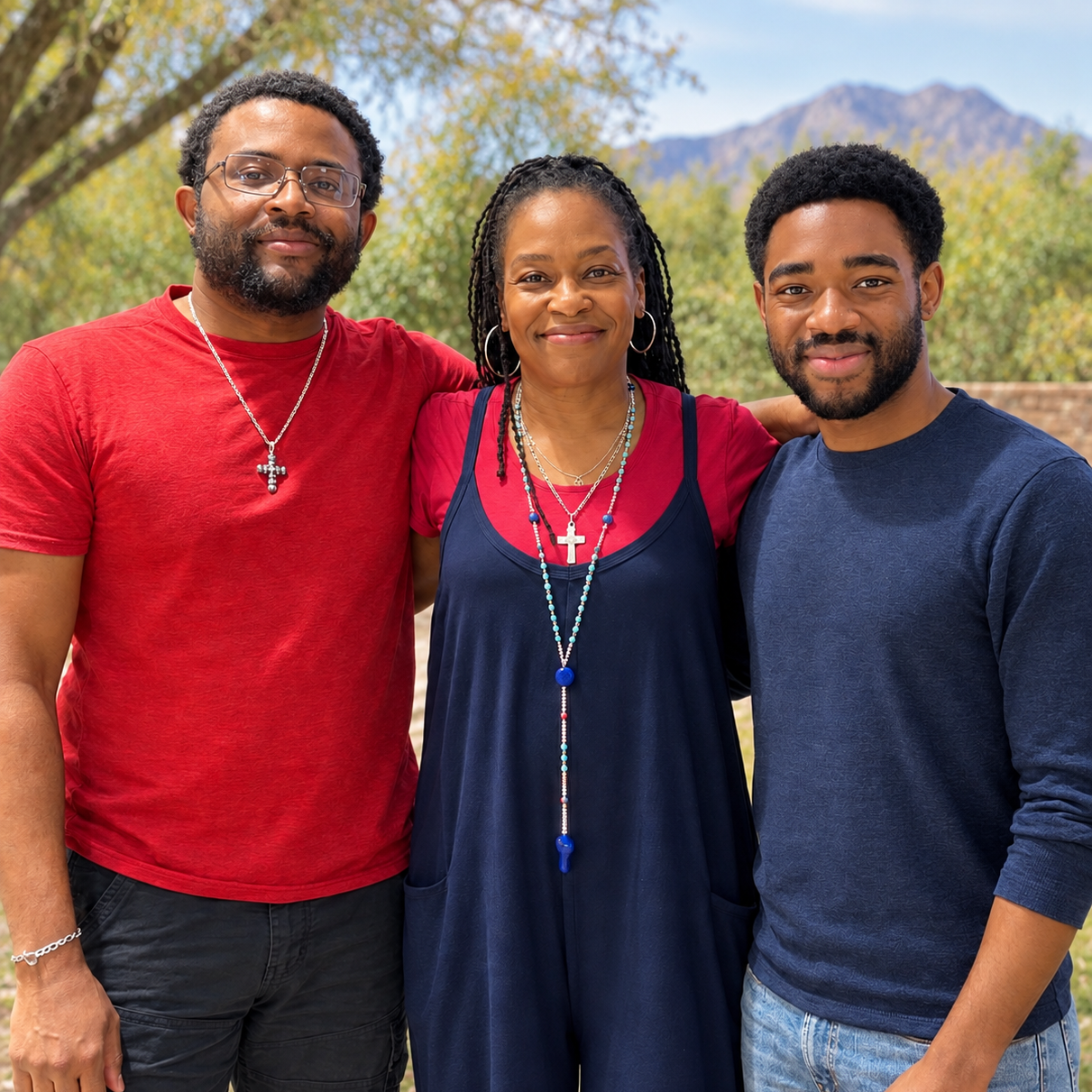
"They told my mom that I wouldn't live past 30. I wouldn't have any children," Akilah says. "And I'm over 50. And I have two boys who just graduated from the University of Arizona."
Ordinary people. Extraordinary impact.
Get Involved
Give Blood. A single sickle cell patient may need as many as 100 units of blood in a year. Patients like Akilah, and the families she supports, count on donors to be there. Schedule your appointment at redcrossblood.org.
Support all the urgent humanitarian needs of the American Red Cross.
Find a drive and schedule a blood donation appointment today.
Your time and talent can make a real difference in people’s lives. Discover the role that's right for you and join us today!