By Nikhitha Raigir, American Red Cross Volunteer
You have probably seen the headlines by now.
Scientists are calling it historic. Meteorologists are using words like Godzilla. On June 11, 2026, NOAA made it official: El Nino is here, and it is expected to be one of the strongest on record.
For most of us, that means another news alert we scroll past. But for communities in Arizona and New Mexico, where the ground is already cracked from drought and wildfire seasons keep getting longer, it means something else.
It means we need to start paying attention.
El Nino is a natural warming of the Pacific Ocean near the equator that shifts weather patterns across the entire planet. Think of it as a dial that gets turned up on whatever conditions already exist. Wet places flood. Dry places burn. Hot places get hotter.
Clark University climate scientist Abby Frazier describes it simply: all that extra heat at the surface fuels extreme events for places around the world. Especially in the Pacific, she warns, things can get dire very quickly.
This El Nino is forecast to rival the 1997 event, which triggered billions of dollars in damage from heat waves, floods, droughts, tornadoes, and wildfires across the country. NOAA puts the odds at 63 percent that it will rank among the largest on record going back to 1950.
And it is landing on a world that is already warmer than it has ever been.
"El Nino conditions will pour fuel on the fire of a warming world."
Antonio Guterres, United Nations Secretary-General
The Southwest is already in rough shape. NOAA's own forecasters describe the snow drought across the northern Rockies and Southwest as "off the charts." Forests in northern Arizona are parched. Wildfire risk has grown by an estimated 40 to 60 extra days per year.
El Nino typically brings more rain to this region in fall and winter. That sounds like good news.
It is not that simple.
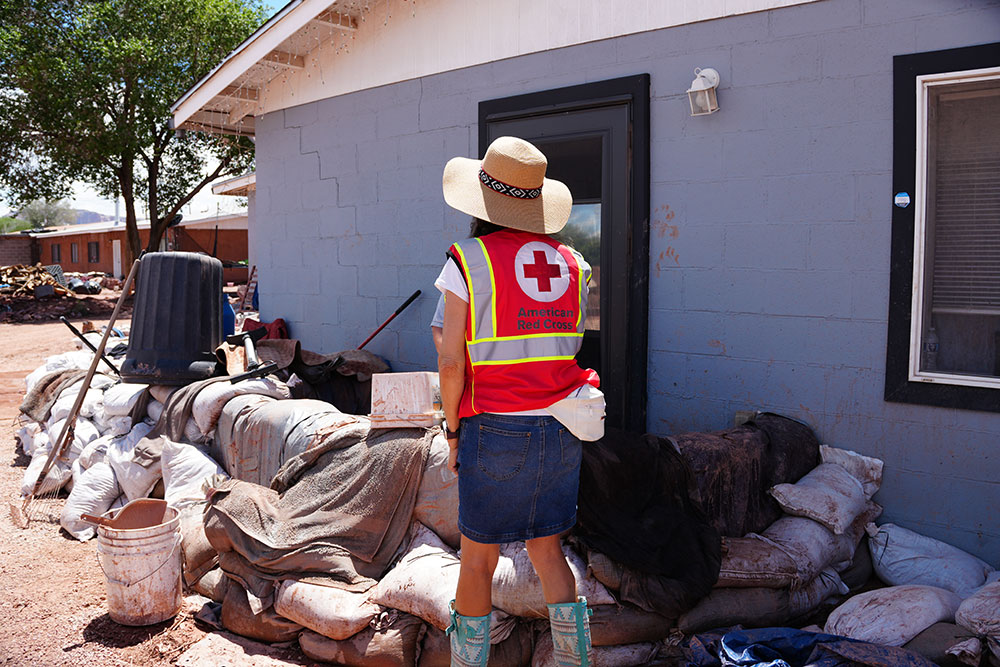
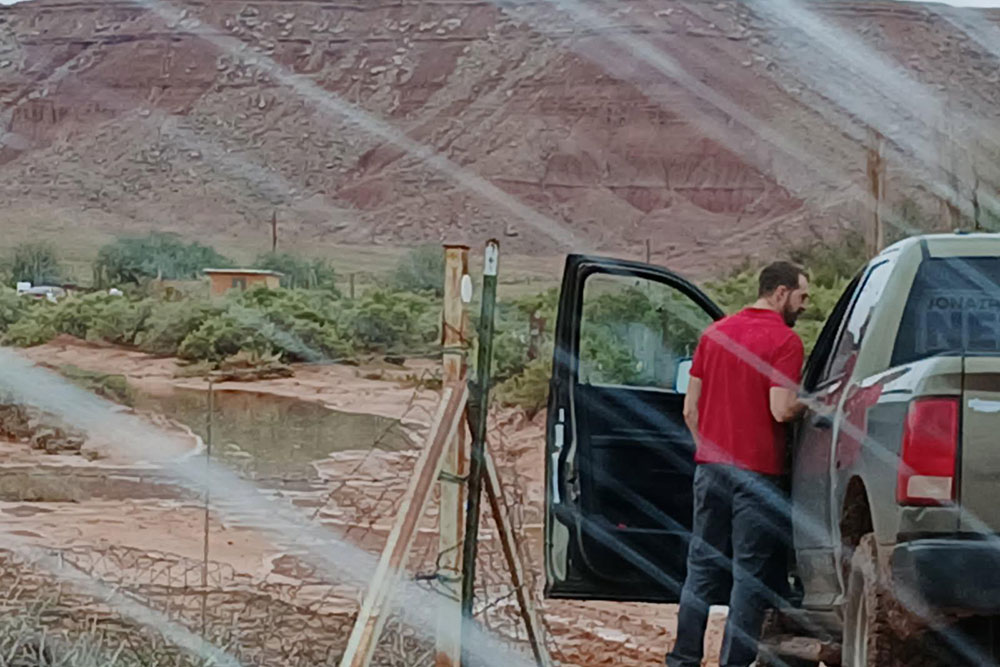
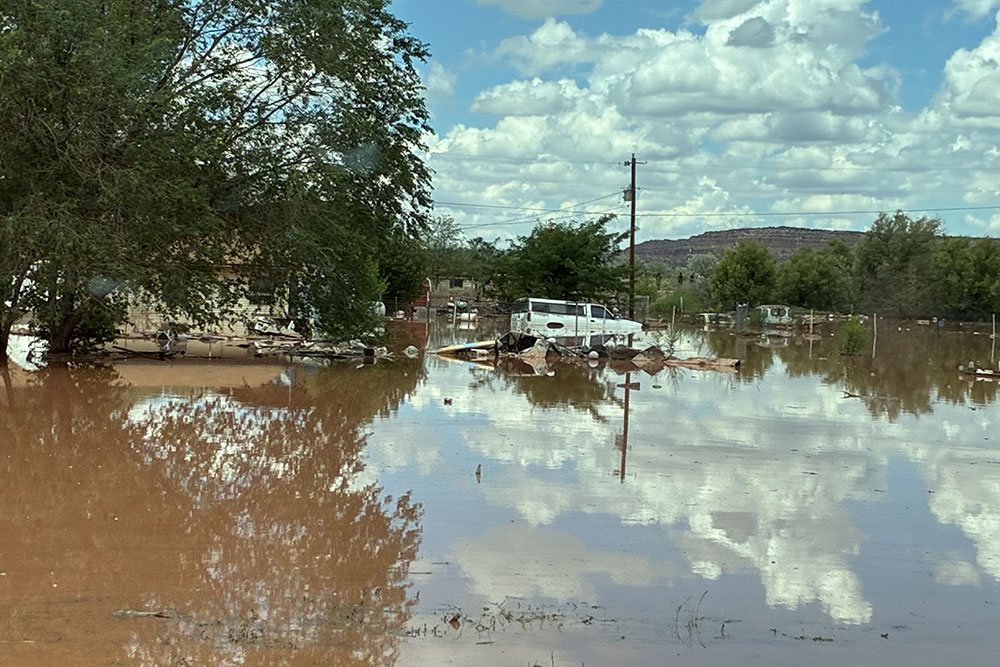
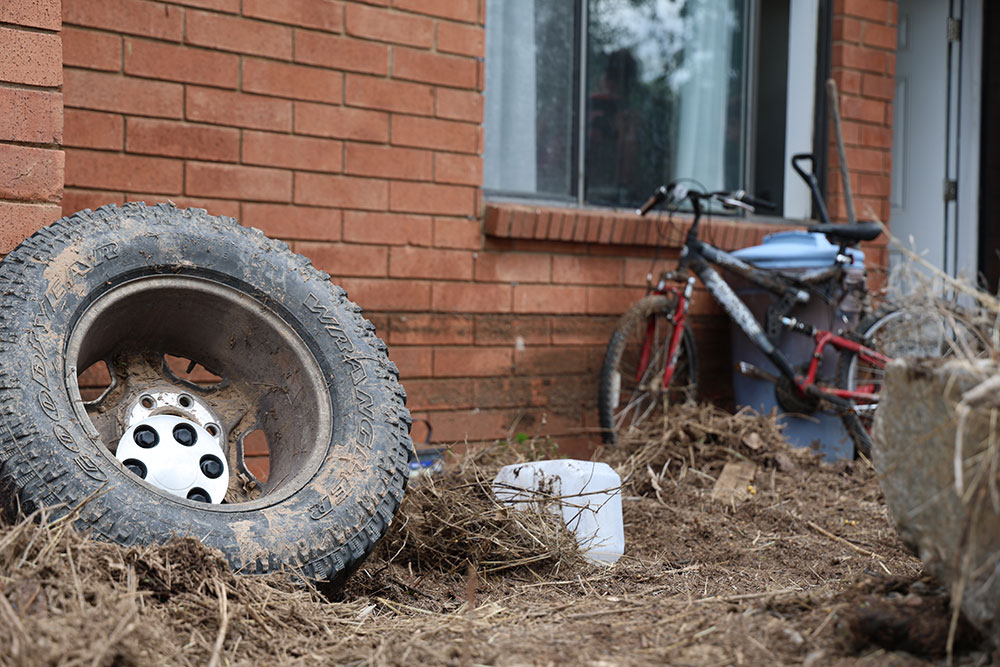
Land that has been in drought for years cannot absorb sudden rainfall the way it should. Flash floods follow. Dry lightning strikes vegetation that has not seen moisture in months. New Mexico saw more than $1.8 billion in wildfire damage in 2024 alone, before any of this.
That is the reality our communities are stepping into.
Columbia University climate scientist Muhammad Azhar Ehsan, who studies El Nino closely, offers a better way to think about all of this. "Instead of scared," he said, "we can ask people to be prepared."
That is exactly where the Red Cross comes in.
When a disaster hits, the Red Cross is usually one of the first organizations on the ground. Shelters open. Hot meals go out. Families who have lost everything have somewhere to go and someone to sit with them.
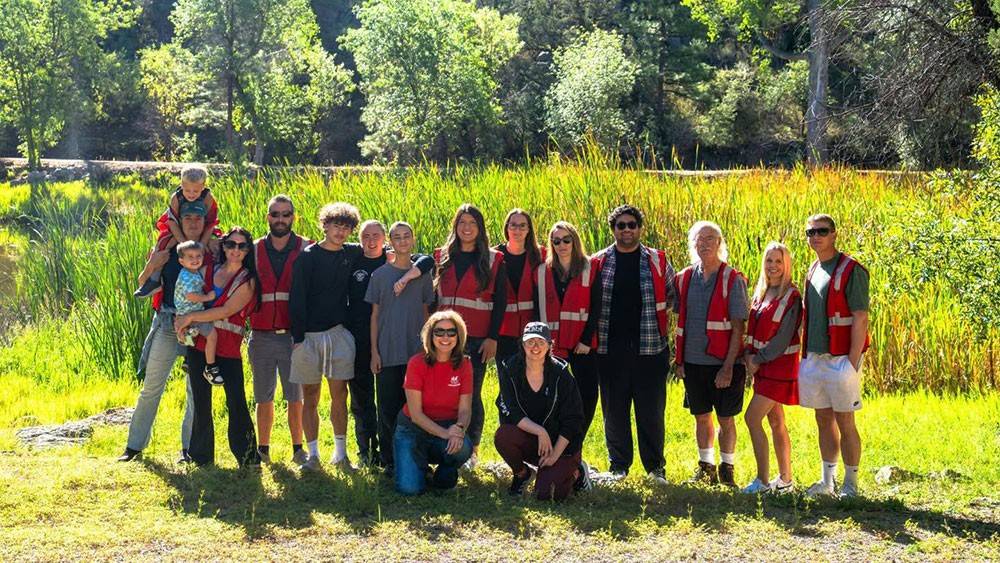
What most people do not realize is that 90 percent of the Red Cross workforce are volunteers.
Not staff. Volunteers. People with full lives and day jobs who decided that when something goes wrong, they want to be the ones who show up.
In January 2026, following severe winter storms across nearly a dozen states, those volunteers served more than 264,000 meals and snacks. Thirty percent more than the same period the year before.
More disasters mean that number will keep climbing. And volunteers from Arizona and New Mexico do not just respond locally. They deploy nationally, to wildfires in California, floods in the South, hurricanes on the Gulf Coast. When you volunteer here, you become part of something much larger than your zip code.
The time to prepare is not when a disaster is already on the radar. It is right now, while things are still calm.
Prepare your household. Make a plan. Build an emergency kit. Know your evacuation routes before you need them. Free resources are available at redcross.org.
Become a volunteer. There is a role for every schedule and every skill set. Visit redcross.org/volunteertoday to find yours.
The storms do not wait. But neither do the people who choose to face them together. If you have ever thought about volunteering, this is the moment.
The forecast is already written. What happens next is up to us.
Volunteer: Visit redcross.org/volunteertoday to find a role near you or explore national deployment opportunities.
Prepare: Visit redcross.org to download free emergency preparedness resources for your household.
Please visit redcross.org/prepare to learn more about how to be ready for disasters.
Support all the urgent humanitarian needs of the American Red Cross.
Find a drive and schedule a blood donation appointment today.
Your time and talent can make a real difference in people’s lives. Discover the role that's right for you and join us today!