By Bruce Jenks, Red Cross Volunteer
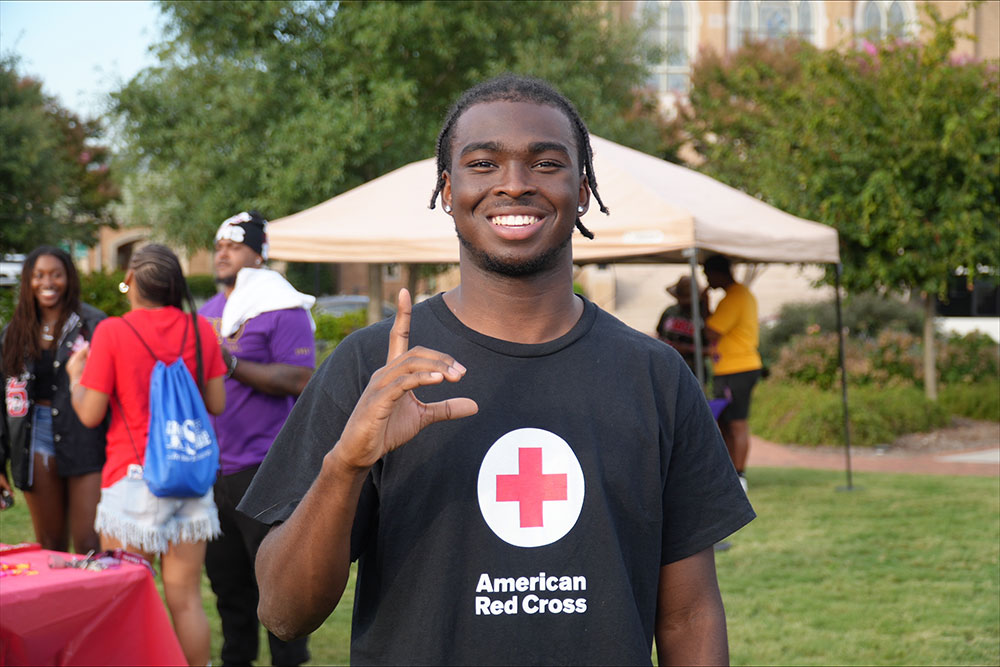
When Hunter Howard left Windsor, Connecticut, to attend Livingstone College in Salisbury, North Carolina, he knew he was taking a risk. The move was more than twelve hours from home, away from the track program where he had become a nationally recognized athlete. But for Hunter, the decision came down to one word: opportunity.
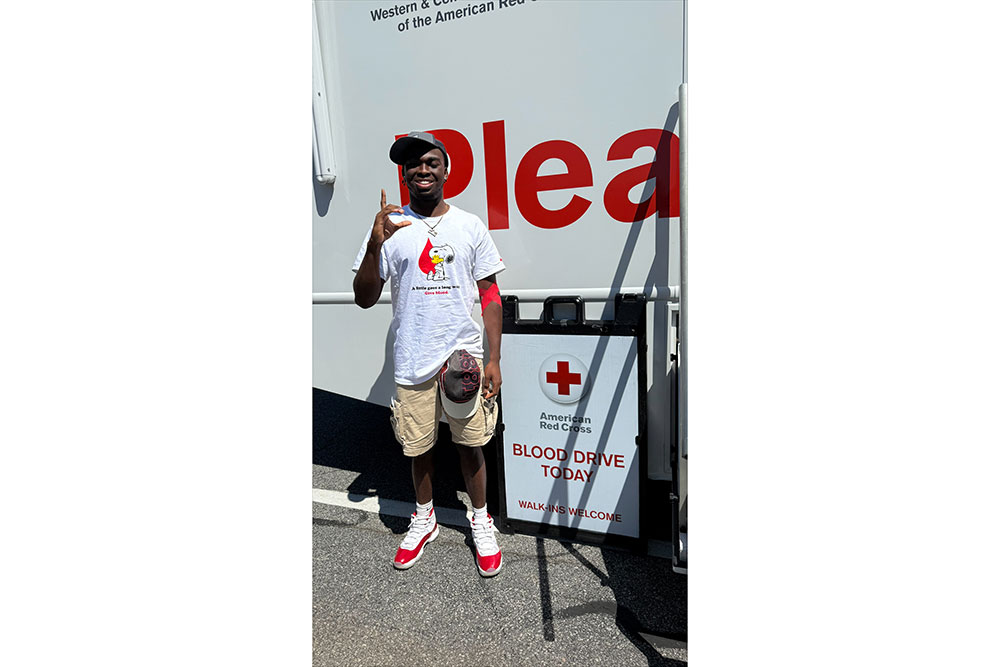
After arriving at Livingstone, Hunter joined efforts to support American Red Cross blood drives on campus. Early on, the work was demanding. On drive days, he would arrive early, stay late, and sometimes miss meals just to keep things running.
“At first, if I stepped away, I wasn’t comfortable,” Hunter said. “Everything depended on me being there.”
The challenge wasn’t a lack of interest or goodwill—it was sustainability. How do you transform a handful of volunteers into a network that can lead together? The stakes were high. Blood drives require trust, coordination, and consistency. Without that foundation, even the most passionate effort can burn out.
Hunter approached his leadership experience as a learning opportunity. Starting with his first blood drive, Hunter kept a journal. Repeatedly, he returned to his journal to ask himself, “What have I learned? How could I improve?”
Rather than trying to do more himself, Hunter focused on doing something different—building relationships.
Drawing on the leadership development and community‑centered philosophy embedded in the Red Cross HBCU (Historically Black Colleges and Universities) Ambassador Program, Hunter prioritized conversations, peer-to-peer invitations, and shared ownership. The goal wasn’t perfection; it was participation.
The campus Red Cross club grew to more than 60 students in an active group chat—friends willing to volunteer for 90‑minute shifts, help at tables, and speak confidently with others about why blood donation matters. Some knew the full pitch. Others knew just enough, but that was enough.
“Once you build your network in your community, it becomes easier to delegate,” Hunter explained. “People understand the importance—even if they don’t know every detail”.
This shift mattered. By spring, Hunter could step away for thirty minutes during a drive to enjoy lunch, knowing that the work would continue. Leadership had moved from a single person to a community effort.
By April, Hunter felt a change—not just in the size of the program, but in his own confidence.
“I’m very confident that even if I’m not there, everything will run smooth,” he said ahead of an upcoming April 17 blood drive.
That confidence reflects the deeper outcome of the HBCU Ambassador experience: leadership that lasts beyond one event or one individual. The program’s focus on mentorship, advocacy, and community engagement is designed to do exactly this—build leaders who empower others and strengthen local impact.
For Hunter, the experience also clarified his path forward. A business administration major who works summers as a bank teller, he now sees service as a long-term calling.
“I can see myself being a regional director for the American Red Cross,” he said. “Managing blood drives—that clicks with me. It feels natural.”
Through the HBCU Ambassador Program, students like Hunter are not just supporting Red Cross initiatives—they are shaping the future of community service on their campuses and beyond. They remind us that the most resilient systems aren’t controlled by one person; they are carried by many.
And it all starts with the courage to say yes to opportunity—even when it’s twelve hours from home.
Support all the urgent humanitarian needs of the American Red Cross.
Find a drive and schedule a blood donation appointment today.
Your time and talent can make a real difference in people’s lives. Discover the role that's right for you and join us today!