By Kelly Flynn
In Wilmington, North Carolina, the American Red Cross spent the day doing something simple and powerful: slowing down and listening.
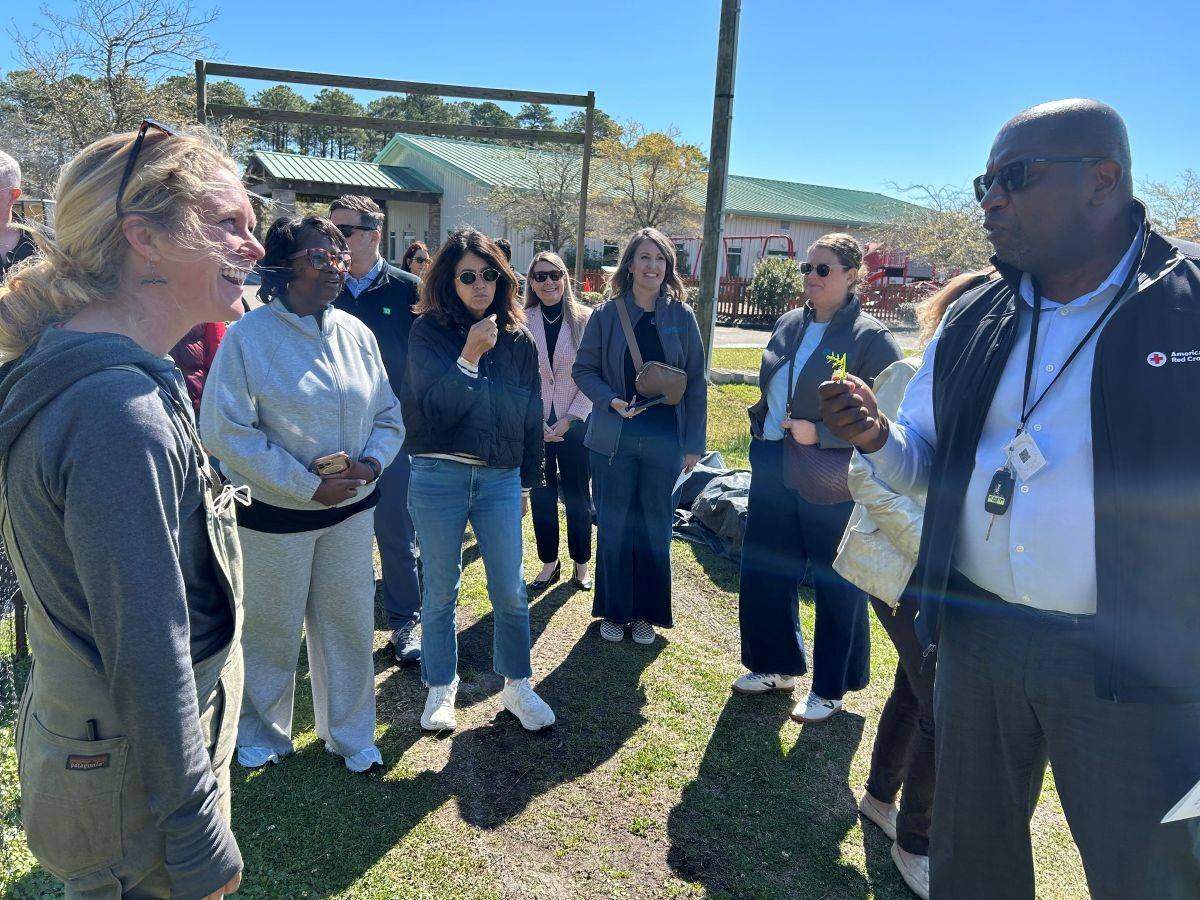
Employees, volunteers, and supporters gathered at the Cape Fear Chapter office before heading into the community for Through the Lens of the Community, an experience grounded in the Community Adaptation Program, known as CAP.
“This day is about slowing down and really paying attention to what’s happening around us,” said Javi Mendoza, community disaster risk reduction manager for the American Red Cross Community Adaptation Program in North Carolina. “We’re here to listen, to see the spaces and places that matter, and to learn directly from the people and organizations who are already doing this work every day.”
The goal was not to tell Wilmington’s story, but to witness it through the voices, places, and partnerships strengthening the community across three focus areas: health, hunger, and housing.
As disasters grow more frequent and needs continue between emergencies, this approach reflects how resilience is built. The Red Cross now responds nearly nonstop to disasters while also working year-round alongside trusted local partners to help communities prepare for, respond to, and recover from emergencies together.
Starting with community, not crisis
The day began with an overview of the Community Adaptation Program, which focuses on strengthening hyper-local organizations in communities facing repeated risks. Rather than relying only on outside assistance after disasters, CAP invests in organizations already embedded in their neighborhoods and trusted by residents.
By building local capacity and supporting long-term partnerships, the Red Cross helps ensure communities are better positioned not only during disasters, but every day.
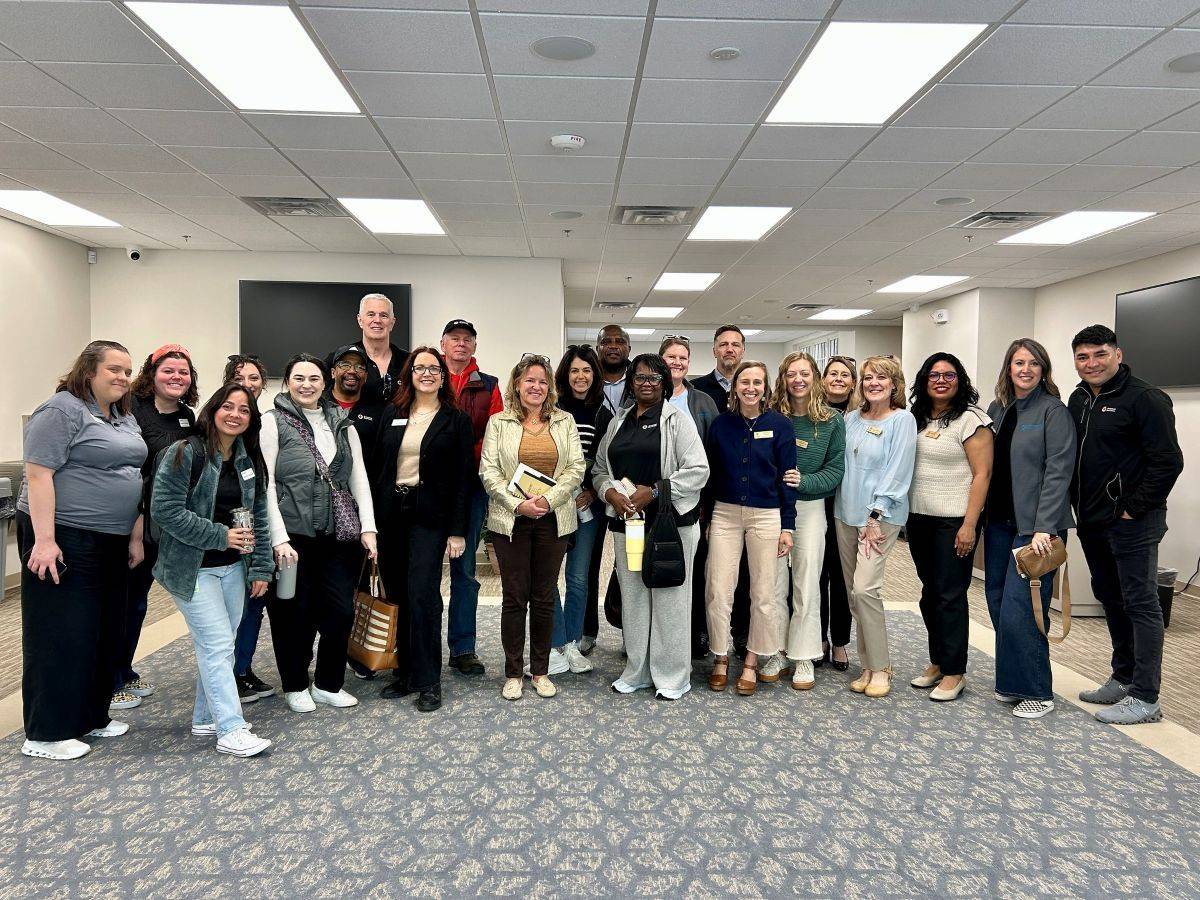
Health: Trusted access at El Cuerpo
The first stop was El Cuerpo, a community-based organization providing free, culturally informed services for Wilmington’s Latino community.
Operating out of a church, El Cuerpo reduces barriers to care such as cost, language, and transportation. Staff shared how many patients arrive with limited or inconsistent access to health services and how basic primary care can help prevent emergency room visits and improve long-term health outcomes.
In addition to health services, El Cuerpo offers tutoring programs, English-language classes, childcare, and community events. With support through CAP, including expanded transportation capacity, the organization continues to strengthen trust and reach more families where they are.
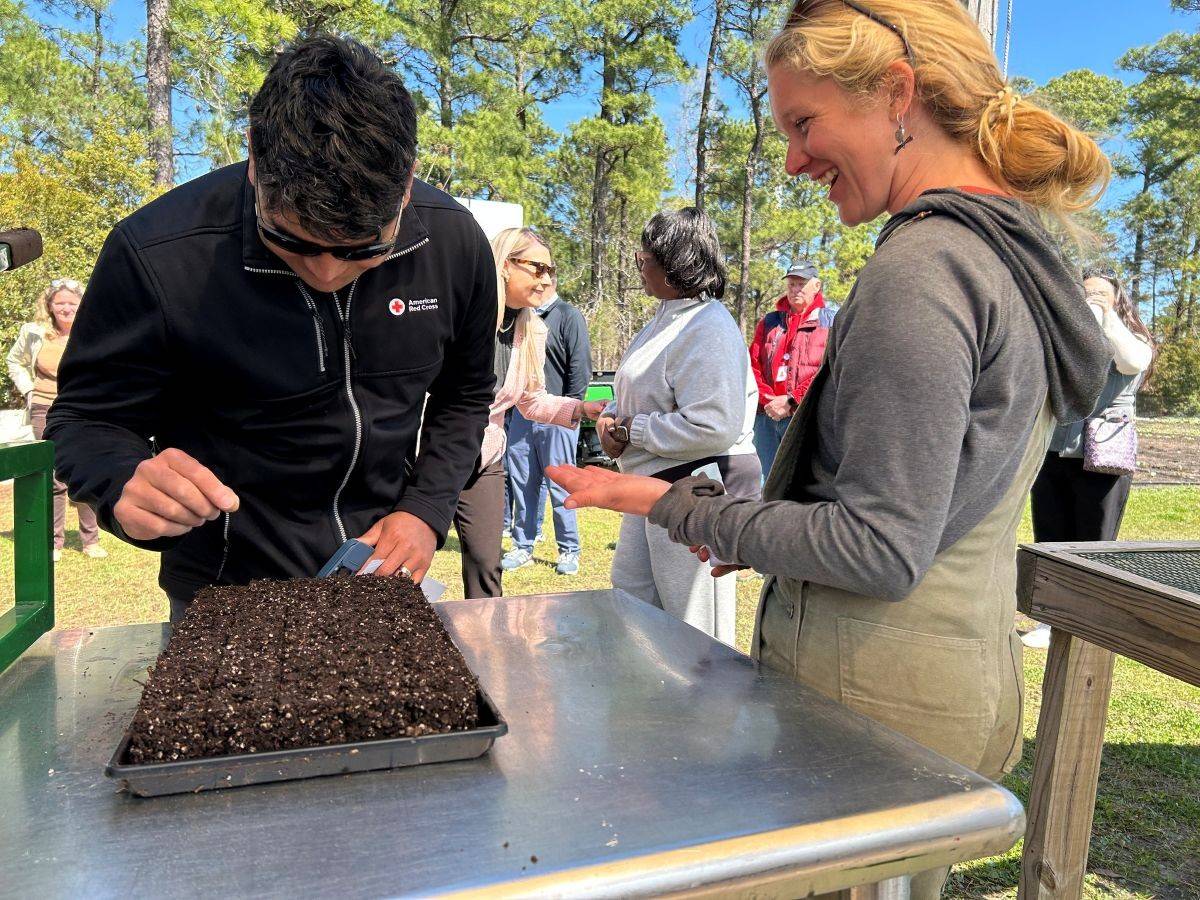
Hunger: Growing food and knowledge at Rise Up Community Farm
From health to hunger, the group traveled to Rise Up Community Farm, where resilience begins in the soil.
Wilmington has multiple food deserts, limiting access to fresh produce for many families. Rise Up addresses this gap by growing food that stays entirely within New Hanover County, prioritizing partnerships with local food pantries and community organizations.
Farm leaders explained how crop decisions are guided by community input, ensuring the food grown reflects what neighbors want and need. Participants learned about regenerative farming practices, crop rotation, and succession planting designed to provide consistent, sustainable access to food.
Visitors were invited to plant seeds, underscoring how long-term resilience is cultivated over time. A CAP-supported walk-behind tractor will help the farm expand production and reach more community partners.
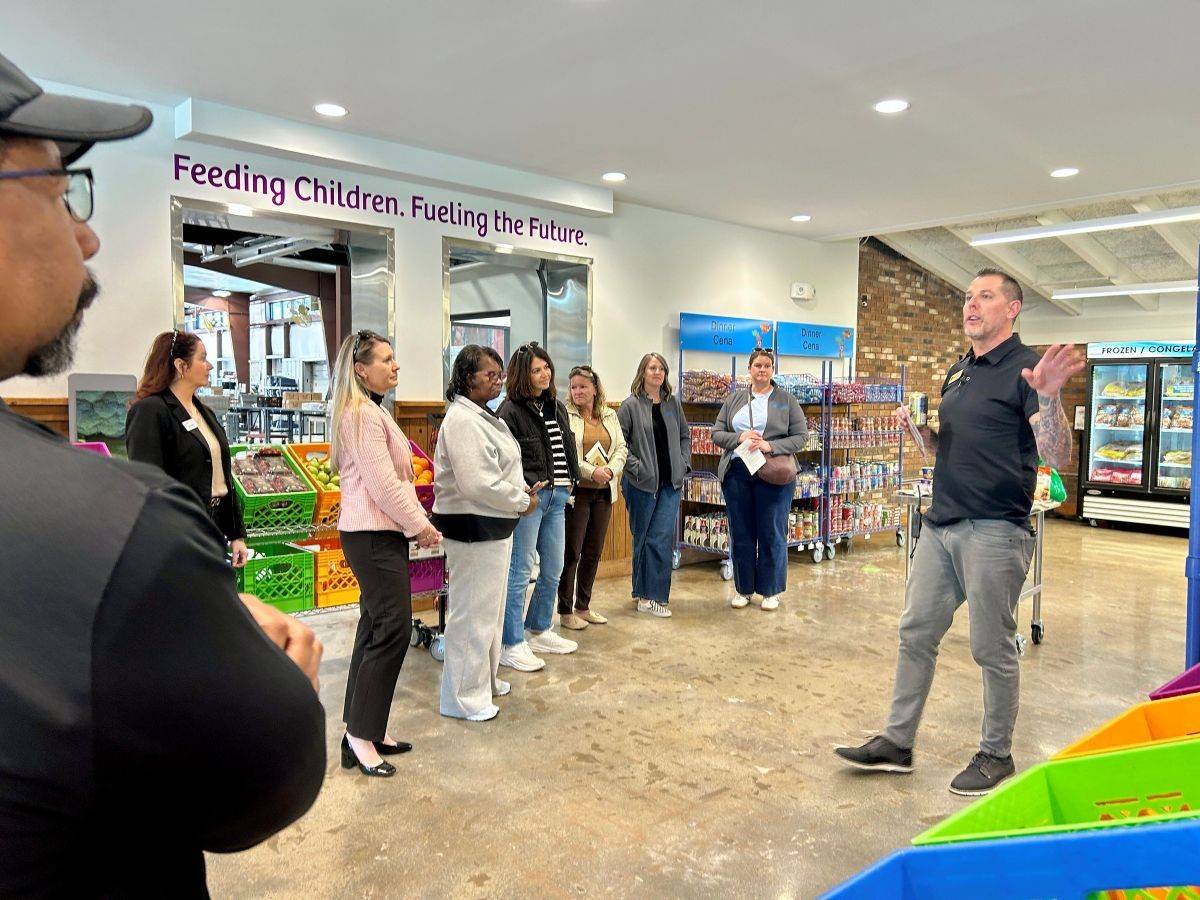
Hunger and readiness: Nourish NC as a resilience hub
The afternoon continued at Nourish NC, a cornerstone organization addressing child hunger and food insecurity across the Wilmington area.
Nourish NC provides healthy food to children and families through school partnerships, food pantries, and community distribution programs. During the visit, staff shared how the organization plans for both daily operations and emergency needs.
With CAP support, Nourish NC strengthens its ability to function as a resilience hub by maintaining cold storage, coordinating volunteers, and pre-positioning supplies that can be mobilized quickly when disasters disrupt access to food. Preparations for hurricane season are already underway, helping ensure continuity of service when families need it most.
The visit reinforced a key reality: hunger does not pause during disasters, and preparedness lives within the systems communities rely on every day.
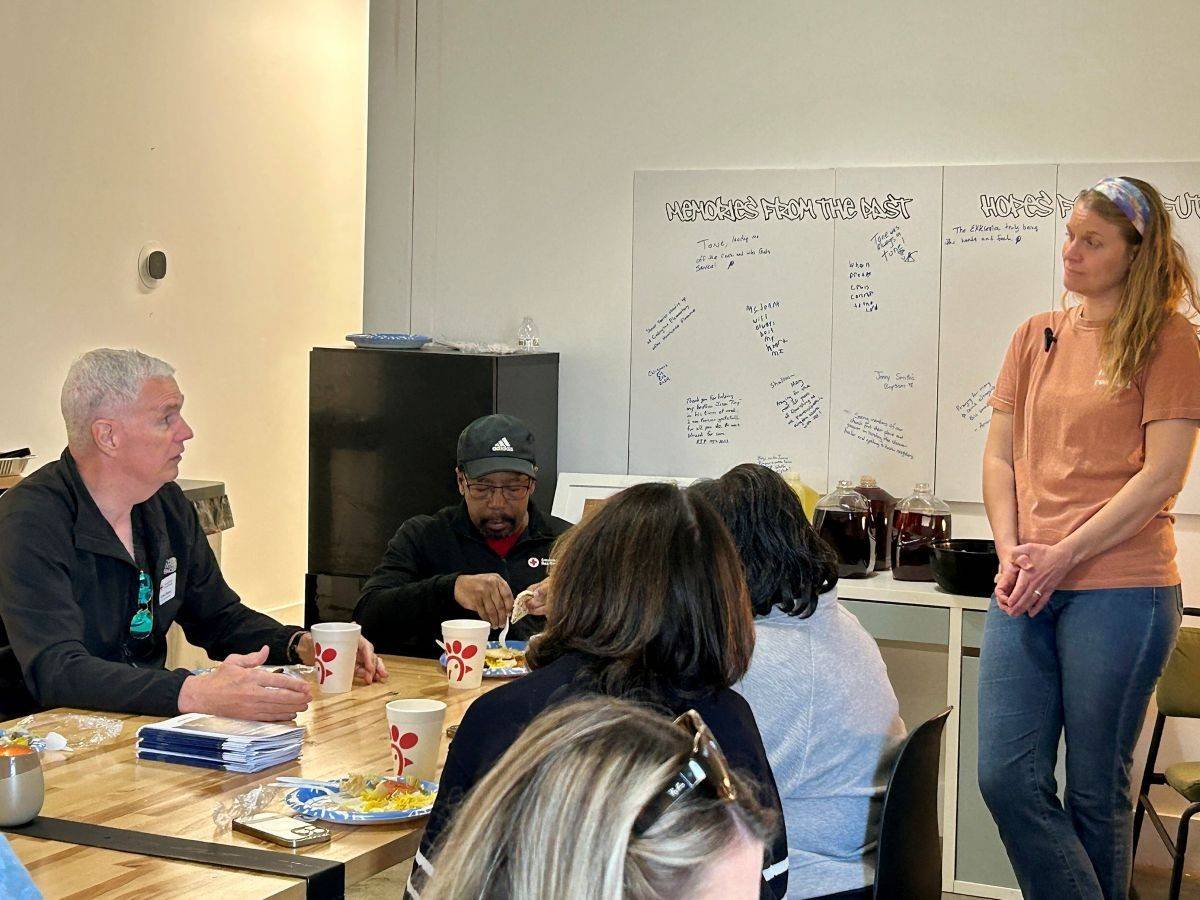
Connection and stability at Vigilant Hope
The final stop brought the group to Vigilant Hope, a longstanding community partner whose work centers on housing, connection, and opportunity.
For more than two decades, Vigilant Hope has created spaces that foster safety, belonging, and dignity for people facing housing instability. Its approach goes beyond short-term solutions, emphasizing consistent presence, relationship-building and pathways toward long-term stability.
Vigilant Hope’s work reflects how housing intersects with health and hunger, particularly during and between disasters. By maintaining trusted spaces and strong community ties, the organization helps ensure people have support not only in moments of crisis but as they work to rebuild and move forward.
Participants reflected on how each partner fits into a broader ecosystem of care, where collaboration and trust strengthen the community’s ability to withstand challenges over time.
Resilience starts long before disaster
As the group returned to the chapter office, one message was clear: disasters may draw headlines, but resilience is built long before an emergency begins.
“What stood out to me was how much strength already exists in this community,” said Darren Allison, executive director of the American Red Cross North Carolina Cape Fear Chapter. “When we take the time to listen and learn from our partners, we’re not just preparing for the next disaster, we’re reinforcing the relationships and local leadership that help communities withstand challenges every day.”
The climate crisis has increased both the frequency and intensity of disasters, leaving communities with less time to recover between events. Through the Community Adaptation Program, the Red Cross works alongside local partners to strengthen the systems people depend on daily so they are better prepared when emergencies happen.
Seeing Wilmington through the lens of the community reinforced that readiness is not just about response. It is about investing in people, partnerships, and places that show up day after day and will continue to be there when the next crisis comes.
Support all the urgent humanitarian needs of the American Red Cross.
Find a drive and schedule a blood donation appointment today.
Your time and talent can make a real difference in people’s lives. Discover the role that's right for you and join us today!