By Stephen Roberts
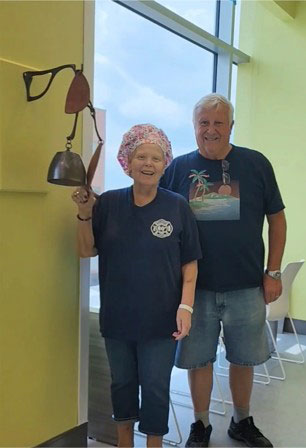
In early 2023, Sherry Kemp and her husband, Don, were savoring retirement—time with grandkids, a hobby flea market booth, and leisurely cruises. Sherry, a retired nurse, and Don, a retired firefighter, especially cherished those getaways. But life took a terrifying turn. Without the kindness of anonymous strangers, their story could have ended there.
Sherry struggled to recover from what seemed like a routine case of strep throat. When doctors ran additional tests, they discovered alarmingly low platelet counts. The diagnosis followed quickly: stage four lymphoma. From the very beginning, blood was essential.
“Day one,” Sherry recalls, “that’s how important blood transfusions were.”
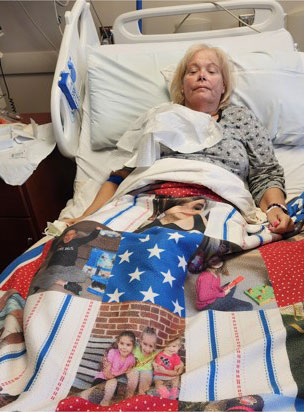
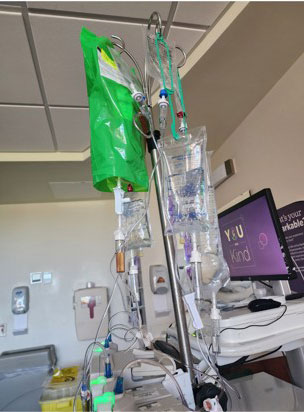
Years earlier, Sherry had been on the other side of the chair. As a healthcare worker, she donated through the Red Cross Blood Assurance Program. “Back in 1994, I joined and would go give blood,” she says. She had seen transfusions save patients. Blood was vital, but it was also routine—until she became the patient herself.
“It’s a different perspective,” Sherry explains. “When you go from one side of the bed to the other, it’s night and day.”
More Than One Donation: The True Scale of Need
Many people imagine blood donation as saving one life. The reality is far more demanding.
Sherry quickly lost track of how many transfusions she received—platelets, packed red cells, and whole blood—often from different donors each time.
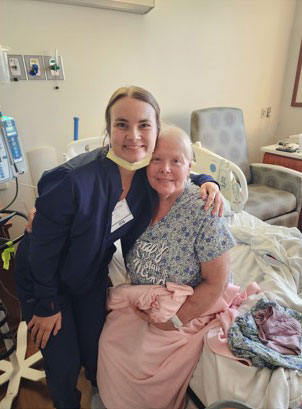
“Many, many times I got lots of blood,” she says.
For cancer patients like Sherry, treatment can require dozens—or even hundreds—of blood components over time. And those components can’t be stockpiled indefinitely.
Don remembers a moment that drove that reality home. A nurse explained the hospital’s shortage bluntly: “You need blood,” she said, “but unless you’re actively bleeding, we can’t justify it—our supply is low.”
Ironically, a small nosebleed tipped the scale, allowing Sherry to receive the transfusion she needed.
“It got that critical,” Don recalls. “We almost didn’t.”
A Resource You Can’t Replace or Reorder
In a world where so much can be manufactured, shipped, or stocked, blood is different.
“I can’t walk into a store, go down aisle five, and buy 10 units,” Sherry says.
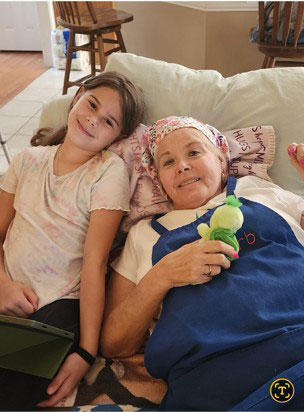
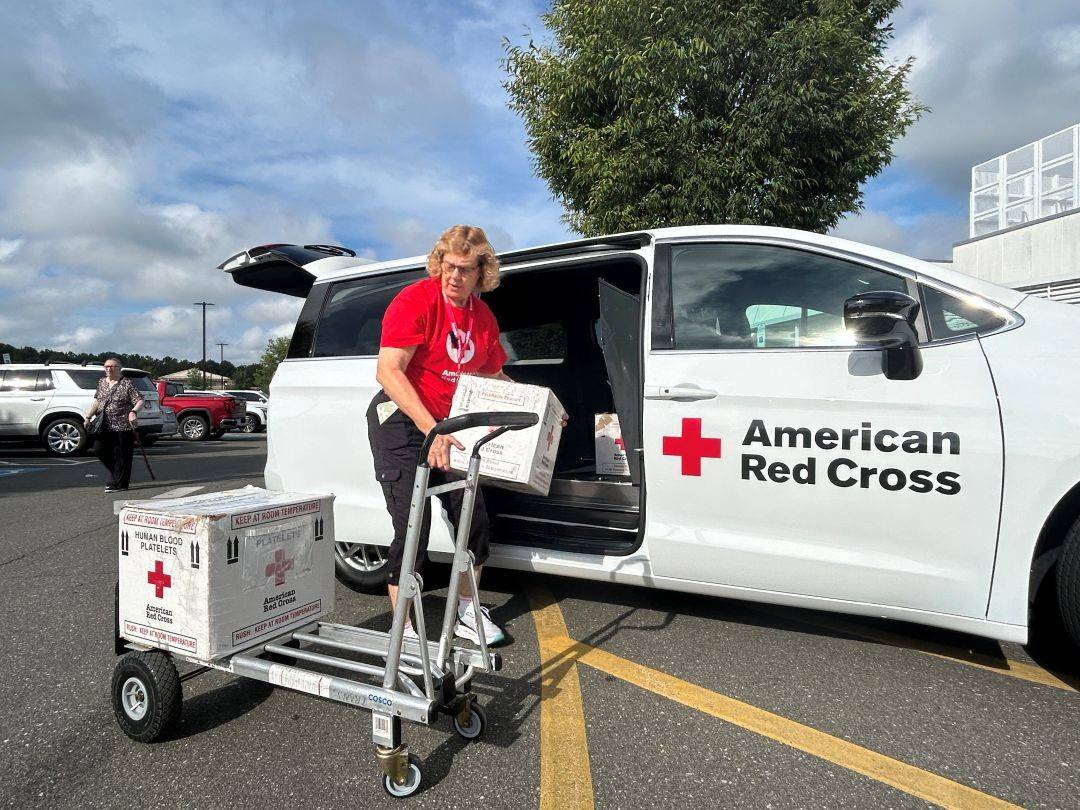
Blood has a short shelf life—red cells last 42 days, platelets just five. There is no substitute, no factory, and no backup plan. Every unit comes from a volunteer donor, given freely.
The American Red Cross collects millions of blood donations each year, supplying a significant portion of the nation’s blood. Even so, demand is constant. Trauma care, surgeries, cancer treatments, and chronic illnesses mean that someone in the U.S. needs blood every few seconds. When donations decline, patients feel it immediately.
Strangers Who Gave an Hour—and Everything It Made Possible
Sherry never met the people who saved her life. “They were willing to give it to me without knowing me,” she says.
That generosity may have looked simple—an hour to donate, a quick snack afterward—but its impact was enormous. One donation can help up to three people. For Sherry, it meant the chance to keep living, to keep showing up for her family, and to keep telling her story.
“There’s no way I can adequately thank you,” she says. “It made the difference between living and not.”
Her journey isn’t over.
“I probably will need blood the rest of my life,” Sherry adds.
Why Donors Still Matter—Today
Sherry’s story is not unique. Cancer survivors, trauma patients, parents, children, and neighbors all rely on a steady blood supply—one that can only exist if people continue to give.
Donating blood with the Red Cross is straightforward: most healthy adults 18 and older (16 or 17 with parental consent in some states) and weighing at least 110 pounds are eligible. The process takes about an hour, and donation opportunities are available every day at community blood drives and donation centers. Travel, tattoos, and piercings don’t automatically disqualify donors—many people are eligible and don’t realize it.
“What surprised me most,” Sherry says, “is how simple it is—but how much it matters.”
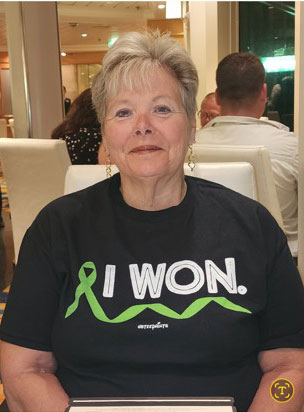
She says she wouldn’t be here without blood donors. “I wouldn’t be alive,” she says plainly. “God bless them.”
Sherry’s life was sustained by strangers who showed up, rolled up their sleeves, and gave a gift that cannot be bought, stored, or replaced. One donation helped write the next chapter of her story.
The next one could help write someone else’s.
Support all the urgent humanitarian needs of the American Red Cross.
Find a drive and schedule a blood donation appointment today.
Your time and talent can make a real difference in people’s lives. Discover the role that's right for you and join us today!