By Bruce Jenks
After a historic milestone, a tribal community faced the Winter Storm of 2026 with preparation, partnership, and pride.
When Winter Storm ’26 swept across southeastern North Carolina, the Lumbee Tribe was standing in a moment generations had waited 137 years to see. Only weeks earlier, the federal government had formally recognized the Lumbee people—a historic milestone that opened long-denied access to federal resources, expanded self-governance, and unleashed a wave of pride across Robeson and surrounding counties.
Amid that celebration, another challenge arrived: a dangerous winter storm threatening to disrupt power, endanger elders, and place added strain on a community stepping into its new chapter of sovereignty.
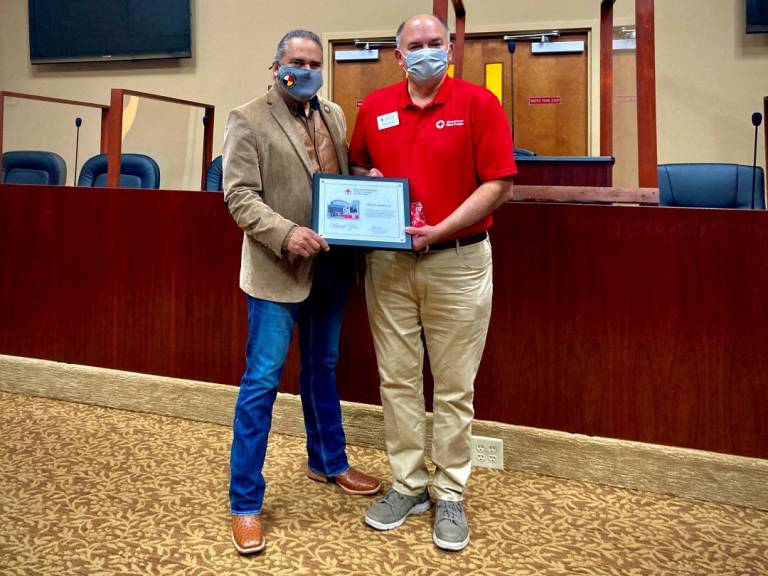
For Earl White, a Red Cross government operations and disaster relief volunteer who had quietly nurtured a relationship with the Lumbee over the past year, the timing made the mission unmistakably clear.
Earl had invested in communications with the Lumbee leadership months before the storm by simply asking, “How can we work together when the next event comes?” That early engagement mattered. When the tribe reached out with a list of needs—flashlights, batteries, blankets, water, hand warmers, and sleeping bags—Earl already understood the importance of meeting them without delay.
The plan was straightforward—the tribe would lead the distribution within their community, while the Red Cross and its partners worked to source and deliver supplies.
Some items the Red Cross could provide directly. Others required partners—who delivered without hesitation. Food Lion donated two pallets of water. Other partners supplied batteries and flashlights. Volunteers from the Sandhills team loaded their vehicles and drove supplies to the tribal distribution site.
“That’s what made it a win,” Earl said. “Everyone came together. Every team made it a priority.”
And in the background, the significance of the tribe’s newly secured federal recognition lent gravity to every moment. This was not just a storm response. It was a community protecting its people during its first weeks as the 575th federally recognized tribe in the United States—a milestone celebrated nationwide and electrifying to those who had fought for more than a century to see it.
“To be supporting them during this moment—it felt meaningful,” Earl reflected. “Their pride and joy were impossible to miss.”
Earl walked away with a simple lesson: partnerships built before disasters are what make mission delivery possible.
Support all the urgent humanitarian needs of the American Red Cross.
Find a drive and schedule a blood donation appointment today.
Your time and talent can make a real difference in people’s lives. Discover the role that's right for you and join us today!