Major disasters are occurring more frequently than ever, now averaging about one every two weeks. Combined with the smaller emergencies that happen every day, such as home fires, it is more important than ever for families to prepare for unexpected events.
At the same time, rising costs can make emergency preparedness feel out of reach. To help, the American Red Cross Southeastern Pennsylvania Region is sharing simple, low-cost and no-cost steps that can help households prepare for disasters without straining their budgets.
“September is National Preparedness Month, the perfect time to get ready for emergencies large and small,” said Jennifer Graham, CEO of the American Red Cross Southeastern Pennsylvania Region. “Disasters can happen anywhere, at any time, and getting your household ready for them doesn’t have to break the bank. Start with a few of these low-cost or no-cost steps to help protect your loved ones.”
Steps to Preparedness
1. Download the Red Cross Emergency app. The free Emergency app can help individuals and families prepare for, respond to and recover from disasters. Features include preparedness guides, National Weather Service alerts, live weather maps and information on nearby Red Cross shelters.
The app is available in English and Spanish and is designed with accessibility in mind. Download it by searching “American Red Cross” in your app store or visiting redcross.org/apps.
2. Create an emergency plan. Making a plan is one of the easiest and most effective ways to prepare, and it costs nothing.
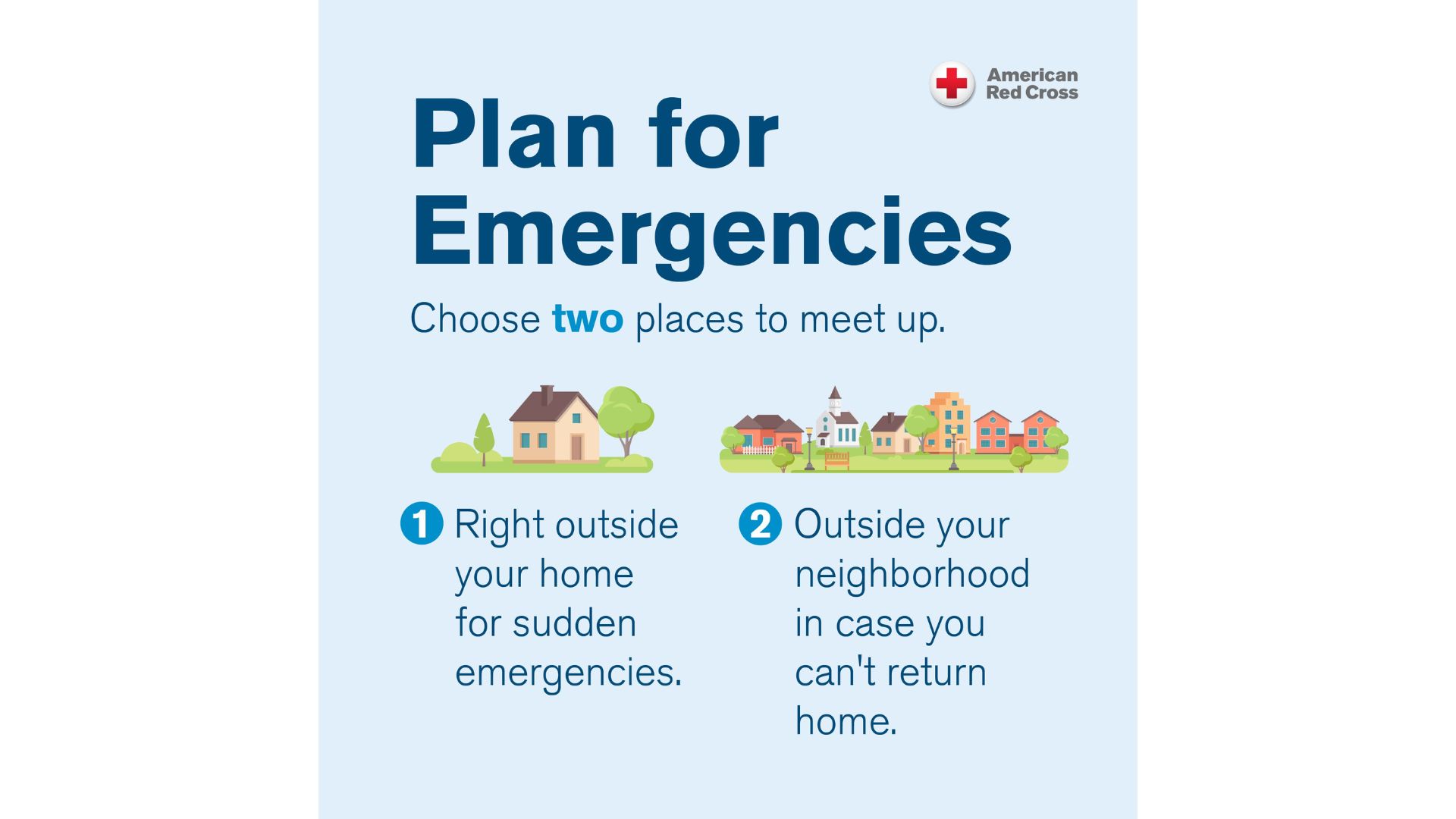
Choose two meeting locations: one just outside your home and another outside your neighborhood in case you cannot return home or need to evacuate. Discuss evacuation routes and determine where you will go, how you will get there, where you will stay and what you will take with you. If you rely on public transportation or will need assistance evacuating, plan ahead.
Customize your planning based on your household’s needs. Families with young children should consider items such as formula and diapers. Pet owners should plan for leashes, carriers, food, water bowls and litter.
Create emergency contact cards for each family member in case internet or cell service is unavailable. Save important contact information on everyone’s phone, including numbers for schools, child care providers, veterinarians and pet-friendly hotels or shelters.
3. Build a Go-Kit and a Stay-at-Home Kit. Emergency kits do not have to be assembled all at once. Start with items you already have and add supplies gradually. Look for sales, coupons and discount retailers to help reduce costs.
A go-kit should contain enough supplies for at least three days and be ready to take with you during an evacuation. A stay-at-home kit should include enough food and water for at least two weeks and, if possible, a one-month supply of prescription medications.
Other recommended supplies include a flashlight, first-aid kit, battery-powered or hand-crank radio, backup batteries and chargers, and copies of critical personal records. Households also should consider including personal hygiene and sanitation supplies, cash, local maps, baby and pet supplies, matches, N95 masks, a manual can opener, extra house and car keys, towels, work gloves, a multipurpose tool, blankets and sleeping bags. Be sure to include backup power sources for essential devices, such as cell phones, CPAP machines and wheelchairs.
4. Learn About the Ready Rating Program. Businesses, schools and community organizations also need to be prepared for emergencies. The Red Cross Ready Rating Program is a free service that provides tools, resources and information to help organizations strengthen preparedness, maintain operations during disruptions and protect lives and property.
“Disasters don’t wait for the right time,” Graham said. “They can happen in the middle of the night, while you're at work or when children are at school. Being prepared is your best defense. Whether it’s a home fire that affects a single home or a storm that devastates an entire community, emergencies can change lives in a matter of minutes. During National Preparedness Month, set aside a little time to get ready. Take a few simple steps today and start building your household’s readiness for tomorrow.”
About the American Red Cross:
The American Red Cross shelters, feeds and provides comfort to victims of disasters; supplies about 40% of the nation’s blood; teaches skills that save lives; distributes international humanitarian aid; and supports veterans, military members and their families. The Red Cross is a nonprofit organization that depends on volunteers and the generosity of the American public to deliver its mission. For more information, please visit redcross.org or CruzRojaAmericana.org, or follow us on social media.
Support all the urgent humanitarian needs of the American Red Cross.
Find a drive and schedule a blood donation appointment today.
Your time and talent can make a real difference in people’s lives. Discover the role that's right for you and join us today!