By: Jan Coopman
As North Texas enters the severe winter weather season, it’s time to prepare for potentially harsh conditions. It’s important to know the “Four Ps”: People, Pipes, Plants, and Pets.
While North Texas doesn’t normally experience the constant snow and frigid temperatures seen in states farther north, communities still face freezing temperatures and flurries, rain, or sleet, along with enough sub-zero weather to potentially wreak havoc. You can safeguard people and property now by implementing cold-weather safety measures in anticipation of severe weather.
Historically, January is the coldest month across North Texas. But remember February 2021? Six days of bone-chilling cold, burst pipes, rolling power outages, and record-high energy use, if it was even available. These disastrous conditions earned the moniker The Great Texas Freeze. Officially, Winter Storm Uri caused billions of dollars in damage and even some deaths.
The North Texas Region's goal is to prepare for safety in the event of severe winter weather. While we can’t control the weather, we can mitigate its ill effects. Let’s resolve to stay safe with help from this “Four Ps” checklist:
□ Keep warm blankets and layered clothing ready in the event of a power outage.
□ Limit time outside to avoid frostbite and hypothermia.
□ Reduce the risk of falling and heart attacks: Use caution when shoveling or just walking in snow.
□ Snow reflects sun, so use sunscreen outdoors, even in winter.
□ Be cautious of slippery, icy surfaces.
□ Check on the elderly and those living alone.
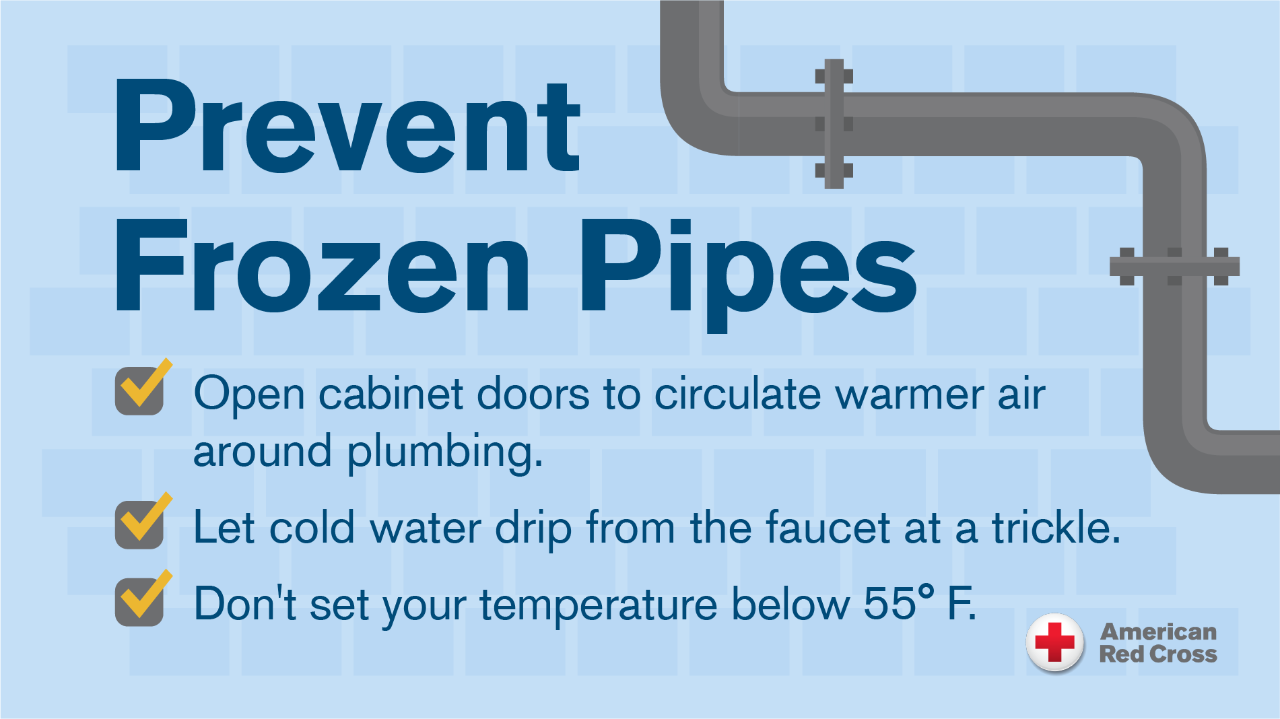
□ Open cabinets attached to exterior walls containing pipes.
□ Drip or trickle drip water from outside faucets.
□ Set room temperature above 55°F.
□ Attach outside faucet/spigot covers (often made of foam; available at hardware stores).
□ Take care when using candles to avoid fires.
□ Never use ovens or stoves for heat.
□ Install and use carbon dioxide and smoke alarms.
□ Test these alarms and verify they function properly.
□ Create or refresh an emergency survival kit with critical items such as batteries, non-perishable food, water, and candles.
□ For warmth, open blinds or drapes during the day and close them at night.
□ Keep walkways clear for easy access.
□ Service HVAC systems and change filters.
□ Auto safety: Pack an emergency car kit. Drive slowly, brake cautiously, be extra alert, and extend grace to other drivers.
□ When freeze warnings loom, cover plants with something to retain heat: bedsheets, frost blankets. towels, or straw.
□ For potted plants, cover them with empty milk containers. Or bring them indoors.
□ Know the best time to trim most trees is during their dormant season, usually November through March, before new buds form. Ask your local garden center for recommendations on specific trees and plants.
□ Keep pets indoors or in sheltered areas.
□ Provide water and protect paws from the cold and salt.
□ After a snowy walk, wipe off paws to remove snow on and in between the pads.
For even more tips and information, visit the Red Cross Winter Storm Safety website.
Support all the urgent humanitarian needs of the American Red Cross.
Find a drive and schedule a blood donation appointment today.
Your time and talent can make a real difference in people’s lives. Discover the role that's right for you and join us today!