“Youth bring excitement and passion that really powers the rest of us."
- Bryan Solis
By Romina Gomez Silva, American Red Cross intern
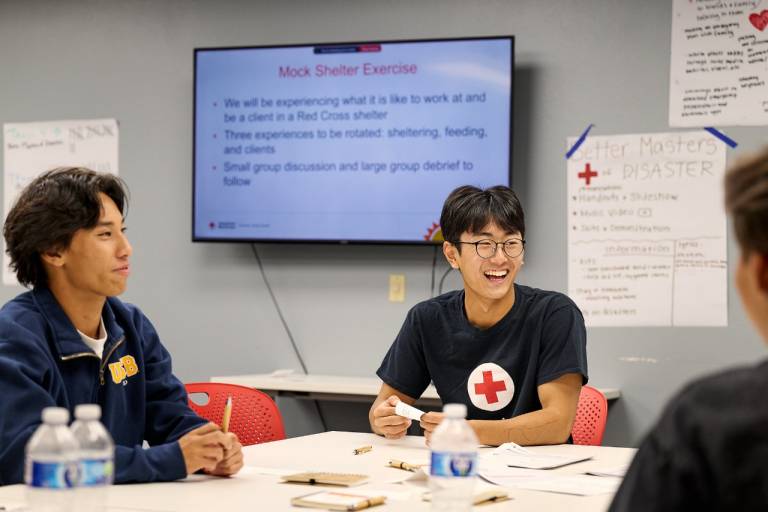
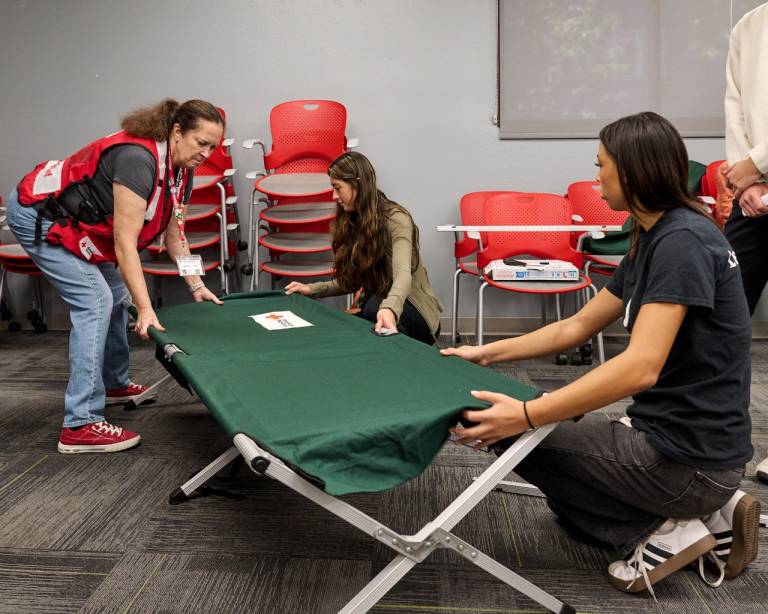
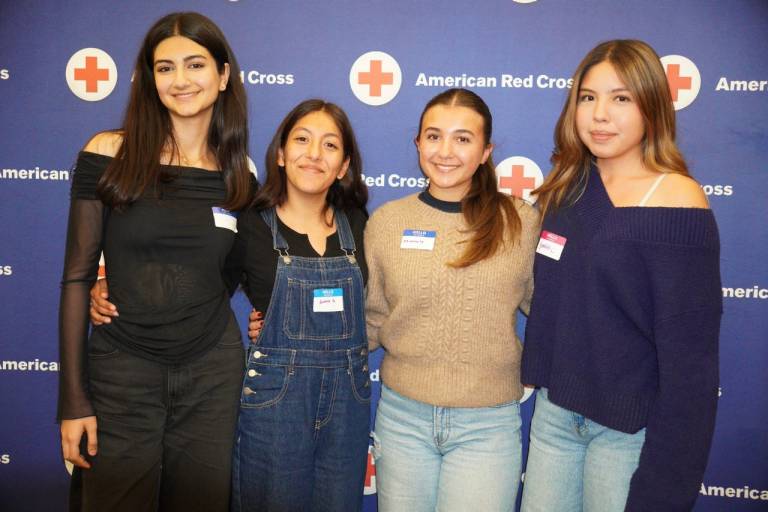
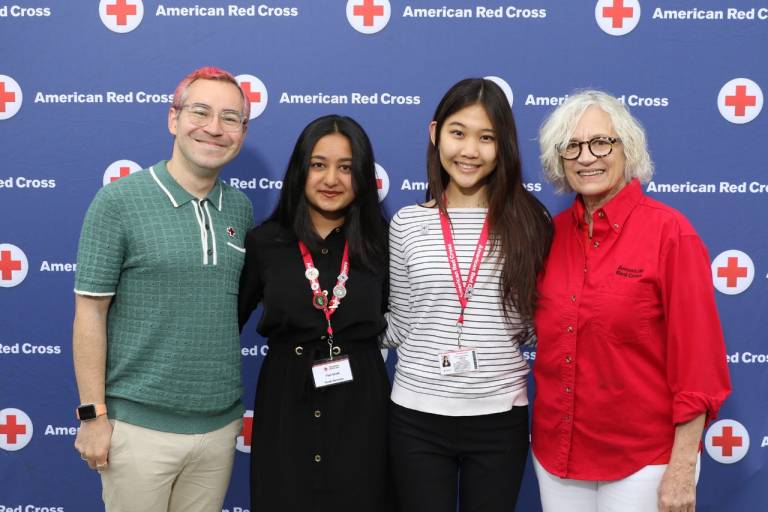
Youth volunteers are not just supporting the American Red Cross. They are becoming some of its strongest leaders, most passionate advocates and most creative problem solvers. Across Southern California, young people are stepping up in powerful ways through the Red Cross Youth Program, bringing energy, empathy and a deep desire to make a difference. Gen Z now makes up 62 percent of volunteers in the Southern California Region. Their presence is felt everywhere, from school campuses to disaster response efforts, and their impact continues to grow.
“Youth bring excitement and passion that really powers the rest of us,” says Bryan Solis, a Youth Program Lead. “When our youth show up, they are taking on more than we even imagine. They have school, extracurriculars, and full lives, yet they still fully commit to helping others and going above and beyond.”
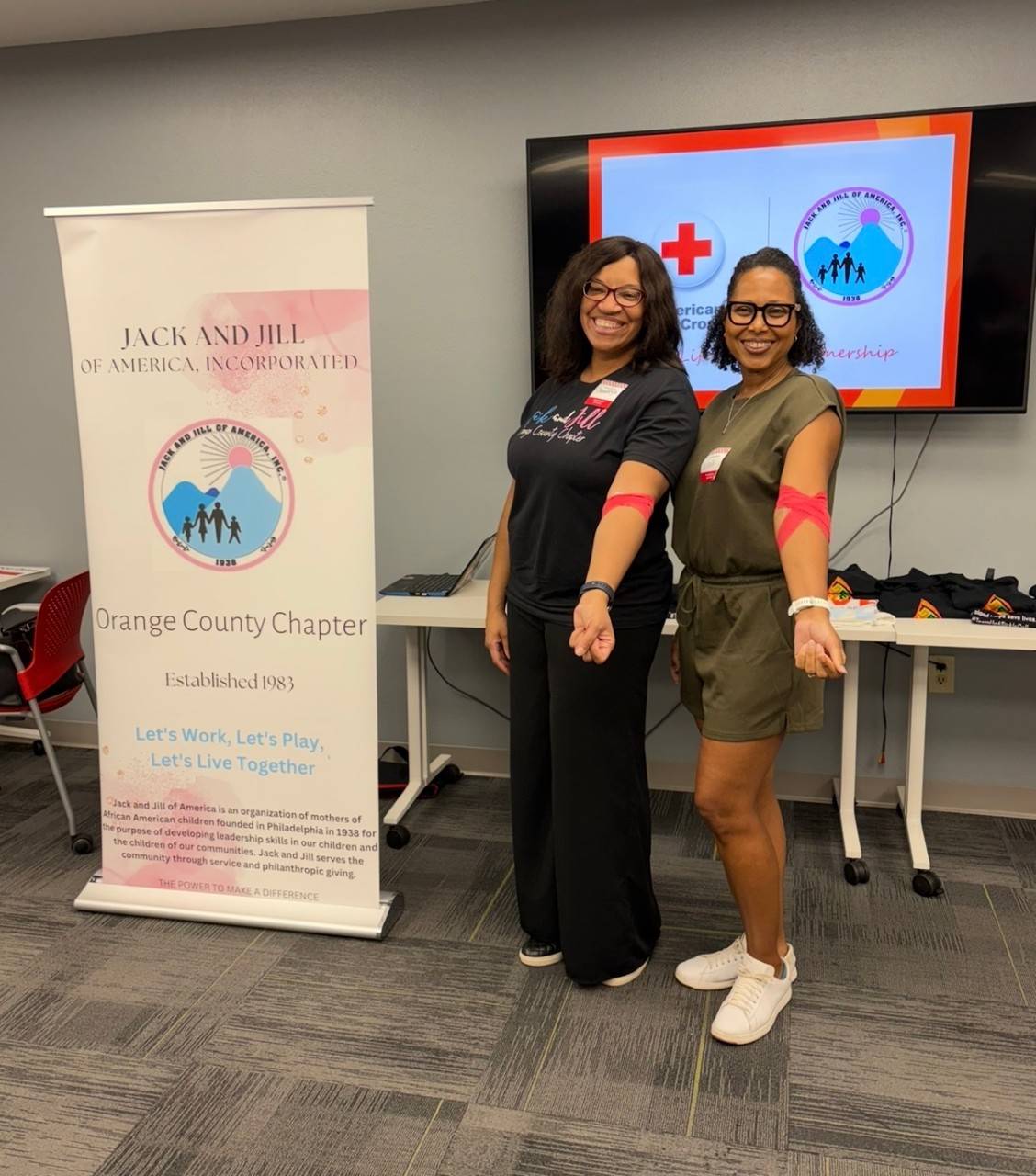
Throughout the year, youth volunteers are involved in nearly every line of Red Cross service. One of the most visible ways they contribute is by organizing and supporting blood drives, especially at high schools, colleges, and universities. From recruiting donors to promoting events and assisting on the day of the drive, youth take ownership of these efforts. For many, a school hosted blood drive is their first exposure to the Red Cross and often becomes the starting point for long-term involvement.
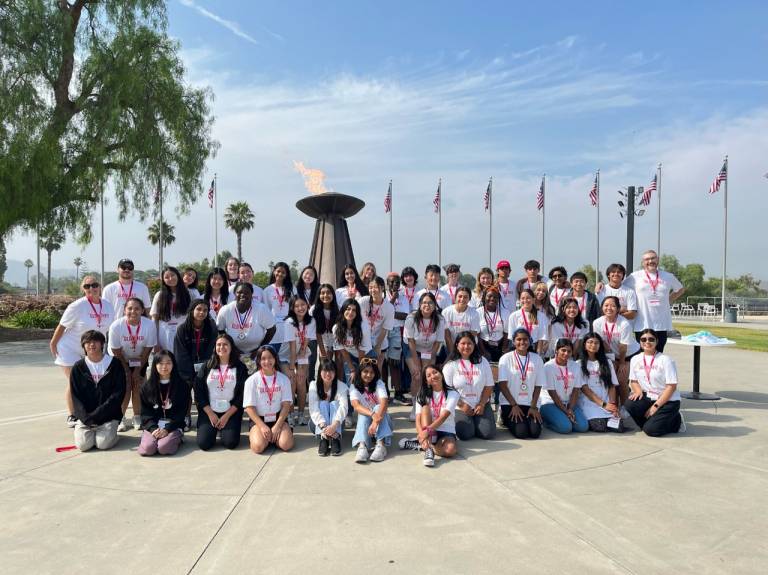
Youth also play an active role in preparedness education, disaster relief fundraising and community engagement. Leadership development is a central part of the program, helping young people gain skills they will carry with them far beyond their time as volunteers. One of the most anticipated experiences is a leadership camp, also known as GLOW (Growing Leaders of the World) RED. This year marks the first time all regions will come together for one combined camp, creating a shared space for youth from across Southern California to connect, learn and lead. For many participants, it is their first step in leadership development.
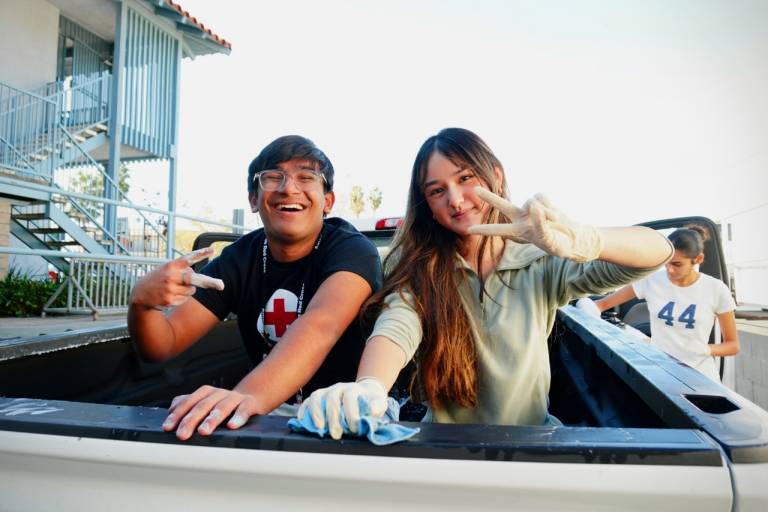
During disaster relief efforts, youth volunteers often respond with urgency and heart. Many are eager to help during times of crisis, organizing fundraisers, supply drives and awareness campaigns when communities are most in need. Car washes, bake sales and snack bars hosted at schools are just a few of the creative ways youth raise funds for disaster relief and public health initiatives. Community service projects also reflect the values and creativity of youth volunteers. Many Red Cross clubs organize park and beach cleanups to support environmental sustainability. Others collect Toys of Hope or assemble supply kits for veterans. On campuses, clubs often host social events that strengthen relationships while advancing the mission, reinforcing the idea that volunteering can be meaningful and fun.
Youth involvement is especially strong in several key programs and events. Across the country, youth leaders have played a role in measles vaccination initiatives, helping raise funds and awareness in support of public health. Locally, Sound the Alarm events are a favorite among youth volunteers, offering hands on opportunities to support home fire safety efforts in their communities. Participating in these events allows young people to see the direct impact of their work while building confidence and teamwork skills.
A defining feature of the Red Cross Youth Program is how much freedom young people have to design and lead their own projects. Solis shared several examples of youth taking initiative in remarkable ways. At Brea Olinda High School, students created an emergency backpack program with the support of school administrators. Youth volunteers went from classroom to classroom to check that emergency supplies were in place, covering more than 100 classrooms. What began as an idea turned into a lasting campus tradition.
At JSerra Catholic High School, students built partnerships with local businesses by reaching out directly. One club worked with a local cookie shop, securing donated goods that they resold to raise funds for the measles and rubella initiative and disaster relief. At UC Irvine, youth volunteers established a consistent rhythm of service, hosting fundraising and volunteer events every Tuesday and Thursday, along with regular weekend opportunities. By making these activities routine and student led, they created a strong sense of ownership and momentum. Through these experiences, youth develop valuable leadership skills such as project management, public speaking, peer motivation and team building. They learn how to recruit volunteers, organize trainings and lead presentations. The program operates under a shared philosophy that Solis describes as “for the youth, by the youth, with adult guidance.” This approach empowers young people to learn leadership by practicing it in a supportive environment.
Just as important as skill building is the sense of community that forms within Red Cross Youth. Young volunteers are encouraged to think about the kind of leaders they want to be, not only in their clubs, but in their lives. Many return year after year because of the relationships they build.
“The reason people come back is the sense of community,” Solis explains. “It feels like home. It becomes friendship, and sometimes even family.”
When asked what advice he would give to other young people considering joining the Red Cross, Solis offers simple but powerful encouragement: Go for it. Try something new. Step outside your comfort zone, even if it feels unfamiliar at first. Volunteering creates space to explore interests, discover career possibilities, and connect with mentors who believe in you. Above all, Solis emphasizes that there is a place for everyone at the Red Cross. By meeting youth where they are and trusting them to lead, the organization is not only serving communities today, but also shaping compassionate leaders for the future.
Support all the urgent humanitarian needs of the American Red Cross.
Find a drive and schedule a blood donation appointment today.
Your time and talent can make a real difference in people’s lives. Discover the role that's right for you and join us today!