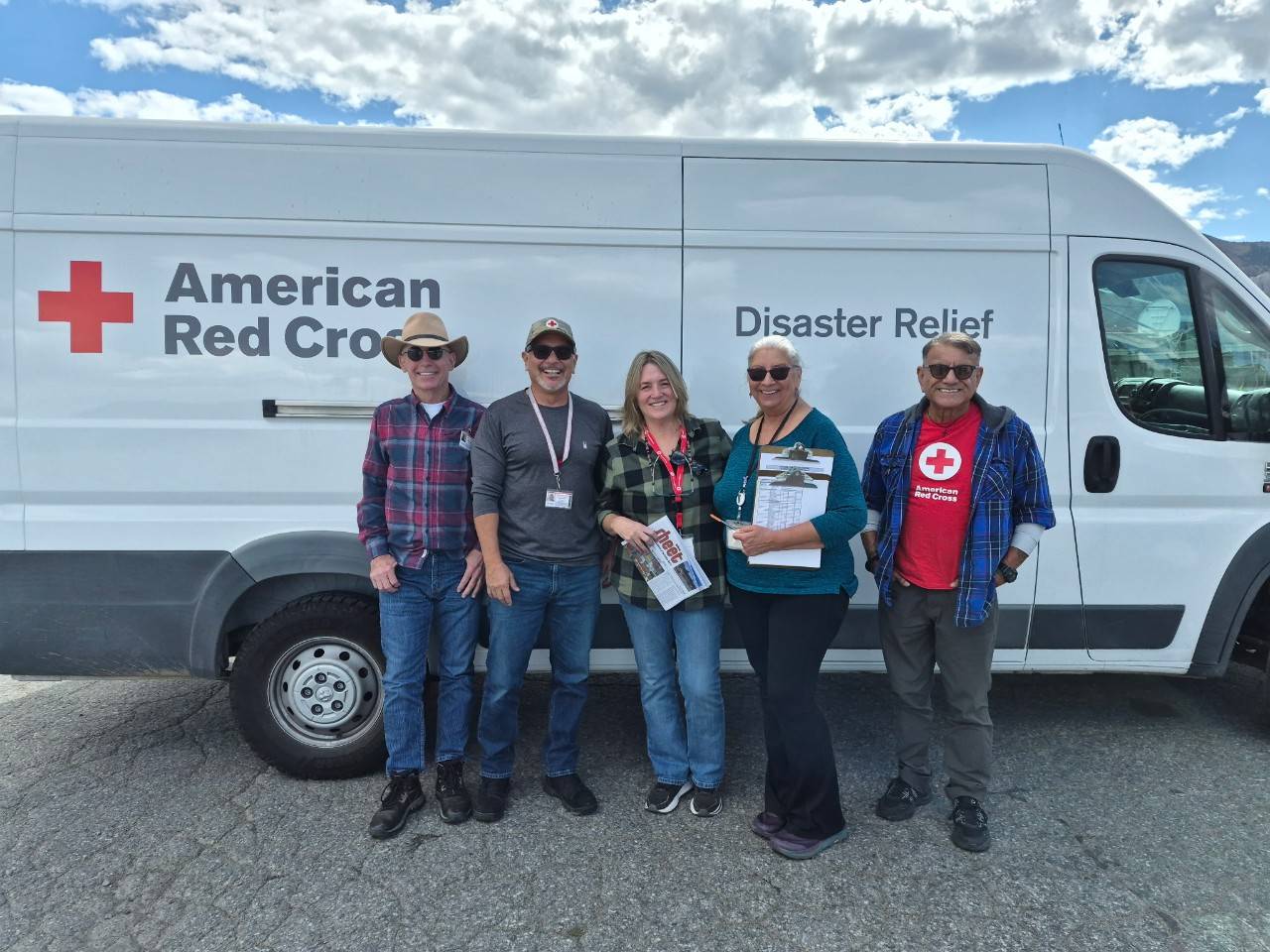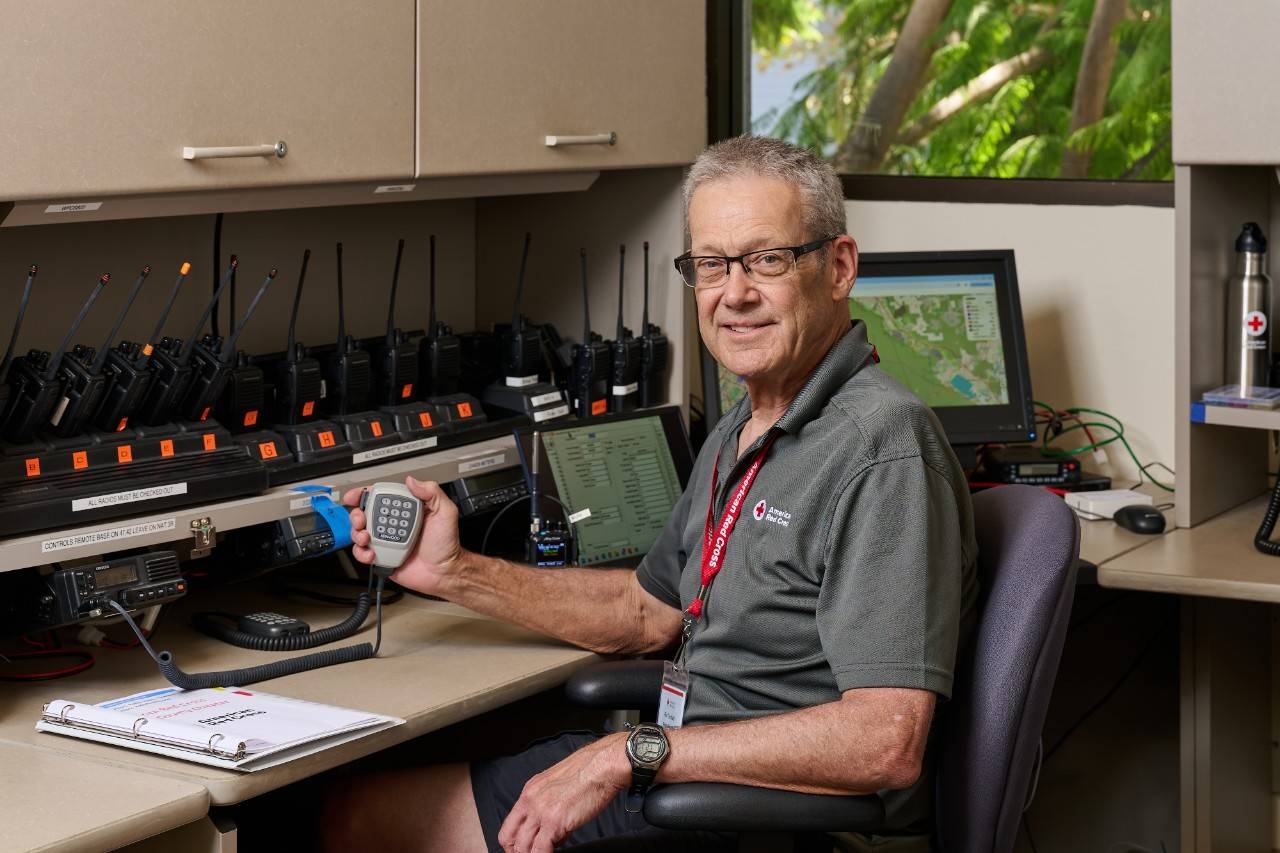
American Red Cross volunteer Rex Theobald uses a lifelong fascination with radio to help keep people connected when it matters most. Photo by Tom Leach, American Red Cross
By Nancy Aziz, American Red Cross volunteer
When cell service and electricity go down during a disaster, reliable communication becomes one of the most urgent needs. For American Red Cross volunteer Rex Theobald, a lifelong fascination with radio has become a way to help keep people connected when it matters most.
A Lifelong Fascination with Electronics
Some people look at electronic devices, like a radio, they turn it on to use it. They turn it off when they’re done. And that’s as much as they ever think about it.
But Theobald looks at electronics in an entirely different way - with wonder - he always has.
“I just love everything electronic,” he said. “I love how radios work.”
It’s a fascination that started at an early age. His brother and father shared the same interests. At one point, they even built an electronic organ together. After Theobald retired from his career working with computers, he explored another of his interests - Ham Radio - and decided to get his license.
“I love gadgets,” he said. “And I like the fact that you could get on the air and talk to anybody who happened to be there, anyone that you could find. I think radio itself is really fascinating because the radio sends out these signals in all directions. They basically go forever. It's just a question of whether there's a sensitive enough piece of equipment to listen to them.”
Turning Radio Skills into Service
Eventually, Theobald decided to turn that love of radio into a way to help people. He joined his community’s Community Emergency Response Team (CERT), and about five years ago he joined the Red Cross as a volunteer for the Disaster Services Technology Team (DST).
“It seemed like a really good fit,” he said.
As part of DST, Theobald helps out during normal times and when disaster strikes.
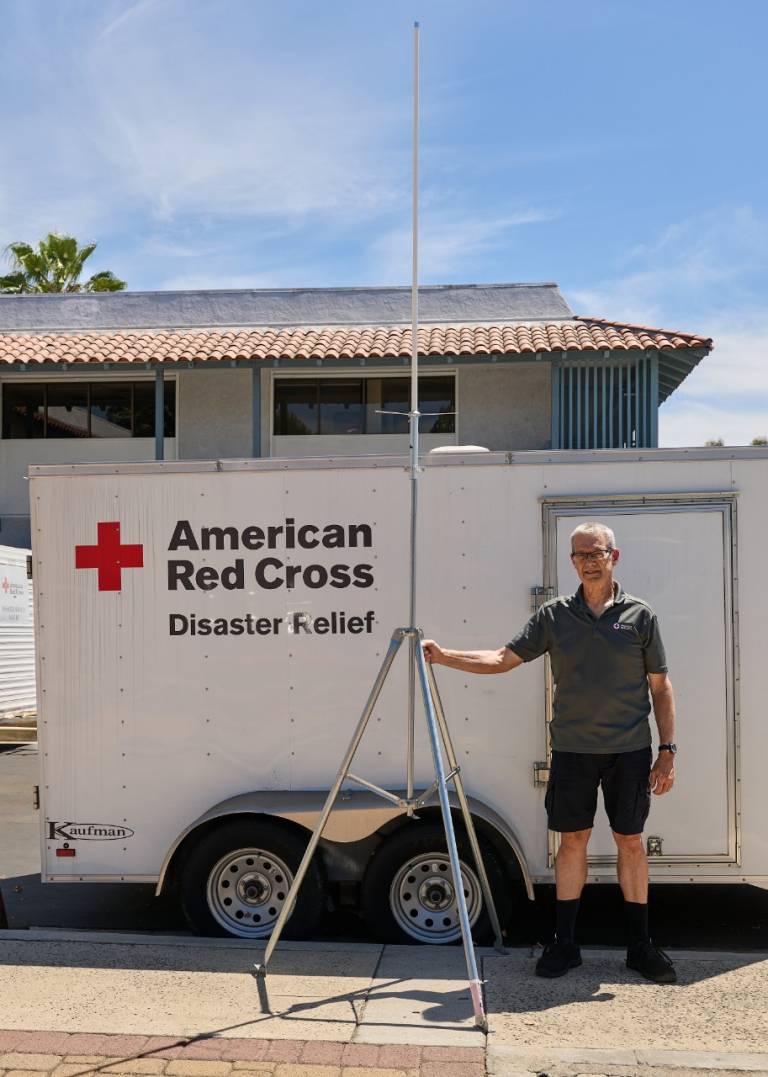
When the Red Cross deploys during a disaster, DST team members have a couple of main roles including setting up the communications equipment the Red Cross needs for relief efforts.
“When you deploy to a disaster relief operation, the first thing you'll do is get a computer to the job director, and then you'll set up a database for tracking all the other equipment that you're handling and then set up the network for all of the volunteers and staff who are arriving at the operation.” After that, he says it’s handing out computers, cell phones and radios.
The DST also uses radios, including HAM radios, to facilitate communication during disasters.
“Many times in a disaster, the cell phone network will go out, electricity often goes away, so you’re communicating any way you can. And that's where the radios come in and they're really valuable,” he said.
As new technologies, including satellites, come on board, radio is becoming less important. But Theobald says it still plays an important role because radios are reliable, inexpensive and can be used at a moment’s notice, while satellites can go down, take a while to set up, and are very expensive.
Practice Before Disaster Strikes
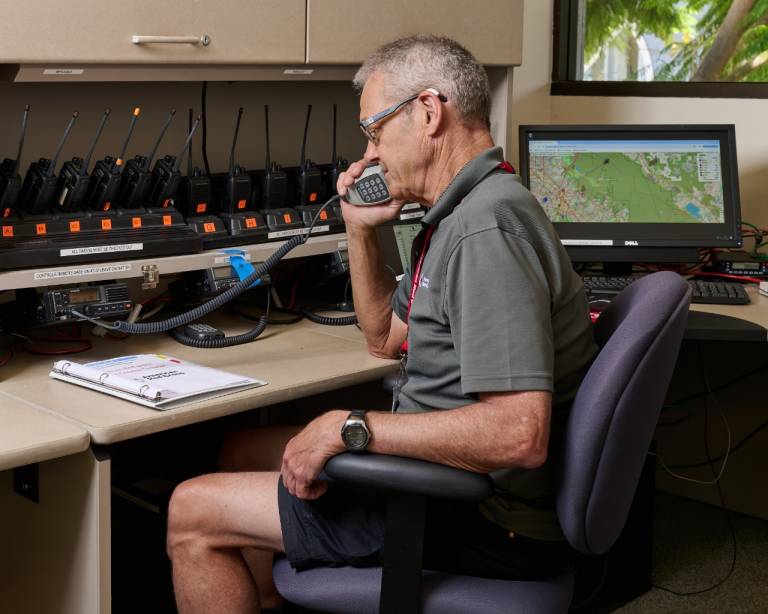
When they aren’t involved in disaster relief, the team has different responsibilities including regular practice. Members regularly get on the radio and talk to each other in what’s called a net. Local law enforcement also takes part. The nets help ensure the team is ready when it’s called into action.
“Doing that makes sure that you know how to use the radio, it makes sure that the radio works, and that the communications network works,” he said.
Doing Work That Matters
Theobald says he’s happy to be a part of the DST team and be able to help others by doing something he loves.
“It’s fun, it's great to be able to help people and provide communications when it's required. The Red Cross provides an invaluable service in any kind of disaster, and I like being a part of that,” he said.
If you’d like to get involved with DST, you can visit redcross.org/volunteer for information on required training. To be involved in DST’s Ham radio nets, you don’t have to be a part of DST, but you are required to have a Ham radio license.
Support all the urgent humanitarian needs of the American Red Cross.
Find a drive and schedule a blood donation appointment today.
Your time and talent can make a real difference in people’s lives. Discover the role that's right for you and join us today!