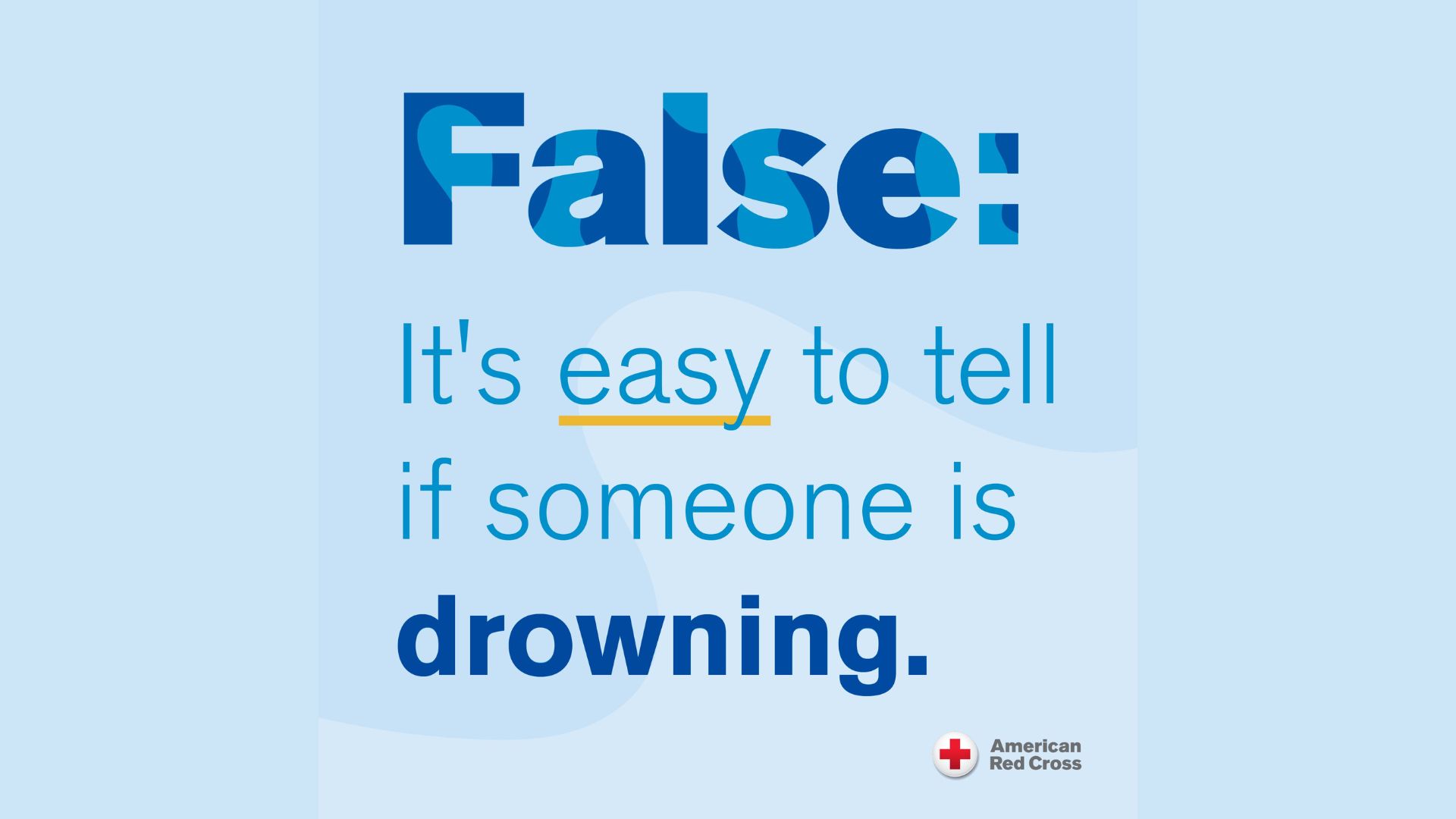
When people think of drowning, they often picture someone splashing wildly, yelling for help, and making a dramatic scene like in movies or television shows. The truth is much different. Most drowning incidents are quiet, happen in seconds, and can easily be mistaken for normal swimming or playing.
Knowing what drowning actually looks like could help you recognize an emergency before it's too late.
What Does Drowning Look Like?
usually cannot call out for help or wave their arms.
Instead, someone who is drowning may:
Drowning can happen in less than a minute, especially for young children. That's why active supervision is so important whenever anyone is in or around water.
Aquatic Distress Isn't the Same as Drowning
Someone in aquatic distress is having trouble in the water but is still able to keep themselves afloat. They may be tired, caught in a current, or unable to swim back to safety. Because they still have some control, they can often wave, shout for help, or grab a flotation device.
A person who is drowning, however, has lost that ability. Their body instinctively uses every bit of energy trying to breathe, leaving them unable to call out or signal for help. Without immediate assistance, drowning can quickly become fatal.
Recognizing the difference allows you to respond sooner and potentially save a life.
The Truth About "Dry Drowning"
You may have seen stories online about "dry drowning" or "secondary" (also called delayed) drowning. These terms can sound frightening, but medical experts do not recognize them as actual medical conditions.
After a water incident, it's normal for someone to cough briefly if a small amount of water entered their airway. However, a child or adult who leaves the water feeling completely normal does not suddenly drown hours or days later.
If someone develops persistent coughing, difficulty breathing, chest pain, extreme fatigue, or other concerning symptoms after a water incident, they should be evaluated by a healthcare provider. While these situations are uncommon, they should always be taken seriously.
Drowning Prevention Starts Before Anyone Enters the Water
The American Red Cross recommends using multiple layers of protection whenever you're around water.
Some simple ways to help prevent drowning include:
According to the American Red Cross, drowning is one of the leading causes of accidental death for children.
Every Second Matters
The biggest misconception about drowning is that you'll always hear or see someone calling for help. In reality, drowning is often silent because a person simply cannot yell while struggling to breathe.
By learning the signs of drowning, understanding the difference between aquatic distress and drowning, and practicing simple water safety habits, you can help protect yourself, your loved ones, and your community.
Visit the American Red Cross website for more information about water safety, swim lessons, CPR training, and drowning prevention resources. Together, we can help make every day around the water a safer one.
---------------
- Written by Ashvika Sista
Support all the urgent humanitarian needs of the American Red Cross.
Find a drive and schedule a blood donation appointment today.
Your time and talent can make a real difference in people’s lives. Discover the role that's right for you and join us today!