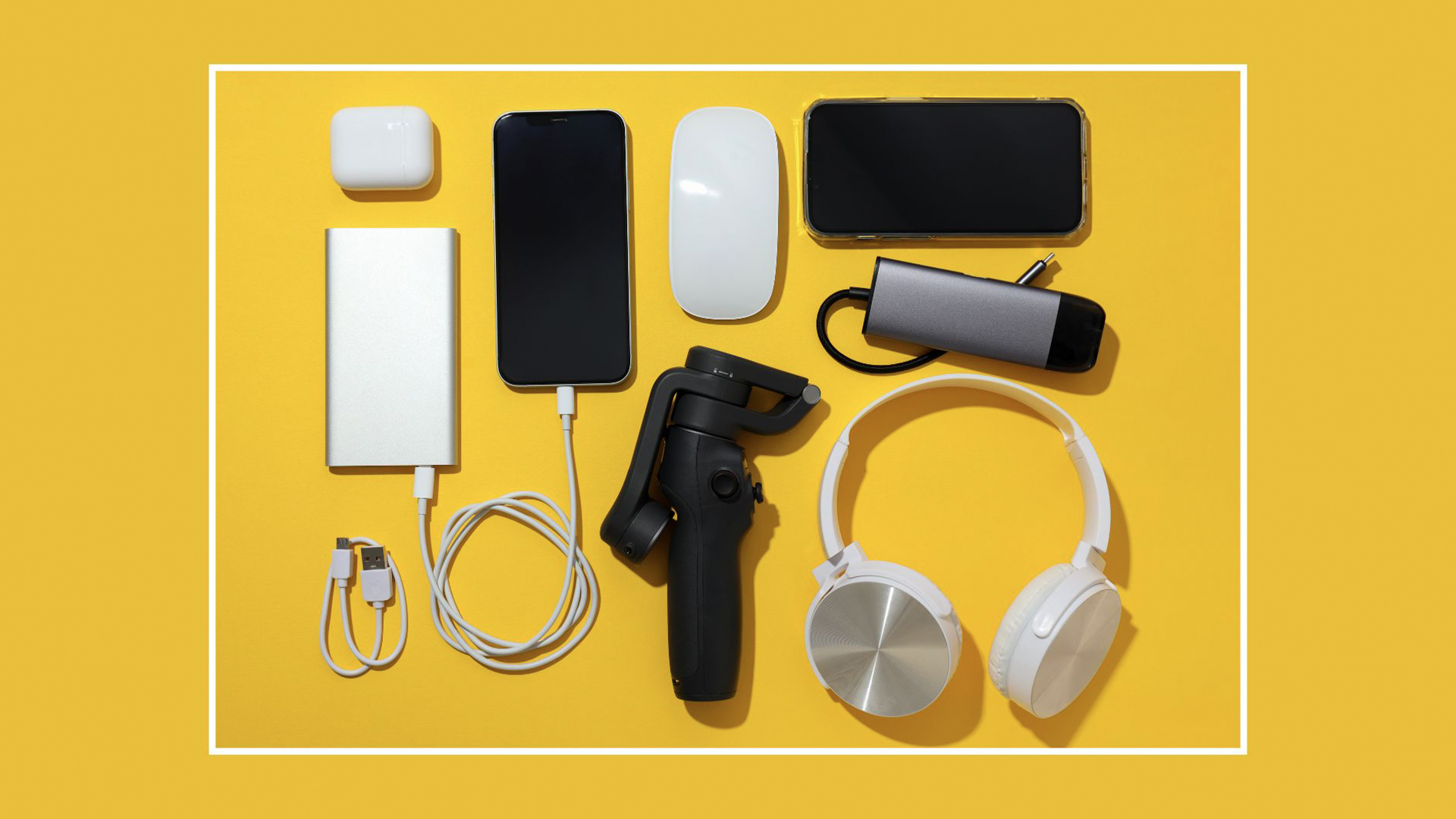
Photo illustration of some common recharagble devices.
Take a look around you. Do you see a phone? A laptop? Some other electronic device? Chances are, the answer is yes, and inside those devices are lithium-ion batteries.
Lithium-ion batteries are the most common type of rechargeable battery and are often used in consumer electronics. Their ability to store a lot of energy in such a small amount of space is what makes them so popular.
Most people use devices powered by lithium-ion batteries every day, multiple times a day, without even knowing it. From using an electric toothbrush in the morning, to riding an E-bike home in the evening, lithium-ion batteries follow us around as we go about our day.
However, even though they are such a benefit to society, we have to be aware of the dangers they present.
Lithium-ion batteries are highly flammable because they release heat as they generate energy. That heat has the ability to catch the internal battery components on fire. But don’t worry – your phone won’t randomly go up in flames one day for no reason. Physical damage, electrical damage, exposure to water, exposure to extreme temperatures, and product defects are how lithium-ion battery fires start.
The good news is that these fires are very easily preventable if you know how to properly charge, maintain, and dispose of lithium ion-batteries and the products that contain them.
Here are 6 lithium-ion battery safety tips from the National Fire Protection Association:
Following all of these safety tips will prevent lithium-ion fires from happening to you. In a study by the U.S. Consumer Product Safety Commission, there is an average of 5,000 fires that occur annually due to lithium-ion batteries. While they may only account for a small percentage of household fires total, they burn hot, are hard to extinguish, and can be lethal.
In addition to knowing how to prevent lithium-ion battery fires, you should also know how to properly dispose of them. The batteries themselves and the devices that include them should never be tossed in the household garbage or recycling bins, as fires can happen during transport or in landfills.
Make the effort to dispose of lithium-ion batteries properly. The Battery Network is a good place to start. You can select your battery type and enter your zip code to find collection points near you. Many stores that sell large quantities of lithium-ion battery devices, like Home Depot and Staples have their own recycling programs. You can also contact your local waste management, recycling center or municipality for disposal locations.
Lithium-ion batteries will continue to be an important part of our lives as they are in the items we use the most each day. Even though they are such a benefit to society, they can be very dangerous if one does not take the proper steps to charge, maintain, and dispose of them. It is crucial to know how to prevent lithium-ion battery fires to stay safe.
---------------
- Written by Emma Wong
Support all the urgent humanitarian needs of the American Red Cross.
Find a drive and schedule a blood donation appointment today.
Your time and talent can make a real difference in people’s lives. Discover the role that's right for you and join us today!